 September 4, 2026
 Categories: Word Prompt
Word Prompt – MUSSAR – Gershon Schusterman
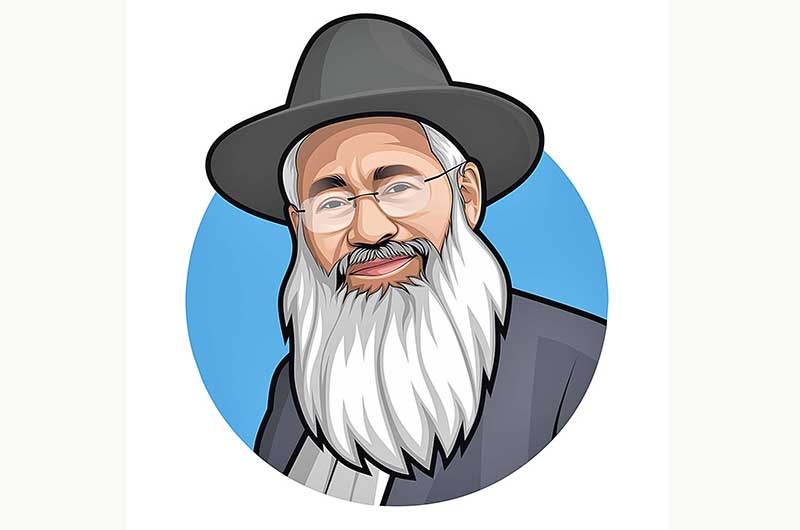


Mussar is a term with several layered meanings, generally translated as moral instruction, discipline, or ethical conduct. It is related to the Hebrew word yasar (to chasten or correct), implying training intended to correct unwanted behavior, or reproof.
While halacha sets mandatory, objective boundaries of behavior, mussar goes beyond the letter of the law and addresses internal, subjective and personal refinement. This is referred to by Chazal as things given over to the heart (Bava Metzia 58b), matters that are known only to the person himself and to G-d.
An early example of mussar is Mishnayos Avos, often referred to as Ethics of the Fathers. Among the classic mussar books written in the Middle Ages are Menoras HaMaor (The Lamp of Illumination) and Chovos HaLevovos (Duties of the Heart). The father of the modern mussar movement is Rabbi Yisrael Salanter (1810-1883).
Why is mussar necessary? Why isn’t halacha enough?
The Gemara (Chagiga 16b) says that in three ways man is similar to angels and in three ways he is similar to animals. In Chassidus this dichotomy is expressed as each person having both a Nefesh haEloikis (an angelic Divine soul) and a Nefesh haBehamis (an animal soul), battling each other to govern the person. Mussar provides the G-d consciousness which subdues the animal soul so that the Divine soul will reign supreme (see Shabbos 31a).
Rabbi Elya Lopian (1872-1970), among the most prominent modern mussar leaders, distilled mussar as "teaching the heart what the mind already understands," moving ethical knowledge from intellectual concept to emotional, lived behavior.
In today’s yeshivish world mussar is studied and in the chassidish world they study, well, Chassidus.