יום שישי, ה׳ חשוון תשפ״זFriday, October 16, 2026



Follow Us


Dr. Ethan Eisen received semicha from RIETS, and a PhD in clinical psychology from GWU. He authored the recently published book focusing on Torah and psychology, "Talmud on the Mind” (Kodesh Press).
Read More

Today, amid the suffering caused by the war, we can sometimes feel callous if we take our minds off those most affected. However, a lesson of Chanukah is that there remains space for gratitude, even in the face of ongoing grief.
The more that Jews around the world internalize that their continued support is a fulfillment of this mitzvah, each small act is imbued with meaning.
What emerges from these Acharonim, especially Magen Avraham, is that the regular proximity to one’s spouse, even if physical contact is prohibited, is comforting, and losing that proximity is discomforting – and this discomfort might be sufficient to exempt a person from sukkah!
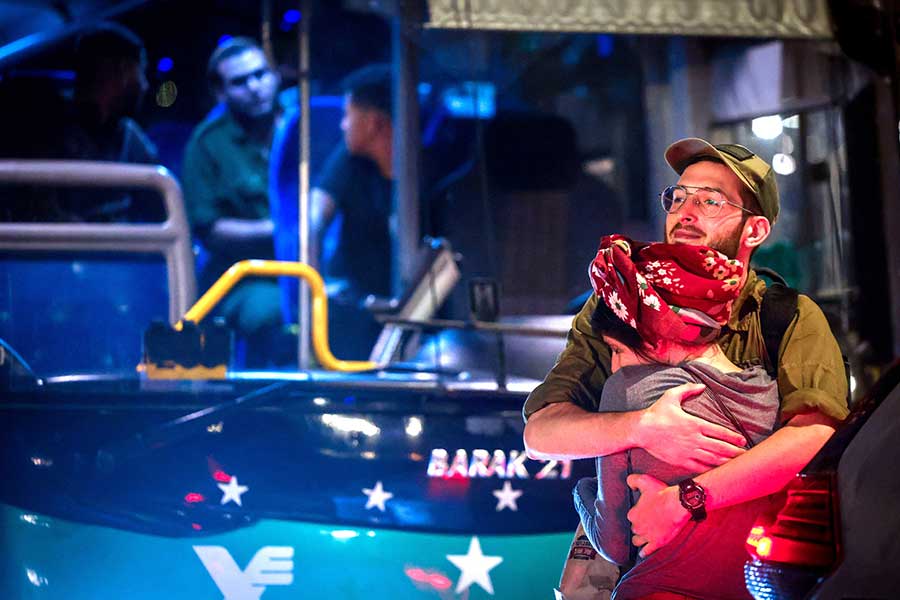
For soldiers and other personnel returning from combat zones, exposure to the scenes of war can also lead to post-traumatic stress symptoms, even if these personnel were never in a life-threatening situation themselves.
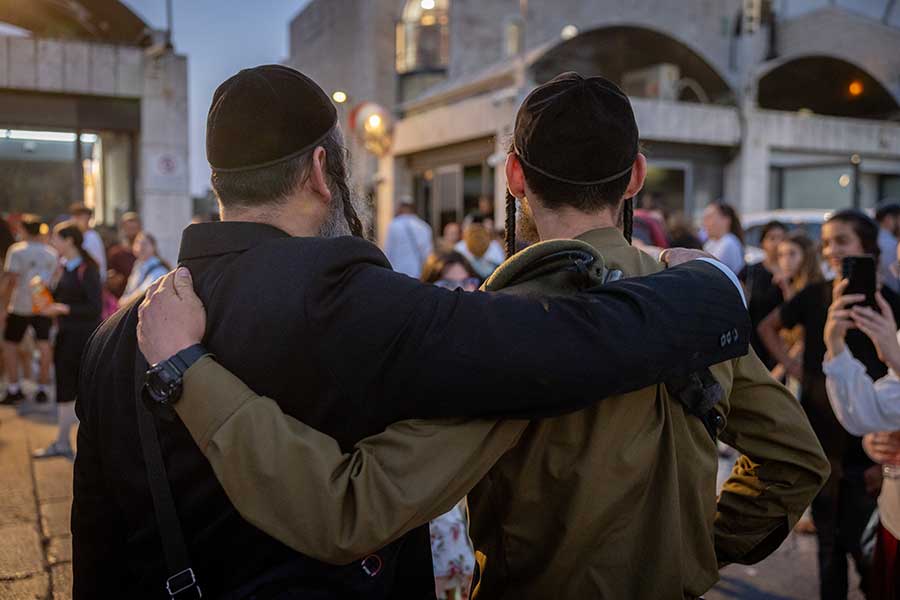
Sometimes the soldier and his family are most bothered by the worry that their difficulty adjusting is not normal and reflects severe psychological distress.

Older Americans may remember one of the great betrayals felt by American military service members upon their return from fighting in Vietnam, when many were greeted with jeers and accusations. Indeed, the type of homecoming a soldier receives was found to predict PTSD up to 40 years later (Steenkamp et al, 2017).
Some research indicates that heroism during war or, maybe more specifically, the acknowledgement of a soldier’s heroism, might be beneficial to the soldier himself, as it is associated with lower levels of post-traumatic stress symptoms (Stein et al., 2020).
The Gemara comments that the prophet’s list increases in severity, making captivity the worst, even worse than death or famine.

We might ask, why are these two things – giving up hope and aveilus – connected? After all, the likelihood of whether the loved one has died, which may be the more intuitive factor for beginning aveilus, does not change based on the subjective metric of losing hope, so why should this determine the threshold for commencing aveilus?

In this column, I focus on one aspect of the war most commonly experienced by soldiers and other military service members, namely the perpetration of an act that, in the soldier’s perception, violates his moral code and inappropriately caused or contributed to the harm or death of an undeserving victim.
In addition to our passionate dedication to following the Torah as best we can, we must also be self-reflective enough to know that we are not immune from the destructive effects of confirmation bias, which serves to prejudice and distort how we see the world.

One does not need a deep understanding of Jewish history to know that exile or forced evacuation from one’s home is regarded as a particularly difficult type of suffering.


 October 16, 2026