יום שני, א׳ חשוון תשפ״זMonday, October 12, 2026



Follow Us


Rabbi Dr. Eliyahu Safran is an educator, author, and lecturer. He can be reached at e1948s@aol.com.
Read More
If you want to move de line, you have to let go of hurt and anger.
Almost every person viewed Yom Kippur and Tisha B’Av in a different light from the minor fasts.
A Jerusalem chassidic rabbi banned uniformed IDF soldiers from his group’s study halls, synagogues and yeshivas.
To eat is to live – to keep our physical bodies alive. For without the body, there is nothing. No experience. No memory. No joy and no hardship. But man, unlike animals, eats to live and to enjoy. So how should a Jew respond when he is challenged as to why he imposes upon himself not just ceremonies dedicated to the enjoyment of eating but even more to the limiting of what he can eat?
The ticking of the clock is uniformly, maddeningly constant. Tick, tick, tick. In equal, perfectly differentiated, precise segments. One second after another. Tick, tick, tick. A minute. An hour. One day. Another. Then a week. A month. A year. A lifetime.
Last year, not long before Passover was to begin and my thoughts were already on the coming Seders and great drama we would be observing, I happened to be just outside a building when I observed the following small scene unfold before me.
Murderous violence has been with us since the generation after Adam and Eve first trudged, ashamed and burdened, east of Eden, banished from the Garden because of their disobedience. Few things through the ages have defined us so much as our ability to visit horrific cruelty upon our fellows.
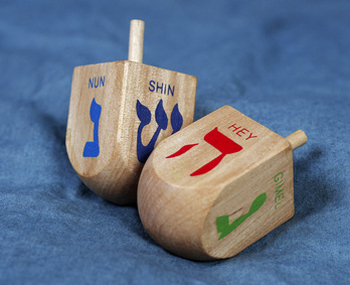
The strength and numbers of Orthodox Jews in America have never been greater, and yet those of us concerned with Judaism’s future must admit we confront a future no less frightening than the future that was evident to Hannah’s noble sons in Modi’in all those centuries ago.
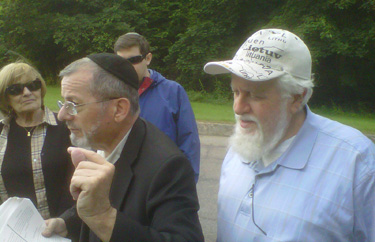
Recently, my wife Clary and I traveled to Lithuania to experience what remains of one of Judaism’s most magnificent centers of learning. My journey, organized by Zvi Lapian of Israel and led by the eminent historian and distinguished scholar Dr. Shnayer Leiman, took me to what was once the world’s center of Torah learning.
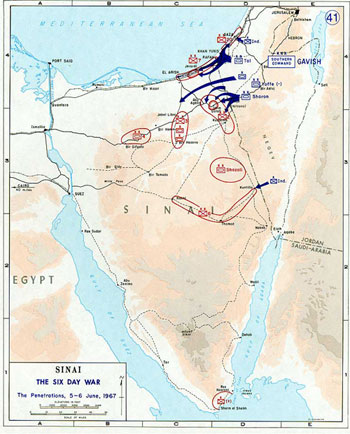
Our sages teach us that when we have left this life and face the Court on High, we will be called upon to answer for our lives. Among the questions we will be asked is, “Did you throughout your lifetime eagerly await and anticipate the geulah, the ultimate redemption?”
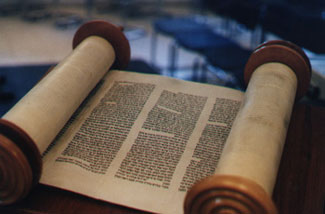
The past is never dead. It’s not even past. – William Faulkner We Jews are a people of memories. Our past defines who we are. The past infuses our religious lives with context, purpose and meaning. How could we be if not for knowing how we were?

For me, Israel is personal. I was born as Israel’s War of Independence raged, just weeks after the state’s miraculous birth. As I lay in the hospital room with my mother, the windows shattered with the relentless attacks of those who sought, once again, to destroy us – this time not on their bloodstained soil but on our own sacred land. Once again, by God’s hand, we prevailed. The few against the many. The weak against the so-called strong.
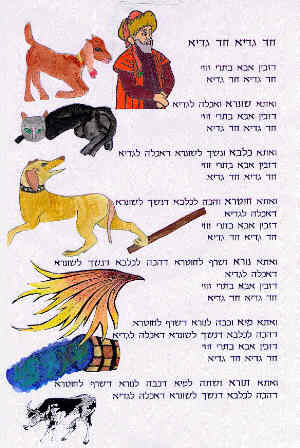
As the Seder night ebbs away – long after the Four Questions have been asked and answered, after the festive meal has been eaten and the post-feast drowsiness descends, after the evening’s mitzvot have been observed and the fourth cup of wine emptied – we raise our voices in a curious, delightful, seemingly whimsical song at the end of the Haggadah.
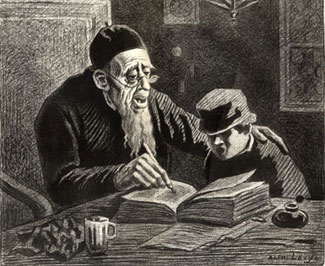
A young teacher described this episode that occurred early in her teaching career: “One beautiful spring morning when I arrived at school, I was surprised to see a youngster waiting at the door. ‘It’s locked,’ he said sadly. His expression brightened as I began to fumble for my keys. ‘You’re a teacher!” he exclaimed in obvious delight.


 October 9, 2026