 September 4, 2026
 Do I Really Need to Get My Tefillin Checked?
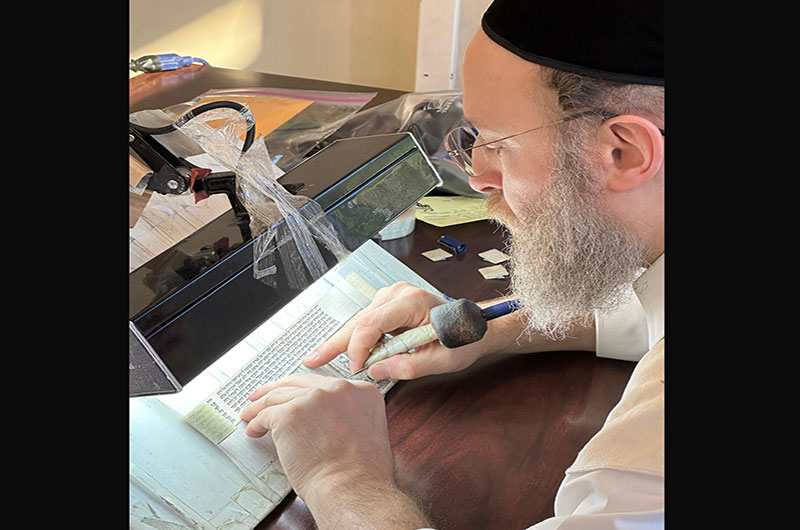


Many people are unsure how often tefillin should be checked. Some assume it must be done yearly, while others believe that once tefillin are purchased from a reliable sofer, they can be left alone forever. The actual halacha is more balanced and deserves a clear explanation.
The earliest discussions appear in the Mechilta and in the Yerushalmi. One position suggests checking tefillin yearly. Another states that once tefillin are known to be kosher, they do not require ongoing inspection. The halachic consensus, followed by the Rambam (Hilchot Tefillin 2:11), the Tur, the Rosh, and the Shulchan Aruch (Orach Chaim 39:10), accepts the lenient approach. Tefillin that were originally kosher and remain sealed have a presumption of kashrut.
However, the Shulchan Aruch adds an important qualification: “If tefillin are not worn regularly, they should be checked,” because items kept in storage are more susceptible to deterioration. The Aruch HaShulchan adds that since we no longer wear tefillin all day, they sit unused for most of the time, effectively functioning like tefillin “in storage.” He writes that such tefillin should ideally be checked every three and a half years.
A practical example helps explain why this matters. A rav once shared that his house minyan owned a Sefer Torah used only for Shabbos Mincha. Since only the first aliyah was read each week, large portions of the Torah were hardly exposed to air or light. During Covid, when the Torah was used more often because shuls were still closed, they discovered cracks in letters that had not been exposed for years. Just as a Sefer Torah can deteriorate quietly due to limited use, tefillin can as well, especially when stored in a bag for most of the day.
There are also situations where checking is required immediately. The Mishnah Berurah (39:26) writes that if the batim (the square boxes) open, if tefillin fall into water, or if they are exposed to significant moisture, they must be inspected. Sweat, humidity, and heat can affect ink and parchment over time. The Chayei Adam adds that tefillin exposed to strong sunlight for extended periods should also be checked. Practically speaking, if tefillin are left in a car during hot summer months, they should be inspected more frequently.
It is important not to become anxious about this topic. When tefillin are purchased from a reputable source and treated properly, most remain kosher for many years. In the experience of many sofrim, most invalidations come from pairs that were never properly made to begin with. Of the remaining cases, many result from poor care or exposure to moisture or heat.
The lesson is straightforward: purchase high-quality tefillin and follow a sensible schedule of periodic checkups. One does not need to open tefillin every year, but a responsible inspection every few years is appropriate, especially given modern storage conditions.