יום שלישי, י״ד אב תשפ״וTuesday, July 28, 2026



Follow Us


Science of Kabbalah started with a show on creation so it makes sense that on this our final show we talk about the end of days or what we classify as the Messianic Age in Judaism.
As we focus on the lights of Chanukah we are reminded of the special obligation and responsibility we have to disseminate the light of the Torah to the nations.
Gender fluidity seems to be the conversation of the day.
In Part 2 of this episode of A Vision Beyond Nature and Science we continue the discussion on the connections of Kabbalistic concepts with our physical world.
This week's Science of Kabbalah returns to its roots with a discussion of how the Torah connects us, and even allows us to see beyond nature and the physical world. This was accomplished by the great teachers of Kabbalah as they looked beyond our physical world to the upper worlds. Not to only gain wisdom and knowledge, but to unlock the key to true rectification and redemption.
Do the Jewish people have a responsibility or obligation to share Torah with spiritual seekers from the nations?
More often than not the Torah portion Lech Lecha is translated as "Go for yourself," however, the Zohar teaches us that this is really translated as "Go into yourself."
Musings on the first Torah Portion of Bereshit include not only a discussion of the Hebrew language and why the Torah starts the way it does
We have entered the Yamim Noraim, the Ten Days of Awe. The period of deep repentance between Rosh HaShana - The Jewish New Year, and Yom Kippur
It it no coincidence that the weekly Torah portion of Nitzavim is read in close proximity to Rosh HaShana (The Jewish New Year) and the Yamim Noraim (The Days of Awe). Why are the curses in Deuteronomy different than those we read about in Leviticus?

We are joined this week by Rabbi Yechiel Yashfe from Yashfe Winery here in Tzfat. Are you aware that wine can be made according to Torah?

There is a very famous Torah teaching from Rebbe Nachman of Breslov in his Magnum Opus called Likutei Moharan that is always studied during the month of Elul.
This week Rabbi Yitzchak discusses the very interesting and often misunderstood concept of reincarnation. Kabbalah has much to teach about the soul, and its need for rectification as it relates to the Torah and Mitzvot. If you have ever been interested in the subject, this might be the show that will help you to understand.
There are triggers in life that always allow us to become nostaligic and to dwell on the past. A major theme in the climatic verse from Lamentations that we read on Tish B'Av relates to both old and new.
We just entered a period knowns a the "Three Weeks" that start with the Fast of the 17th of Tammuz and ends on Tish B'Av (the 9th of Av).

Why is there a juxtaposition between the Red Heifer and the death of Miriam? How does Moshe striking the rock connect with the water of Torah? Hear about this as we discuss these interesting concepts from last week's Torah portion of Chukat.

A sink hole opens up at Shaare Tzedek Hospital in Jerusalem in the same week that we are getting ready to read the Torah portion of Korach.
With all the suffering we have endured between Covid, the Meron Tragedy, the Shavuot Tragedy, Rocket Attacks, Terror Attacks, and the Rise of Anti-Semitism around the world, it is time to take stock. This is not just about the Nation of Israel or the Jewish people. This is a message for the entirety of humanity. It is time to take stock in ourselves and come to terms with the cruelty in our hearts, without being silent about the injustices in the world. It sounds like a contradiction, but it's not.
Rav Yitzchak is joined by his friend Rabbi Amichai Cohen who was in attendance at the Lag B'Omer celebration on Mt. Meron when tragedy struck. Hear his first hand impressions as well as a discussion on the spiritual lessons we learn when dealing with situations above and beyond our control.
All you seem to hear from politicians and celebrities today is the new concept of being "Woke."
We continue the journey from Passover, through the Counting of the Omer, on our way to Shavuot and the receiving of the Torah. On the way we enter Spring and the month of Iyar. This is a special time to hone in and focus in a meditative way on cleaning our spiritual gardens and preparing ourselves with awe and love for the Creator.
This week we are joined by Mordechai ben Avraham whose journey took him from the entertainment business of Los Angeles, to the Yeshivot of Jerusalem. Growing up an African American whose parents embraced Islam in his childhood is a far cry from his current path as an Orthodox Jew living in Jerusalem. Hear the amazing story of transformation and learn more about his upcoming book, "The Mind of the Black Jew."
This week Rabbi Yitzchak is flying solo. As we prepare for Passover there are spiritual lessons that can often be lost as we get so busy cleaning and cooking. There are both lessons we learn from the telling of the story, and those lessons we learn from objects on our Seder table. Each one of these is meant to bring the spirituality from within our physical world.
Last week we began our discussion on a lesson from Rebbe Nachman on Purim as a path towards Passover. In this week's show we continue the discussion with the connection of the Red Heifer spoken of in the upcoming Torah portion this Shabbat, which is known as Shabbat Parah, and the differences between the types of redemption experienced by the Jewish people.
What in the world is the connection between Purim, the Red Heifer, and Passover. Rav Yitzchak and William discuss this upside down world, and a lesson from Rebbe Nachman of Breslov who connects these three concepts which seem to be unrelated.
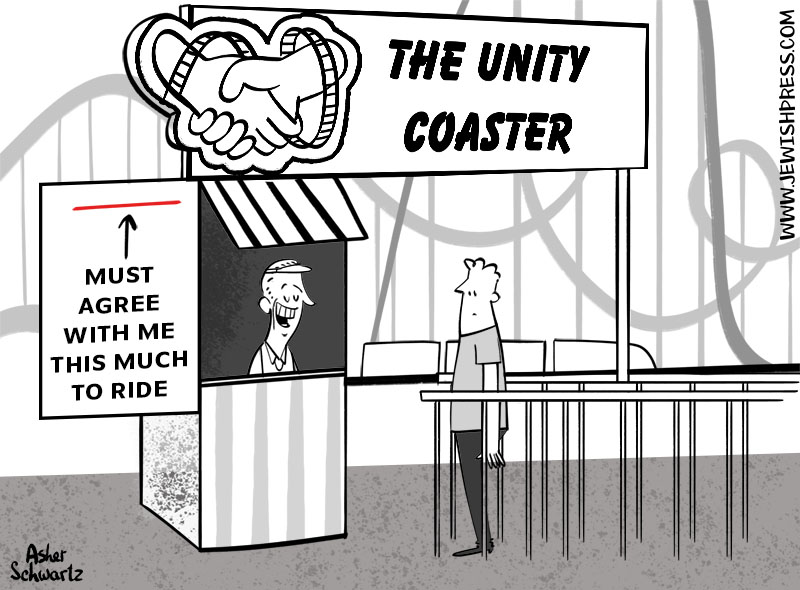
We are joined this week by Rabbi Avraham Sutton. Our topic revolves around the divisiveness that has taken hold of the world and our inability to find commonality even while disagreeing with others. We use as an illustration, which Rabbi Sutton clarifies, the picture of the inverted tree as brought down by the Maharal of Prague. This is an eye opening lesson on who we are an what we are connected to.
Rabbi Amicha Cohen joins Rav Yitzchak and William to continue the discussion on Achdut (Unity) and what can be done to work on ourselves to change our world. Sources from the Zohar on the elements that went into the creation of man and how fire and water interact give us insight into bringing unity to ourselves and others.
Rabbi Yitzchak is joined by his wife Leah as they discuss Parsha Vayechi and the diverse blessings given by Yaakov to his sons. That these same sons who represent the twelves tribes had mutually exclusive and contradictory character traits, yet without each one could not have combined to be Knesset Yisrael. In essence, like so many things in this universe that the Kabbalah describes as unity of opposites, each one of us like the twelve tribes as different as we are can come together and hasten the redemption.
With the advent of vaccines for the Corona Virus comes with it more division and contention about who and what we should be listening to. Almost all who follow Torah Judaism would never dispute Rabbinic authority, however, it seems that new voices are arising questioning the very same Rabbis who are calling upon the public to take the vaccine. This is not a pro or anti-vaccine discussion, but one about our Jewish sources related to health, healing, experts, and Rabbinic authority.
This week Rabbi Yitzchak and William discuss Parsha Miketz and how the Zohar discusses putting an end to darkness. This is an interesting connection to Chanukah which we are currently celebrating. Learn what Kabbalah teaches about the connections and distinctions, and how we are able to dispel the darkness and bring in the light.
This famous saying attributed to Thomas Fuller in 1650 can really be found in the Zohar in the Torah portion just read this past Shabbat called Vayishlach. In that Torah portion after Yaacov (Jacob) wrestles with an angel all night that angel asks to be release because dawn is about to break. There is an interesting connection to this story and Chanukah which begins this week on Thursday at sundown. Chanukah s all about lighting up the darkness and doing it one day at a time.
We are joined this week by Meir Glaser a long time resident of Tzfat who was inspired by Rabbi Shlomo Carlebach. In that style, Meir now gives tours of this amazing holy city through his company Bishvil HaLev (Path of the Heart). Hear about some of the amazing locations and Kabbalistic insights as we give you an audio tour of Tzfat. Soon there will be Virtual Video Tours available through Meir's company for all of you who cannot make it here in person.
This week we are joined by Zev Padway and David Friedman. David is a well known Kabbalistic artist here in the city of Tzfat.
Rav Yitzchak and William break their silence and discuss the two things our Mom's said to never discuss. That's right! Religion and Politics. According to many, including a very prominent Israeli Rabbi, the current situation in the U.S. can bring blessing or curses. By the end of the show you will know if we stand on the right, the side of Chesed and giving, or the left which is the side of judgment and taking.
Rabbi Yitzchak is joined by his wife Leah to discuss the story of Noah and his generation. In Hebrew, his generation is called Dor HaMabul, the generation of the flood. However, at the end of the Torah portion which describes the destruction through a flood, we read about another generation. This time, the Dor Haflaga, the generation of division. The discussion tries to connect current events with these biblical stories and make sense of the connections between the spiritual and physical.
This week Rabbi Yitzchak and William pick up where they left off. The discussion goes into more detail about why the letter "Bet" the second letter of the Hebrew alphabet is used at the beginning of the Torah. In addition, we are given the perspective of the Sages and Kabbalists about the distinctions between this physical reality and the spiritual essence that lies behind it or under it.

Now that the High Holidays are over we are starting the Torah reading cycle anew with the first book of the bible. The big question tackled this week by Rav Yitzchak and William this week is why did the Torah start with the second letter of the Hebrew alphabet, rather than the first? Tune in for this very interesting show.
Science of Kabbalah is joined by Rabbi Amichai Cohen of Live Kabbalah in Tzfat. He shares the connection that Sukkot has with the nations, and the role that all of us play in helping to work on ourselves in order to see both personal and global redemption.
Rabbi Yitzchak is joined this week by his wife Leah as they discuss the issues of travel during a pandemic, as well as preparations for Rosh HaShana. The focus of the show is from Parsha Nitzavim tied together with Kabbalah and a section of Rebbe Nachman's Likutei Moharan. All of these point us to our true faces, which are a reflection of all of us having been created in the image of God.
What does the Torah teach us about mourning in Judaism? Rabbi Yitzchak shares with William and the audience his personal experience in dealing with, Baruch Dayan HaEmet, the death of his wonderful mother. Learn about the different stages or mourning and some of the practices, with their relevant sources in the Torah.
Now that we have left the days of mourning behind us and come into the days of comfort, tonight we will celebrate the minor holiday of Tu B'Av. The 15th of Av has a connection to biblical times as well as a connection to a modern world. In some ways it is viewed as the Israeli version of Valentine's Day. What do the Jewish sources teach us about this little known holiday and what we can learn about love and elevation?
We are in the three weeks, the period between the 17th of Tammuz and the 9th of Av. This is a time of mourning in Judaism, the culmination of which takes place on the 9th of Av when we mourn the destruction of both holy temples. It is considered a time of diminished joy, however, there are teachings from the Arizal and Rebbe Nachman related to redemption and the world to come, which are both times of joy. How do we reconcile having joy during a time of diminished joy, and what in the world does this have to do with “skeletons in the closet?”
This week Rabbi Yitzchak and William discuss the period known as the "Three Weeks." It is the period between the 17th of Tammuz and the 9th of Av. This is a time of great mourning in Judaism as a result of the great calamities that took place on these dates and during this period. However, in spite of this seemingly negative period and even with all that is going on in the world, there is a way to take this negative energy and turn it positive.
Your hosts discuss the opposition expressed by other countries to Israel's proclamation of sovereignty over parts of Judea and Samaria according to the Trump Peace Plan. They continue their discussion about statues being torn down in the U.S. and around the world, as well as the decision by the Israeli Cable Council to suspend the license for Shelanu, a missionary channel targeting Jews for conversion. As always Rabbi Yitzchak and William try to make a connection to these current events with Torah and Kabbalah.
At the end of the Torah portion Shelach Lecha we read about the commandment of tzitzit. The fringes that are placed on the corner of the garment in order to be reminded of all the commandments of the Torah. What can the tzitzit teach us about how we view the chaos of this world? Listen in to this interesting take on changing our perspective and learning what our higher purpose and aim should be.
The Zohar on Behaalotecha the Torah portion describing the Aaron the High Priest ascending to light the Menorah (Lampstand) starts out speaking about the fires of illumination. However, it soon speaks about Noah's Ark and the concept of judgment related to Yom HaDin (Rosh Hashana), the Jewish New Year. There is an interesting connection and distinction to be made based on what we learn in this Torah portion related to the destructive fires that are burning around the world. Fire can be positive or negative depending on one's perspective. What is your perspective?
Rabbi Yitzchak and William discuss concepts discussed by the sages of Judaism about the process of redemption and the footprints or footsteps of Messiah. In this turbulent world it is easy to lose focus. To simply be distracted by the numerous voices and the barking of dogs. However, everything has to play out in a certain way. The question is whether or not there is something we can do about it? Listen in to learn more.
This week in preparation for Shavuot our team speaks about the weekly Torah portion of Naso. How we are to understand the ritual of the Sotah, the woman suspected of committing adultery and the juxtaposition of the Nazir. The Nazirite who takes a vow to refrain from drinking wine or having anything made from grapes. Rabbi Yitzchak and William speak about both of these concepts connecting back to the sin in the Garden of Eden, and how all this relates to our own preparation for the reception of the holy Torah on Shavuot.

This week we are joined by Professor Joe Uscinski a Political Scientist and expert in conspiracy theories. The author of two books on the subject, Professor Uscinski shares his perspective after years of extensive research on the origins of conspiracy theories and what drives a person to be drawn to such beliefs. He also shares his opinion as it relates to past pandemics as well as our current battle against Coronavirus.
In the age of Coronavirus there seems to be an abundance of conspiracy theories arising. Rabbi Yitzchak discuss how this correlates to what we learn in Torah. The discussion then shifts to a perceived contradiction or paradox that exists, which is related to the free will of man versus the foreknowledge of G-d. Our hosts try to find a center point between extremes to try and resolve these contradictions.
This Shabbat we read the double Torah portion of Acharei Mot and Kedoshim. The first portion deals with instructions for Aaron the High Priest after the death of his sons. He is given instructions for the Yom Kippur (Day of Atonement) service and then we have a seeming disconnect when a long list of prohibited sexual relationships are given. Can we find a connection between the High Priest, these prohibited acts, and a command to be holy? Listen in as Rav Yitzchak and William discuss the thread that ties them all together, as we all strive toward holiness.
Rabbi Yitzchak is on his own this week talking about the double Torah portion of Tazria and Metzora. In these Torah portions we learn about a woman's purification from giving birth and the Metzora, or someone who is afflicted with the skin condition known as "Tzaraat," which is often translated as leprosy. The teachings of the Jewish Sages and Kabbalah offer a different perspective on these issues, and might change your perspective as it relates to our age of Coronavirus.
With Pesach just a day away and a worldwide Pandemic looming over us, is there a price to be paid for our freedom? In this season of redemption, Rabbi Yitzchak and William discuss some distinctions between the good eye and the evil eye as it relates to our outlook and perspective. We also discuss the actions of the righteous like Yotam in 2 Kings 15 and the courage of the Hebrews in following the commandments given them in taking a lamb, a symbol of one of the Egyptian's deities.

Rabbi Yitzchak and William discuss the Olah (Burnt) Offering and the unique instruction to remove its skin. In our current situation, we are incapable of touching other people and are even told to avoid coming in contact with the skin on our own faces. Can there be a spiritual connection to skin, the human soul, and our current Coronavirus environment. Listen to this very unique perspective from the Kabbalah and the Sages of Judaism.
What in the world is a slop bucket and how can it connect to a Crown? This week Rabbi Yitzchak and William speak about the elephant that's in the room, but the elephant that is everywhere. The Coronavirus is on everyone's mind and people are either connecting to physicality or spirituality. How do we focus when there are so many distractions?
This week Rabbi Yitzchak is joined once again by his wife Leah. They discuss the Torah portion of Ki Tisa and connect some of the themes to the current Coronavirus Pandemic. Not only is there allusions to this virus in the Torah, but a connection is made to the Mishkan, the Half Shekel, the Golden Calf and to the holiday of Purim which we are celebrating today in most of Israel, and in walled cities like Jerusalem on Wednesday.
On this weeks program Rav Yitzchak and William discuss the chaos of both U.S. and Israeli politics, and then connect it with the Mishikan (Tabernacle) and it's vessels and furniture. Specifically, the seven branched Menorah (Lampstand) and how it is mirrored by the human head. Finally, we share a meditative technique meant to help anyone view themselves in a new light.
This week Rabbi Yitzchak and William discuss the weekly Torah portion of Terumah. This portion discusses the contributions requested of the children of Israel for the construction of the Mishkah (Tabernacle). This holy structure is often contrasted with the Golden Calf by the Sages of Judaism. So, our hosts ask themselves and the audience what type of structures are we really building? Is it a holy space for the Creator to dwell in our midst, or is it a structure related to the physical world, that only exists as a form with no holy inner space?
On this week's show Rabbi Yitzchak and William discuss the weekly Torah portion titled Mishpatim. Mishpatim relates to ordinances or judgments commanded by Hashem to the Jewish people. Most people find these civil ordinances to seem anti-climactic in light of last week's revelation at Mount Sinai. However, on closer inspection these laws can reveal great spiritual truths and show how the first ordinances related to slavery can teach us about the role of Messiah in our future redemption.
This week Rabbi Yitzchak is once again joined by his wife Leah. The discussion revolves around the most important Torah portion named after a Midianite Priest named Yitro. Not only that, but it is the Torah portion where we receive the Aseret HaDibrot (Ten Statements/Commandments) as well as the full 613 commandments of the Torah. What does this have to do with trees? This is also the week where we celebrated Tu B'Shevat the New Year of Trees. Learn how Yitro, Tu B'Shevat, and Trees can teach us about our relationship with the Creator.
This week Rabbi Yitzchak and William look at two very interesting verses in the book of Exodus related to the pillar of cloud and the pillar of fire. Early on in chapter 13 we see that Hashem goes before the children of Israel in the pillar of cloud, however, in chapter 14 we see that the angel of Elokim is now moving from before the children of Israel in the pillar of cloud to behind the camp. The pillar of fire also moves and now these two pillars separate the camp of Israel from the camp of Egypt after the Egyptians change their minds and come after the children of Israel. Listen to the very interesting discussion from commentaries of the sages to bring light to these verses.
This week Rabbi Yitzchak and William discuss the connection made in the weekly Torah portion of "Bo" (Come), to crocodiles, the Pharoah of Egypt, and the biblical character of Job. Many of the Jewish sages believe that Job was one of the advisors of Pharoah, who remained silent when Pharoah wanted to kill all the male children of the Hebrew slaves. It is taught that this is the reason he suffered such terrible physical loss.
Rabbi Yitzchak is once again joined by his wife to discuss the book of Exodus and the importance of names. Often times our names in addition to identifying us, also reveal our characteristics. It is interesting to note that many of the people in the opening stories of Exodus remain nameless. Like Yocheved the mother of Moses and Miriam his sister, as well as the Pharoah. Yet, we see that G-d reveals His Name to Moses in a way that He has never revealed it to anyone else. This show will reveal the importance of our names and more importantly the holiness of the name of G-d.
Rabbi Yitzchak is joined once again by his wife Leah as they discuss the connections made regarding exile and redemption in the Torah portion Vayechi read last week, and the Torah portion of Shemot which starts this week. The connections are made between Yaakov (Jacob), Yosef (Joseph) and Moshe (Moses), as it relates to the beginning of the exile in Egypt and the concept of redemption. Not just the physical redemption of the children of Israel, but the spiritual component that is even relevant today.
This week Rav Yitzchak is joined by his wife Leah. He continues the discussion started with William last week about rights versus responsibilities. However, in this week's show through the teaching of Rebbe Nachman, Kabbalah, and other sources we see the connection that halakha has to Shabbat and its ability to bring illumination into all of aspects of our lives.
This week Rabbi Yitzchak and William discuss whether or not we have a right to assert our rights, or whether our faith is based on responsibility and obligation. Judaism has much to teach on this subject, and there is even a connection in the weekly Torah portion of Vayigash. We learn how Yehuda (Judah), the brother of Yosef (Joseph) steps up and takes responsibility, which not only brings restoration to his family, but brings him a legacy of kings.
Rabbi Yitzchak and William discuss how the dreams of Pharoah in the Torah portion of Miketz read on Shabbat Chanukah, cannot only be connected to Chanukah but can teach us to bring down light. We do this in order to thank, praise, acknowledge and know the Creator in order to draw closer to Him. When we do this, Rebbe Nachman teaches us that we can experience a taste of the World to Come!
On this week's show Rabbi Yitzchak and William discuss the weekly Torah portion, Vayishlach. It tells the story of Yaakov (Jacob) and the messengers he sent to his brother Eisav (Esau). However, there is a powerful message to be learned about how we are to live in our current exile and the power of the spiritual weapon we possess.

This week Rabbi Yitzchak and William discuss Yaakov's (Jacob's) dream of the ladder from earth to heaven and the commentaries that speak about this amazing dream. You will be very surprised to learn that the Talmud and other commentaries bring up the concept of the contraction of the earth, or a supernatural occurrence that allows the distance of travel to be shortened. Something very similar to the scientific concept of time folding in on itself.

This week Rav Yitzchak and William discuss the weekly Torah portion where we read the story of a supposed deception played out when Rebecca convinces her son to fool his father who is about to give a blessing to Esau. Does this raise any ethical questions, and how does it relate to our struggle and the consequences we experience in life?
Rav Yitzchak and William address the concept of Ger Toshav (Resident Alien) from the weekly Torah portion of Chayei Sarah. There has been so much controversy over this term and it is time for people to just learn what it means, who it is speaking about, and if it is something that applies today?
Rav Yitzchak and William discuss the crazy math used by the Three Stooges and Abbot and Costello, and how certain groups try to use this type of logic to reinterpret the Hebrew scriptures to say something it does not. In this show you will learn from Torah sources and Kabbalah how the math adds up, and how Avraham (Abraham) experienced the Creator and interacted with his messengers (angels).
William returns to join Rav Yitzchak in a fascinating discussion on the weekly Torah Portion of Lech Lecha. Typically translated "Go forth or Go for yourself," Rav Yitzchak explains how the Zohar teaches us it actually means to "Go into yourself." Thus the title, "Can I get along with myself?" All too often people think the "I" and the "Self" are two expressions of the same thing, but we discuss the differences in this interesting take on Parsha Lech Lecha.

This week Rav Yitzchak is once again joined by his wife Leah. They recap the Chagim (Holidays) and talk about how one should organize their lives in order to maintain the spiritual high of the High Holidays.
This week Rav Yitzchak is once again joined by his wife for this special show on Yom Kippur. Every year in every synagogue the book of Jonah is read on Yom Kippur, but is there something more we can learn about our current troubles in the world and the story of a prophet swallowed by a fish? Listen in to this very special message for the Jewish people and all of humanity.
William returns and joins Rav Yitzchak to speak about politics in both the U.S. and Israel. How are we to view the opposite sides, and what does Kabbalah teach us about finding the balance instead of the extreme.
Rav Yitzchak is joined by his wife Leah as they discuss their travels to the U.S., what the Days of Awe, Ki Tavo, First Fruits, and Ratzon (Will) all have in common. There is so much to be learned from the book of Deuteronomy and specifically this week's Torah portion when Moshe Rabbeinu (Our Teacher) gives on of his last messages to the Jewish people before he dies.
Rav Yitzchak is joined by Professor Daniel Matt, a world renowned expert of Jewish Spirituality and Kabbalah. Professor Matt has produced a monumental translation of the Zohar, called the Pritzker Edition which was published in English. He has written numerous books, and is here today to speak to us about how cosmology, science and Kabbalah intersect.
Rav Yitzchak is joined by renowned author and international speaker, Laya Saul. Often times in Judaism and the world in general, women are viewed as less than. However, in Laya's latest book, "Sisterhood of the Copper Mirrors," she brings the story of the Jewish matriarchs and their great legacy in participating sometimes with holy tears in forging what we know as the Jewish nation. Their stories are not just for the Jewish people, but will inspire all women regardless of their background.
Rav Yitzchak and William are joined by Lorelai Kude. Lorelai has over forty years of experience in astrology as it relates to Jewish tradition. Her Master's thesis "Yesh Mazal B'Yisarel," translated as "There is Mazal in Israel," is the answer to the often quoted source by most Jews that there is in fact no mazal or constellation in Israel. Meaning that Jews don't believe in, or shouldn't be involved in astrology. However, there are numerous sources from the sages of Judaism that speak otherwise. This is a fascinating show that will challenge your beliefs on the role of astrology in Judaism specifically, as well as for all the rest of the world.
Rav Yitzchak is joined by his old friend Rabbi David Katz. Rabbi Katz has had an incredible journey this past year. He talks about his weight loss, recent marriage, and redesigning himself as a Rabbi and teacher. He also shares with us the concept of Mazal, both his own and how it relates to the concept of the Ger (non-Jew).
In this week's show we have our final interview with Rav Doniel Katz of the Elevation Project. The discussion focuses on meditation, and specifically the rich tradition for mindfulness and meditation in Torah and Judaism. Why has it been ignored, and what can we do to rectify this? This is a show worth sharing with your friends, as we seek to take back another tradition that has been lost to us, or taken over by a secular world.

This week Rav Yitzchak is once again joined by Rav Doniel Katz. In a continuation of the discussion from last week they discuss "devekut" or cleaving to the divine, how to make Judaism and a relationship with the Creator more passionate, and Rav Yitzchak shares from his own personal struggles in accomplishing this in his own life.
In this world of technology and the non-stop offerings of self optimization, not just by those who would have been considered snake oil salesmen at one time, but by trained professionals with credentials, is there an alternative found with Judaism? Rav Yitzchak and William are joined by Rav Doniel Katz of the Elevation Project to discuss answers from the Torah, Kabbalah and the Sages of Judaism to the questions so many to have regarding self optimization, consciousness, and connecting to the divine spark within.

This week on the Science of Kabbalah, Rav YItzchak and William explore the weekly Torah portion of Balak. Is there a connection between this evil king of Moab, and the planet Jupiter? Jupiter has actually been visible in Israel for the last few days, and you would be surprised to learn that the Torah does in fact speak about it, as well as several of the sages of Judaism. Listen in to learn some amazing facts about the planet and its connection to this Torah portion.
This week Rav Yitzchak and William discuss Parshat Chukat and the incident of Moshe (Moses) striking the rock, rather than speaking to it as commanded by HaShem. Can we find some connections to Kabbalah and the way in which we learn Torah today, and is there a repair for this seemingly great sin that kept Moshe from entering the Land? Listen to hear what the sages of Judaism have to say, and to gain insight into why the apparent argumentative style of Talmudic discourse was all part of the plan.
This week Rav Yitzchak is joined by his wife Leah, as they discuss the iceberg metaphor. What does the "Tip of the Iceberg" mean? How does it relate to redemption, and what can we do to look beneath the surface in order to change ourselves and the world around us?

This week we are joined by Shifra Chana Hendrie of Gate of Unity who is founder of and host of the Global Geula Summit taking place later this week. Here about how we are both individually and corporately able and responsible to partner with the Creator in seeing redemption come to all of mankind.
Many people feel like they reach a very high level on Jewish holidays, only to feel like they have fallen just after. Having just celebrated Shavuot, Rav Yitzchak and William discuss how we can keep the fires of faith burning all year long.

Rabbi Yitzchak and William finish their discussion about Counting of the Omer. After, they discuss Shavuot and the custom of learning all night as a rectification for the Jewish people supposedly sleeping in on the morning they were supposed to receive the Torah.
What is the reason for your Torah study? Rav Yitzchak and William discuss those who study and teach Torah for self aggrandizement, rather than for the sake of purifying and cleansing themselves of negative character traits. This is something that we all need to reflect on during the Counting of the Omer.

Rav Yitzchak is once again joined by his wife Leah. This week they continue their discussion of the counting of the Omer, but also discuss the holiday of Lag B'Omer. This is a holiday that not only commemorates the death of Rabbi Shimon bar Yochai, the author of the Zohar, but is celebrated through the lighting of bonfires and great rejoicing.
This week Rav Yitzchak is joined by his amazing wife Leah. They discuss their own experiences of leaving Mitzraim (Egypt) and the significance of the Counting of the Omer described in Leviticus chapter 23.
Rav Yitzchak and William are back this week speaking about Rosh Chodesh Iyar, the Counting of the Omer and how timing is everything when serving the Creator the Universe.
This week Rav Yitzchak and William discuss Passover, the Seder or Telling of the story of Passover. Also they discuss how Kabbalah connects each of the elements found on the Seder table, and special Seder plate to the deliverance from Egypt.
This week we continue our discussion on Kabbalah, the Tree of Life, and how Wisdom (Chochmah) and the other sefirot connect to the Arts and Sciences in our modern world.

This week the discussion centers on the connection of our divine service to the Creator with the Arts and Sciences. As well as, how Kabbalah connects our souls to these concepts that would normally seem at odds with Torah.
Rav Yitzchak and William discuss Purim, Amalek, and the importance of clothing. Are you wearing a costume just for one day, or do you wear a mask all year long? This, and other important questions will be discussed and answered.
Rabbi Yitzchak and William discuss the tablets given at Sinai, the Golden Calf, and what Kabbalah and the Zohar give as the connection to the mixed multitude and the Jewish people.
Rav Yitzchak and William discuss rainbows, the seven Noahide laws, and how it all connects to Kabbalah.
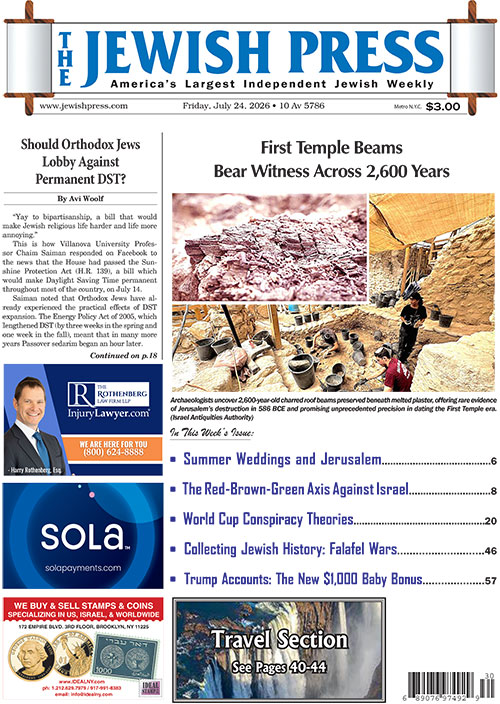 July 24, 2026