 October 9, 2026
 Categories: FirstOneThrough
Pro Israel Advocates Should Stop Using “Judea and Samaria”



Judea and Samaria
The Children of Israel came back to Canaan in the 12th century BCE. The land was allotted to the twelve tribes, in a division that was mostly stable for about 300 years.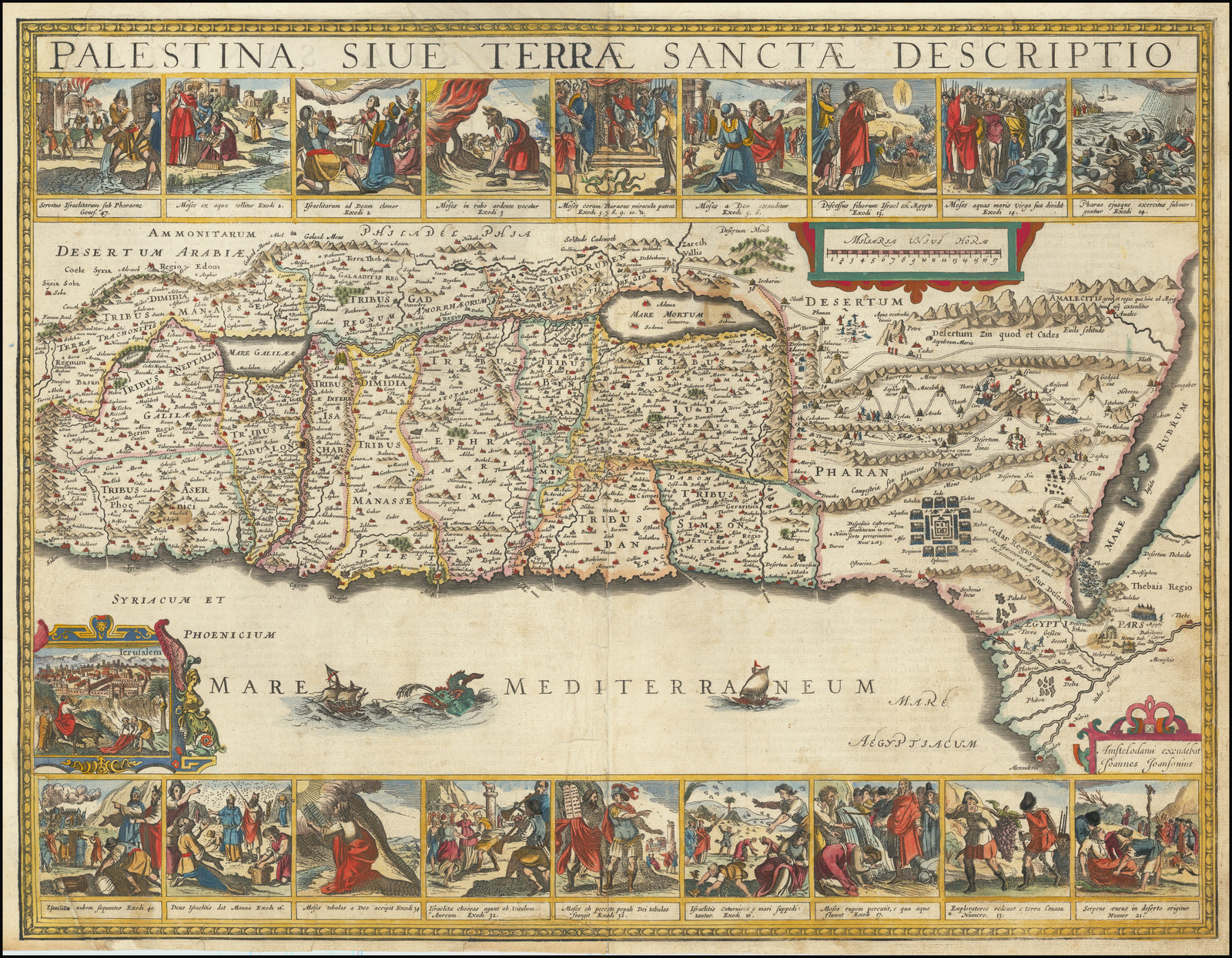
בִּשְׁנַ֨ת הַתְּשִׁעִ֜ית לְהוֹשֵׁ֗עַ לָכַ֤ד מֶֽלֶךְ־אַשּׁוּר֙ אֶת־שֹׁ֣מְר֔וֹן וַיֶּ֥גֶל אֶת־יִשְׂרָאֵ֖ל אַשּׁ֑וּרָה וַיֹּ֨שֶׁב אוֹתָ֜ם בַּחְלַ֧ח וּבְחָב֛וֹר נְהַ֥ר גּוֹזָ֖ן וְעָרֵ֥י מָדָֽי׃ {פ} In the ninth year of Hoshea, the king of Assyria captured Samaria. He deported the Israelites to Assyria and settled them in Halah, at the [River] Habor, at the River Gozan, and in the towns of Media. (2 Kings 17:6)
וַיִּתְאַנַּ֨ף יְהֹוָ֤ה מְאֹד֙ בְּיִשְׂרָאֵ֔ל וַיְסִרֵ֖ם מֵעַ֣ל פָּנָ֑יו לֹ֣א נִשְׁאַ֔ר רַ֛ק שֵׁ֥בֶט יְהוּדָ֖ה לְבַדּֽוֹ׃ The LORD was incensed at Israel and He banished them from His presence; none was left but the tribe of Judah alone. (2 Kings 17:18)
וַיָּבֵ֣א מֶֽלֶךְ־אַשּׁ֡וּר מִבָּבֶ֡ל וּ֠מִכּ֠וּתָה וּמֵעַוָּ֤א וּמֵֽחֲמָת֙ וּסְפַרְוַ֔יִם וַיֹּ֙שֶׁב֙ בְּעָרֵ֣י שֹֽׁמְר֔וֹן תַּ֖חַת בְּנֵ֣י יִשְׂרָאֵ֑ל וַיִּֽרְשׁוּ֙ אֶת־שֹׁ֣מְר֔וֹן וַיֵּֽשְׁב֖וּ בְּעָרֶֽיהָ׃ The king of Assyria brought [people] from Babylon, Cuthah, Avva, Hamath, and Sepharvaim, and he settled them in the towns of Samaria in place of the Israelites; they took possession of Samaria and dwelt in its towns. (2 Kings 17:24)
Those new Assyrians who were settled in Samaria were told to follow Jewish religious customs, but they did not:עַ֣ד הַיּ֤וֹם הַזֶּה֙ הֵ֣ם עֹשִׂ֔ים כַּמִּשְׁפָּטִ֖ים הָרִֽאשֹׁנִ֑ים אֵינָ֤ם יְרֵאִים֙ אֶת־יְהֹוָ֔ה וְאֵינָ֣ם עֹשִׂ֗ים כְּחֻקֹּתָם֙ וּכְמִשְׁפָּטָ֔ם וְכַתּוֹרָ֣ה וְכַמִּצְוָ֗ה אֲשֶׁ֨ר צִוָּ֤ה יְהֹוָה֙ אֶת־בְּנֵ֣י יַעֲקֹ֔ב אֲשֶׁר־שָׂ֥ם שְׁמ֖וֹ יִשְׂרָאֵֽל׃ To this day, they follow their former practices. They do not worship the LORD [properly]. They do not follow the laws and practices, the Teaching and Instruction that the LORD enjoined upon the descendants of Jacob—who was given the name Israel— (2 Kings 17:34)
There are many papers written by historians and archaeologists about Samaria during this time period, as there are written documents such as the Annals of Sargon II and prisms which reflect these battles, as well as a shift in types of pottery found with the population migration.
Creation of the “West Bank”
The United Nations General Assembly voted to partition the holy land into a Jewish State and an Arab State in November 1947, but the Arab countries uniformly rejected the effort. Five Arab armies invaded Israel when it declared itself a new state in May 1948, and by the end of the war in 1949, Israel secured more land than conceived under the partition plan. While the borders were not considered official under the 1949 Israel-Jordan Armistice Agreement, (“The Armistice Demarcation Lines… are agreed upon by the Parties without prejudice to future territorial settlement or boundary lines”), the Kingdom of Transjordan opted to unilaterally – and illegally – annex the region it had seized in an offensive war.
- “west bank of the river in Arab Palestine” (1951)
- “the area west of the Jordan River” (1952)
- “West Jordan” (1950, 1951, 1952, 1954, 1955, 1956, 1957, 1958)
- “the western bank” (1952)
- “Western Jordan” (1951, 1952)
- “that part of Jordan west of the Jordan River” (1956)
- “west bank of the Jordan” (1957)
- “Jordan side of the armistice demarcation line”
- “frontier villagers in Jordan”
- “the West Bank of the Jordan”
- “West Bank area of the Jordan”
- “West Bank”
Judea and Samaria Versus the “West Bank”
As reviewed above, Judea and Samaria and the West Bank are not the same. Judea and Samaria are historical names to much of the land, while the “West Bank” is a smaller, modern day creation due to an illegal act of war waged by Arab states upon Israel. When people refer to the West Bank, they are only reviewing that part of the land that has been subject to negotiation between Israel and the Palestinian Authority, as laid out in the Oslo Accords, signed by both parties. They are not considering the broader reach of all of Judea and Samaria, which includes land west of the 1949 Armistice Lines inside of Israel. If one does not like to give the term “West Bank” – an area that existed for only 18 years from 1949 to 1967 and named only upon its extinguishment – any legitimacy, then perhaps a better term would be “east of the Armistice Lines (EAL)”, to highlight that the contour of such region was created as a temporary measure to halt hostilities, was never intended to be a border, and has no historic significance.