יום רביעי, י״ב תשרי תשפ״זWednesday, September 23, 2026



Follow Us


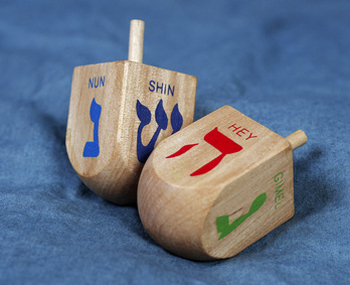
The strength and numbers of Orthodox Jews in America have never been greater, and yet those of us concerned with Judaism’s future must admit we confront a future no less frightening than the future that was evident to Hannah’s noble sons in Modi’in all those centuries ago.
Sixteen years ago, when I married my husband, I did not give much thought to whether he was Askenazi or Sefardi. Having grown up in what was then a small close-knit Jewish community, it held little importance; my concerns were focused around whether or not my bashert (intended) was Jewish according to halacha, someone who was upstanding in both ideals and actions, and a man solidly committed to a Torah lifestyle.
Question: I was taught that due to our state of mourning on Tisha B’Av, we are not allowed to learn or discuss Torah – a topic that makes us happy and weakens our mournful state. Why, then, are we allowed to read from the Torah at Shacharit and Mincha on Tisha B’Av? Also, does the halacha of not learning apply to a regular mourner as well? Menachem (Via E-Mail)

By Pnina Baim
I think if we can be honest with ourselves, most women will admit to enjoying Pesach cleaning - and perhaps to even looking forward to it all year long.
Question: Since my daughter in high school started researching the topic of shemot for her school newspaper, I have become more and more confused. Does shemot only include items, such as books and sheets of papers, with Hashem’s name on them? Or does it even include items containing Torah concepts or even just Hebrew letters? For example, how do you advise I dispose of The Jewish Press? Finally, concerning Hashem’s name, must the name be spelled out fully in Hebrew to constitute shemot? What if it is in English in abbreviated form – “G-d,” for example? Shlomo Newfield (Via E-Mail)
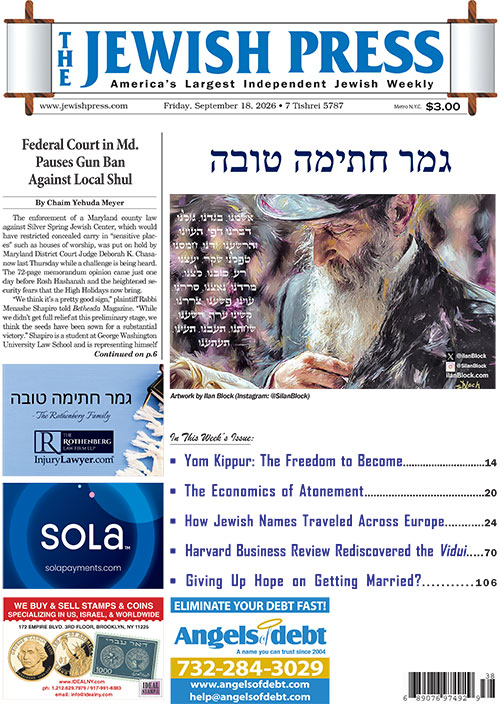 September 18, 2026