יום שלישי, י״ט אלול תשפ״וTuesday, September 1, 2026



Follow Us


For most observant Jews, the eruv is invisible. Each week we prepare for Shabbos: ready our food, conclude our mundane affairs, shower, dress and put the house keys in our pocket and check the web that the local eruv is up. Unless there has been a storm or other physical disaster, we can assume everything is okay. Just like the Shabbos calm that descends for 25 hours, the eruv operates for us in the background: essential but unnoticed.
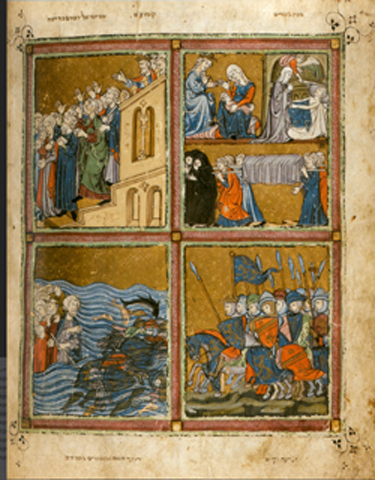
The Golden Haggadah was created in Catalonia, Spain sometime around 1320. So named because all the illustrations are placed against a patterned gold-leaf background, it is a ritual object of incredible luxury and expense. In light of Marc Michael Epstein’s analysis found in his recent book The Medieval Haggadah, this tiny masterpiece of Jewish art easily ranks among other towering works of complex narration including Giotto’s Scrovegni Chapel in Padua and Michelangelo’s Sistine ceiling in Rome.
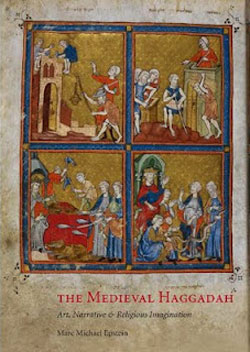
Bird’s Head Haggadah Revealed The Medieval Haggadah: Art, Narrative & Religious Imagination By Marc Michael Epstein, Yale University Press, New Haven and London 2011
 August 28, 2026