יום שישי, כ״ח תשרי תשפ״זFriday, October 9, 2026



Follow Us


By Jewish News Syndicate (JNS)
The Israeli strategic affairs minister is the first official from Israel’s new government to visit the U.S. • Israel and the U.S. agree that Iran must not acquire nuclear weapons, but have “some tactical differences,” says U.S. State Dept.

“Iran continues to hide its military nuclear activities, while lying and disregarding its international commitments,” Israel’s Foreign Ministry tweeted Monday after his statements.
By Memri The Middle East Media Research Institute
Iranian Atomic Energy Agency head Ali-Akbar Salehi: “We have activated a full IR-6 centrifuge chain”; “We have an enrichment capacity of 16,500 SWU—more than before the JCPOA.”
A little foreshadowing by PM Netanyahu on April 30, 2018.
The Obama administration's various policies have signaled to the mullahs that they ultimately have nothing to fear from Washington.
United Nations nuclear watchdogs said Thursday that Iran has installed next-generation centrifuges at the Natanz nuclear plant, and Prime Minister Binyamin Netanyahu quickly responded that it has come closer to his “red line.” The International Atomic Energy Agency (IAEA) said it saw the centrifuges earlier this month, adding that “this is the first time that […]
Only if sanctions are backed by "credible military threat" will there be a chance that Iran will peacefully halt its nuclear program, Netanyahu said.

Stop the Bomb, a European coalition which works towards the enactment of economic and political sanctions against the Iranian Islamist regime, has criticized the lack of action by the Austrian authorities.
“It’s not true that the United States and Iran have agreed to one-on-one talks or any meeting after the American elections a National Security Council spokesman Tommy Vietor said following the publication of a New York Times report saying the White House and Iran agreed to hold direct negotiations over its nuclear program after election day.
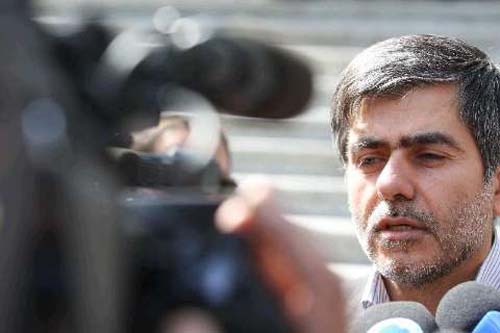
Iran's nuclear chief said the country's nuclear program had been attacked twice by elements related to the U.S. military.

Prime Minister Benjamin Netanyahu cancelled the second meeting of the security cabinet due to leaks from the meeting held yesterday about discussions onIran’s nuclear program.

Alan Dershowitz writes that President Obama must make it clear that he has rejected the view of those who are prepared to contain a nuclear Iran and that he will indeed employ military action if that is the only option other than a nuclear Iran.

By effectively making their nuclear program appear to be primarily a threat against Israel, Iran sends a message to the Europeans and the US that they are safe.

The current round of negotiations between the P5+1 and Iran will not enhance Israel’s security. Rather, they will do the opposite. They represent a strategy of appeasement rather than the use of power. What should happen is that the West should deliver a credible ultimatum to fully dismantle the program or face sharply increased sanctions — or, ultimately, military action.
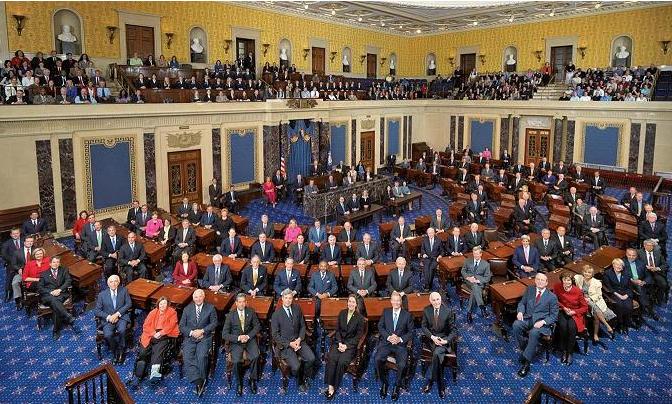
The US Senate will consider a new sanctions package against Iran on Thursday, in which oil and economic embargos will be considered in order to force Iran to abandon its nuclear development program. In the meantime, the US and Israel prepare for the possibility of a military strike on Iran.
According to Reuters, a confidential report on Iran sanctions-busting says Syria continues to receive Iranian arms shipments that violate a U.N. Security Council ban on weapons exports by Iran. The new report, by a panel of experts on monitoring sanctions, submitted to the Security Council's Iran sanctions committee, also details Iranians' efforts to circumvent sanctions […]
If you were looking for clues as to how Iran could stand up to global pressure over its nuclear program, perhaps this bit of news serves as an explanation: the semi-official Mehr news agency reports that Tehran and New Delhi have announced that they are planning to hit $25 billion in annual bilateral trade over […]
Defense Secretary Leon Panetta told the National Journal on Thursday: "If they (Israel) decided to do it, there's no question that it would have an impact, but I think it's also clear that if the United States did it, we would have a hell of a bigger impact." President Obama and US officials have been […]
Reuters reports that French Foreign Minister Alain Juppe voiced skepticism on Wednesday that resumed talks between the six world powers and Iran would succeed. He said Tehran was not sincerely willing to negotiate about the future of its nuclear program. "I am a little skeptical ... I think Iran continues to be two-faced," Juppe said […]
The deputy chief of Iran's armed forces said that Iran would take pre-emptive action against its enemies if it felt its national interests were threatened, in the latest round of sabre-rattling over its nuclear program. "Our strategy now is that if we feel our enemies want to endanger Iran's national interests, and want to decide […]
A team of UN Nuclear experts will return to Iran for the talks on February 21.
Maj.-Gen. Aviv Kochavi: "When Khamenei gives the order to produce the first nuclear weapon – it will be done, we believe, within one year."
Comments come in joint press conference with Israeli President Shimon Peres.
Iranian President: "Why should we run away from the negotiations?"
Netanyahu: Iran sanctions ineffective, peace talks frustrating.
Russia hopeful it can bring Iran to the negotiating table.
 October 9, 2026