יום שישי, י״א תמוז תשפ״וFriday, June 26, 2026



Follow Us


By JNi.Media
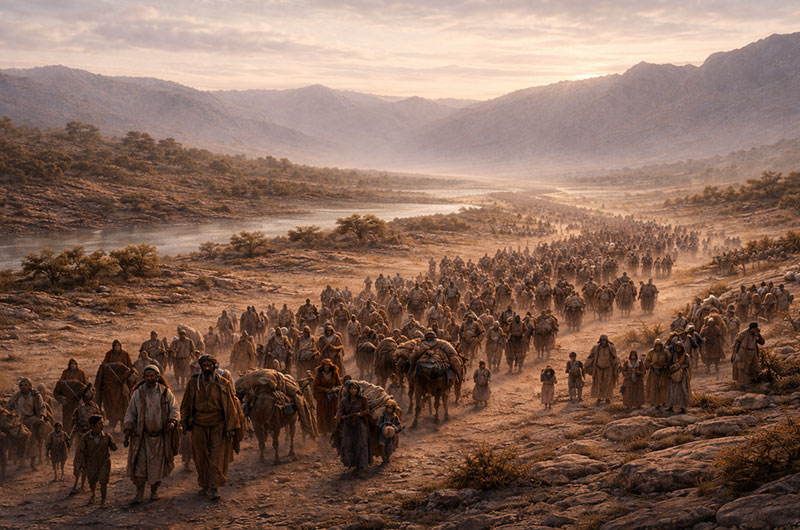
Strangely enough, the Knesset legislation known as the Aliyah Day Act 5776-2016 states that on the 7th of Cheshvan the country will celebrate the Israelites' entrance into the Land of Israel on the 10th of Nissan.
By Vera Kessler
Rebbetzin Chanie Fogelman, the co-director of Central Mass Chabad, in Worcester, Massachusetts, gives an in-depth explanation of Sukkot, Shemini Atzeret, and Simchat Torah.
By JNi.Media
Strangely enough, the Knesset legislation known as the Aliyah Day Act 5776-2016 states that on the 7th of Cheshvan the country will celebrate the Israelites' entrance into the Land of Israel on the 10th of Nissan.
The first rains of the winter season are expected on Tuesday, one day after Jews around the world begin adding to daily prayers that God "brings the wind and rain." The change is made during the prayers on Shemini Azereth, the same day that Simchat Torah is celebrated in Israel. In the Diaspora, the two […]
Question: I seem to see a lack of uniformity regarding the mitzvah of sukkah on Shemini Atzeret. What is the proper procedure to follow? Menachem Via e-mail
The start of the Jewish New Year, the month of Tishrei, is filled with holy days, among them four foundational celebrations: Rosh Hashanah, Yom Kippur, Sukkot and Simchat Torah-Shemini Atzeret.
The past is never dead. It’s not even past. – William Faulkner We Jews are a people of memories. Our past defines who we are. The past infuses our religious lives with context, purpose and meaning. How could we be if not for knowing how we were?
Question: Why do we read four special Torah sections between Purim and Pesach. Also, why do we call each of the four Shabbatot on which we read these sections by a special name – such as Shabbat Shekalim, Shabbat Zachor etc.? Celia Gluck (Via E-Mail)
 June 19, 2026