יום שני, י׳ תשרי תשפ״זMonday, September 21, 2026



Follow Us


By David Mark
A year has passed since the Litman's were murdered, and in that year I have begun to understand in a different way what our sages meant when a tzaddik is alive even in their death.
There were all kinds – litvish, chassidish, the daughters of roshei yeshiva and girls who weren’t even shomer Shabbos. Rebbetzin Kaplan took them all in
Tel Zion is in lockdown after security saw someone hop the fence into the town.
Yes, it's true, the Arabs are repeatedly attacking Rachel's Tomb to destroy it like they do Joseph's tomb and keep the Jews away, but that's not stopping Jews from visiting Mother Rachel at Fortress Rachel in Bethlehem. The 11th of MarCheshvan (yesterday) was the yahrzeit of Rachel's passing and masses of Jews are visiting. Rachel […]
By Paula Stern
Each year, tens of thousands of Jews take one of these days and go to Hebron...
By Dov Shurin
Hashem simply goes beyond the letter of the law in His love for us.
The Israeli government has announced a new step in plans to build 300 new homes in Beit El, in northern Samaria, just as U.S. Secretary of State John Kerry is trying to convince Mahmoud Abbas to return to talks if Israel slaps a freeze on building for Jews in Judea and Samaria. Reports from Israeli […]

At the age of seventeen, Yosef was wise in the ways of the Torah and in the ways of the world. He was called a “ben zikunim” because even at such a young age he showed the brilliance of an elder scholar. He had already absorbed all the Torah Yaakov had learned in the many years he had spent in the yeshiva of Shem.
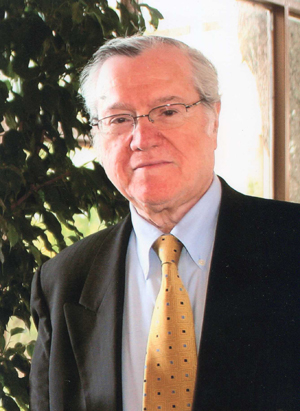
Recently I went to a shiur on Yitzchak Avinu and found that it applied in many ways to my own father whose name was Yitzchak.
When Yaakov met Rachel at the well, he experienced conflicting emotions. He felt tremendous joy at having finally met his bashert, yet he raised his voice and cried. Rashi explains that he cried because he came empty-handed. He said, “My father’s servant came with ten camels laden with gifts and finery, and I come with empty hands.”
By Tzvi Fishman
So know that I am with you. So is your mother. The whole Shabbat, she waited for the moment she could turn on the radio to learn what was happening.

Once again I must postpone the continuation of my Oct. 5 column, “Technology, Yom Kippur, Ahmadinejad,” this time due to the heavy reader response to last week’s column.
The Orthodox Union will hold its seventh Marriage Enrichment Retreat from Friday, July 13through Sunday, July 15 at the Hudson Valley Resort and Spa in Kerhonkson, New York.
In last week’s column I shared the remarkable story of hashgachah pratis that two terrific young yeshiva boys, Yedidya and Yaakov, experienced. Their story evoked an enthusiastic response. Many were motivated to reassess their own lives and discover their own hashgachah pratis.
Most people have difficulty discerning Hashem's call since His messages are usually hidden behind many veils. On occasion however, hashgachah pratis – Divine providence – is so clear and obvious that even a blind man has to see it, a deaf man has to hear it.
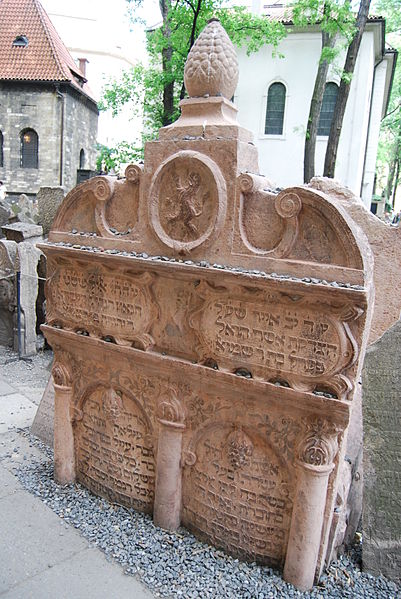
Rabi Yehuda ben Bezalel Lowe, known as the Maharal of Prague, was born in 1525, in Posen. He married Pearl, the only daughter of the wealthy and prominent Reb Shmuel ben Reb Yaakov, but not without the help an anonymous soldier.

The Lubavitcher Rebbe, Rabbi Menachem Mendel Schneerson, zt”l, notes that Yaakov Avinu’s years can be divided into three periods.
Yaakov Avinu spent the final seventeen years of his life in Mitzrayim. While there he lived in peace for the first time in many years and remained in that state for the rest of his life. Near the end of his days he called in his beloved son Yosef and made an impassioned request: “Please do not bury me in Mitzrayim.”
The opening pasuk in this week’s parshah states: “Vayechi Yaakov be’eretz Mitzrayim sheva esrei shanah… – Yaakov lived in Mitzrayim for 17 years…” The Gemara in Kiddushin 82a says that Avraham Avinu kept the entire Torah, even the mitzvos that may not have applied.
 September 18, 2026


