יום רביעי, י׳ חשוון תשפ״זWednesday, October 21, 2026



Follow Us


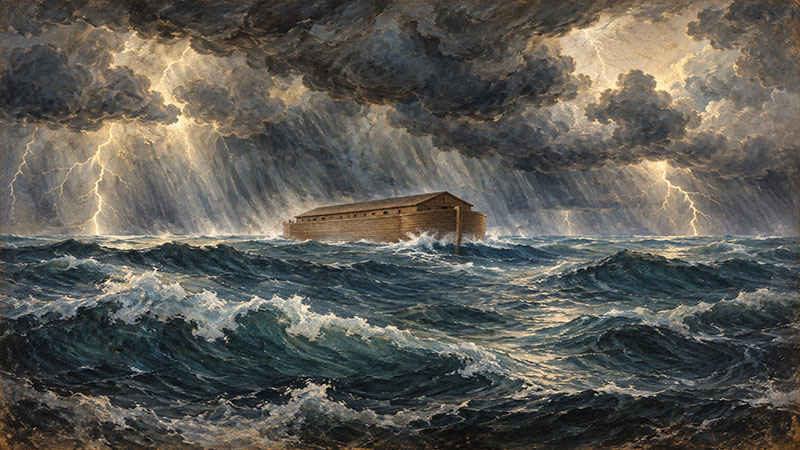
Noach expected justice. He walked in tandem with a G-d of justice, Et haElokim. If he obeyed G-d’s command not to steal, he expected to be rewarded with food to eat. That’s justice. If that bargain was broken, he felt he would be justified in stealing.

The Lev Eliyahu says that the impurity that man created in the world was so great that it even affected the animals and the vegetation. They had no choice in the matter; the impurity adhered to them and caused them involuntarily to corrupt their ways.

The Torah describes Noach as a righteous man, perfect in his generations. That description is not only about his personal character – it is about his role.

On that Simchat Torah morning, Mom had set out to bring treats to the children. And now, in her backpack, we had found a small way to finish what she had started.

We consisted of twelve tribes, each with its own identity, its own flag, and its own character. The tribes undoubtedly had different customs, perspectives, and approaches to life. Yet they were all part of one nation.
We tend to think of the generations of the Flood and the Tower of Babel as "primitive" civilizations, but the opposite is true.
Humanity is not designed to progress through large leaps – at least not as an expression of our nature.

It is interesting to note that the Hebrew word for mouse, achbar (spelled ayin, chaf, beis, reish), is the same letters as the words ra bach, meaning, “There is bad in you,” for lashon hara is the essence of bad.
When I finished davening this morning (Sunday, the first of the two days of Rosh Chodesh Marcheshvan), I got curious about how many times we say Hallel in a year like this one with the largest number of days.

The message implicit in the primacy of Rosh Hashanah and of Bereishit is that it is only through the embrace of beginnings – of renewal, of originality – that we can truly embody the G-dly form and consciousness that it is our lot to achieve.
Most of us will never be called upon to take control of an airplane cockpit. But there is much we can learn from this story about resourcefulness, alertness, and stepping outside our comfort zone.

Shabbat B’reishit is always the Shabbat M’vorchim of Marcheshvan. It is the only sedra that is always read on Shabbat M’vorchim.

And yet, we know this moment does not define David's entire life. In time, his circumstances transform completely, and he emerges from hiding to accomplish extraordinary things: composing the Psalms, waging victorious battles against Israel's enemies, unifying the fractured kingdom, and establishing Jerusalem as its center.

The very survival of the Jewish people hinges upon Shabbos observance. When a family is so assimilated that they don’t even observe Shabbos, intermarriage is sadly only a few steps away. Thus, Bereishis is also an acronym of yorei Shabbos, meaning “be ever mindful of the Shabbos.”

Why is the Torah telling us this? What difference does it make what name G-d gave them? After all, the Torah is not a vocabulary book?

He saw his brother was pained. How could he turn away from Kayin at such a time? Why didn’t he at least try to alleviate his distress?
Even though the fortunes of other nations may be determined by the stars, the fate of G-d’s holy nation is in His hands (33:3). The Jewish nation has earned His protection because they squeezed themselves around the base of Mount Sinai and accepted the yoke of G-d’s Torah (33:3).

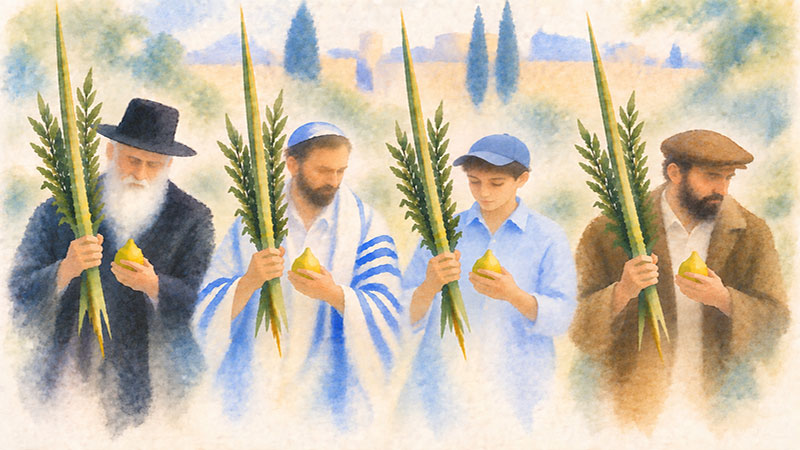
Sukkos teaches us the value of each individual. Consider this contradiction. The walls of a sukkah can be built from pieces of wood and boards that have been discarded as rubbish. Broken tree branches can be used for the schach.
The Malbim is teaching us that each person has a different capability of perception, and overstepping the limits of their perception can have disastrous results.
The Shela explained that one’s ability to draw close to Hashem and receive messages from Him is correlated to that person’s refinement of his own character to more closely resemble the Divine.
Reading Torah, learning Torah, studying Torah – even living Torah – is not the whole picture. It is the love of Hashem, who gave us the Torah and mitzvot, that completes the picture.

As I am writing this column, the appropriate greeting to offer you is G’mar Chatima Tova. But since you will be reading these words after Yom Kippur, let me use the more common greeting of G’mar Tov. And at the end of the column, I will wish you a Shabbat Shalom and a Chag Samei’ach. […]
One of the great character traits we know about Hashem is that He is “Oseh shalom bim’romav – He makes peace in the Heavens.” Hashem is described as the Great Peacemaker. Therefore, throughout our stay on earth it behooves us to pursue peace in every area of our lives...
That kind of honesty is rare and refreshing because we often do the opposite. When confronted with the questionable behavior of a great person, we instinctively search for an explanation. We find a reason why he must have been justified.
After Yom Kippur, when we have attained atonement for all our sins, we now prepare to do mitzvos that will continue to keep our heart pure.
Today, we have no understanding what true joy is. We fervently pray that HaKadosh Baruch Hu should restore us to the days of old so that we may partake in the Sukkot celebrations in the Beit HaMikdash and truly merit Zman Simchateinu, the time of our rejoicing.
"What amazes me is that there are also travelers in the middle of their journey who don’t always realize that it’s Sukkot. But the moment they see us and remember, they get excited."
When you state a person is “born that way,” it reduces moral accountability, which, for whatever reason, is a trend today that is highly destructive.

For those who have climbed the ladder of spirituality and find themselves closer in devotion to heaven than to earth, the harsh word Va’adabera is not an alienating phrase. That the good life as we know it can devolve into a life of misery, if we ignore the Torah, is a fact not a threat.

The Torah is poetically called a shira, a song. In the context of the mitzva to write a Sefer Torah, the word shira refers to the whole Torah.
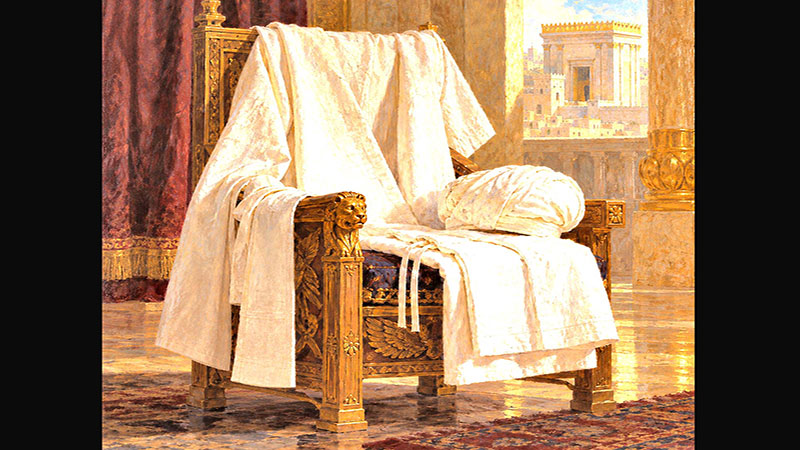
Rav Moshe Cordovero (RaMaK), in his commentary on the Yom Kippur service, associates the two sets of garments – each comprising four pieces – with the four-letter Divine Name.
After a person has already fallen into sin how does he rectify it? How does he become meritorious? We all seek the antidote that will cleanse us from our sins and transgressions.

While teshuvah is important throughout the year, at no time is it as urgent and as effective as during the Ten Days of Repentance, for currently, Hashem stretches out His Hand, welcoming our overtures of repentance.

The shofar does not frighten – it awakens. It reminds us that leadership is not about certainty. It is about curiosity.
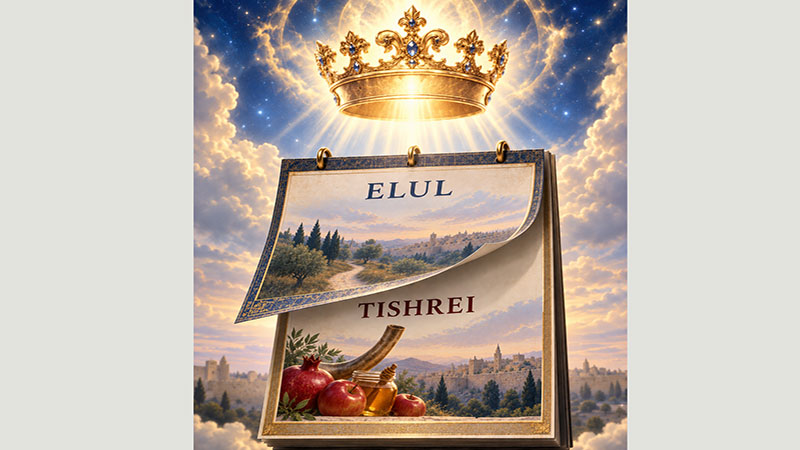
The fundamental premise of Rosh Hashanah derives from the idea that time is only demarcated when a temporal consciousness – that is, we as human beings – becomes aware of it.
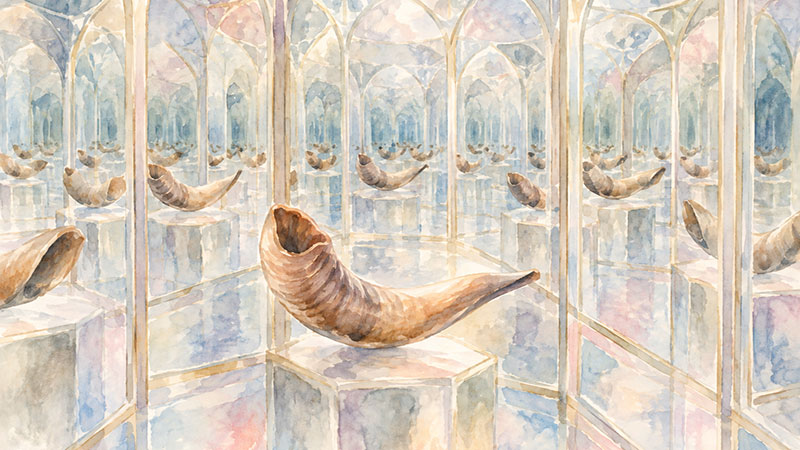
We need to understand why Chazal made this g’zeira (decree) and how they are allowed to ban shofar and lulav on the days that the Torah says to do those mitzvot.

Man is only obligated to take the first step toward doing teshuvah, and he will then merit Divine assistance to achieve his objective.
We live our lives from year to year and (hopefully) incrementally improve ourselves from the previous year.
I had just given an entire talk filled with ideas for Rosh Hashanah – about the media, social networks, self-improvement – and somehow I had failed to explain the most basic thing of all.

Another important consideration is that, at this time of the year, we approach Hashem with a posture of brokenness and humility, knowing full well the litany of vices and shortcomings that we have tallied during the previous year.

Each day we wake up to a new creation because never mind how many times we have studied the same Torah, Mishna or Talmud, it is always new. We always see something in it we never noticed before.
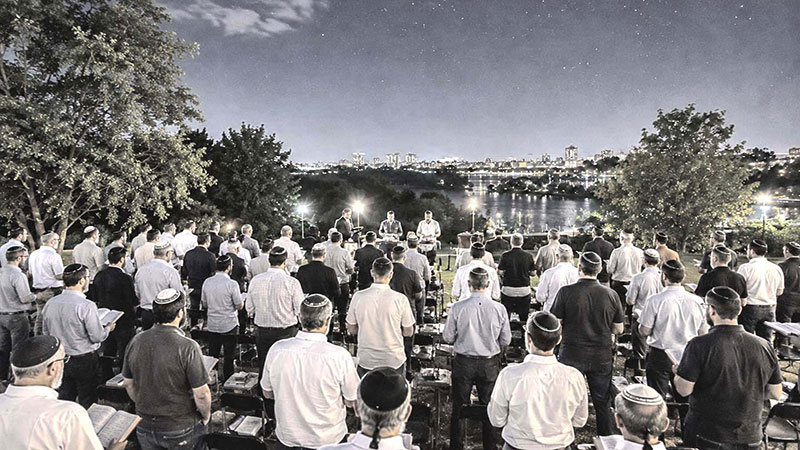
Our knowing the workings of the Calendar – both when we have a Sanhedrin and when we don’t – shows an appreciation to HaKadosh Baruch Hu for the gift He gave Am Yisrael right at the birth of the nation.

When we shift our focus away from the mundane and from the experience of pain or fear that accompanies our own defects and precedes our repentance, we come to know, above all, that everything is a manifestation of this Divine mercy.

There was less need, and perhaps less opportunity, for us to build the structures of collective responsibility that ordinary national life requires.
Even children raised on cell phones and computer screens are thrilled by the experience of hearing – and sometimes even blowing – a real shofar, or shaking an actual lulav.
The mechanism of our world is a combination of nature and man, a partnership. Nature was created for man, but in order for nature to function, man must pray to HaKadosh Baruch Hu.
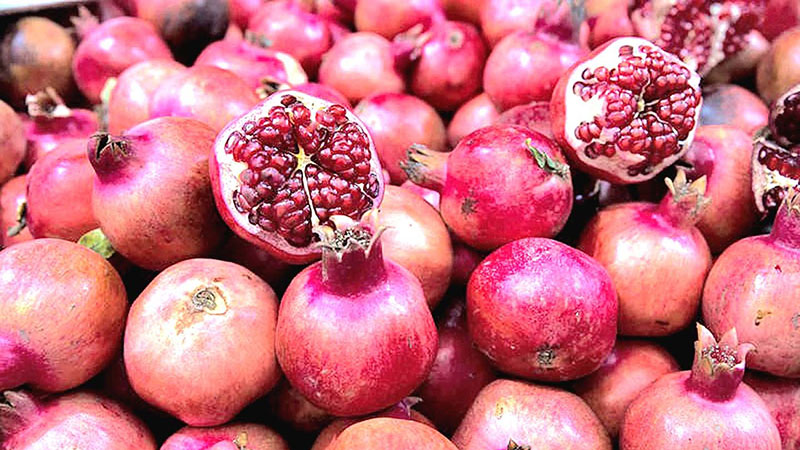
The Torah tells us (Devarim 14:1),“You are children of Hashem,” and the Mishna in Avos (3:14) states, “Beloved are the people of Israel for they are described as children of Hashem.” This statement does not refer only to the nation as a whole; rather, every Jew is a beloved son, endeared to Hashem.
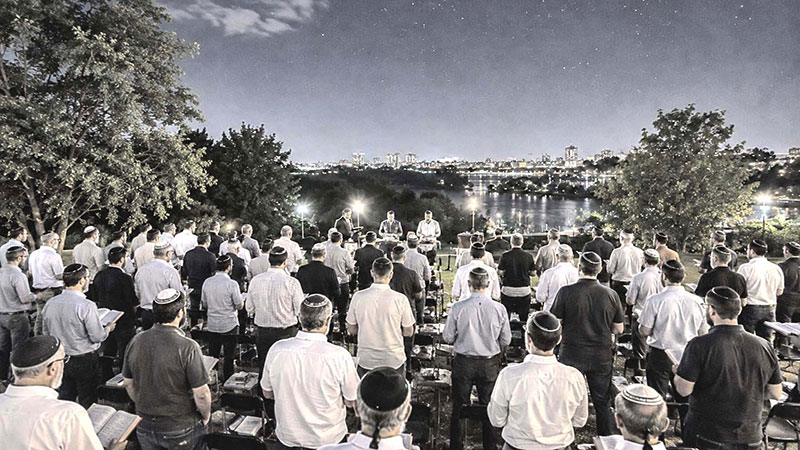
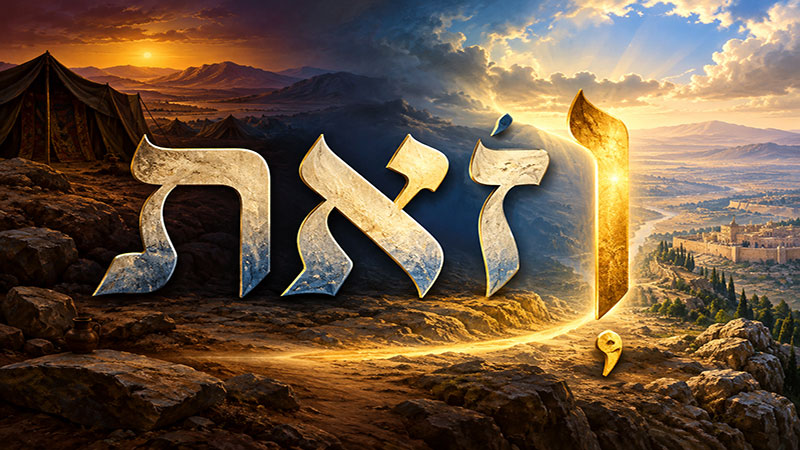
When there is no Shabbat between Yom Kippur and Sukkot, then Ha’azinu is Shabbat Shuva and the previous week is Nitzavim-Vayeilech combined.
The Torah tells us, “And the two of them walked together.” Abraham and Isaac shared the same path, though each carried a different burden. So, it is with the families of Israel.
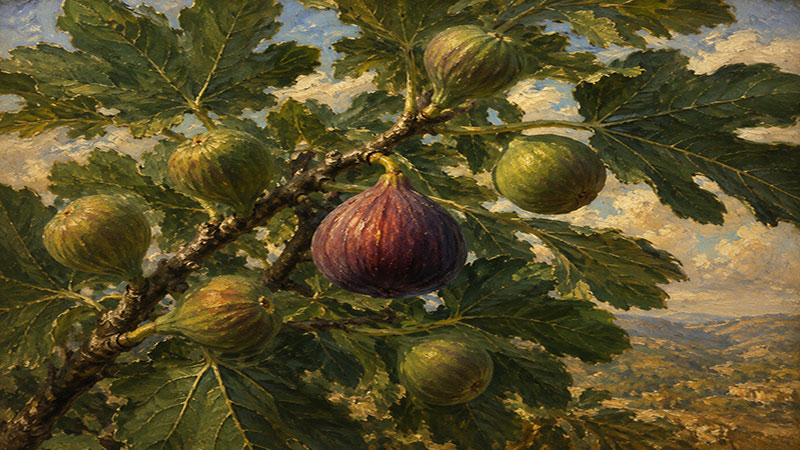
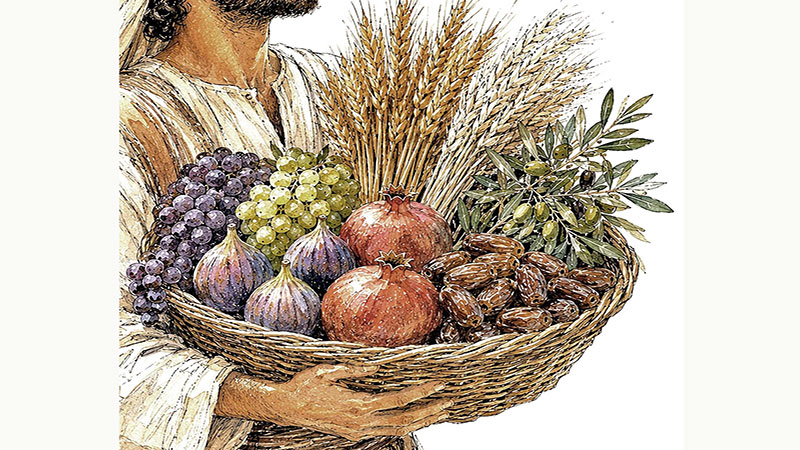
It is all about giving. G-d is giving you the land and you are giving Him its first fruits. That sets the tone of life, the purpose of creation.

The bikkurim ritual is so central to Jewish spirituality, and the Sages were so concerned about it losing its flavor in exile, that they wrote it into the liturgy of the Pesach Seder.
G-d has repeatedly told us in the Torah what He wants of us. What He requires of us. And that should be enough for us to comply. But obviously, it isn’t enough.
Last week, quite literally, a lost brother came home, to be buried in the soil of the Land of Israel. That moving commitment to those who are missing should shape the way we approach every area of life.

A genuine self-assessment cannot focus only on our failures. It must also acknowledge our strengths, our accomplishments, and the obligations we have successfully fulfilled.

In order to merit blessings, our Sages encourage us to pray and to give tzedakah.
The Hebrew alphabet comprises 22 letters. Kabbalistic sources say that half the letters (aleph-caf) belong to the lower world and the other half (lamed-tav) to the upper world.

Our work is cut out for us. We must first identify what our daily challenges are and then begin our fight against them. When Hashem sees that, He will come to our rescue and help us finish the job. But it’s not so easy to recognize what we are doing wrong.
When we devote our time to what is meaningful and worthwhile, we add life to our lives. We bring the time we have been given to life.

Just as Hashem promised never to destroy the world with another flood, so He promised never again to exile Israel after He has returned them.
Wheat has the potential for both types of bread – kosher and treif! It all depends on how you use the wheat!
The mitzvot in Ki Teitzei encompass all categories of mitzvot – those between the Jew and Hashem, interpersonal mitzvot, those related to the Land of Israel, universal mitzvot, positive commands, prohibitions...
Each Rosh Hashanah we beseech G-d to show us clemency and not throw the book at us. We will be in a much better position to ask for this treatment from G-d, if we did not throw the book at others.
Did the serpent kill, or did the serpent preserve life? The explanation is given that when the Jewish people looked upward and subjected themselves to their Father in Heaven, they were healed, but if not, they died.

As Yehudim, we are expected to express gratitude to Hashem for the extras that we have.

It will rain in Israel only if we acknowledge the source of rain, like Adam HaRishon who understood that he had to pray for rain before it would come down (Rashi, Bereishis 2:6). The price we pay for rain is adherence to justice.
First and foremost, this is a command to establish a functioning system of courts and law enforcement. But the verse also speaks to each of us personally. Every one of us needs to appoint our own “judges and officers,” to develop a system of self-awareness and self-scrutiny.

Israel never left Hashem or His Torah in spite of all the efforts of the nations to sway us, and we never worshipped foreign gods. Hashem has been leading His flock among the flowers, never wavering in His devotion and only waiting for our return.
It is our duty as we hear the shofar every morning in Elul to remember our great Patriarch Avraham, who was so attached to Hashem that he was ready even to give up his precious child for the love of his Creator.
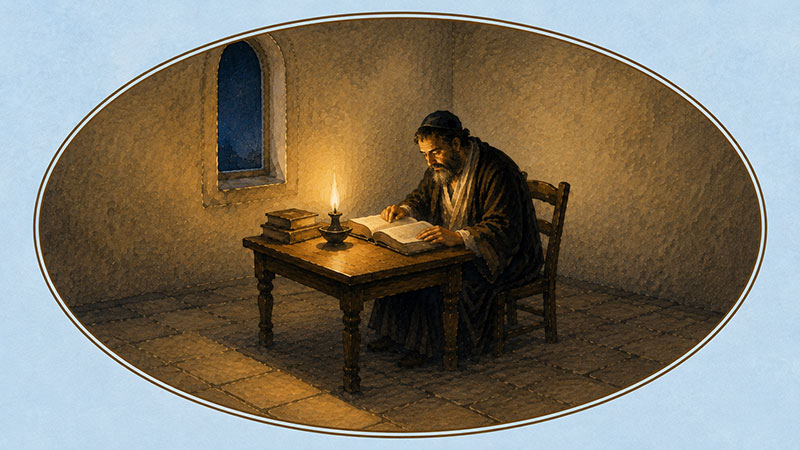
If one is humble – one of the fundamentals of Torah learning – and understands the greatness of our Sages, their decrees and mandates, he will avoid distress and misfortune.
The essence of sin is thinking we are "smarter" than HaKadosh Baruch Hu, that our logic and knowledge take precedence over what HaKadosh Baruch Hu tells us.
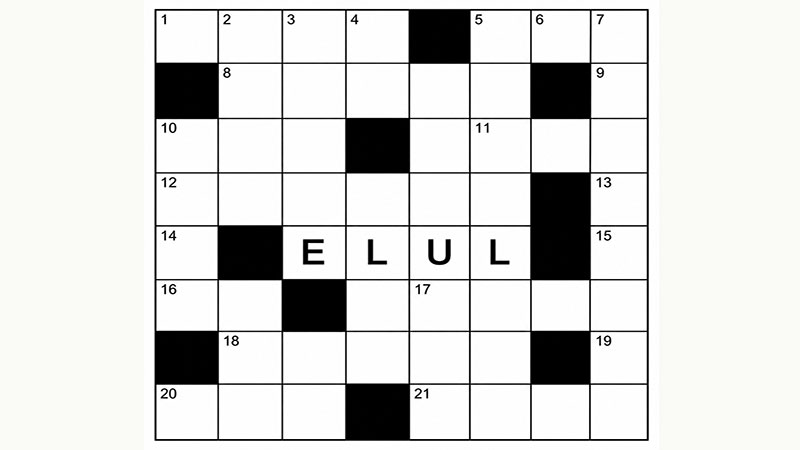
Do you know the difference between an acronym and an initialism? Both consist of the first letters of a phrase, but there is a difference in the way we say them.
Against every law of history, the Jewish nation has returned to its homeland.
Moshe urges those who will have the privilege of entering the Land of Israel to understand that this is no ordinary place. It is precious and sacred, and we must live here accordingly.

As I am sure most readers know, when we bentch Rosh Chodesh, the molad of the coming month is announced. But how does that work?

Concentration would include having thoughts like thinking back to the Exodus when we don our tefillin, because that was the very first time we wore our tefillin, having made them from the hides of the korban pesach.

Good and bad do not emanate from G-d. Man is given the choice to do good or bad. The caveat is that what seems good may actually be bad, and that which seems painful may actually be favorable.
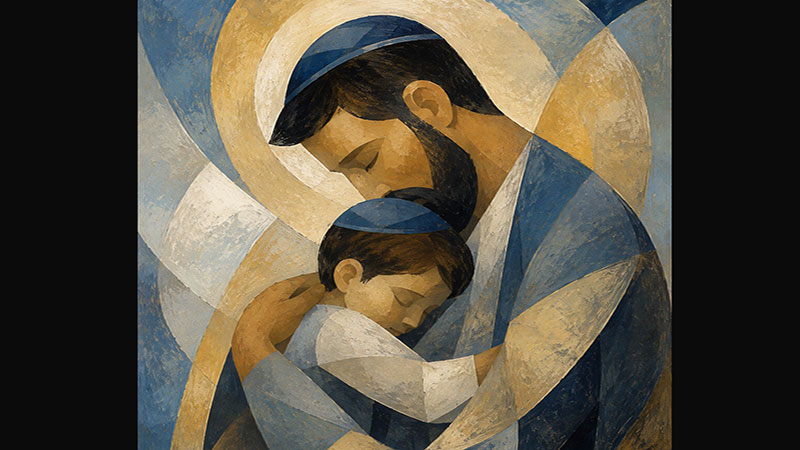
The Aish Kodesh pointed out that when we endure the adversity that is meant to impel us to improve ourselves, because we know that everything is from Hashem, we eagerly anticipate the end of our suffering.
The Rambam lists the numerous stages a person has to elevate themselves in order to attain the level of prophecy. It is quite clear that Bilaam never ascended to those levels, quite the opposite.
When we pray for Hashem’s return with the coming of Moshiach, the rebuilding of His House, the Beis HaMikdash, the restoration of His monarchy, the Malchus Beis Dovid, that is the ultimate ani l’Dodi, I am for My Beloved, for that is for Hashem Himself.
Gvura is associated with the masculine and chesed with the feminine. The male characteristic of gvura is typified by physical strength, ambition, wisdom, etc. The female characteristic of chesed is typified by kindness, gentleness, sensitivity, etc.
We talked about Rebbe Nachman’s Stories, in which there is always something lost that must be found. Noam, too, set out on horseback in search of something precious that had been lost – and he found it.
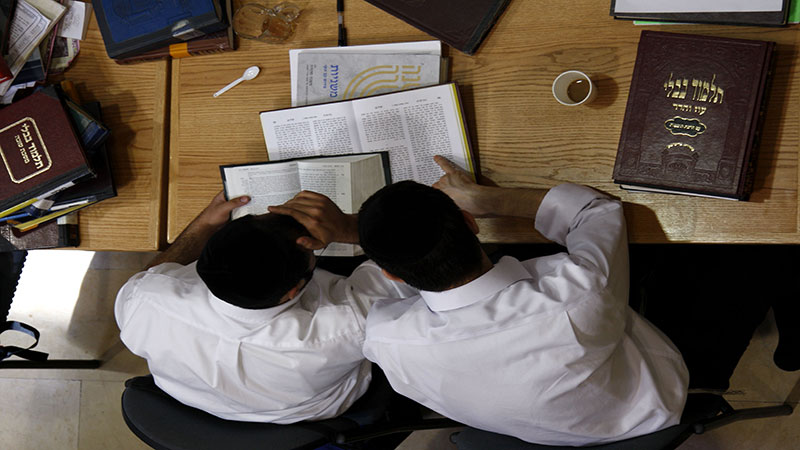
The Jewish people have survived exiles, expulsions, inquisitions, pogroms, and the horrors of the Holocaust, not because we possessed great armies or vast empires, but because the Kol of Torah never ceased.

As we emerge into independence and sovereignty, we are confronted with the enormity of our shortcomings and of the offenses we committed against the Divine Will which led to – and extended – our exile.

Rabbi Wein used to say that the benefit of history is that we should learn how not to make the same mistakes over and over again.

We find that the mitzvos between man and his fellow man and the mitzvos between man and Hashem are side by side on the Luchos, to demonstrate that they are equally important.
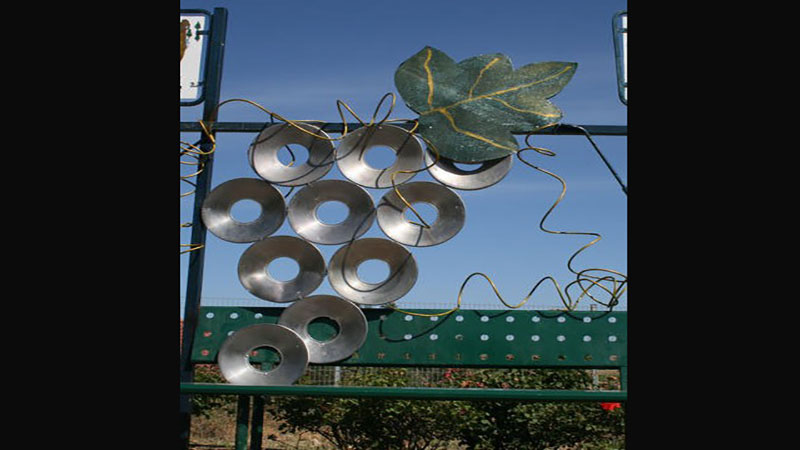
One who lives in Israel should have the additional intent (kavana) for the mitzva of living in Eretz Yisrael when reciting the second bracha of Birkat HaMazon.
We need not only a symbol of looking back, but also a symbol of looking forward.
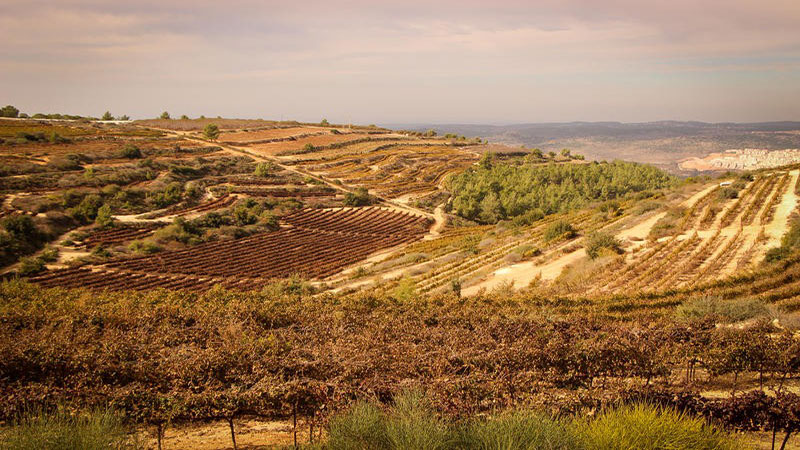
It is precisely when we achieve great wealth and bounty that we are most tempted to forget that we owe everything to Hashem.
“And in Jerusalem you shall be comforted.” Jerusalem itself offers comfort. It does not erase the pain or the challenges, but it gives them meaning.
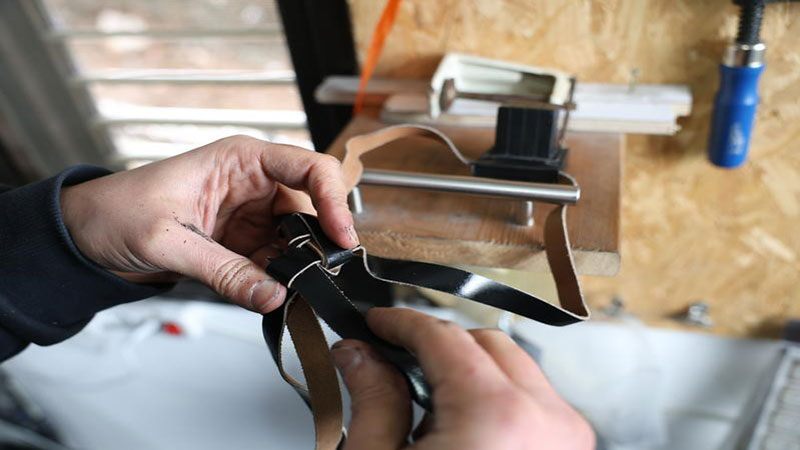
The knot of G-d’s tefillin symbolizes the permanent tie between G-d and His people.
This is our job as parents: To make memories for our children. We never know when we will hit a home run and a particular memory will impact a lifetime.
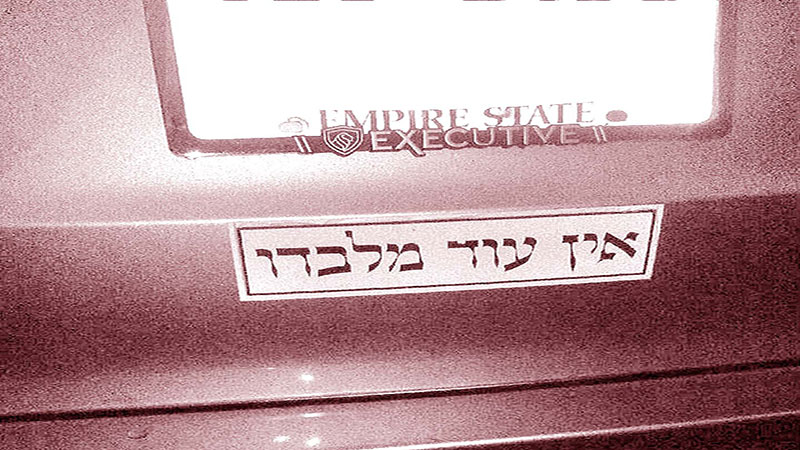
When a person lives and breathes with the belief that there is none other besides Hashem, then there is no power in the world that can cause him harm if it is not the will of Hashem.

A mitzva that occurs just once in the Torah will obviously be counted from that one point. But what about a mitzva that occurs more than once?

Now the time was ripe to draw their attention to their shortcomings. That was the only way he could prepare them for the laws of Bein Adam Lechavero, the laws of social interaction, that he was about to lay out before them (1:8).

Ramban acknowledges the practice, but he doesn’t concur that it is necessarily a bad thing. In fact, he states that the idea of escalating difficult matters to higher courts is a praiseworthy practice which confers honor on the law.
“Seventy-five years have passed since our parents founded this kibbutz, and this week, for the first time, a synagogue was inaugurated here. We decided that we are coming back, but that we also want to come back stronger.”
G-d, who is all-seeing, all-knowing, doesn't know where Adam is hiding? Rashi (ibid.) says obviously G-d knew where Adam was, but He did not want to startle and frighten him.
The parsha explains that the contribution achieves kaparah – atonement for sins.
It is completely incorrect behavior for children to have an attitude of, “Why does our parent need to get remarried. After all, he has all of us. And the memories should be sufficient.”
 October 16, 2026