יום שישי, ה׳ חשוון תשפ״זFriday, October 16, 2026



Follow Us


Phil Chernofsky was the founding editor of the popular weekly Torah Tidbits, published by the OU Israel Center, where he served as educational director for 38 years. He now maintains PhiloTorah (philotorah.co) and gives Zoom shiurim. Before his aliyah in 1981, Phil taught limudei kodesh, math, science, and computers. He can be reached at philch@013.net.
Read More
When I finished davening this morning (Sunday, the first of the two days of Rosh Chodesh Marcheshvan), I got curious about how many times we say Hallel in a year like this one with the largest number of days.

Shabbat B’reishit is always the Shabbat M’vorchim of Marcheshvan. It is the only sedra that is always read on Shabbat M’vorchim.
Reading Torah, learning Torah, studying Torah – even living Torah – is not the whole picture. It is the love of Hashem, who gave us the Torah and mitzvot, that completes the picture.

As I am writing this column, the appropriate greeting to offer you is G’mar Chatima Tova. But since you will be reading these words after Yom Kippur, let me use the more common greeting of G’mar Tov. And at the end of the column, I will wish you a Shabbat Shalom and a Chag Samei’ach. […]

The Torah is poetically called a shira, a song. In the context of the mitzva to write a Sefer Torah, the word shira refers to the whole Torah.
We need to understand why Chazal made this g’zeira (decree) and how they are allowed to ban shofar and lulav on the days that the Torah says to do those mitzvot.
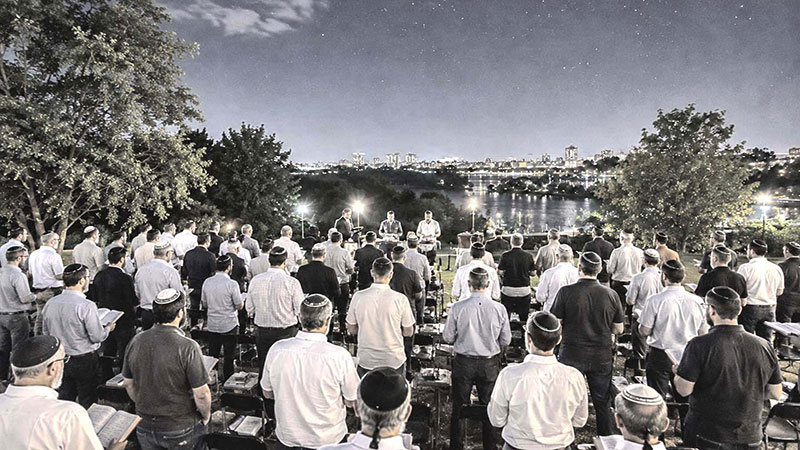
Our knowing the workings of the Calendar – both when we have a Sanhedrin and when we don’t – shows an appreciation to HaKadosh Baruch Hu for the gift He gave Am Yisrael right at the birth of the nation.
When there is no Shabbat between Yom Kippur and Sukkot, then Ha’azinu is Shabbat Shuva and the previous week is Nitzavim-Vayeilech combined.
G-d has repeatedly told us in the Torah what He wants of us. What He requires of us. And that should be enough for us to comply. But obviously, it isn’t enough.
The mitzvot in Ki Teitzei encompass all categories of mitzvot – those between the Jew and Hashem, interpersonal mitzvot, those related to the Land of Israel, universal mitzvot, positive commands, prohibitions...
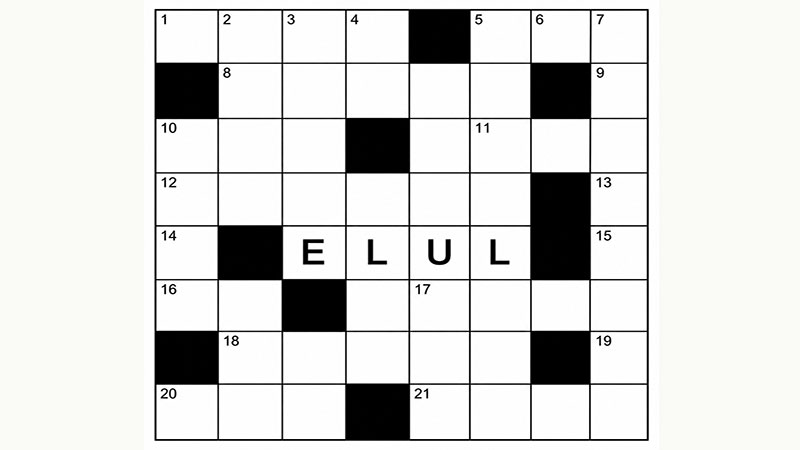
Do you know the difference between an acronym and an initialism? Both consist of the first letters of a phrase, but there is a difference in the way we say them.

As I am sure most readers know, when we bentch Rosh Chodesh, the molad of the coming month is announced. But how does that work?
We will bentch Rosh Chodesh this Shabbat and announce the coming month – Rosh Chodesh Elul yihyeh machar b’yom Rishon uvyom Sheini…
One who lives in Israel should have the additional intent (kavana) for the mitzva of living in Eretz Yisrael when reciting the second bracha of Birkat HaMazon.

A mitzva that occurs just once in the Torah will obviously be counted from that one point. But what about a mitzva that occurs more than once?

We sometimes forget that what is recorded in the Torah is not just telling us what happened way back.

They are combined almost 90% of years in Chutz LaAretz, and almost 80% of years in Eretz Yisrael. This year, Matot-Mas’ei (M&M) are combined all over the world.

Parshat Pinchas contains six of the 613 mitzvot, all positive; it is one of only six sedras that have only positive mitzvot.

Let me summarize the out-of-sync sedra situation (again). Out of the seven pairs of sedras that are sometimes read separately and sometimes combined, three of the pairs serve to bring Israel and Chutz LaAretz back into sync.

Say “Tamuz” to someone and the immediate association is Shiv’a Asar b’Tamuz, the beginning of the Three Weeks and a period of mourning. Not wrong, but not the whole picture.
And what about the Rosh Chodesh we announce this Shabbat? It is always two days in our fixed calendar because Sivan always has 30 days.

Let me make it clear that G-d does not get angry, nor does He have any other human emotion. However, the Torah speaks in language we can relate to. The Torah anthropomorphizes G-d so that we can understand things better.
Parshiyot come in two flavors: p’tuchot and s’tumot, open and closed. A parsha p’tucha begins on its own line, with a blank space on the line above from the end of the previous parsha to the end of the line. A parsha s’tuma begins after a blank space on the same line on which the previous parsha ended.
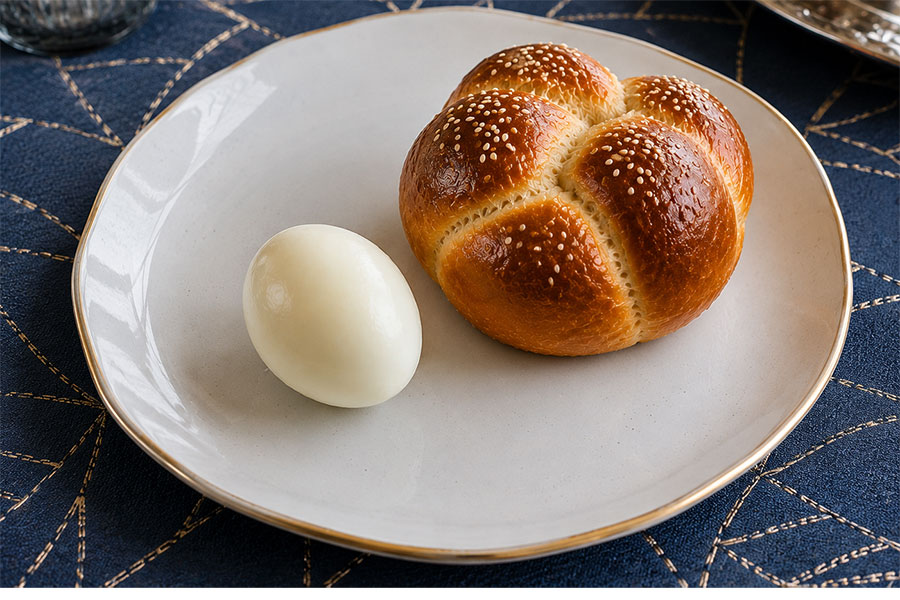
The point is that an Eiruv (any of the three kinds) cannot and does not permit something that is forbidden by Torah Law. It redefines a situation so that which was technically forbidden turns out not to be forbidden.
To put our calendar into perspective: We, the People of Israel, left Egypt on Pesach. We miraculously crossed the sea on the last day of Pesach. We arrived at Har Sinai on Rosh Chodesh Sivan. Before we even got there, we were blessed with miraculous a water supply, food from Heaven, and a military victory (not complete) against Amalek.
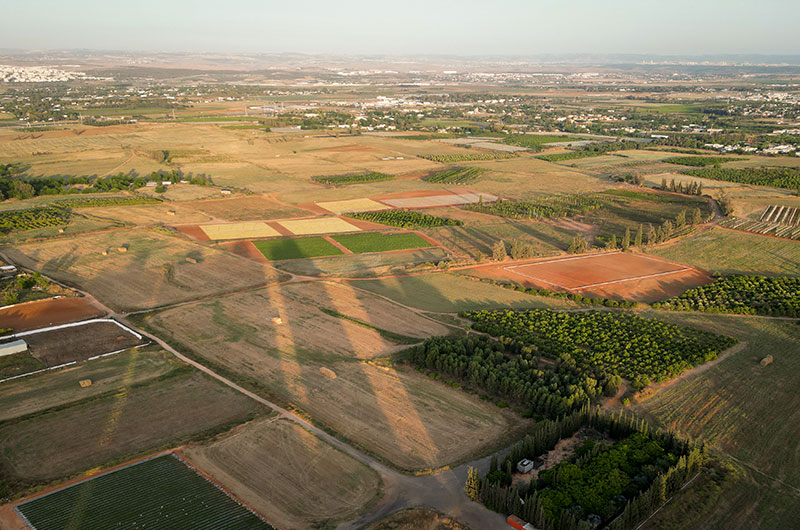
What does the Land of Israel have to do with Har Sinai? Indeed, it has everything to do with it. Many Jews today know that connection well. And sadly, many don’t.
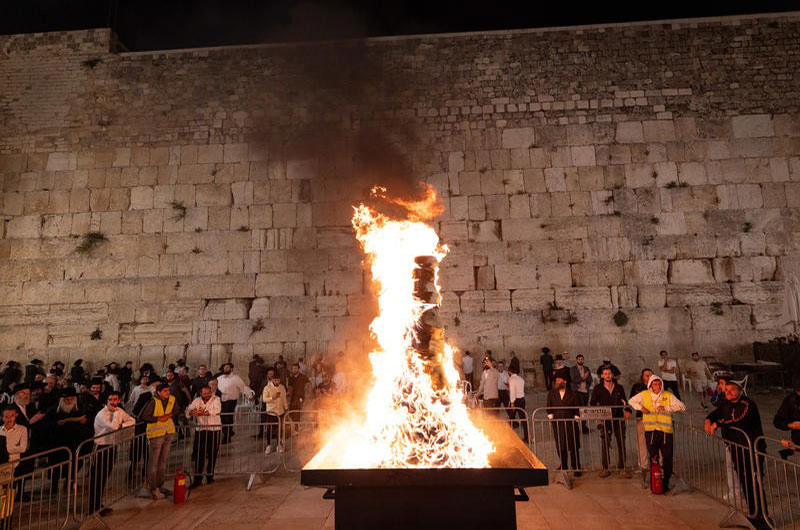
Pesach Sheni is counterintuitive because the Korban Pesach is very much a time-related mitzvah. And actually, it is not considered a make-up for the Korban Pesach. That Korban is brought only in the afternoon of the 14th of Nissan. Pesach Sheni is its own mitzvah.

G-d never said that great moments of Jewish redemption would only be brought about by tzaddikim. The State of Israel is not the realization of The Dream. But it is a major step towards the Complete Redemption.
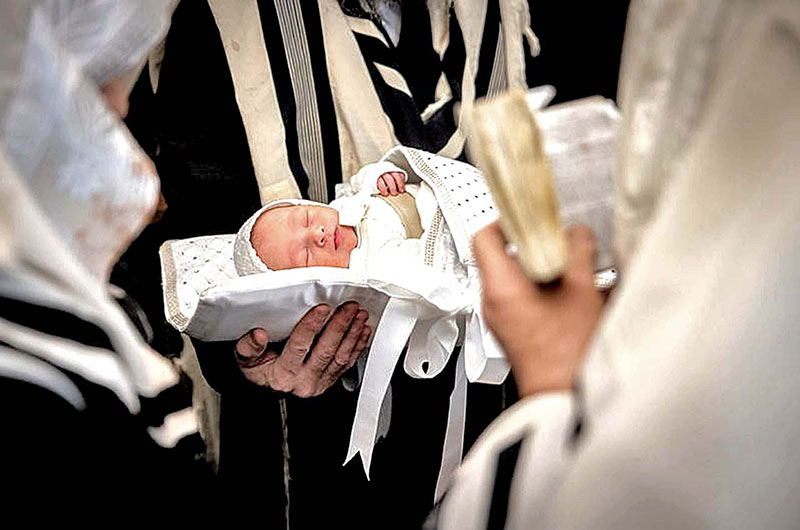
Brit and mila are not synonyms. They each point to a different aspect of what is supposed to happen on the baby boy’s eighth day.

Some say that even if we are not talking about the rav of a shul, just someone who is the baal t’fila for Maariv in a shul where it is the baal t’fila who leads the count, and the chazan in question skipped a day, he would be able to count with a b’racha to avoid being embarrassed.
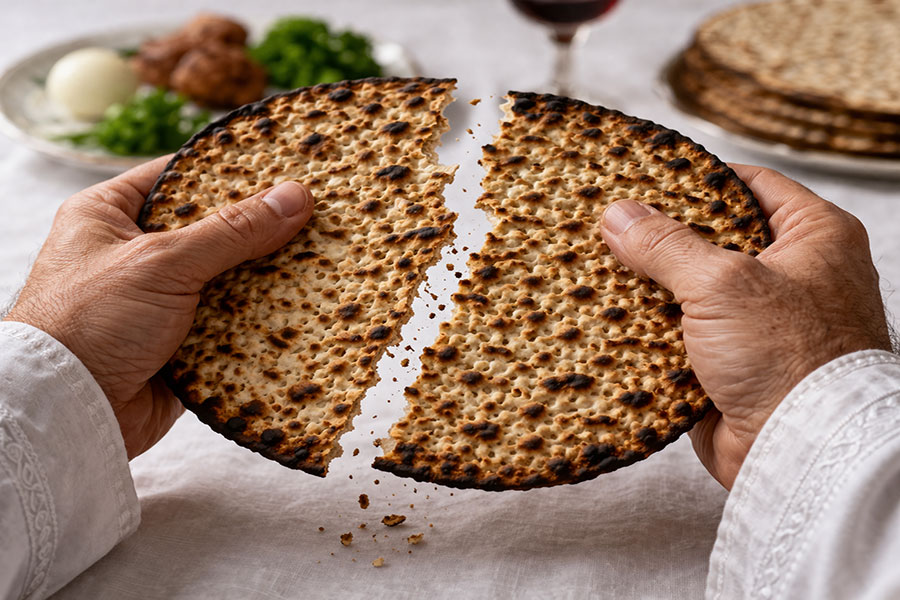
Most people, I would guess, know any of several reasons for Karpas. And for dipping the karpas in salt water. There are many reasons.

A takeaway from Parshat Tzav is the requirement that the fire on the Mizbei’ach never be extinguished or allowed to go out. This mitzvah is one of the reasons for a ner tamid in shuls.
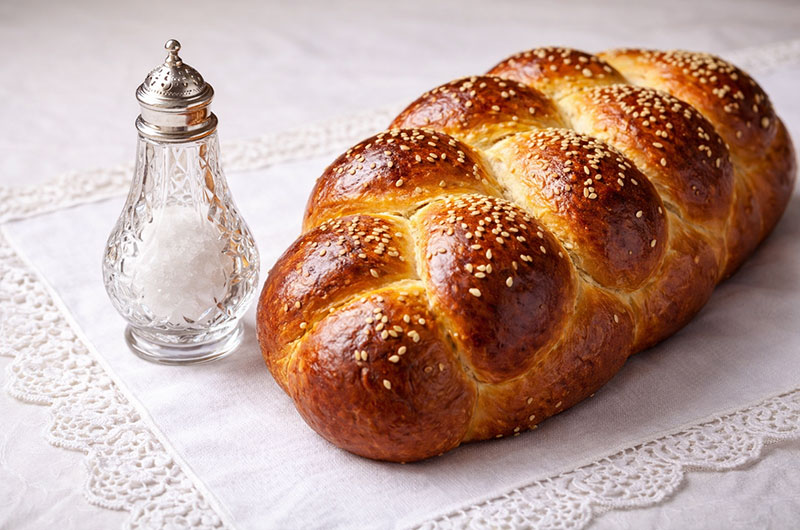
Vayikra the Book has the most mitzvot of the five Chumashim – 247, which is 40% of the Torah’s 613 mitzvot. On the other hand, Vayikra is the shortest Book of the Torah, by far – in columns, lines, p’sukim, words, and letters, making its mitzvah-stats all the more impressive.
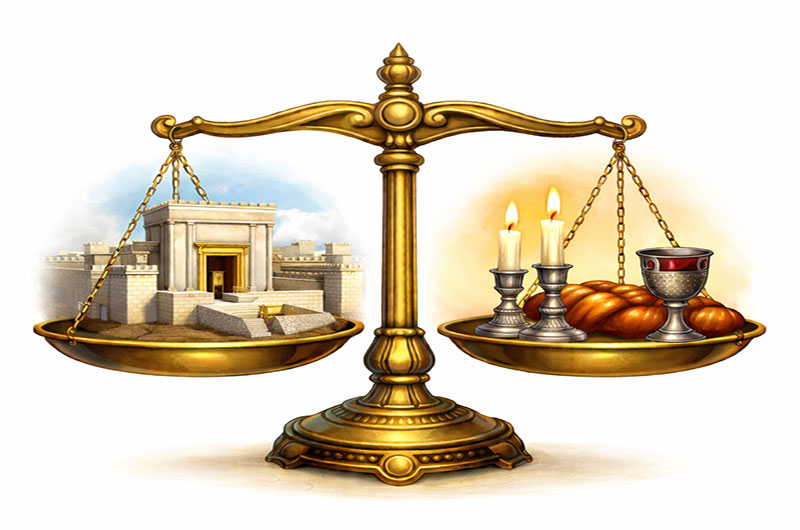
Shabbat is the original demonstration of k’dushat z’man, the sanctity of time. Mikdash is the prime example of k’dushat makom, the sanctity of place.

When Ki Tisa and Para are read on the same Shabbat, there is a significant connection between them.
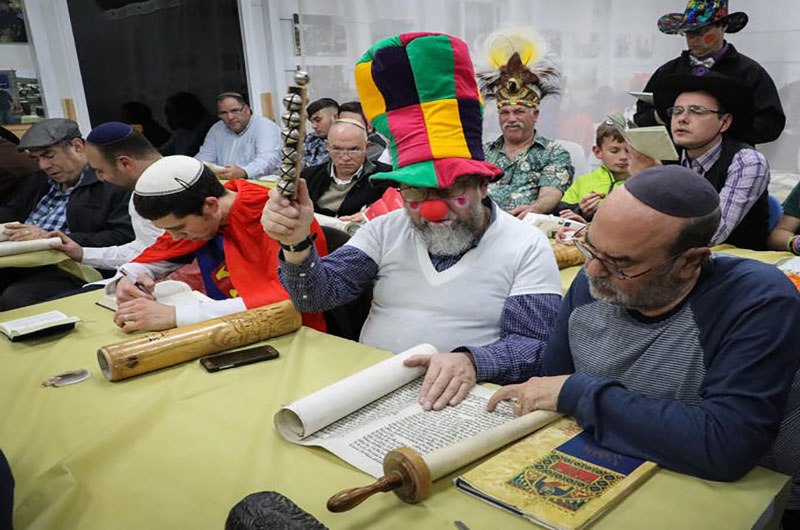
Our Sages wanted to make the connection between Amalek and Haman – who not only descended from Amalek but behaved in the particular style of Amalek in his desire and efforts to wipe out every man, woman, and child, the people of Mordechai.

The message of the Aron’s inclusion of three half-measures is that on its own, it is incomplete. We, the Jewish People partner with it (so to speak) and become whole.
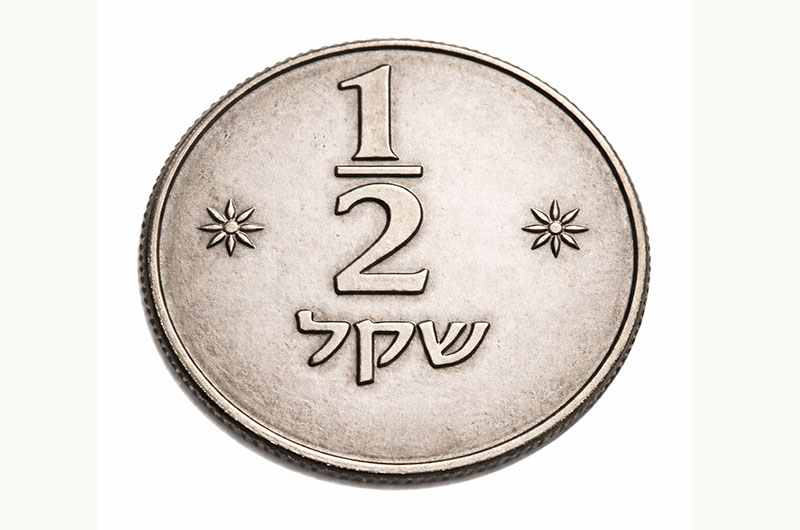
Mishpatim-Sh’kalim-M’vorchim occurs in five of the seven Shana P’shuta year-types, with a frequency of 55.53% – by far, the most common situation for Parshat Mishpatim and Parshat Sh’kalim.

Let me break down the sedra into neat sections. We start with Yitro himself, identified as a Midianite priest and father-in-law of Moshe (a very odd combination of titles), coming to join Moshe and Bnei Yisrael. When did he come? What did he hear that motivated him to join our nation?

Most Torah scrolls today have 245 columns with 42 lines on each column. The first letter at the top of each column is a Vav (this is not a requirement, but is a common style of Sifrei Torah), with the exception of five columns.

The mitzvah is to create a Jewish Calendar which is based on sanctifying each month by Sanhedrin’s declaration of kedusha of the first day of each month, and the periodic decision of Sanhedrin to intercalate the year (with an extra Adar) in order to adjust the years so that Pesach will always be in the spring season (and Sukkot in the fall).

The idea is not necessarily to add cups at the Seder, nor to take the focus off the Exodus and that special night – but to flesh out the significance of what happened at Har Sinai.
Whereas B’reishit is far from the average among the Five Books – size at one extreme and mitzvot at the other – Sh’mot is very close to average among the Chumashim.

With Sefer Bereishit concluding with Yosef’s death at age 110, we find that the Book’s timeline spans the first 2,309 years of the world’s existence.
Since Mikeitz is Shabbat Chanukah 90% of the time, Vayigash is the Shabbat right after Chanukah 90% of the time. But, since we read the first aliyah of Vayigash at Mincha on the Shabbat when we read Mikeitz, that means that the first part of Vayigash is actually read on Chanukah 90% of the time.
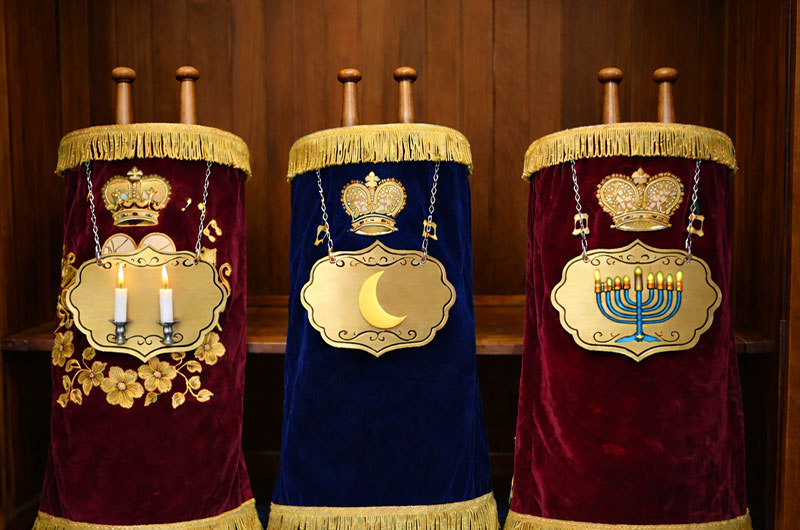
Do any years have more than one Three-Torah Shabbat? Yes. In Eretz Yisrael, Shabbat Simchat Torah and Shekalim falling on Rosh Chodesh – possible in only one year-type – occurs 4.33% of the time. But no for Chu”L.

Looking at it differently, Shabbat Mevorchim is before Chanukah about 40% of the time and on Shabbat Chanukah (with one sedra or the other), 60% of the time.
There are different methods of calculating numeric value. One such method is called AL-BAM, in which alef corresponds to lamed, bet to mem, gimel to nun, and so on. AL-BAM gematria is based on taking the first 11 letters of the alef-bet and matching them with the second set of 11 letters. The values that result are: Alef = 30, Bet = 40, Gimel = 50, Dalet = 60... Lamed = 1, Mem = 2, Nun = 3, Samach = 4... and so on.
All told, Vayeitzei is the third largest sedra (of 12) in Bereishit. Yet it has none of the 613 mitzvot.
We weren’t even out of Egypt yet when G-d made us partners with Him in the matter of kedushat z’man, the sanctity of time.
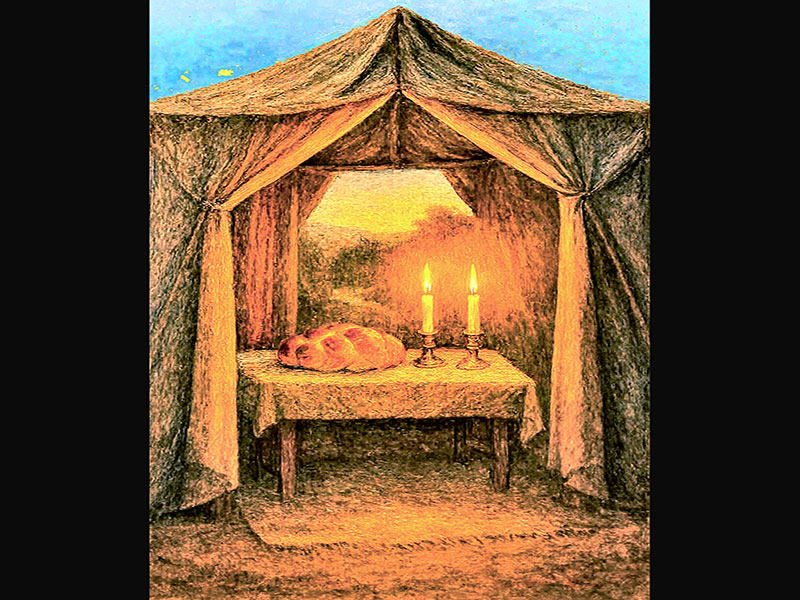
There are 5,846 pesukim in the Torah, and 54 sedras. The average number of pesukim per sedra is 108. Chayei Sara’s 105 pesukim puts it slightly below average, ranked at 32.
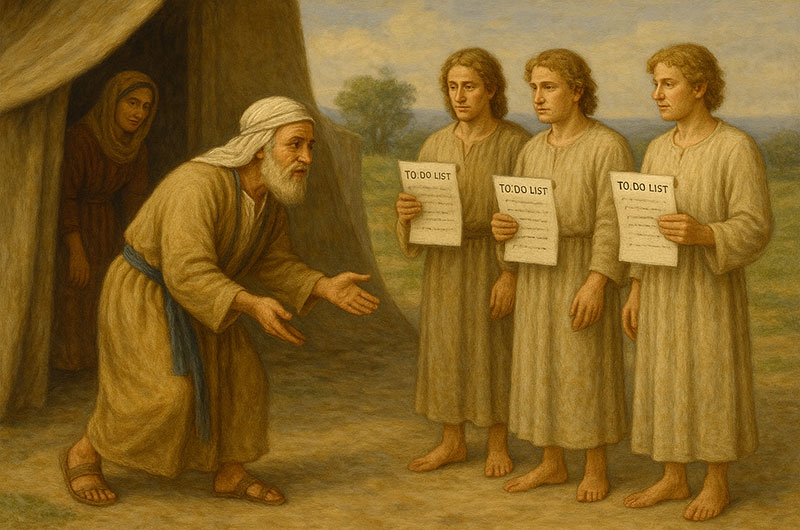
Before there was Torah Tidbits, there were Torah Tidbits. And one of the very first Torah Tidbits was entitled Angel Arithmetic. (Kind of appropriate for Torah by the Numbers.)
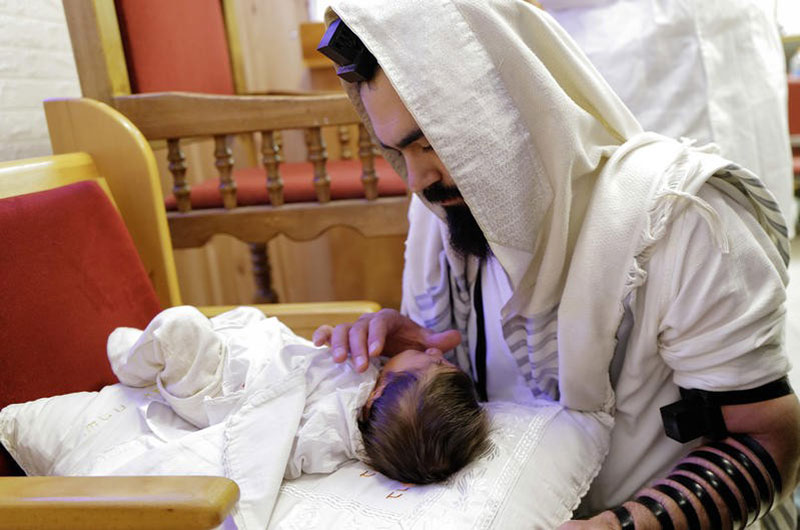
The Torah was given by Hashem to Am Yisrael, the Jewish People. Whatever the rest of the world has learned or failed to learn from the Torah, the Torah is ours.

Towards the end of Parshat Bereishit, the Torah records the births of Noach’s three sons – Sheim, Cham, and Yefet – when he was 500 years old. That is much older than the parental ages recorded for the births in the first nine generations.

With no rest for the weary, Sukkot begins on the Monday evening following Shabbat Parshat Ha’azinu.
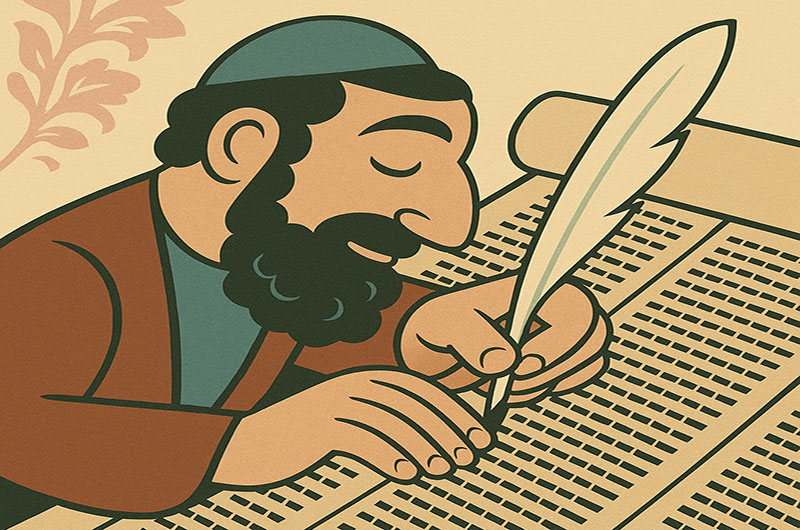
Hak-hel was (and will be again) a major event meant to unify the people and the Shevatim (tribes) to which they belonged. It also honors the Torah before all of Israel.
Nitzavim has only 40 pesukim – the second shortest sedra, pasuk-wise. Only its sometimes partner Vayeilech has fewer (30).

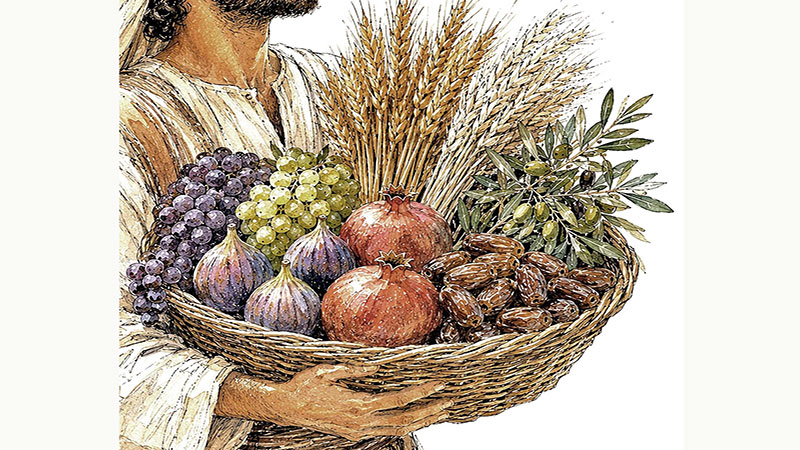
Bikkurim is a prime example of hakarat hatov, recognition and acknowledgement of the good that G-d does for us.

There are 674 parshiyot in the Torah – 295 petuchot and 379 setumot. And Ki Teitzei has more parshiyot than any other sedra.
In our fixed calendar of today, there is no doubt as to which day Yom Tov is. Yet the practice of one day in Israel and two days outside still applies.

Eikev gives us the source of the mitzvah to daven. Once again, Rabbinic law has given us the how many times a day, at what times, and what to say. It should, however, never escape us that the Torah’s command to “Serve G-d with all our heart” is the core of our davening.
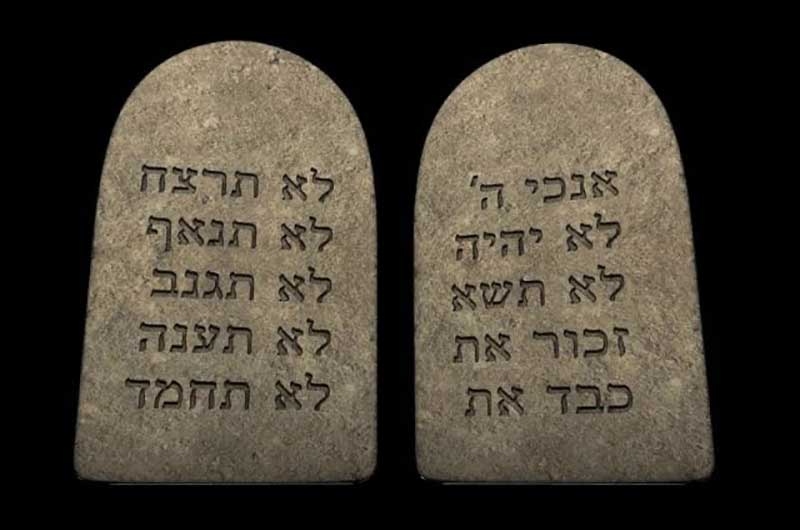
According to our Tradition, not only was it decreed that the adult male population of the generation of the Midbar should wander for 40 years and die out without entering the Holy Land (except for Yehoshua and Kalev), but they actually died on Tisha B’Av – about 15,000 each year.
The whole Book of Devarim takes place in one location – Arvot Moav – over just 37 days.

The first notable number is 42. That’s the number of places in which Bnei Yisrael encamped, from the time they left Egypt until they stood poised at the threshold of Eretz Yisrael. If you count the places, you will need to include the place they left Egypt from (Ra-m’seis) among the 42 places.
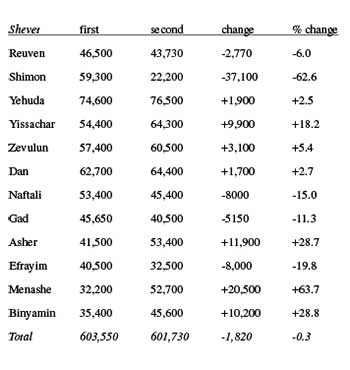
If Parshat Bamidbar showed why the Book of Bamidbar is called the Book of Numbers, then Parshat Pinchas confirms that name.
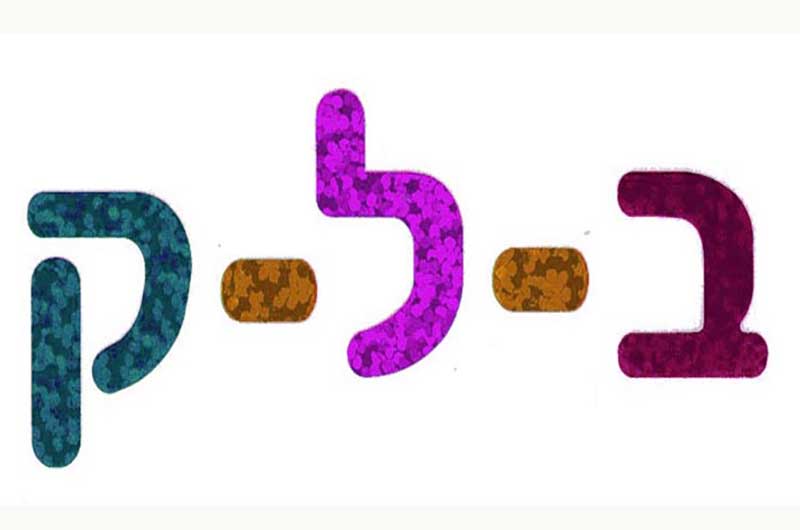
Balak precedes the Fast of the Fourth Month (that’s what the navi calls Shiv’a Asar b’Tammuz) almost 80% of the time. That includes, in Chutz LaAretz, the years when Shavuot is Friday-Shabbat and the sedra right before the fast is Chukat-Balak.

Unlike the two previous sedras of Shelach and Korach, each of which were two-thirds story and a third juxtapositional mitzvot, Chukat’s three mitzvot are part of the same mitzvah topic – namely, para aduma (the red heifer), with the bulk of the sedra being a string of episodes in the Midbar-wandering period.

The rise in rank for words and letters is due to Korach being above average in words and letters per pasuk. Korach is a short sedra (in a sefer with many long sedras) with fairly long pesukim (in a sefer with lots of short-pasuk sedras).
Shelach by the numbers: Total pesukim: 119, ranks 21st (of 54 sedras) Total words: Ranks 27th Mitzvot: 3, ranks 27th

In our time, back in 1982, the costliest battle of the war in Lebanon claimed the lives of about 30 IDF soldiers on this date. Thus, the 20th of Sivan is indeed a tragic day. You can find Selichot written for the day in some siddurim.

The sedra has 2,264 words and 8,632 letters. Even though Naso’s pesukim are well below average in length (in number of words or letters), it still ranks #1 in all categories.

To deserve the name Numbers, this week’s sedra contains numbers galore – starting with a count of the adult male population of each of the 12 tribes, with a total of 603,550 men age 20 and up.
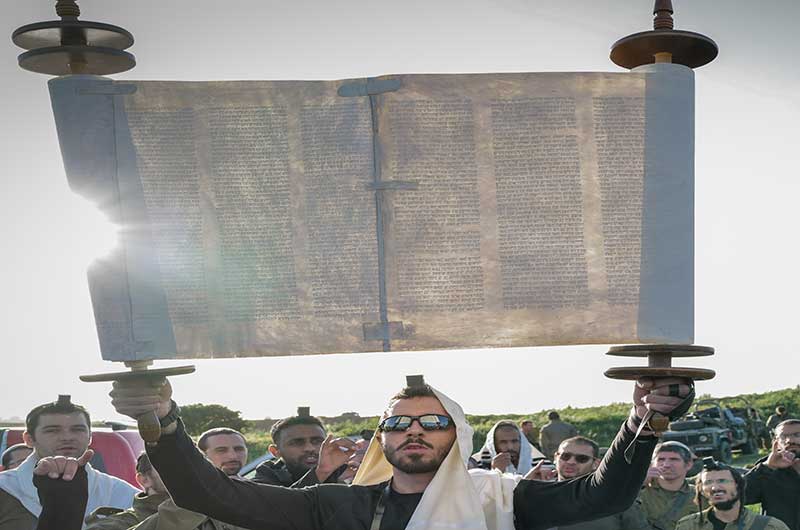
With the third double sedra in four weeks, it’s a good time to take a closer look at the double sedra story.

In Pirkei Avot, we find the statement, Schar mitzvah, mitzvah – the reward for doing a mitzvah is the mitzvah itself. Or perhaps it means that the reward for doing a mitzvah is another mitzvah to do.


 October 16, 2026