יום שבת, ו׳ חשוון תשפ״זSaturday, October 17, 2026



Follow Us


Rabbi Dr. Kenneth Brander is the President and Rosh HaYeshiva of Ohr Torah Stone, a Modern Orthodox network of 30 institutions and programs lighting the way in Jewish education, outreach and leadership.
Read More
And yet, we know this moment does not define David's entire life. In time, his circumstances transform completely, and he emerges from hiding to accomplish extraordinary things: composing the Psalms, waging victorious battles against Israel's enemies, unifying the fractured kingdom, and establishing Jerusalem as its center.
Shmuel, who had devoted his life to shepherding the nation through its most turbulent years, may not have been able to invest with the same intensity in his own children.
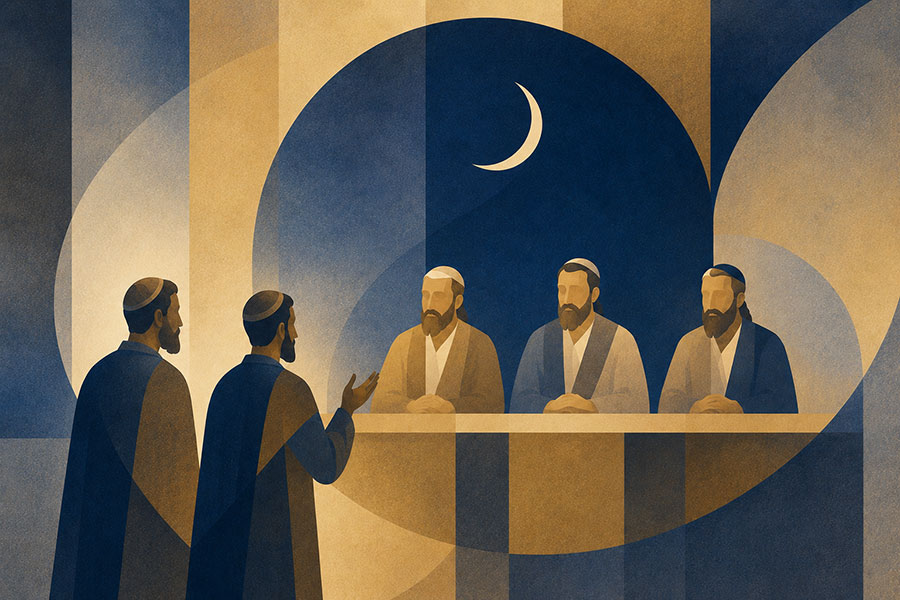
Although as a festival, Rosh Chodesh is not dressed in much external pomp and circumstance, it determines the timing of all the other festivals in our calendar and thus enables our annual spiritual and ritual rhythm.
This arc – frank acknowledgment of failure, followed by unconditional reaffirmation – is not incidental to the haftarah. In truth, it is one reason the whole institution of the haftarah exists.

Our calling is not merely to take in and reflect surrounding culture, but rather to shape it, to serve as a light unto the nations by embodying and promulgating the Torah’s Divine values.
The very first thing that David did was to capture the city of Jerusalem and move his capital there.
The haftara continues the saga of the two adversaries, envisioning a final battle in which Yaakov will ultimately prevail. This vision is presented in response to the challenges of the parsha.
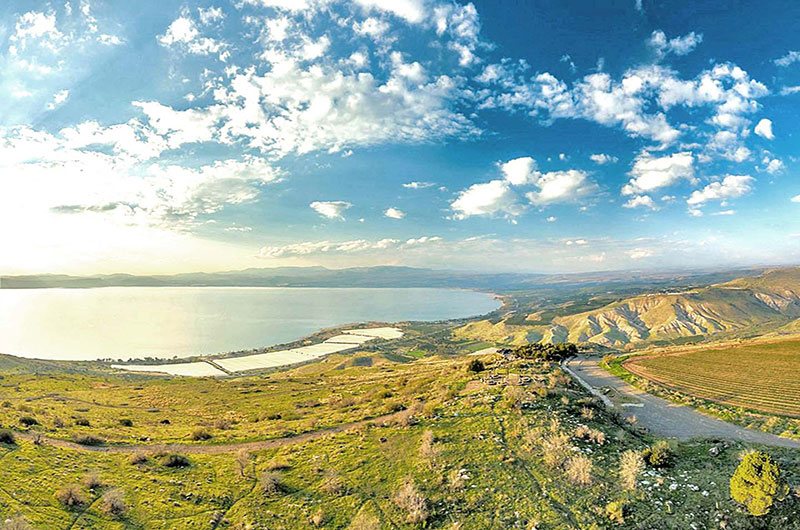
The prophet Yeshayahu describes an unnamed individual called from the east by G-d to achieve victory over numerous nations and bring an era of peace and prosperity to Israel. But is this an event that has already happened? Or one that is yet to come?
G-d’s lesson through the story of Noach and the prophecy of Isaiah is that even in the face of all the difficulty and trauma, we must still recognize the blessings and opportunities that await us.
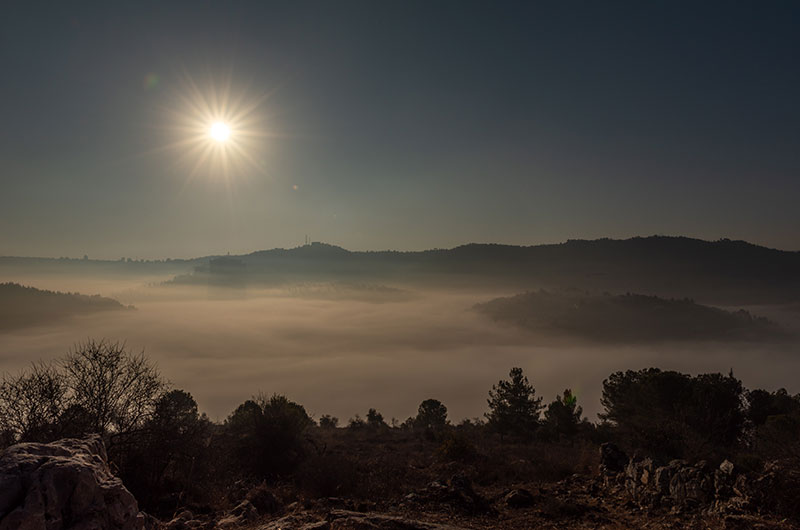
As we recite this haftara, let us hope and pray to be deserving of a redemption that comes in a flash. The Jewish people of today, in Israel and outside it, has progressed spiritually beyond recognition in the years since the founding of the State.
In a safe and secure future, Israel will not be dependent for its protection on the goodwill of foreign peoples, and its fate will not hinge on their empty and aimless predictions and theories about us.

The light of togetherness, commitment and Torah in action will help us move toward the receiving of the Torah that Jews commemorate on Shavuot.
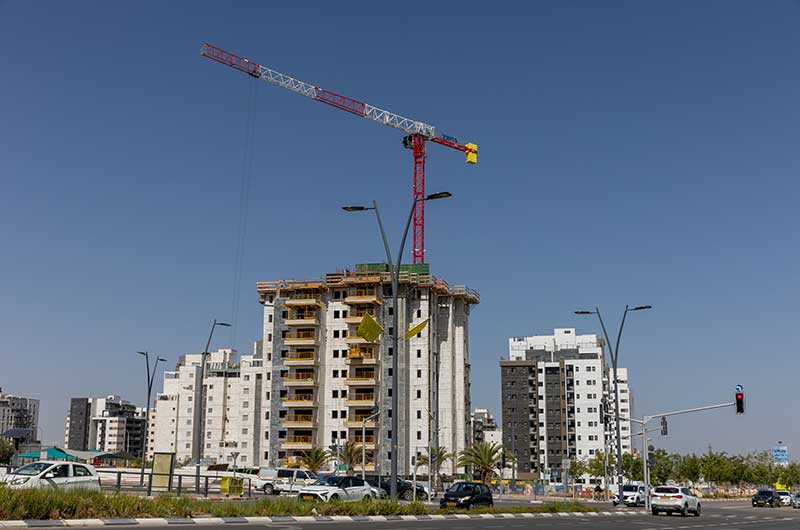
Of course, the prophecies of consolation have not yet been fully actualized. Amos speaks of our people being firmly planted on the land – yet entire communities in Israel’s North and South remain displaced, struggling to regain emotional and economic stability.
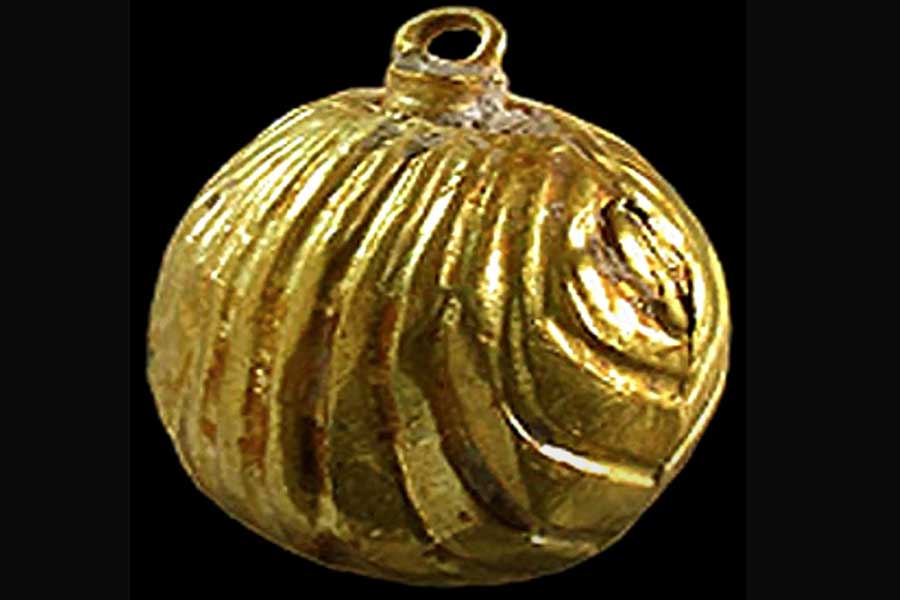
All the elements of Sefer Vayikra – from the Temple offerings to the prohibitions of incest, from holiday observance to loving our neighbor – contribute to the tapestry of sacred living the Torah demands of the Jewish people.

What can we learn from the Purim story that can help us navigate living with this partial redemption? How do we move to a paradigm of complete redemption?

This discrepancy between human and angelic perspectives plays a central role in Chazal’s account of the giving of the Torah, albeit in an entirely different vein. While no angels appear in the Torah’s version of the story, our Sages recount that at Sinai too, Moshe encounters conflict between himself and the angels.

How can we unite our various branches while maintaining our distinct and complementary characteristics? What does it take to hold together differing tribes as we pursue our shared destiny?
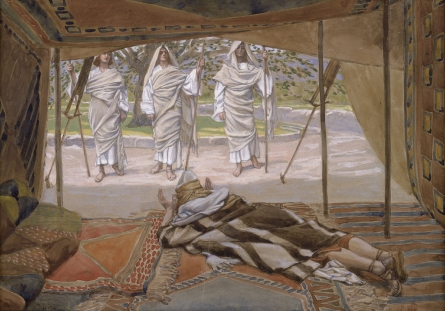
In the midst of all the energies we dedicate to social change, communal resilience, national solidarity, and more, we cannot lose sight of the day when the end seems near, and we will look around for those who will carry on the torch of our values.
As we stand before G-d this Yom Kippur with the memory of October 7 fresh in our hearts, we must recognize our responsibility to actively shape how this chapter will be remembered.
In the human experience, there’s no guarantee of a safe and successful landing and return. What is critical is not the ultimate destination, but the values we bring to the journey of life.
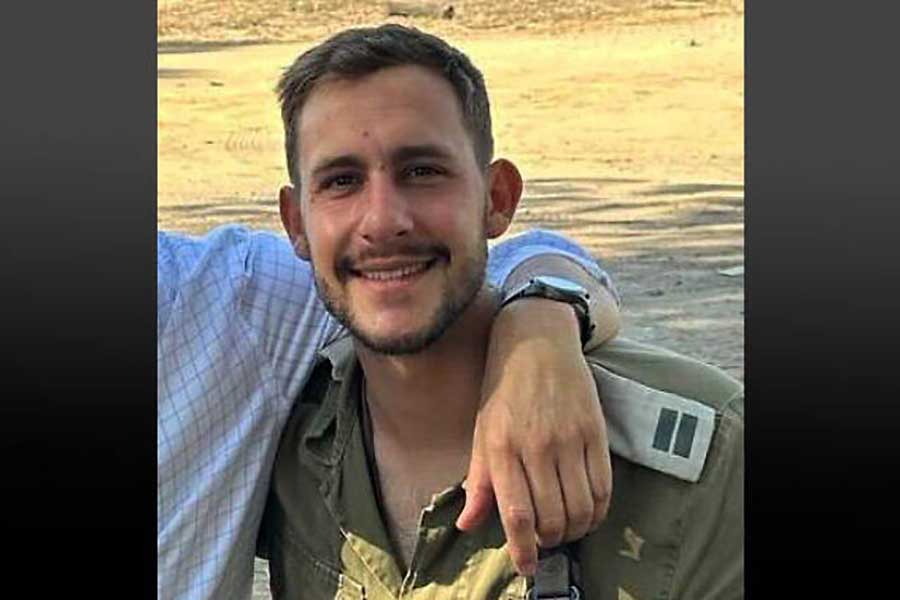
Only solidarity can direct us towards achieving our own redemption, and only unity can win over G-d’s favor and divine intervention.

For reasons that are far beyond our comprehension, G-d wants to be in this world with humanity and wants us to be His partners.

Often the journey itself is more critical than the destination. There is so much to be learned when we journey.
While the gaping wounds caused by their deaths will never truly be healed, the fallen heroes of this war still live!
What will each of us do to maintain this brotherly bond once the battlefield quiets?
There is hardly a home in Israel that has not been touched. But the People of Israel are the eternal people – and we will prevail.
Charging a fee for absence from shul likely strikes many of us as unusual. A desire to avoid financial loss (about $260, when adjusted for inflation) feels like the wrong reason to pray.
Upon careful reading of Megillat Esther, we discover that Esther’s soirée with Achashverosh and Haman, and Haman’s sentencing to the gallows, took place on the first days of Pesach!
While formal study is not enough to engage the young person, built into the infrastructure of Modern Orthodox high schools in Israel is that every student has a religious role model as his/her grade dean.
There is a famous dispute between Beit Hillel and Beit Shammai regarding how we should light the Chanukah lights. Beit Hillel maintains that one should always increase, lighting one light on the first night and subsequently adding another light each night, until eight lights are lit on the eighth night. Beit Shammai argues the opposite […]
Even on the day when we afflict ourselves, the Rambam rules that there is a limit.
Over the past few months the Jewish community in the New York metropolitan area has suffered great trauma and intense tragedy.


 October 16, 2026