יום שישי, כ״ח תשרי תשפ״זFriday, October 9, 2026



Follow Us


Raemia A. Luchins is a writer, trainer, and consultant with over a decade of experience in Human Resources and organizational strategy. She currently serves as HRO Manager at Topaz HR, where she supports leaders and teams in building thoughtful, effective systems. Raemia holds a bachelor’s degree from the University of West Georgia and is currently pursuing a Master’s in Health Administration at The George Washington University. Her work is shaped by her military upbringing, Torah principles, and a commitment to integrity and practical leadership.
Read More

Every morning of Sukkos begins with taking the lulav and esrog and shaking them in six directions. The movement is simple, but it carries a weight that feels ancient.

The shofar does not frighten – it awakens. It reminds us that leadership is not about certainty. It is about curiosity.

Ramban notes that Korach’s brilliance lay in his ability to gather discontent from every direction and bind it with the language of righteousness. It is a pattern as old as humanity. A unity built not on covenant but on negation. A gathering without a center. A movement that cannot endure because it has no soul.

The words are brief, but they open a window into the inner world that shaped everything that followed. The land had not diminished them. The giants had not diminished them. They had diminished themselves.

The Menorah teaches that outward illumination is the last step, not the first. That leadership begins with the quiet work of tending your own inner flame.

It begins with counting. Order. Structure. Arrangement. But almost immediately the parsha shifts into the unpredictable terrain of human emotion.

Ruth’s story is not about conversion as a moment. It is about covenant as a life. Her geirus is not described as a ceremony. It is described as a relationship.
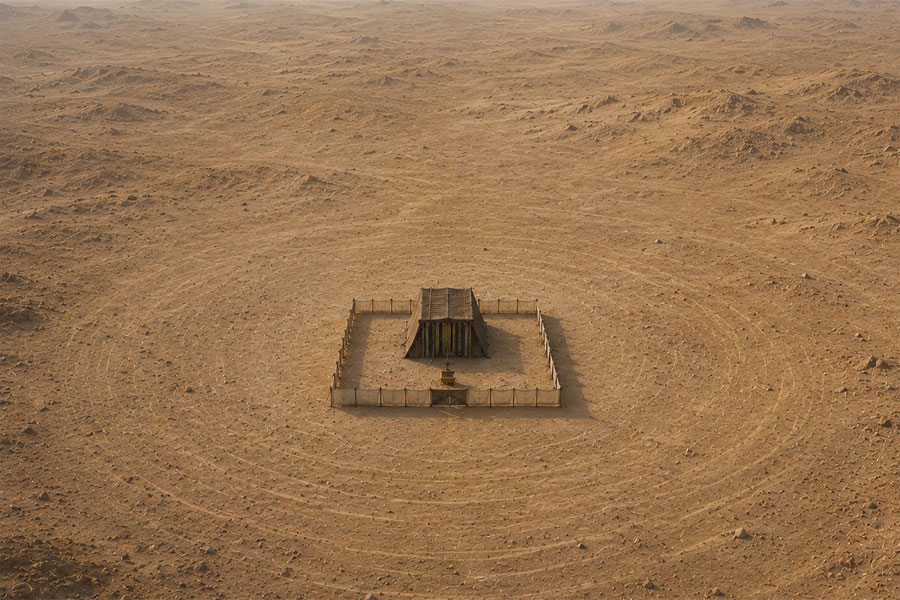
The midbar is often imagined as a place of danger and emptiness. The Torah presents it differently. The wilderness is not chaos. It is unwritten space.

It is not passivity; it is a form of faith. It is the willingness to maintain the shape of a relationship even when the relationship itself is paused. It is the refusal to force a timeline that is not ours to set.
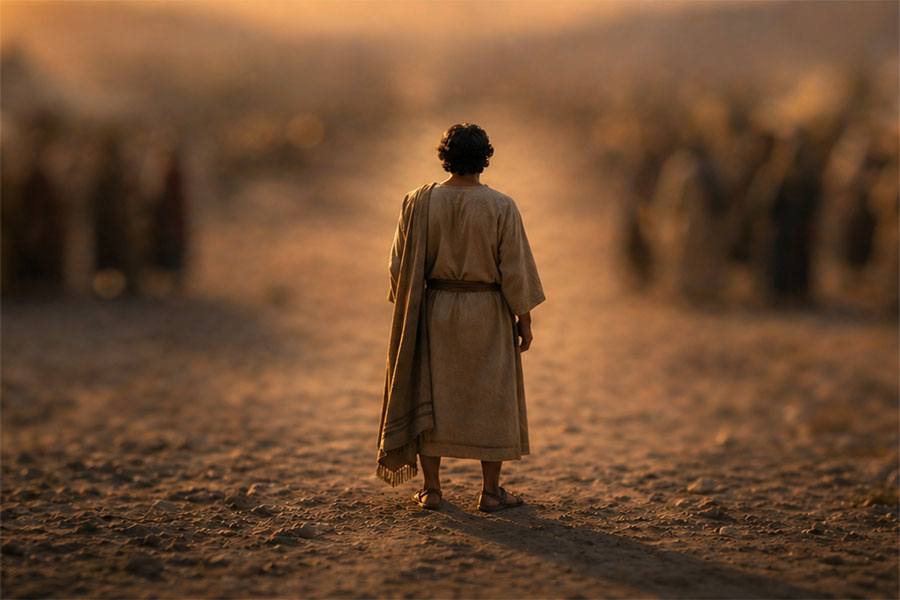
The tragedy of the mekallel is not only that he sinned. It is that his outcry came from a place of fracture that the community never addressed. He stands as a cautionary figure, a reminder of what happens when we fail to make room for those who are already inside our gates but do not yet feel fully held.

Mussar teaches that character is not an accessory. It is a discipline. It is the daily work of noticing your impulses, your blind spots, your ego, your capacity to harm without meaning to.

The truth is that adults do not come to the Seder as blank slates. They come carrying the year. They come carrying whatever Egypt they have been walking through quietly.

There is something grounding about that image in the week before Pesach. We are surrounded by fire. It is the fire of cleaning, cooking, burning chametz, deadlines, and expectations. But none of that is the eish tamid.

The Mincha is the simplest of all offerings – flour, oil, a measure of frankincense. Ingredients drawn from the rhythm of daily life. Nothing extravagant. Nothing that signals wealth or status. Nothing that would draw attention in the courtyard of the Mishkan.

I’ve always been struck by that phrase “nesa liban,” “their hearts lifted them.” There is something deeply human in it, a quiet rising of the soul toward purpose.

In the span of a few days, we move from Esther’s quiet courage in the shadows to Moshe holding luchot carved by the hands of Hashem. Two extremes of Divine presence. Two ways a people can tremble. Two ways a heart can break open.

There are weeks when I look toward that light and feel held. There are weeks when I look toward it and feel exposed.

The Mishkan gives Bnei Yisrael predictability through clear instructions, agency through voluntary offerings, collaboration through shared labor, embodiment through materials and craft, and containment through a defined sacred space. It is the Torah’s first blueprint for communal healing.

The Torah’s language about the ger, the yatom, and the almanah is not sentimental; it is structural. These identities are not about eliciting pity but about embedding protection into the very framework of halacha.

The Israelites have survived slavery, survived the plagues, survived the waters closing behind them. But survival is not the same as readiness. Freedom does not erase the patterns that oppression carves into the mind and heart. The Torah does not rush past this truth; it lingers in it.

There’s a reason the man arrives before the Aseres HaDibros. A people who have only known extraction cannot receive law until they first learn sufficiency.

What has always struck me is that the Torah does not erase the plagues. It does not soften them. It does not pretend that the suffering did not occur. Instead, it asks us to hold the full truth...
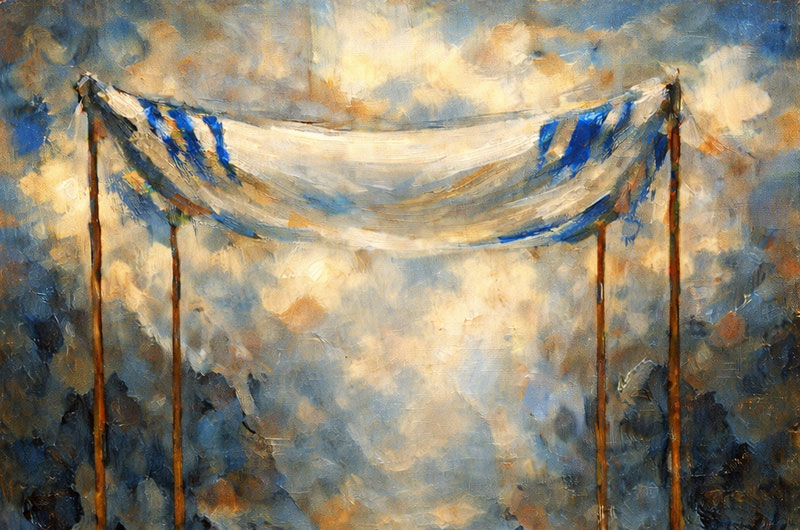
Geulah is not an escape; it is a return. It is the moment when a person remembers who they are and who they were meant to be.

The cry of Bnei Yisrael is the first act of geulah. No armies, no influence, and still the world turns. The cry pierces the heavens, awakens, and sets redemption in motion.
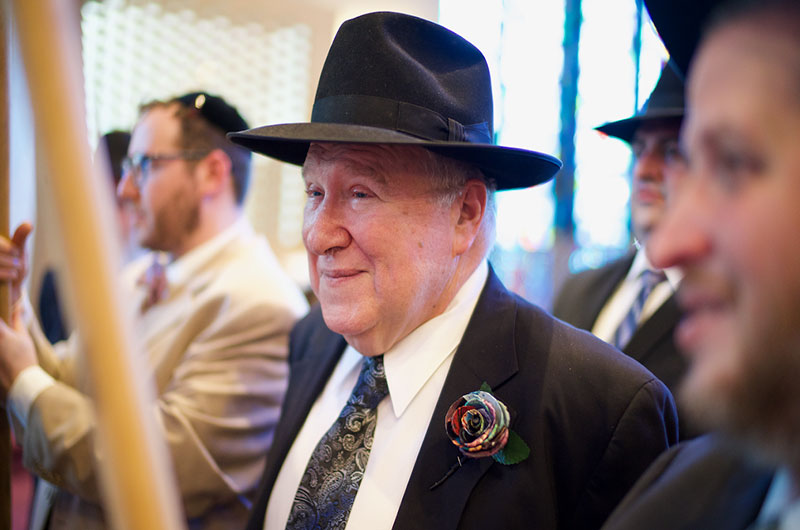
Decades ago, in an eighth-grade classroom in Miami, Rabbi Sherwin Stauber taught the story of Ephraim and Menashe. Two boys sat in that room: One would become Rav Zev Leff of Moshav Matisyahu, the other Dr. David Luchins, my father-in-law. They listened to the same words, but each carried them forward in a distinct way.
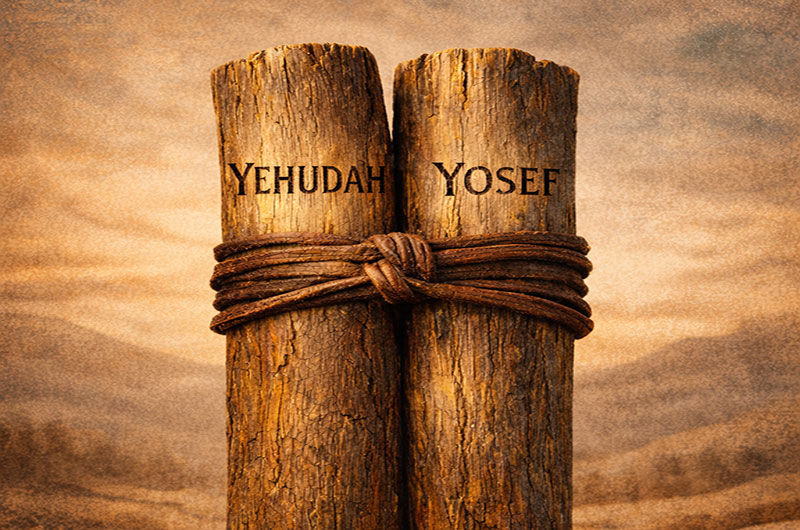
If we want to understand what it means to join Yehudah and Yosef – two lineages, two visions of leadership – we must also look at the women who stand at their thresholds. Not only the unnamed daughters who entered Mitzrayim, but also the named women whose faith and devotion shaped the legacy and carried it forward.
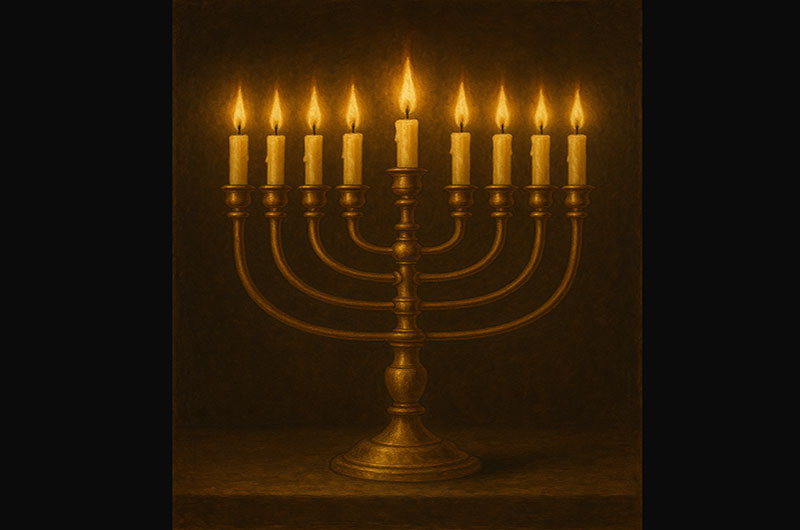
Ritual is often mistaken for routine. Something done out of habit, inherited without thought. But in times of fear, ritual becomes something else entirely. It becomes resistance. It becomes a declaration of presence.

Return is not nostalgia. It is vigilance. It is the courage to live unsettled, to consecrate absence without being consumed by it, to insist that responsibility matters even when rest is denied.

Rebbe Nachman of Breslov taught, If you believe you can damage, believe you can repair. Owning our story means believing in repair, even when estrangement or shame feels irreparable.

The Zohar teaches that sulam (ladder) and kol (voice) share the same gematria: 136. The ladder is not just a structure; it is also a sound. The ascent is not only movement, but utterance.
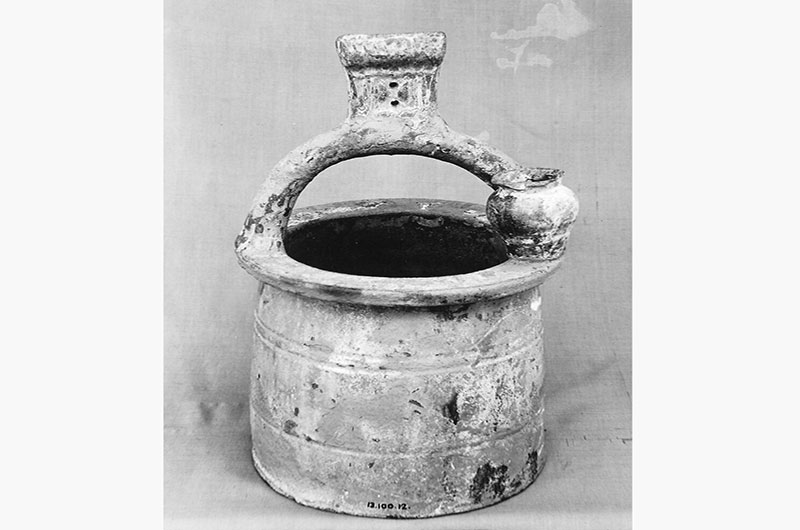
Rivkah hears the struggle inside her. It’s not a metaphor, nor a symbol, but the ache of nations colliding in her womb.
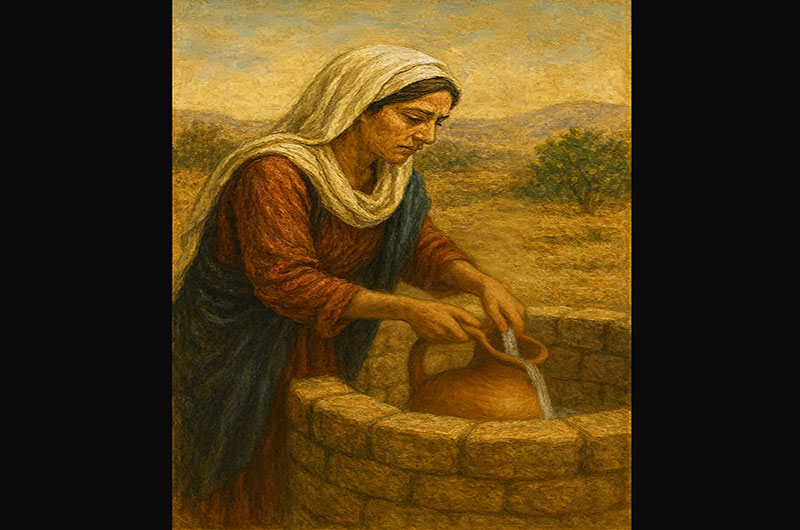
Living for yourself doesn’t mean acting selfishly. It means acting with integrity, even when no one is watching.

Leadership begins here. Not with command, but with disclosure. With the choice to let someone in. With the courage to be interrupted.

Avraham didn’t lead with certainty. He led with movement. Yeshayahu didn’t promise clarity. He promised renewal.
Jewish tradition offers its own quiet rituals. The Baal Shem Tov teaches that entering the ark is a spiritual act or a retreat into truth. Cheshvan echoes that: not performance, but protection.

In a world fractured by fear, antisemitism, and isolation, Sukkos reminds us that holiness is not a status, it’s a practice.

Rabbi Nachman of Breslov, zt”l, teaches that when we cry out woe is me, we begin to take stock; not just of our actions, but of our presence. Where am I? Who is it who is crying out this way? This is not confession as ritual. It is rupture, it is awakening, it is the guttural cry that breaks through inherited silence.

The shofar doesn’t sound to restore order; it sounds to rupture it. It doesn’t call us to purity; it calls us to have strategic clarity. It doesn’t ask us to return to innocence; it asks us to return to alignment. To choose life in systems that often don’t.

Elul is the season of return. Not just to G-d, but to self. To what’s bruised, unfinished, still becoming.

Gold in Torah doesn’t just stand for just wealth, it’s also trust. And trust begins with math. With integrity. With the quiet promise that value won’t be manipulated for profit.

The architecture of Shoftim invites reflection not just on governance, but on restraint. It cautions against excess and sanctifies balance. It insists that power must be regulated by humility, and that leadership demands a commitment to the law: not a manipulation of it.

Being Jewish is not being a religion of holy people. It is a religion of ordinary people aspiring to holiness through sacred acts in daily life.

Covenant grows up here. It moves from bedtime prayers to morning spreadsheets. From mezuzahs on doorposts to mercy in hospital rooms. Not because we are commanded, but because we remember.

Moshe gave the Shema knowing he would not cross the Jordan. He prepared his people not with possessions, but with patterns. That is the quiet brilliance of leadership: offering rhythm in place of proximity.

I was taught to make a Kiddush Hashem no matter where I stand; in a parking lot among our own, or as the only Jew in town. Space doesn’t define sanctity. Behavior does. Especially when no one’s watching. Especially when they are.

In every home I’ve lived in, one thing has remained constant, a quiet covenant. It’s a reminder of Hashem’s presence, much like a mezuzah, though not one in form.
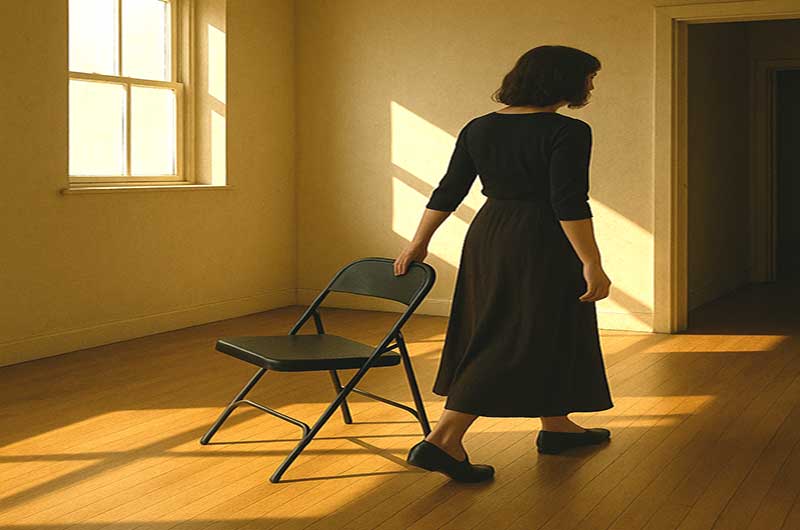
Not every gut impulse is a moral directive. When we confuse conscience with certainty, we risk mistaking personal anger for sacred missions.
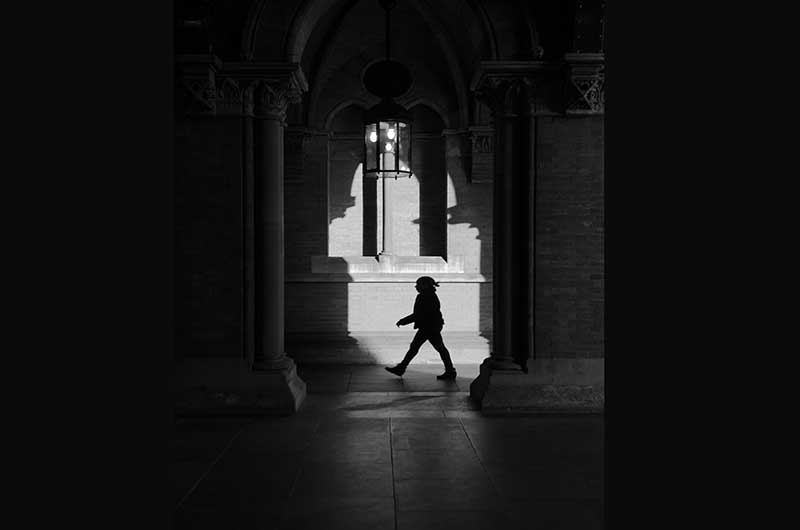
In Parshat Balak, Bilaam never saw the people he was meant to curse. He viewed them from a distance; abstractly, impersonally. His words came not from relationship, but rather from obligation, from politics, from agenda. And yet they could have reshaped a people’s destiny.

Maybe being a stepmom is my chok. A path that defies neat halachic categories but still carves out something sacred. It doesn’t always feel certain. It rarely feels understood. But it is real. And it loves. And it is absurd.

My father didn’t strut his rank; he carried it. Quietly, firmly, and with gravity. His leadership taught me that being a leader wasn’t about elevation, but rather it was about bearing the weight of others.


 October 9, 2026