September 11, 2026
 Categories: In Print / Headline / Parsha
Joy in the Shadow of the Basket: Ki Tavo, Elul, and the Fragile Power of Showing Up
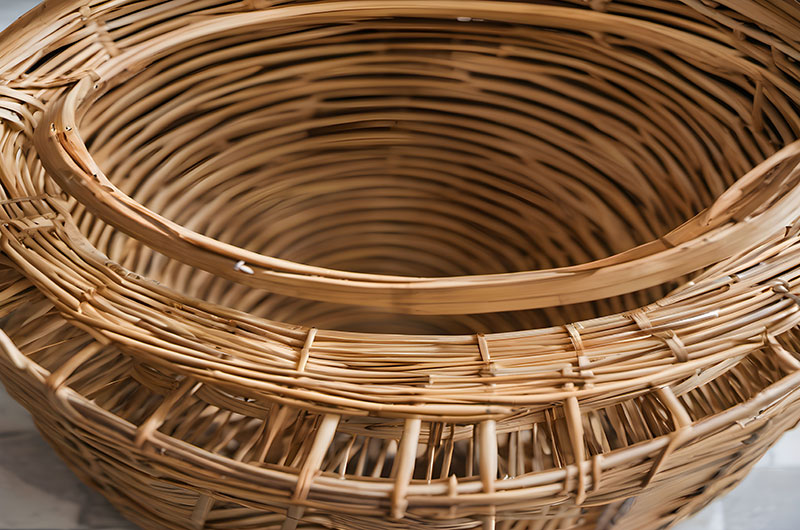


Ki Tavo doesn’t open with law; it opens with choreography. A person arrives with a basket of bikkurim, first fruits, and places it before the altar. Not passively, but with declaration: Arami oved avi “A wandering Aramean was my father.” A compressed origin story, stitched with migration, oppression, and survival.
I read that and feel the stretch of my own story. Not wandering, exactly, but shifting. Rebuilding. Choosing. This year, I didn’t bring figs or dates. I brought a resignation letter and a new title. Homework and divrei Torah. The ache of leadership. The quiet rituals of a household that hums with chaos and care.
This ritual isn’t about the fruit. It’s about the act of carrying. Of naming. Of placing. Ve’hinachto lifnei Hashem Elokecha “and you shall place it before Hashem your G-d.” Not toss. Not drop. Place. With intention.
Elul and the Daily Act of Choosing
Elul is the season of return. Not just to G-d, but to self. To what’s bruised, unfinished, still becoming.This year, I’m returning with stretch. With questions. With offerings that might not hold. A heart that’s broken and rebuilt. A household in motion. A role that asks me to lead while still learning how to stay.
Elul doesn’t ask for perfection. It asks for presence. For the courage to return with what we have. Bacharta bachayim, “you shall choose life” (Devarim 30:19). Even when it aches.
So, I ask: What am I carrying? And have I made space to rejoice?
Weight and Offering
Some mornings, I wake up already carrying.This year, I left a job after seven and a half years. A role that shaped me, stretched me, and held pieces of my identity I hadn’t yet named. Leaving wasn’t just a career pivot. It was a reckoning. I had to recenter. Rebuild. Remember who I was outside of the systems I was entrenched in.
That job was the reason I came to New York City. My chance to prove to the world, and to myself…that I could make it here. That I could survive, thrive, lead, even after someone told me I wouldn’t last five years without them. I was resolved. I was like someone chasing a cheshbon hanefesh that hadn’t yet been written. And I did. Ten years later, and I have nothing left to prove.
And in the quiet aftermath, I found myself asking: What do I carry now? What do I offer? Who am I when the title shifts, when the rhythm changes, when the basket feels both lighter and heavier?
Before a cup of Tea, before tefillah, before the household wakes, I’m holding the weight of a household, a team, and my family. The quiet logistics of care. The invisible labor of leadership. The ache of stories I’ve heard and held. The tension between what I steward and what I still need to become.
There’s the weight of my husband’s questions, sharp and tender, stretching across faith and philosophy. The weight of my stepson’s laughter, and the pets’ chaos, the weight of my mother; fragile, adapting, still with us. And the weight of work; strategic, trauma-informed, always evolving. Where I ask others to show up whole in systems that rarely make space for wholeness.
I carry all of it. Not perfectly. Not always joyfully. But intentionally.
And then I open Ki Tavo, and I see myself in the basket.
Long before I chose a career, I knew what it meant to carry. To hold stories that don’t fit neatly into spreadsheets or strategic plans. To lead while still becoming. To show up whole in spaces that rarely make room for wholeness.
In my work, we ask: What are people carrying? What stories are compressed into their performance, their silence, their survival? The basket becomes metaphor – holding memory, labor, longing, and the quiet ache of arrival.
Rav Aharon Soloveitchik writes, “the heart must be educated no less than the mind.” I hear that and think: the heart already knows. The ritual doesn’t teach us to feel – teaches us to honor what we’ve been holding. To offer it with integrity, even when the words feel too small.
Arrival isn’t the end. It’s the beginning of accountability.
The Command to Rejoice
It’s the rebuke that stings: Tachat asher lo avadta et Hashem Elokecha b’simcha u’vtuv levav “Because you did not serve Hashem your G-d with joy and gladness of heart…” (Devarim 28:47). Not for failing to serve; but for serving joylessly.That hits differently when you’ve spent years in systems that demand performance but rarely make space for gladness. I’ve led through grief, burnout, transition. Held space for survivors. Shown up whole in rooms that didn’t know what to do with wholeness. And still, I’m commanded to rejoice.
Not perform joy. Not manufacture it. But serve with it. Simcha not as mood, but as posture. As resistance.
Joy, I’ve learned, is forged in the fire. Not the absence of pain. but the presence of meaning. The choice to return. To stretch toward something holy, even when the basket is bruised.
In my household, joy is stitched into the ordinary. Challah braided with memory. A conversation that stretches from trauma to Torah. We place what we have before each other. And we rejoice, not because it’s easy, but because it’s ours.
In my writing, too. In the tension between policy and poetry, I find joy. Not the kind that sparkles, but the kind that stretches. That dares to name what hurts and still chooses to sing. That turns bruised fruit into offering. That makes space for others to do the same.
The Fragility of Offering
The stones of Ki Tavo are coated in plaster. V’sadeta otam basid, “you shall coat them with plaster” (Devarim. 27:2). Torah is written on a surface that will crack, fade, erode. Why not carve it into permanence?I used to crave permanence. Through policies, protocols, proof. Something I can point to. Something that lasts. But healing doesn’t work that way. It’s iterative. Messy. Fragile.
Rabbeinu Bechaye suggests the impermanence is intentional. That memory must be renewed, rewritten, re-placed. That offerings are holy because they’re vulnerable. Because they can bruise. Because they might not hold.
I think about the trainings I’ve built, the project plans I’ve drafted, the policies I’ve revised late at night while the house is asleep. None of it is permanent. But all of it is offering.
And simcha, isn’t a fixed state either. It’s a practice. A posture. A choice made in the shadow of uncertainty. The basket may bruise. The plaster may crack. But the act of placing, of declaring, of rejoicing; that’s what endures.
Sometimes I wonder if the fragility is the point. If the cracked plaster and bruised fruit are reminders that we’re not meant to build permanence out of certainty. We’re meant to build meaning out of presence. Out of return. Out of the willingness to show up with what we have, even when it’s unfinished.
I don’t need my offerings to be indestructible. I need them to be honest. To stretch. To invite. To make space for others to place their own bruised fruit beside mine. Because holiness doesn’t come from perfection; it comes from placement. From the act of saying: I brought this. And I’m still bringing it.
Choosing Joy, Still
I brought this basket. Not because it’s perfect. But because it’s mine.It holds bruised fruit and braided memory. Policy drafts and challah dough. Late-night conversations. Early-morning logistics. The ache of leadership. The stretch of step-motherhood. The quiet rituals of a household still becoming.
It holds our new kitten, watching from the edge. It holds the tension between systems and softness, between what I steward and what I still need to become.
And I rejoice. Not because I’ve arrived. But because I’m still choosing. B’simcha u’vtuv levav with joy and gladness of heart. Even when the heart is tired.
Joy, for me, isn’t sparkle. It’s stretch. The quiet resistance of showing up whole in spaces that expect fragments. The moment I pause mid-policy draft and remember why I started. The ritual of naming what hurts and still choosing to sing.
Ki Tavo doesn’t promise serenity. It offers choreography. A ritual of carrying, naming, rejoicing in the shadow of curses. It asks us to bring what we have and serve with gladness, not as reward, but as resistance.
This Elul, I’m not seeking perfection. I’m seeking presence. The kind of joy that dances with fragility, sweetens judgment, and hums through systems, stories, and the soft rhythm of home.
I brought this. And I’m still bringing it. Again, and again.
And You?
What bruised fruit rests in your basket? What memory, what ache, what offering? What story have you compressed into silence, and what joy have you dared to carry?The threshold waits. The season turns. The gate is open.
Bring what you have. Place it gently. Let the heart sing…. Again, and again.