יום שישי, י״ב חשוון תשפ״זFriday, October 23, 2026



Follow Us


Walk into any of the thousands of synagogues around the world on the nights of Sukkot today, and you will still find Jews dancing and rejoicing in celebrations bearing the same name.

Every morning of Sukkos begins with taking the lulav and esrog and shaking them in six directions. The movement is simple, but it carries a weight that feels ancient.

Some ideas appeal to us because they resemble an etrog: they promise comprehensive solutions. They seem to address several competing concerns at once rather than advancing one narrow interest.
This is the objective that we pray for in the tefillah of U’va l’Tzion: V’yaseim b’libeinu ahavso v’yiraso v’la’asos r’tzono ul’avdo b’leivav shaleim, l’ma’an lo niga larik – Please put in our heart the love and awareness of Hashem, that we understand that we are doing His will, to serve Him with a whole heart, so that we should not toil in vain.”

By Dovid Hirsch
One historian even dedicated part of a book to claim that the custom was brought to America in the second half of the nineteenth century by Eastern European immigrants because, in his limited research, he believed it was purely Ashkenazic.

We’re multifaceted people, with inclinations and inner drives toward spirituality and goodness as well as toward physicality and the opposite of goodness. This doesn’t mean that either drive is entirely positive or entirely negative on its own, but rather, we need to channel both these drives toward G-dliness.
The birth of a new year is a time of reflection and resolution; a time when hope and inspiration fill the air. We dream about what this upcoming year holds in store; how we can make the rest of our lives the best of our lives.

When we identify with Akeidat Yitzchak as a paradigm of our religious commitment, Hashem perceives us accordingly.

Ruth’s story is not about conversion as a moment. It is about covenant as a life. Her geirus is not described as a ceremony. It is described as a relationship.
It is surprising, then, that this practice is so entrenched, especially since it has no basis in Chazal or the Rishonim. … In the late 16th century, however, two Eastern European authorities record a tradition not to recite Kiddush on the first night of Shavuot until nightfall.
In that sense, this article is itself an act of haggadah. The goal is to point at what is happening around us and say: look, this is what the hand of G-d looks like in history. That obligation falls on every Jewish parent and teacher…whenever history offers a teaching moment. And this year, history is not being subtle.
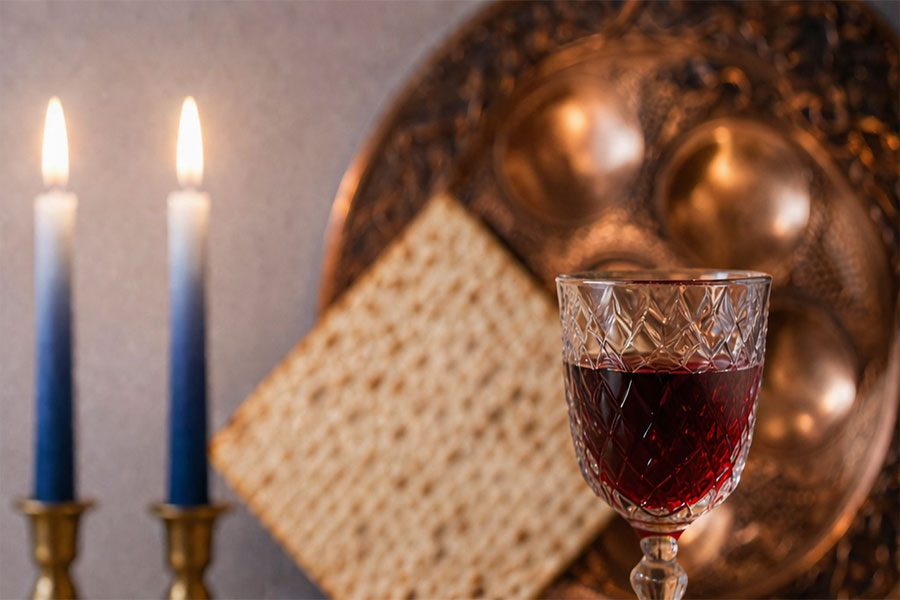
The truth is that adults do not come to the Seder as blank slates. They come carrying the year. They come carrying whatever Egypt they have been walking through quietly.

If we’re asking questions solely for the purpose of receiving answers, we’re missing the point.

The past month has carried a similar urgency. We feel history lurching forward. Wars are unfolding in compressed timeframes, and the landscape shifts almost daily. Once again, events outpace us, and we are being hurried along.

As we recite the fifteen stanzas of Dayeinu, tracing the miracles of Yetziat Mitzrayim, we might also think of the Dayeinu we would offer for the past two and a half years. Without softening the pain or ignoring the strain, we can still give thanks for Hashem's care and protection.

On Tisha B’Av, Rav Moshe would wear a threadbare garment that was beginning to tear. One could see the grief in his eyes and his longing for the yeshuah with all of his soul.
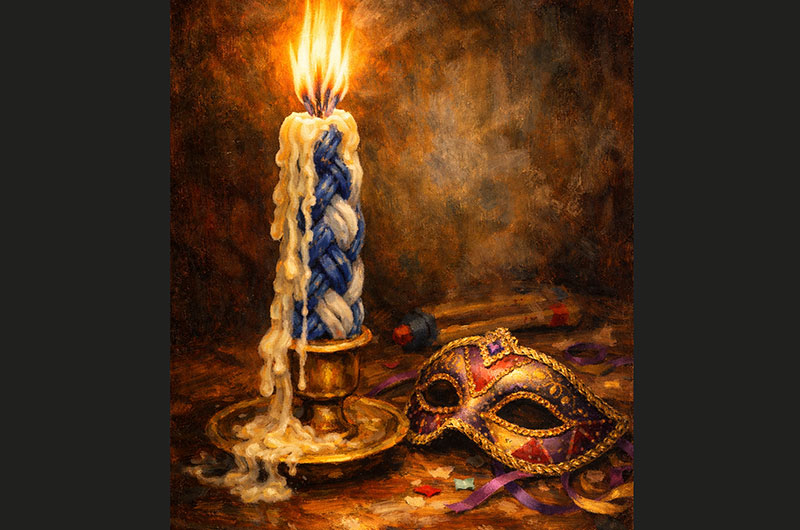
The Jews of Shushan did not change their location. They changed the way they carried their covenant. For a moment, they stopped guarding it and started living it.
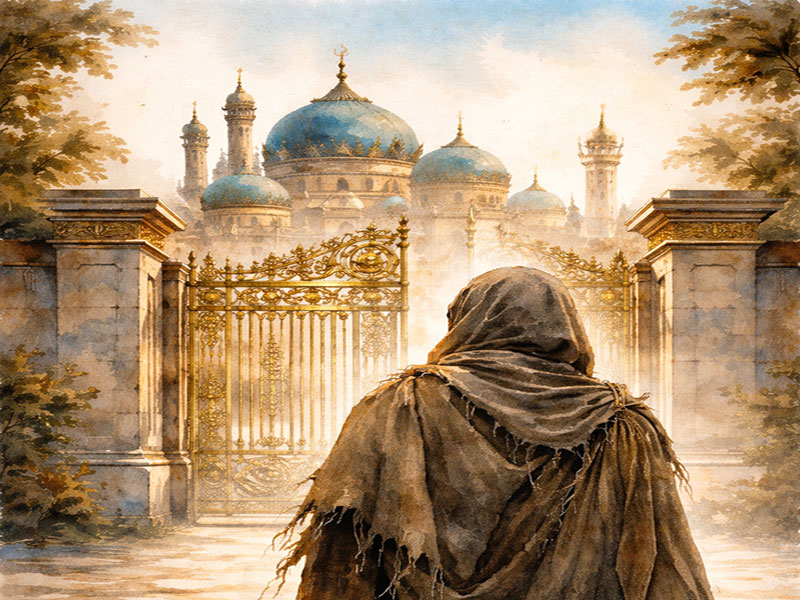
Haman and Achashverosh have effectively lobbed a figurative grenade into the streets of Shushan, creating great consternation among the city’s entire population. The two architects of the impending horror, however, remain removed and unaffected by the turmoil in the streets. While Shushan is in an uproar, its king is busy drinking.
Because letter-based communication became so central to imperial rule, letter writing emerged as a prestigious craft. Composers of royal correspondence were trained in language, form, and official convention so that the king’s will would be expressed with clarity.
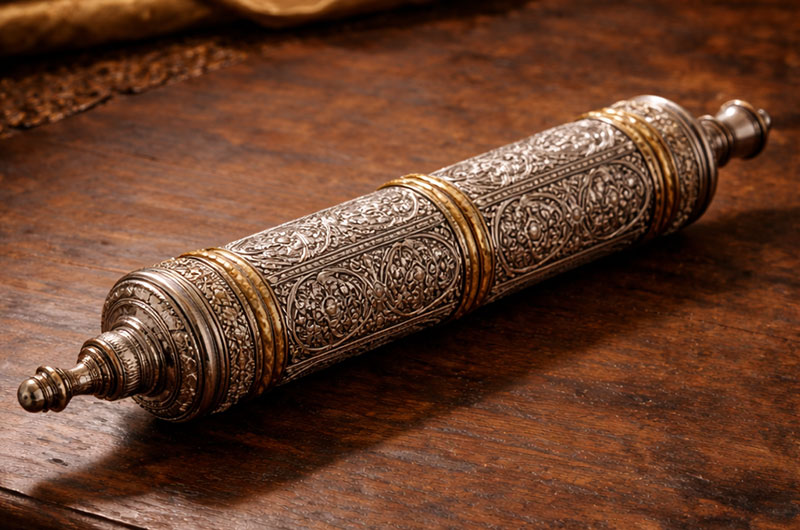
Though Mordechai received no prophecy regarding the correct course of action – hence the term perhaps – this does not prevent him from issuing clear directives to Esther. He reflects on the situation and discerns what action Hashem expects from both of them.

The sukkah is a reminder of Hashem’s constant care in our everyday lives. Commemorating a concept rather than a specific event reflects a more complex reality.
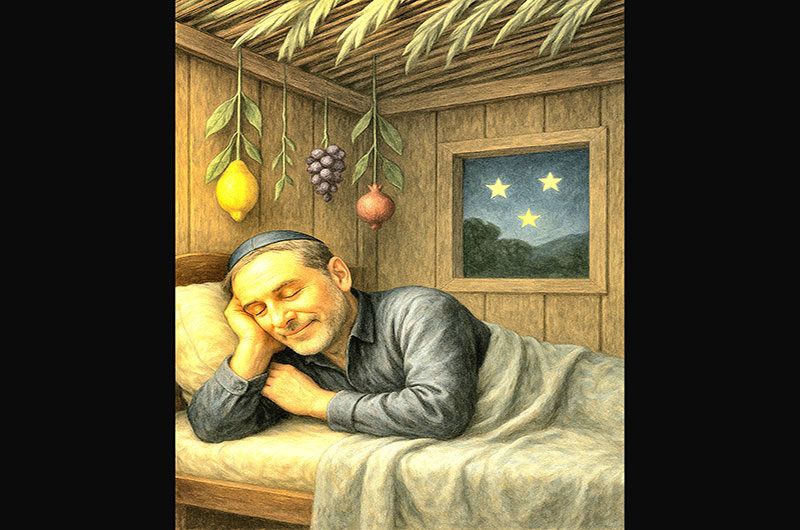
The Rema, however, is unconvinced by weather-based excuses (Darkei Moshe, O.C. 639:3). He maintains that it is generally not sufficiently cold even in Europe to constitute a blanket exemption (pun intended) from sleeping in the sukkah.

Rabbi Nachman of Breslov, zt”l, teaches that when we cry out woe is me, we begin to take stock; not just of our actions, but of our presence. Where am I? Who is it who is crying out this way? This is not confession as ritual. It is rupture, it is awakening, it is the guttural cry that breaks through inherited silence.

As Yom Kippur approaches, we are called to reflect not only on our choices, but also on the apparent randomness that shapes our lives.
Hashem realizes that the commitment to improve does not always last, but He chooses to accept teshuvah because He cares for His creations and their survival.
Rosh Hashana is very much a gray zone because it’s the day on which we stand between what was and what can be. It’s the day on which we judge, and are judged, for how great our future can look tomorrow.
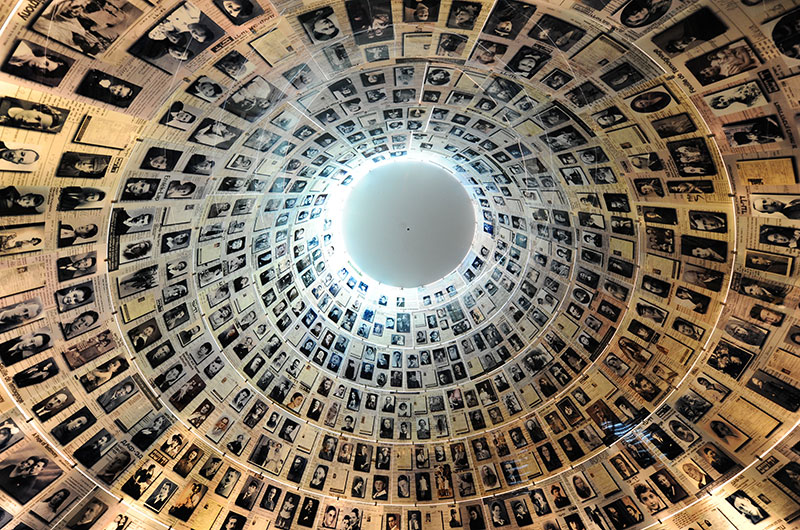
If one were to ask: was it worth experiencing a Holocaust which decimated one third of our people in order to attain a State of Israel? – not only would an affirmative answer be blasphemous, but so is the question.
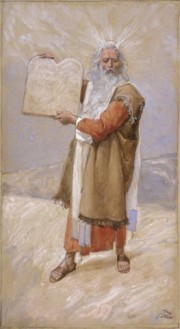
Shavuot commemorates the day when we all gathered at Har Sinai to receive the Torah, “as one person with one heart", meaning that we stood together in perfect unity. How tragic it is that it takes an attack from our enemies to make us feel unified.
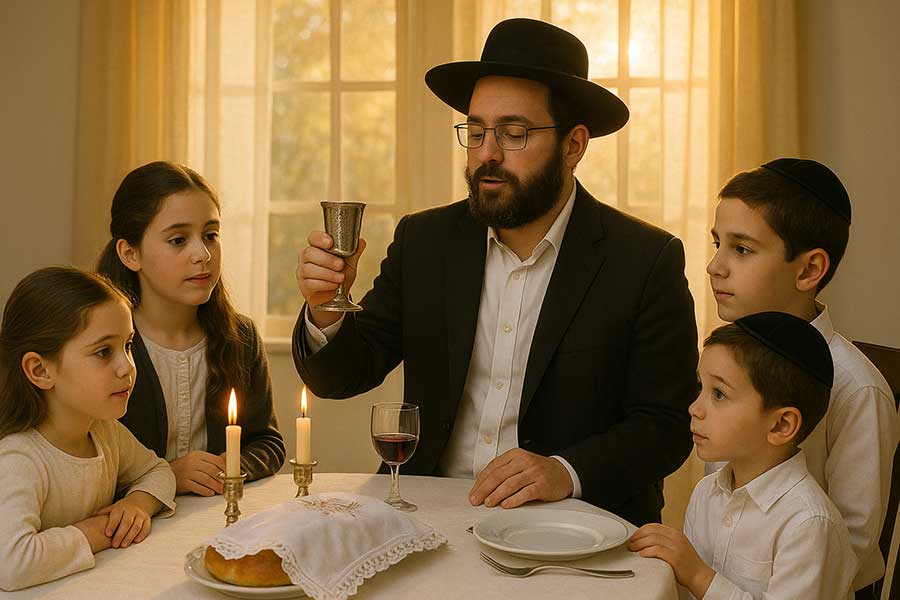
Since the case of early second night Yom Tov involves infringing on a holier day for the sake of a less holy one, it seems more analogous to davening Motzaei Shabbat Maariv and reciting havdalah after plag on Shabbat afternoon.

Yerushalayim was and always will be a city of unity — but unity of what? What do “Yeru” and “Shalem” each represent?
Have an enjoyable Lag B’Omer, beautiful Shabbat and a joyous and safe Chag Shavuot.

Preparing grasshoppers for consumption is very easy. No shechitah is required. And while there is a dispute among the rabbis whether they must be killed before they are eaten, this debate can be easily circumvented by freezing and killing them, ensuring that they die painlessly.
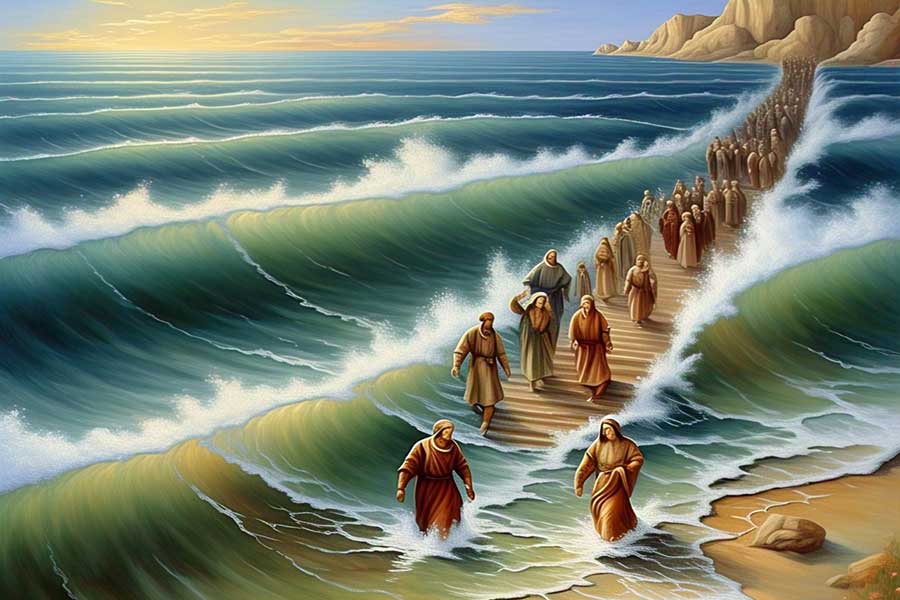
Trauma therapists speak about the difference between acute trauma, brought about as a result of one traumatic event, and complex trauma, brought about over a period of time, almost imperceptibly, due to a constellation of factors. If trauma can develop gradually, healing can too.
We are living through exceptionally challenging times, and we need Hashem’s mercy now more than ever. The best way to reach Hashem is by making sure that His children are cared for.
What was Moshe Rabbeinu was doing for those 40 days?

It seems like no coincidence, then, that we read Esther and Ruth at the beginning and end of this period in the year.
There is a deeper meaning behind the custom of dressing up on Purim.
By Lisa Liel
Judaism is about making distinctions and Israel and Amalek are polar opposites.

We are now entering the season of faith-building that begins at Purim and ends at Pesach. More than at any time in our calendar, it is a season when we remember the long-term
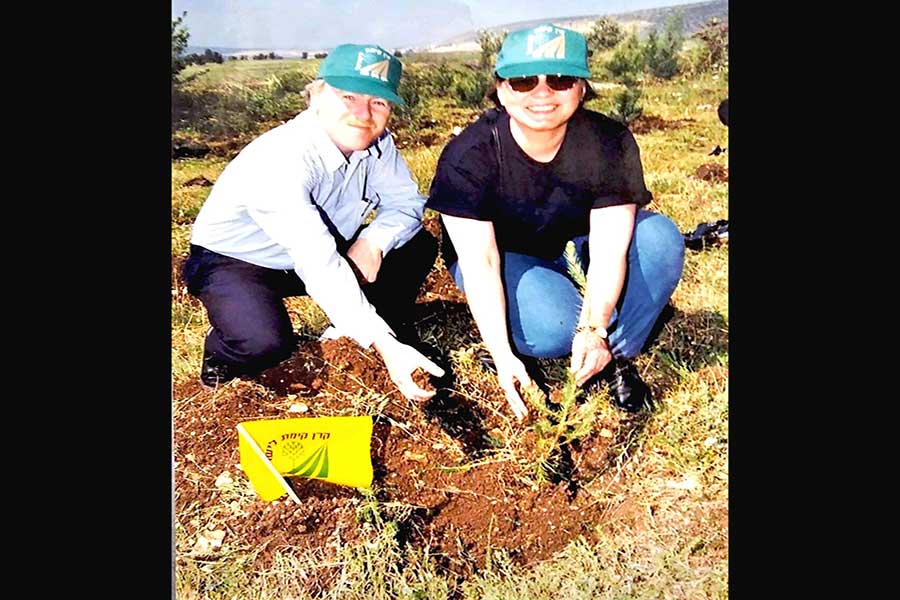
The quintessence of the story is that Abraham wanted to make it well-known to people that they should recognize G-d as the Creator and be grateful to Him. In order to get the audience for this message, he planted an eshel tree to make his place known and easily found.

One should take the opportunity afforded by Tu B'Shvat to reflect and thank G-d for the fruits that He has created for our enjoyment.

By Rabbi Lord Jonathan Sacks z"l
Jewish law rules that if we can only light one candle – the Shabbat light takes precedence, because in Judaism the greatest military victory takes second place to peace in the home.
By Bracha Goetz
The twenty-fifth makes her remember, Because it's Kislev - not December. She almost fell, like Hellenists of old. The twenty-fifth makes her remember, Because it's Kislev - not December. Once she, too, chose tinsel, not the gold.
Simcha, Sason & Chedva, and the distinctions between them.

We must remember that this world is merely the corridor to the palace (Avot 4:16), the gateway to the next world. This world and its pleasures are not the ultimate end goal.
We are commemorating the individual Jew, the lonely Jew, who was not connected to the nation in that moment, who felt alone, who felt broken, who felt lost, but who nonetheless was protected by G-d even though he or she was not surrounded by the clouds of glory.

So, this year we sit in our Sukkot with mixed emotions, recalling the glory days of the desert but also the dark days of the past year. As we sit within our fragile Sukkot, sympathize with the anguish felt by so many Israelis whose homes – once places of safety – proved incapable of protecting them.

Historically, some would fast on Rosh Hashana, intensifying the solemnity of standing in judgment before the Divine. Though this minhag has largely faded, this day remains one of muted joy, filled with reverence and gravity.
The last month of the Jewish calendar is actually the most important – serving as preparation for the High Holidays.
Tu B’Av is the holiday of bringing back together that which was apart
How is it that Rachel’s tears evoke such a powerful response from God? If we can make sense of this passage, it may be able to shed light on our process of mourning on Tisha B’Av, and help our tears and grief become a catalyst for action.
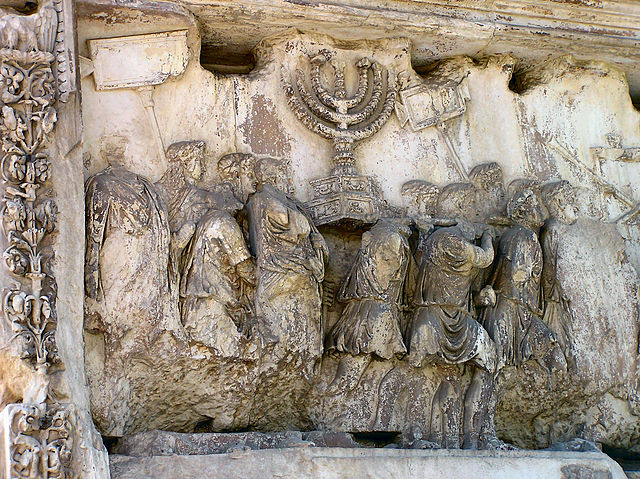
Overview and laws of the Jewish national day of mourning.

By Adina Broder
Just as a mourner would find a cheerful greeting to be out of touch with what he is experiencing, that is how we should feel on Tisha B’Av.

17th of Tammuz: Beginning 3 weeks of mourning for the destruction of the Holy Temple in Jerusalem.
The Jewish national period of mourning.
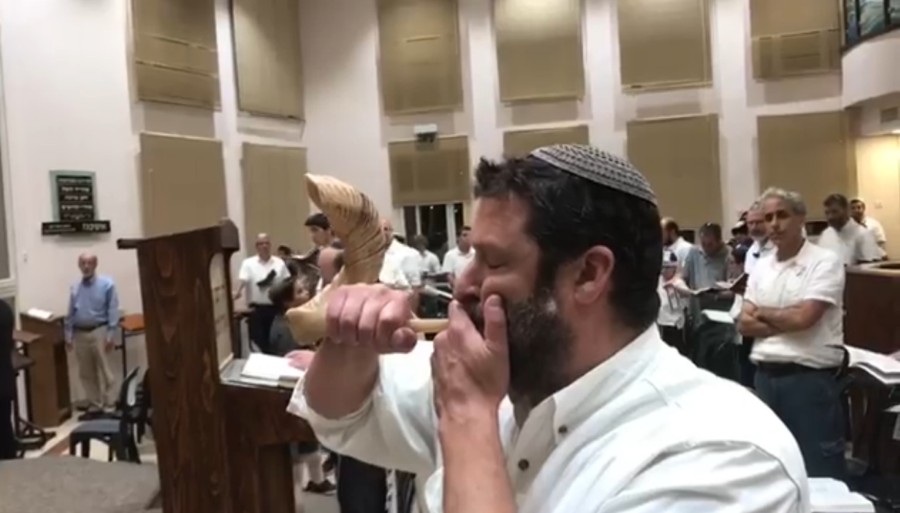
Ari talks about the holidays of Shavuot and Yom Kippur, the Shofar that connects the two holidays, and the indigenous people of the Land of Israel.
The Reading of Megillat "Ruth" on Shavuot has its roots in Masechet Sofrim.
Judging from the sources in the Talmud, there is more than a tinge of ambivalence about the non-Jews being left out of Matan Torah. Though the Talmud was written in the context of a nascent Christianity that preached a gospel to all men, it was likely more than this that prompted the rabbis to justify […]

Like all of the holidays since Simchas Torah, each community and individual needs to navigate how to observe and experience Lag B’Omer while a war rages in our homeland.
This year we savor Jewish sovereignty more deeply than in the past, when we may have taken it for granted.

Ari Fuld discusses: What are we celebrating on Passover and what are the lessons to be learned?
To see God’s Hand in our world is represented in the “bread of faith” known as the Matzah. To lose sight of God’s Hand in this world is represented by the Chometz.

By Jewish News Syndicate (JNS)
Kindness is greater than charity; we must open our homes to those in need of connection.
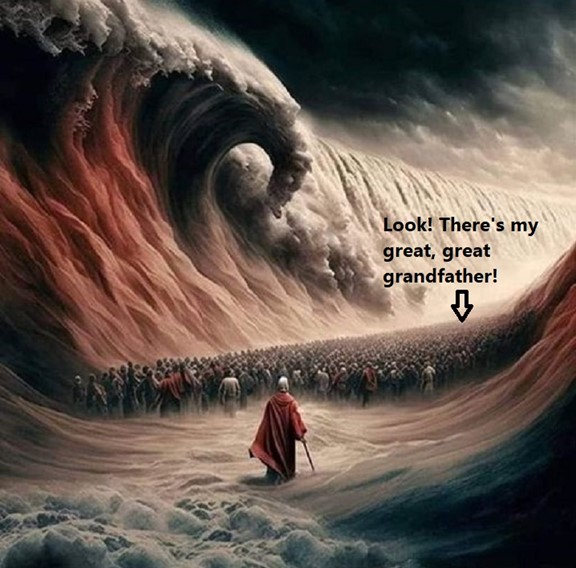
The Vilna Gaon says that the Haggadah is a handbook for the entire path of history the Jews will travel from Avraham to Messiah

The Exodus is central to our belief system and antithetical to Avoda Zara.

What is the significance of the counterintuitive approach advanced by the Raavya? What is gained by making bedikas and biur chametz intrinsically important within thirty days of Pesach, rather than simply ways to avoid problems once Pesach begins?
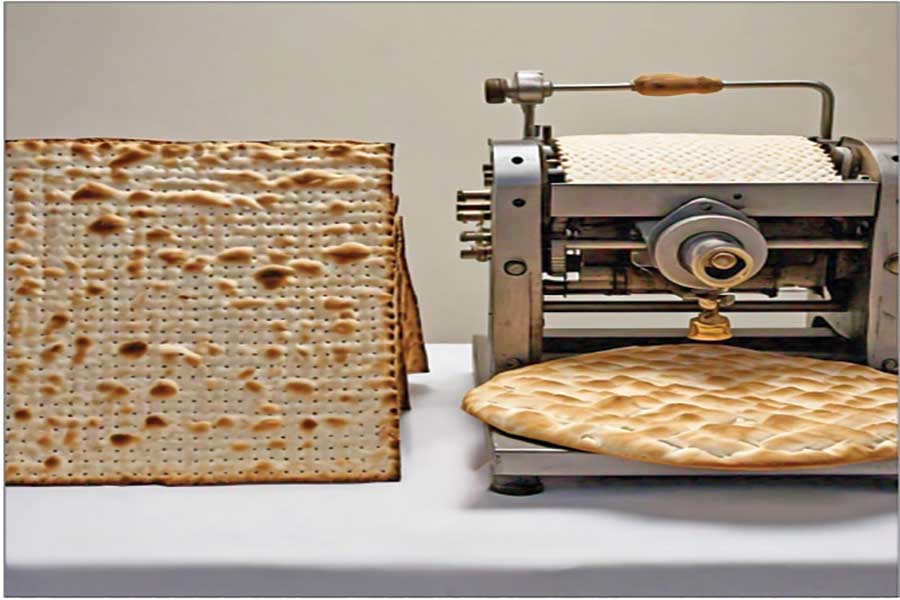
The Ksav Sofer also dismissed the square matzah concern by stating, In the merit of the four-cornered matzos, may Hashem redeem us from the four corners of the earth.
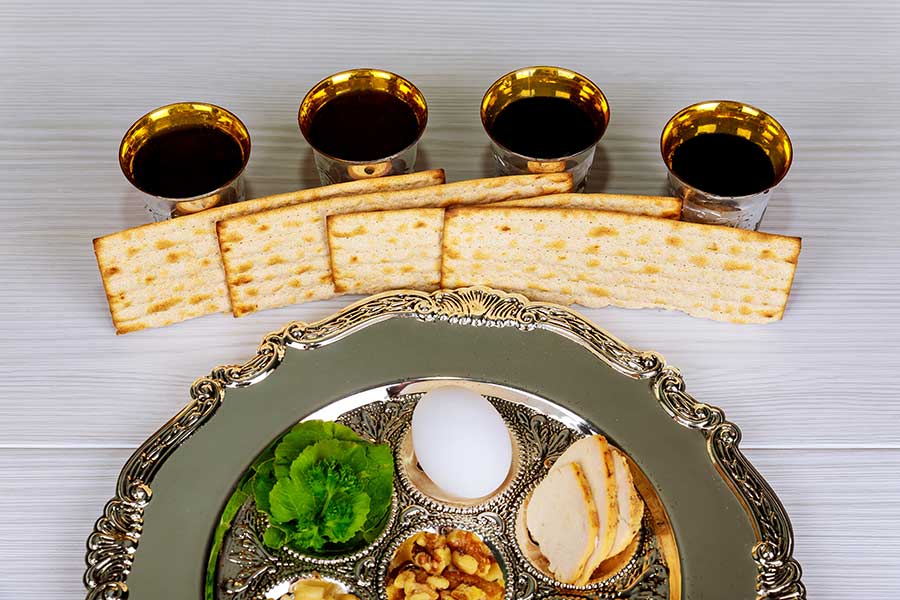
By Dr. Simcha Chesner and Dr. Sara Markowitz
Recognizing the need for targeted support during the holidays, Kosher ADHD offers pre-chag events to go over the aspects of the holiday that are most challenging for individuals with ADHD and their caregivers.
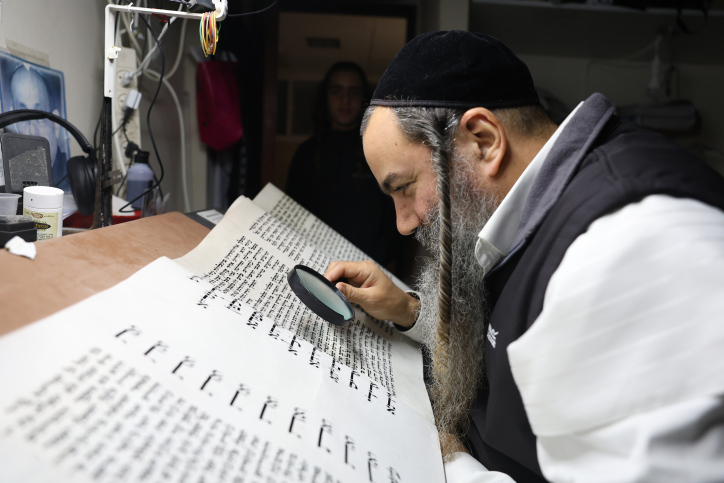
The myriad Jews doing so much for Am Yisrael – such as going on missions, attending rallies, donating funds, advocating on social media, picking vegetables, returning to serve in the army, sending gear, making tzitzit, purchasing tefillin, and saying Tehillim – all serve as the glue that is bonding and unifying us in these challenging times.
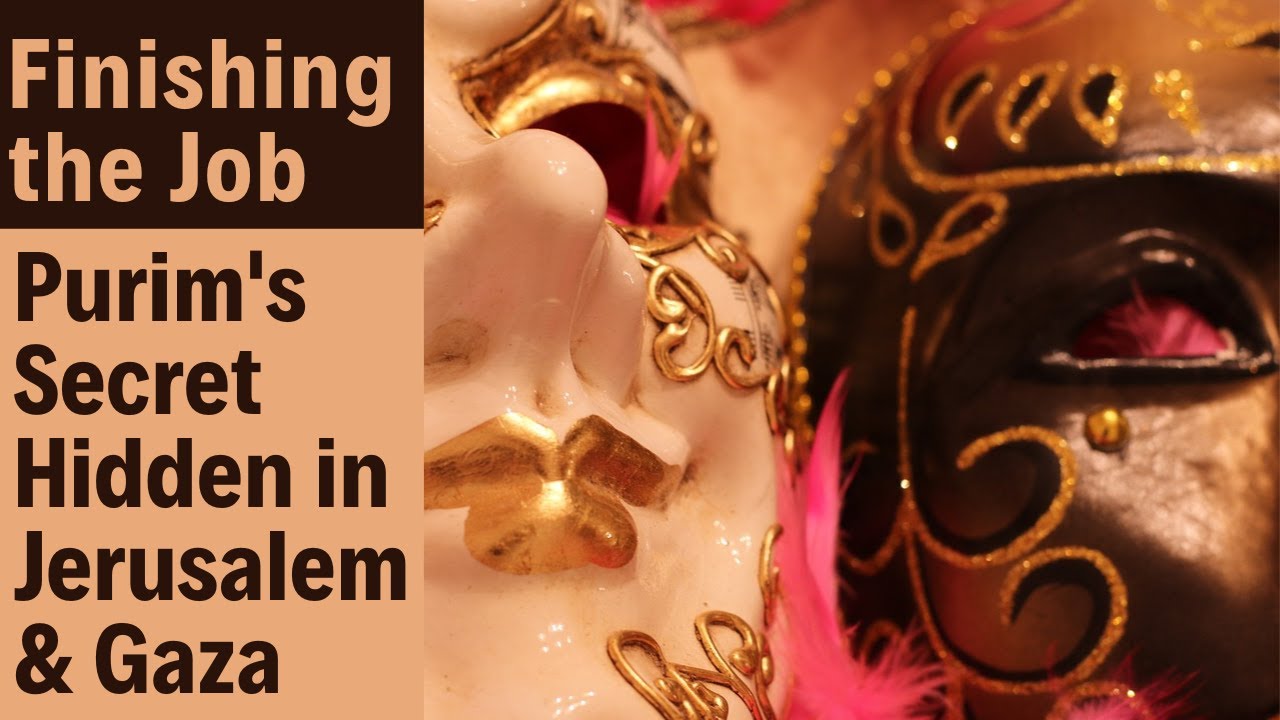
If you want to learn a mind blowing short & powerful class on Purim before the Holiday, Tehila delivers again!
The quintessence of the story is that Abraham wanted to make it well-known to people that they should recognize G-d as the Creator and be grateful to Him. In order to get the audience for this message, he planted an eshel tree to make his place known and easily found.

My father and his brother Paul survived inside a hollow tree, in the extremely cold Polish winter. How?
Good Shabbos, Good Yom Tov, Kesiva Vichasima Tova
I always found it quite incredible that the first mitzvah that we are called upon to do as Jews at the beginning of the year is to listen. To pay attention to exactly what it is that Jewish destiny is about.
The Temple’s loss led to the development of rabbinic Judaism, which enabled Torah Judaism to transcend geographic boundaries and take root all over the planet.
Boaz wasn’t sure if he would be the “go’el”, the redeemer, for Elimelech’s estate...
2 questions and their answers are an enlightening approach
The other purpose of charoset is symbolic. The traditional ingredients of the charoset mixture – nuts, figs, and apples – are used in Scripture to describe the Jewish people.
We see that the wine for Arba Kosot must be considered chashuv. Rav Moshe Feinstein, in turn, rules that grape juice is not chashuv.
It was on the night of the Seder that Avraham was rescued from the four mighty kings. It was on this night that the Jewish people were saved from Sancherev and his 400 battalions. It was also on this night that Achashveirosh had difficulty in sleeping and the seeds of Haman’s downfall were sown.
The month of Nissan comes in the spring; after a long, cold, and lifeless winter, the world comes to life. The reawakening of Nature is (to anyone yet young in spirit and heart, and not soured by the years and embittered by time) a call from G-d to man.
By dvora
Many Jewish communities have their own unique stories of salvation. When faced with calamity, either from a tyrant, war, or some other impending danger, these communities miraculously escaped. This is the story of a small-town in Galitzia
By Dror Eydar
As we celebrate Purim, perhaps we should look at the Talmudic interpretation of the holiday to better understand our contemporary era.
By Rabbi Lord Jonathan Sacks z"l
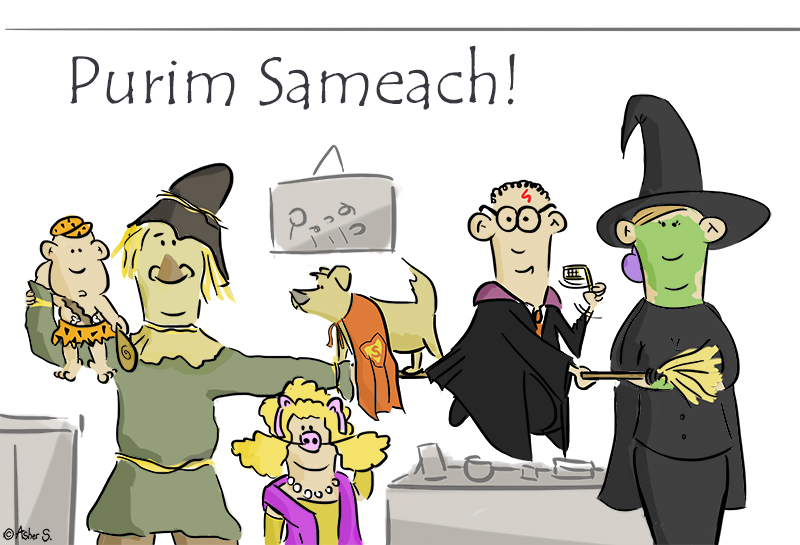
“The joy of Purim, the merrymaking, the food, the drink, the whole carnival atmosphere, are there to allow us to live with the risks of being a Jew – in the past, and tragically in the present also – without being terrified, traumatised or intimidated.”
Wishing all a Freilichen Purim!
By Dror Eydar
If we believe in our ability to resurrect ourselves and are loyal to it, the land will blossom and give us back love in return.
A Tribute in 5 Parts to 8 Days and 1 Great Victorian Novelist
Ari Fuld uncovers and explores the real miracle and lessons of Chanukah.
Wishing you a joyous Chanukah
Reb Yisrael and his sons erected their sukkah adjacent to the kitchen door of their palatial home in one of the Five Towns, as they had done for many years in the past...
 October 23, 2026


