יום חמישי, י״א חשוון תשפ״זThursday, October 22, 2026



Follow Us


Jonah Simcha Chaim Muskat-Brown is an educator, social worker, and freelance author from Toronto, Canada. He draws inspiration from the vast sea of Chassidic wisdom and the many works of psychology and human development as he empowers others to discover and unlock hidden potentials within themselves as they work towards unleashing their own greatness. Jonah Simcha Chaim is the author of Expanding Potential: Journeying Beyond Who We Think We Are.
Read More

We’re multifaceted people, with inclinations and inner drives toward spirituality and goodness as well as toward physicality and the opposite of goodness. This doesn’t mean that either drive is entirely positive or entirely negative on its own, but rather, we need to channel both these drives toward G-dliness.
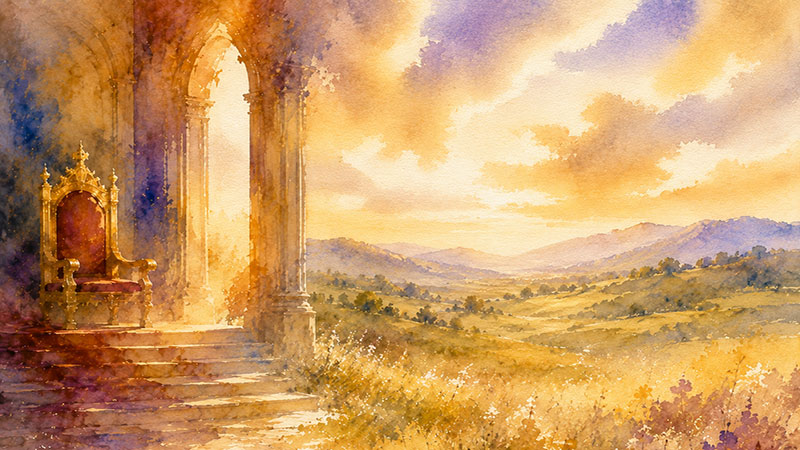
For a brief period – a mere 30 days – the King of kings comes out to offer each of us a personal invitation to embark on a new journey together.
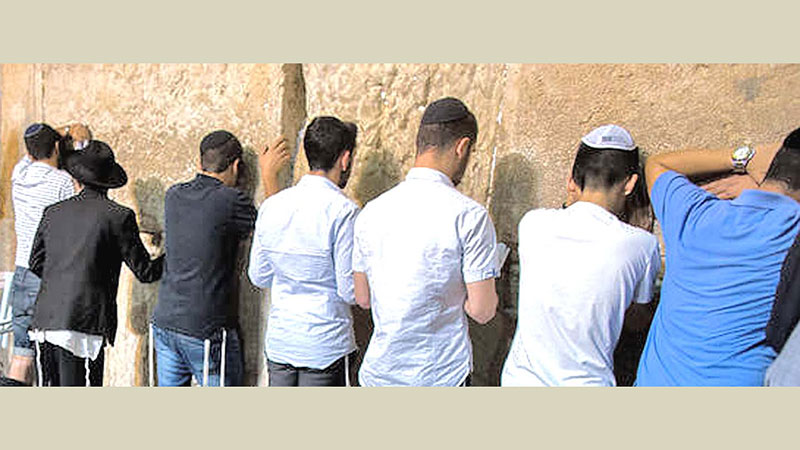
Through Chassidic teachings and timeless wisdom, this essay reveals how even our deepest collective pain can inspire healing, unity, and hope.

In the wake of the Jewish people’s collective wedding anniversary on Shavuos, I offer five dating mindsets that I’ve gleaned from those summers – for those of us still on the journey toward our chuppah, and those genuinely offering support along the way.

If our personal foundation isn’t all it can be at that time, regardless of how strong our spouse’s foundation is, our future together will be shaky; our weaker qualities will ultimately reveal themselves more clearly rather than improve.

If we’re asking questions solely for the purpose of receiving answers, we’re missing the point.

Esther believes in herself, not because she knows she’s externally beautiful or talented or popular, but because she knows that G-d believes in her.
Esther believes in herself, not because she knows she’s externally beautiful or talented or popular, but because she knows that G-d believes in her.
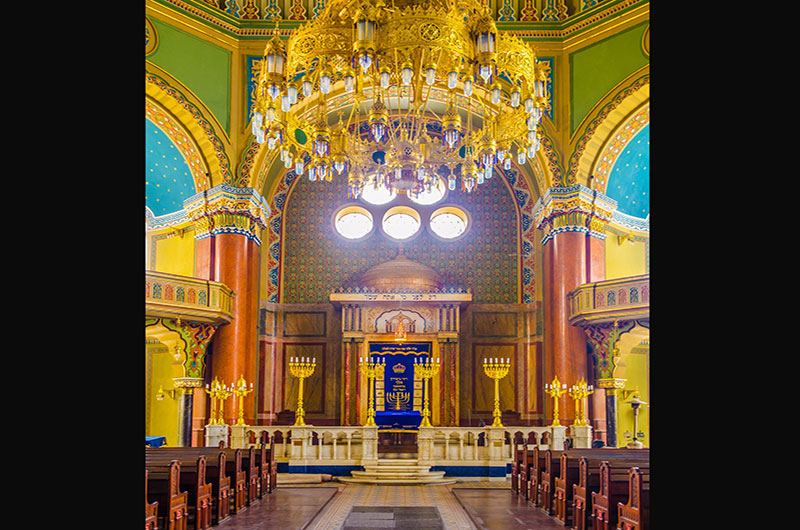
Priesthood is hereditary, only allotted to a few individuals. Holiness, by contrast, is applicable to, and attainable by, each of us.

Just as we gradually educate our children in bite-size pieces of knowledge and wisdom as they develop through life and before they come of age, so too did G-d bring this holy light into this lower realm before its time.
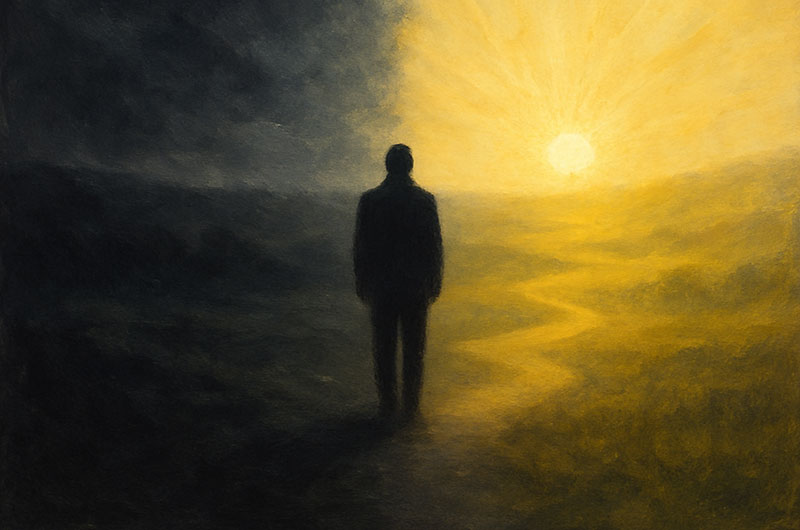
Rosh Hashana is very much a gray zone because it’s the day on which we stand between what was and what can be. It’s the day on which we judge, and are judged, for how great our future can look tomorrow.

If we’re asking questions solely for the purpose of receiving answers, we’ve missed the point.
Teshuvah isn’t something we do, it’s something we live.

As traumatizing as it had been, we had to experience slavery if we were to work to abolish it later on, when we were no longer the ones enslaved. We had to know what it was like to live under oppression, if we were to fight for justice in the years ahead.

But answering where we are forever depends on others and on causes beyond our control. Simply put, Ayeka can only take us so far – from the past into the present.
We need to remember that as important as marriage is, it's not our final destination.


 October 23, 2026


