יום ראשון, ז׳ חשוון תשפ״זSunday, October 18, 2026



Follow Us


Rabbi David Fohrman is the dean of Aleph Beta Academy. He has taught at Johns Hopkins University, and was a lead writer and editor for ArtScroll's Talmud translation project. Aleph Beta creates videos to help people experience Torah in way that is relevant and meaningful to them. for more videos, visit: alephbeta.org.
Read More

On the eve of battle, 4 groups can leave. Who are the 4 & what does it mean "allowed to go home"?
In Parshat Va'Etchanan, Moses speaks, a lot - but it all seems so boring, and disconnected. What is he REALLY talking about?
How is it that Rachel’s tears evoke such a powerful response from God? If we can make sense of this passage, it may be able to shed light on our process of mourning on Tisha B’Av, and help our tears and grief become a catalyst for action.
God just promised Abraham the land. Why is it that, though God keeps reassuring that this land is his, he refuses to settle down?
Why is there is no mention of dinosaurs, and other prehistoric animals, in the Torah?
The sages make a fascinating but perplexing comment concerning the actions of Aaron, brother of Moses....
After Israel sings a song of thanksgiving, curiously, Miriam then leads the women of the nation in a second song. Why?
This new perspective helps us understand Joseph.

The promise for long life only comes from 2 commandments; What's the connection between them?
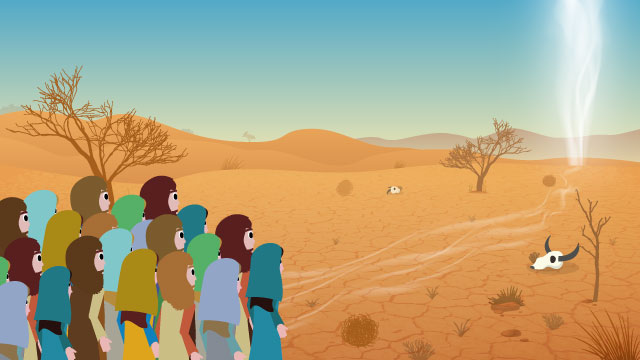
Drawing on the Maharal, Rabbi Fohrman gives us a novel approach to faith, and challenges us to rise to this level of intimacy with God and with each other.
The Torah is a book of great drama, why does the narrative ends with a seemingly-unnecessary story about a random conquest of some towns?
Is Pinchas, the title character of this parsha, and Eliyahu, the prophet of Kings, really one and the same?
Rabbi Fohrman explores a mysterious mishnah, in which our Sages compare Abraham and his students, to Balaam,
In this week's video, Rabbi Fohrman points to two fascinating stories which force us to ask a theological question: what impact, if any, can we have on God? Is it possible for us to influence God?
Are pessimists just rationalists, and is hope just naivete?
Rabbi Fohrman delves deeper into the Priestly Blessing and its relevant lessons,
The Torah may be suggesting something different than we have ever expected: the way we ask God to treat us may also be the way we ourselves should treat our children.

In this week's video, we look at Pesach, Shmita and Yovel and ask, where do we see Shabbat, and why does it matter?
In this video, Rabbi Fohrman makes a fascinating argument about how Shabbat works and shows that there ARE Shabbatot in different realms.
In this week's parsha, we are introduced to a strange set of laws related to the metzora, one afflicted with tzara'at. How do we relate to such laws?

This week's parsha discusses the sudden and disturbing death of two of Aharon's sons, Nadav and Avihu
In this week's video, we explore a section of Talmud that teaches about the 4 individuals who would bring a Thanksgiving sacrifice - but one of these four doesn't belong. Who is it?
In this video, Rabbi Fohrman contrasts the Torah's perspective of power and justice to the philosophy of Richard Nixon's famous line - "When the president does it, it is not illegal."
Both the mishkan and Shabbat are in this week's parsha. What is the thematic, conceptual connection between the two?
In this video, Rabbi Fohrman focuses on a bizarre question that Moshe asks God, "Why God, should you be angry at your people?" and reminds us that God and the nation of Israel are attached by destiny
In this video, Rabbi Fohrman shows us that the Torah argues that to create a better society, we must be proactive about addressing social and economic inequality.
Parshat Yitro contains the most important piece in the narrative of the Jewish people, the giving of the Torah on Mt. Sinai, when the nation and God are 'married.
In this week's video, Rabbi Fohrman explores the 7th, the transitional, plague and argues that God played off of Pharaoh's ego to show Pharaoh, Egypt and the people of Israel only God is all-powerful
According to the simple meaning of the text, it seems God took Pharaoh's free will. Rabbi Fohrman argues that the precise language-- kaved/chazek--shows that God DID allow Pharaoh to pursue his vision
Rabbi Fohrman discusses the medrash and suggests we put ourselves into the eyes of Pharaoh's daughter to help us see that when we want to achieve something, God will help us find a way to do it.
This week's parsha course unravels the sale of Joseph and discusses the implications "blame." Where does responsibility begin? And most importantly, how do I make moral decisions?
How do we reconcile Jacob's behavior, tricking his brother and lying to his father, with our vision of Yaakov as an ish emet, a man of truth?
We’ve seen Israel complain over and over, but never before have they tried to undermine and dispose of their leaders. Join us as we make sense of Korach’s shocking complaints, this week on the Parsha Experiment. This video is from Rabbi David Block and Immanuel Shalev. Want More? Join our growing community: https://goo.gl/xv0UbG Help […]
How could the spies have doubted God? How could they have sinned so egregiously?
How can we understand, and relate, to the Children of Israel, a seemingly ungrateful, chutzpadik nation as it crosses the desert?
In Parshat Naso, we are introduced to what seems like a hodgepodge of miscellaneous laws. Why is the Torah bringing these up together?
Bamidbar should open with the stories of the desert, right? Evidently not. Why?
The weird rituals of Yom Kippur sound magical… and irrational. How do they grant forgiveness for our sins?
This week, in Metzora, we'll dive a little deeper to find the meaning embedded in the strange rituals of becoming tahor, ritually pure.
The quest begins in understanding just what Tumah and Tahara are, and how these new definitions can truly impact our lives today.
What if there was a way for us to think about kosher that makes sense and can strengthen our relationship with God?
How can a modern day reader of Torah, understand and relate to the concept of animal sacrifices, Korbanot?
Aleph Beta helps us learn how to read the perplexing book of Leviticus.
Parshat Pekudei concludes the book of Exodus, known for its great stories. What did they teach us?
Why would the Israelites build the Mishkan differently than God commanded? What does this teach us?
Moses explores the question, "Is there ever a point of no return in my relationship with God?
What are the secrets God encoded within the Mishkan's walls? How can we integrate it into our lives?
How can we as 21st century Torah learners, find meaning and relevance in the Mishkan's construction?
In this week's parsha, the Israelites experience their highest high & lowest low within a few verses
Truly knowing God isn't just a matter of national relationship, most importantly it's a personal one
In Parshat Beshalach (Exodus 13:17-17:16) we're introduced to a nation of whiners and complainers. After years of slavery, the Israelites are finally a free nation! The next thing we should be reading is a love story between God and His people. But the honeymoon phase ends before it even begins. How can the Israelites complain […]
What's the deal with all these laws & what can they teach us about the true meaning of the Exodus?

Why was there so much repetitive conversation between God and Moses before actual Exodus from Egypt?
Who was Moses become he became MOSES?!
This week closes sefer Breishit; How did we come so far from the ideal nation set up by Abraham?
In Parshat Vayigash, we witness Judah's epic monologue to Joseph change the course of history --
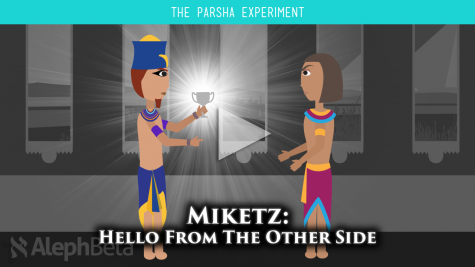
Tackling the story of Sale of Joseph & learning how to reconcile relationships with those we love
Is Vayeishev,this weeks parsha, a chapter in Genesis or an episode of Game of Throne?!
Join us as we consider the story of the Rape of Dina with the respect and understanding it deserves.
What is the Bible trying to teach us with this focus on Jacob and the theme of deception?
In the tales of Isaac one thing becomes apparent: He's rarely the main character in his own stories!
In our journey to understand the epic legacy of Abraham and Isaac, the stories of their actions and attributes are abruptly cut short by the urgent quest to find Isaac a worthy wife - welcome to the team, Rebecca. Clearly the text is trying to teach us that there is something unique and essential about […]
What does the odd bargaining session between Abraham & God mean? What does it teach about Abraham?
In this week's parsha, what do we learn about the intense power Abraham had to influence others?
Examining the frequent failures of humanity in this parsha and how they set the scene for Abraham.
Truly understanding the hidden meaning in Parshat Bereishit will provide insight to the entire Torah
Are we, through our prayers, able to convince God to change the course of history?

Rabbi Fohrman delves into psalm 90 connecting it to stories from Torah & the building of the Mishkan
How did Moses feel approaching the land of Israel, knowing he wouldn’t enter Israel with his people?

Ki Tavocan be broken into 2 main sections but is there a common thread that unifies our parsha?

Why do Rabbinic laws seem different than Biblical? What does law have to do with God & spirituality?

Is it because of merit or the promise to our ancestors that B'nai Israel gets to enter Israel?

Reaching a stronger understanding of what Moses actually did to prevent him from entering the land

Moses begins Sefer Devarim reviewing much of the 40 years in the desert & why he can't enter Israel
Analyzing the request to live on Jordan's other side to understand true communication: Trust&Respect

Why does the Torah group "random" stories together in Parshat Pinchas? Are they really RANDOM?

What's the nation of Israel's purpose in the world? How we can bring God's blessings into the world?
What was Moses thinking when he struck the rock?
What was so bad about the spies sin and how can we connect to such an angry, vengeful God?
WIth this week's parsha, Israel begins its 40 years wandering in the desert before entering the Land
This week's video discusses the important connection between the Priestly Blessing and parenting.
Why does the Torah use two different words for "to count," and what does each indicate?

What does the omer & agricultural laws pe'ah & leket teach about the Biblical approach to holidays?

Rabbi Fohrman asks what's the connection between animal sacrifices and leaving crops for the poor?
Rabbi Fohrman connects the metzora purification process with the korban pesach.
What do we learn about overcoming loss from the argument between Moses and Aaron's remaining 2 sons?

Rabbi Fohrman considers what it mean to bring God into this world through space and through time.

Over and over, the text tells us about "keeping" Shabbat, about holiness, and a covenant - but why?
How the 3 partitions of the mishkan each relate to a layer of creation, aiding our connection to God
The keruvim, or cherubs, appear in the tabernacle in three different places. What is their meaning?

Be Forewarned: Rabbi Fohrman on our forefathers and foremothers forming the law.

Connecting the Ten Commandments to the story of Moses and the Burning Bush.

A strange midrash of fruit trees surrounding the Nation of Israel as they walked to freedom

Before performing the 10th plague God makes a fundamental argument about the ultimate nature of justice.

Rabbi Fohrman asks about an interesting name of God and leads a whirlwind tour of modern cosmology
Rabbi Fohrman explores a midrash about God's names in this week's parsha

Rabbi Fohrman addresses the question, "Do we ever feel God's tap on our shoulder?"
Rabbi Fohrman explores the question of how God communicates with us today.
Exploring the connection between Pharaoh's dreams and the story of Joseph being sold into slavery.


 October 16, 2026