יום רביעי, י״ט תשרי תשפ״זWednesday, September 30, 2026



Follow Us


Rabbi David Fohrman is the dean of Aleph Beta Academy. He has taught at Johns Hopkins University, and was a lead writer and editor for ArtScroll's Talmud translation project. Aleph Beta creates videos to help people experience Torah in way that is relevant and meaningful to them. for more videos, visit: alephbeta.org.
Read More

Using Joseph's story to understand what non-prophetic communication with God could look like today
Rabbi Fohrman addresses "What is in a name?"
There's a perfect mirror between Jacob running away from Esav to when he reunites with his brother.
Looking at examples of the word "toldot" to argue we produce not only children but vision and legacy
What is the surprising connection between Eliezer and Samuel? Find out with Rabbi David Fohrman
The story of Vayeira is a basis for our slavery and ultimate exodus from Egypt.
How do the stories in Lech Lecha help us understand the central tension of Abraham's life, legacy?
Rabbi Fohrman:" Great evils are often wrought by those who are blithely unaware of the power they wield."
The Jewish world today is a critical part of the timeline in Jewish history.

Once we recognize that our separation from God is our fault, how do we repair it?

As Moshe is about to die, why does God tell him about how the Israelites will ruin everything?
Shoftim: The Line Between Murder And Apathy
We give slave gifts? If he wants to stay, we pierce his ear?!
Moses tells us what G-D wants from us...
The 10 Commandments: So few words; so much meaning.
Since the Children of Israel knew firsthand all the miracles God had done for them, how could lack faith?

Parshat Masei: Rabbi Fohrman addresses the age-old question, are we our brother's keeper?
Over the next 2 weeks covering portion Matot and Maasei, Rabbi Fohrman will bring order to confusion.

The midrash says that Pinchas, (this parsha), and Eliyahu, prophet of Kings, are one and the same.
What was the small act of Moshe talking to the rock meant to teach the people of Israel?
Is it possible for us to influence God?
Are pessimists just rationalists, and is hope just naiveté?
Rabbi Fohrman delves deeper into the Priestly Blessing and its relevant lessons

Is parsha Naso teaching us how we should treat our children?
Rabbi Fohrman gives us insight into what it truly means to be a teacher.

In this week's parsha a stark choice is presented: follow God and live, or abandon Him and die.
What does it mean, conceptually, to see Shabbat in different worlds?

Rabbi Fohrman makes a fascinating argument about how Shabbat works and shows that there are shabbatot in different realms.
Rabbi Fohrman explains how the Torah provides the building blocks of true love.

Yom Kippur is called one of the days of awe. What does awe have to do with forgiveness for our sins?

while each of us is an individual, we are also part of a larger unit
This week's parsha deals with the strange set of laws dealing with tzara'at.

Welcome the book of Leviticus!
How do the pieces of this puzzle come together to help us understand how the Torah builds together?
This exciting and daring video and challenges us to be more God-like in our actions.

The Jewish people commit the worst sin possible - worshiping a false god.
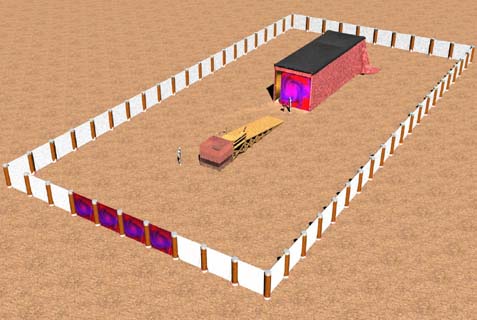
How can God be both outside of space and time, and in our physical world?
The mishkan represents the 'face' of God.
Worse, a female child, being sold by her parents!

The nation and God are 'married.'
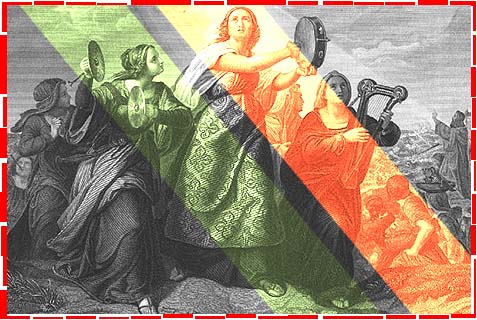
Why did Miriam lead the women of the nation in a second song?
How could He do such a thing?
We need to put ourselves into the eyes of Pharaoh's daughter.
When Joseph agrees to bury Jacob in Canaan, Jacob bows to him in relief - why?
A fascinating Biblical echo
Are we really meant to applaud Yaakov's behavior?
What does the parsha teach us about the nature of heritage?
What Rashi's take on Sarah's life means to us.


 September 25, 2026