October 2, 2026
 In Exile, We Light: Mikeitz and the Defiance of Chanukah


The Shabbos after October 7, 2023, I, like many others, took on the minhag to light an extra candle. It was a small act, but a deliberate one: in honor of the hostages, for the innocent bloodshed, and for the ache that refused to be forgotten.
That same week, I made another decision. I adapted the mitzvah that is usually reserved for the Chanukah lights: placing the candles in the front of my home, where they can be seen from the street. Applying it to our weekly Shabbos lights, I opened the blinds wide, making sure the glow was visible to anyone passing by.
It was my quiet act of defiance. A way of saying: I will not be afraid of being Jewish. I will not let fear dictate my rituals. And I will not let the darkness swallow our light.
This is the miracle of our moment. Not that the world is healed, but that we keep lighting anyway. That we continue to lead with flame. That we resist despair through ritual. That we choose visibility, even when hiding might feel safer.
Managing the Long Night
In Parshas Mikeitz, Yosef rises from prisoner to viceroy of Mitzrayim. His leadership is marked not by dominance, but by strategic foresight and emotional restraint. He interprets Pharaoh’s dreams and proposes a plan that saves a nation. Seven years of plenty, seven years of famine, store grain now, build infrastructure, appoint leadership. His power is earned through wisdom, not force.Rabbi Shai Held writes: “True greatness lies not in power over others, but in the ability to see others clearly, even those who once harmed you.” Pirkei Avot teaches: “In a place where there are no people, strive to be a person” (2:6). Yosef leads not because the system invites it, but because the moment demands it.
In Zechariah, Yehoshua Kohen Gadol stands accused, his garments soiled. Hashem rebukes the accuser and clothes Yehoshua anew – not because he is flawless, but because he is willing to stand again. Leadership here is not perfection. It is renewal. It is the courage to rise when the world questions your worth.
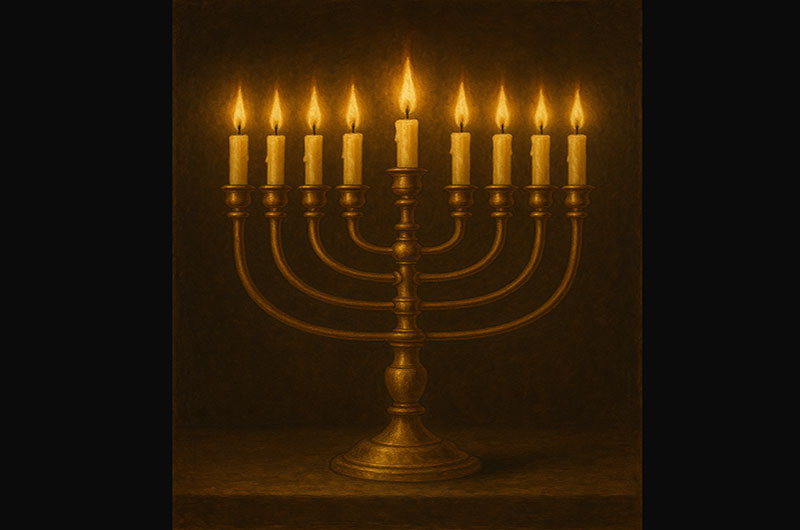
Then comes his vision: a golden menorah flanked by two olive trees, each feeding it with a steady flow of oil. It is a striking image of sustainable leadership. It is nourished not by force, but by spirit. And Hashem Tzevakot, Sovereign of Hosts, declares:
“Lo b’chayil v’lo b’koach, ki im b’ruchi” – Not by might, nor by power, but by My Spirit (Zechariah 4:6).
Chanukah reframes leadership once more. The Chashmonaim fought, yes, but the miracle we celebrate is the decision to light the menorah with oil that should not have lasted. It was not just faith – it was strategy. A refusal to wait for certainty. A declaration that even a single day’s worth of light is worth igniting in the face of darkness.
Today we are navigating upheaval that is political, institutional, and even spiritual. The rules are shifting; the ground is unsteady. But the model we inherit from our texts is not paralysis; it is movement. It is showing up. It is interpreting the dreams of a broken world and offering a plan. It is standing in soiled garments and trusting that renewal is possible. It is lighting the first candle, even when the outcome is unknown.
Leadership in the long night is not about certainty. It’s about courage. It’s about vision. It’s about trusting that the oil will last. Not because we’re sure, but because we’re committed to lighting it anyway.
Ritual as Resistance
Ritual is often mistaken for routine. Something done out of habit, inherited without thought. But in times of fear, ritual becomes something else entirely. It becomes resistance. It becomes a declaration of presence.When Yosef names his sons, he doesn’t just mark a personal milestone. He reframes his exile. “Ki nashani Elokim es kol amali,” he says of Menashe – Hashem has made me forget my hardship. And of Ephraim: “Ki hifrani Elokim b’eretz onyi” – Hashem has made me fruitful in the land of my suffering. These names are not passive. They are ritual acts of reclamation. Yosef doesn’t erase his pain – he consecrates it.
In Zechariah, the renewal is not private – it’s public. The garments are changed. The menorah is revealed, fed by a hidden source of oil. This is not just about purity; it’s about visibility. About standing in the light, even when the world tries to cast shadows.
The Talmud teaches: “The mitzvah of Chanukah is to place the lamp at the entrance of one’s house, on the outside” (Shabbos 21b). Visibility is not merely a detail; rather, it is the point. Elie Wiesel reminds us: “Even in darkness, it is possible to create light.” Ritual is how we remember. How we resist erasure.
Today, many Jews feel the pressure to disappear. To remove the kippah. To tuck in the Magen David. To dim the light. But ritual becomes protest. Lighting candles. Singing Maoz Tzur. Opening the blinds on Shabbos. These are not small gestures.
They are acts of spiritual defiance.
They say: We are still here. We are still lighting. We are not afraid.
Moral Clarity in Ambiguous Times
Leadership is not forged in ease. Instead, it is tested in complexity. It is when the path forward is unclear, when every choice carries weight, and when the cost of silence is high. In such moments, the Torah does not ask us to be certain: it asks us to be principled.In Parshas Mikeitz, Yosef holds power but does not wield it for revenge. When his brothers arrive in Mitzrayim, he tests them. It is not to punish, but to discern. He searches for the truth. For change. For the possibility of reconciliation. His leadership is measured, not reactionary. He uses authority to reveal character, not to dominate.
In Zechariah, Hashem offers a radical redefinition of strength: “Lo b’chayil v’lo b’koach, ki im b’ruchi” – Not by might, nor by power, but by My Spirit. Leadership is not about control. It is about spiritual alignment. About standing firm in values when everything else feels unstable.
Chanukah echoes this clarity. The Chashmonaim didn’t wait for perfect conditions. They acted. They lit the menorah with what they had. That act wasn’t just hopeful – it was moral defiance. It declared: We will not let desecration define us.
Elie Wiesel once said: “We must always take sides. Neutrality helps the oppressor, never the victim.” And Rabbi Tarfon reminds us: “It is not your responsibility to finish the work, but neither are you free to desist from it” (Pirkei Avot 2:16).
Today, moral clarity means choosing principle over ease. It means resisting the temptation to flatten our ethics for comfort or consensus. It means leading with spirit, not just strategy. And it means trusting that our light, our values, our commitments, our discernment still matter, even when the world feels dim.
The Miracle of Choosing Light
The miracle of Chanukah was never just about oil. It was about the decision to light. To act. To rededicate.In Parshas Mikeitz, Yosef doesn’t wait for ideal conditions. He leads in exile. In Zechariah, Yehoshua Kohen Gadol is restored not because he is flawless, but because he is willing to stand again. And in our own time, we light candles not because the world is healed, but because we refuse to let fear extinguish our flame.
With each candle, each prayer, each act of ritual, each moment of visibility comes a choice. It is a choice to lead and a choice to resist despair. It is a choice to affirm that Jewish life is not defined by darkness, but by the light we insist on kindling.
The Talmud asks: “Why do we light the Chanukah lamp?” and answers: “To publicize the miracle” (Shabbos 22a). But we do more than publicize. We participate. We become the miracle.
Let it be said:
We lit the first night with trembling hands, and still we lit the second. By the third, we sang louder. By the fourth, we opened the doors. By the fifth, we invited others in. By the sixth, we remembered the names. By the seventh, we danced in the glow. By the eighth, we knew: This light is ours to carry. And beyond the eighth We become the wick. We become the flame. We become the ones who keep it burning.
This year, as the menorah shines from our windows and the Shabbos candles glow behind open blinds, we remember:
We are not waiting for miracles. We are making them.