יום שני, ט״ו חשוון תשפ״זMonday, October 26, 2026



Follow Us


Raphael Grunfeld is a partner in the Wall Street law firm of Carter Ledyard & Milburn LLP. He received semicha in Yoreh Yoreh from Mesivtha Tifereth Jerusalem of America and in Yadin Yadin from Rav Dovid Feinstein, and attended his weekly parsha shiur for twenty years.
Read More

The blessing that we have been given and that will never fade is on two levels – the spiritual and the physical. On the spiritual level, the Torah, which has been given to us, will never become old... And on the physical level, the blessing of prosperity G-d gives will also not become a gift of the past.
Noach expected justice. He walked in tandem with a G-d of justice, Et haElokim. If he obeyed G-d’s command not to steal, he expected to be rewarded with food to eat. That’s justice. If that bargain was broken, he felt he would be justified in stealing.

Why is the Torah telling us this? What difference does it make what name G-d gave them? After all, the Torah is not a vocabulary book?
Even though the fortunes of other nations may be determined by the stars, the fate of G-d’s holy nation is in His hands (33:3). The Jewish nation has earned His protection because they squeezed themselves around the base of Mount Sinai and accepted the yoke of G-d’s Torah (33:3).

For those who have climbed the ladder of spirituality and find themselves closer in devotion to heaven than to earth, the harsh word Va’adabera is not an alienating phrase. That the good life as we know it can devolve into a life of misery, if we ignore the Torah, is a fact not a threat.

Each day we wake up to a new creation because never mind how many times we have studied the same Torah, Mishna or Talmud, it is always new. We always see something in it we never noticed before.
It is all about giving. G-d is giving you the land and you are giving Him its first fruits. That sets the tone of life, the purpose of creation.
Each Rosh Hashanah we beseech G-d to show us clemency and not throw the book at us. We will be in a much better position to ask for this treatment from G-d, if we did not throw the book at others.
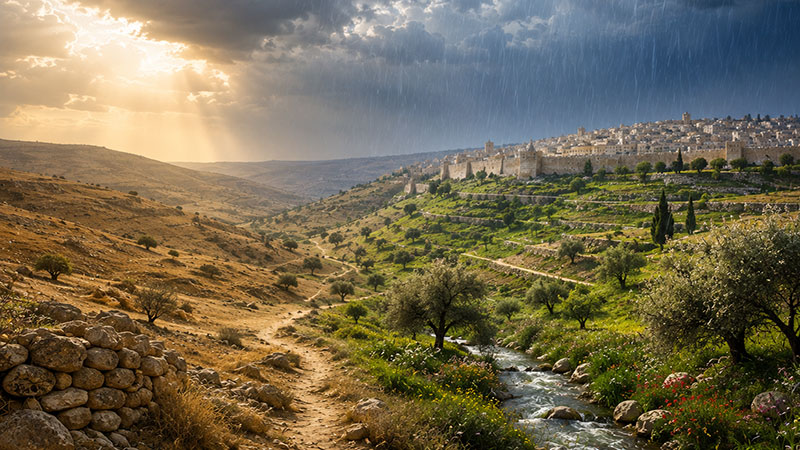
It will rain in Israel only if we acknowledge the source of rain, like Adam HaRishon who understood that he had to pray for rain before it would come down (Rashi, Bereishis 2:6). The price we pay for rain is adherence to justice.
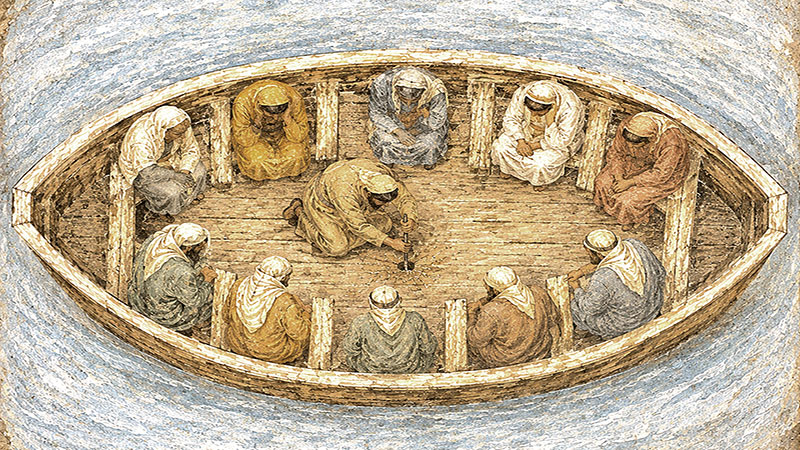
What G-d gives us will not lead us astray. But what we grab for ourselves might spoil us.

The listening we have to do is to the echoes of the footsteps of Avraham, Yitzchak and Yaakov, who left their imprint in the sands of time, as recorded in the words of the Torah.

The knot of G-d’s tefillin symbolizes the permanent tie between G-d and His people.

Now the time was ripe to draw their attention to their shortcomings. That was the only way he could prepare them for the laws of Bein Adam Lechavero, the laws of social interaction, that he was about to lay out before them (1:8).
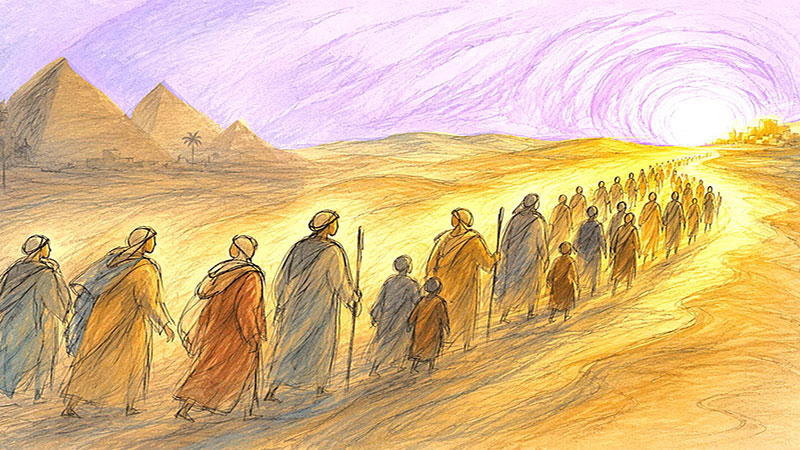
Since the goal of leaving Egypt was to go to Eretz Yisrael, why does the Torah say that they journeyed out of Egypt? It should have said they journeyed toward the land of Israel?
Because the words of Torah gladden the heart, studying Torah is forbidden when Tisha B’Av is on a weekday, except for passages in Scripture that deal with the destruction of the Temple and other calamities.

It is the job of the kohen to appease G-d’s anger even as it is stoked by the infidelities of His people.
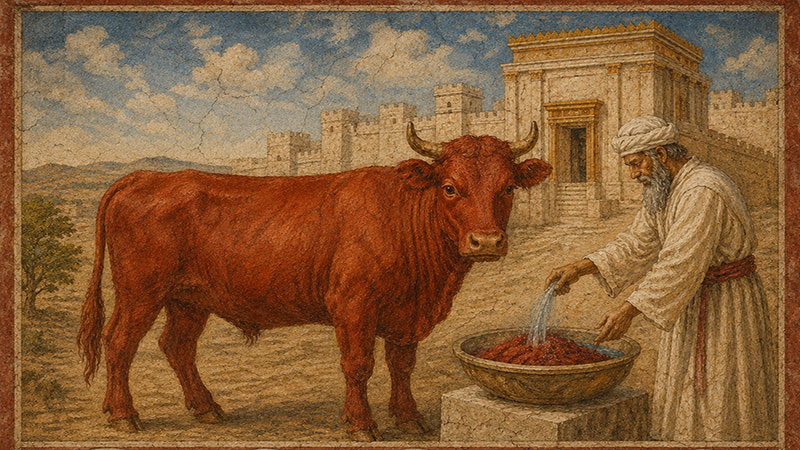
The Torah gives one the energy to get up each morning and enjoy the day. Learning Torah, keeping it and loving it is the key to life.
What Korach failed to understand was that both Moshe and Aharon were reluctant leaders. Moshe argued with G-d when G-d picked him as the leader.
Chazal tell us that a person’s character can be found in his name. If one looks at the names of the spies, one can discern certain innate positive qualities, but one cannot be certain whether the bearer of the name will use those attributes for good or for the bad.
That life gave them all the time in the world to study the Torah free from the worries of a livelihood. Now, however, they were about to enter the real world, where the physical and spiritual juggle and compete for space.

It is not fear of having to account for one’s misdeeds after one dies that should be the motivating factor. It is the love of life that should inspire him, the love that is generated by keeping the daily mitzvos and learning His Torah.

It is this choice that everyone has between faith and cynicism, between optimism and pessimism that the opening words “in the wilderness of Sinai in the Tent of Meeting” address.

On Yom Kippur we ask G-d to waive the rights He has over us to exact retribution for our sins. Have we done for others what we are asking Him to do for us on this day?

Why is Shabbat listed as the first mo’ed before the mo’adim of Pesach, Shavuos and Sukkos. which we usually associate with the word chagim (23:3)?

There was another way of explaining why the Jews resorted to worshiping the golden calf so soon after witnessing the presence of G-d at the Revelation. It was not that they had become Bible critics. They were simply giving in to their human urges, even as they believed in G-d and His Torah.

Now that he had served out his time and would soon be eligible to rejoin the world, why was he not eager to undergo the purification ceremony to be administered by the kohen which would be his ticket back to freedom?
We are not there to reason on behalf of G-d. If G-d promises that something will happen, it will happen. How? That’s not our business. Our business is to fulfill the positive commandment of Kiddush Hashem and G-d will work out the rest as He did with the ram that showed up to save Yitzchak.

Like the poor, the kohanim had no possessions of their own. They were entirely dependent for their livelihood on the grace of G-d and the donations of the people.
Originally G-d wanted to transmit the Torah and all of its laws directly to the people. But the people beseeched Moshe to relay G-d’s words to them for if they continued to listen directly to G-d, they feared they would die (Shemos 20:16).

Each of us has his or her personal story about how this concept of an undisturbable day of rest, so counterintuitive to the ideals of the society we live in, has enriched and prolonged our lives.

Being that their acceptance was under duress, the Jews had an escape clause. They could unilaterally revoke the covenant with G-d and abandon their status as the Chosen People at any time.
The Choshen Mishpat atoned for miscarriages of justice. It was fastened so tightly that it would never stray from the Ephod (28:28).

What personifies G-d’s presence in the Mishkan most of all? It is the Torah, in the form of Tablets of the Law. The Torah is G-d’s representative on earth. We communicate with Him by studying His words.
We are also told that when we lend money, we may not charge interest. What? The whole banking system and world economy runs on interest. Why should someone else profit from my money free of charge?
Yisro saw that the Jews were attacked by Amalek from behind, when they were weak and exhausted. The natural course of events should have resulted in their total defeat. But he witnessed G-d’s prescription for salvation.

They needed another forty years during which time G-d would show them more indisputable miracles like splitting the sea, extracting water from a rock and raining manna from heaven.

Unlike Moshe’s previous meetings with Pharaoh in which he was instructed by G-d to ask Pharaoh to release the Jews and threaten him with plagues in the hope that he would comply, in the opening scene of Parshas Bo, G-d gave Moshe no such instructions.
But the people were overworked and under pressure and they had no time for seemingly empty promises... It was hard for them to believe in a vacuum. They needed to see some concrete results.

The 12 sons of Yaakov did not assimilate into the Egyptian culture. They did not change their Jewish names, shemam, they did not abandon their Hebrew language, leshonam and they did not discard their traditional attire, malbusham – which three Hebrew words form the acronym shalom, peace.
Despite the travails of the past, Yaakov did not regret the hardships he experienced. They were all part of the mosaic called life without which he would never have reached this peaceful destination.
We know that Yaakov never referred to Yosef as having died. He referred to Yosef in the same way as he referred to Shimon after he was imprisoned (42:36).
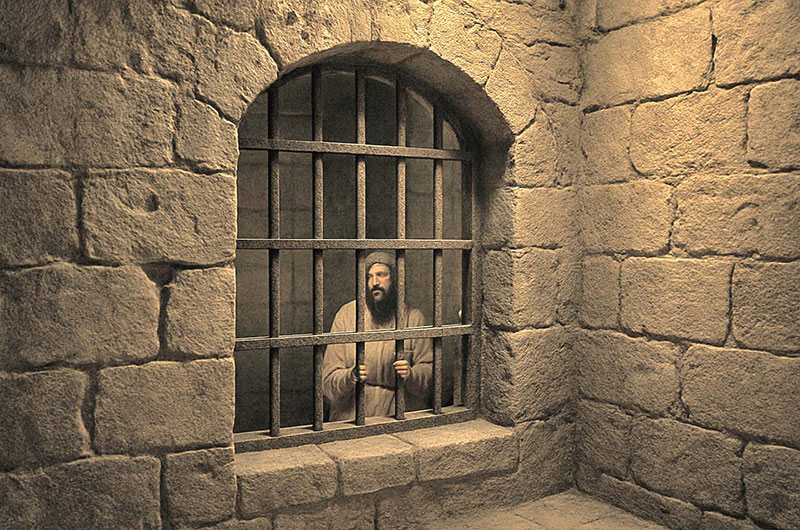
What was Yosef’s sin that deserved this punishment? Is it not a rule that one should not rely on miracles? Rather, one should try one’s best to solve the situation on one’s own and only when one has exhausted one’s human capacities will G-d take over? So, what did Yosef do wrong?

The dreams which Yosef repeated, which he should have kept to himself, in which he lorded it over his brothers, so enraged them that they decided to preemptively kill Yosef, before he killed them. How do you kill a brother? You try to forget he is a brother. You estrange him.

By taking all of these precautions, Yaakov managed to overcome the murderous designs of Eisav, to the point that Eisav dropped his lethal plans and suggested that he and Yaakov travel through life together, as one unit. Let’s travel on together (33:12).
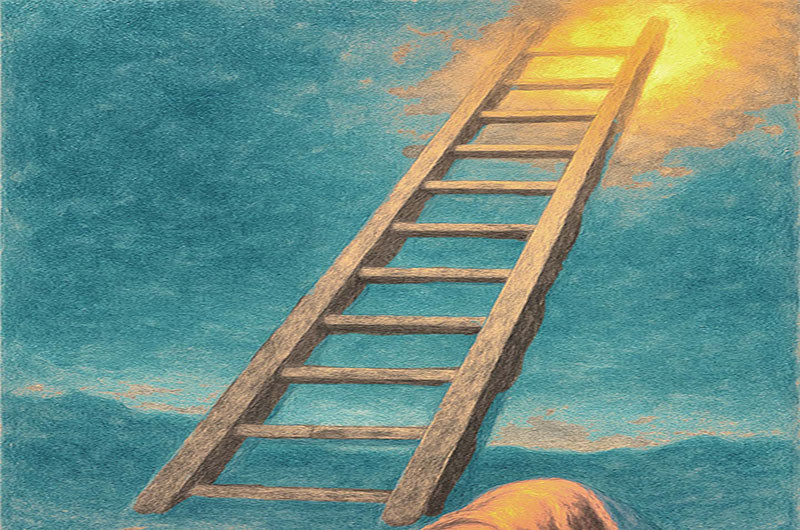
Having become an expert in the laws of Choshen Mishpat, Yaakov now felt ready to duel with Lavan.

That is our oxygen tank on this alien planet. If we discard that tank we will perish in accordance with the laws of nature.
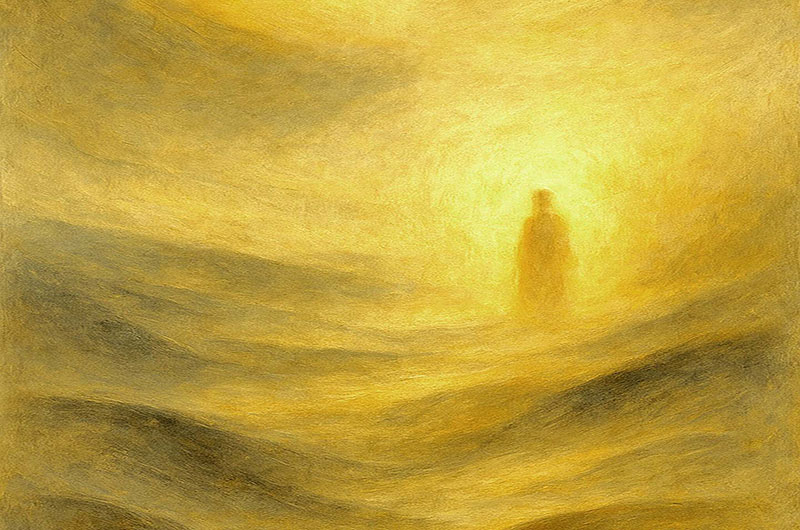
Usually when someone dies, the first reaction is to cry. After drying one’s tears, one collects one’s thoughts and eulogizes the deceased. In the case of Sarah, however, we are told that the tears came after the eulogy.
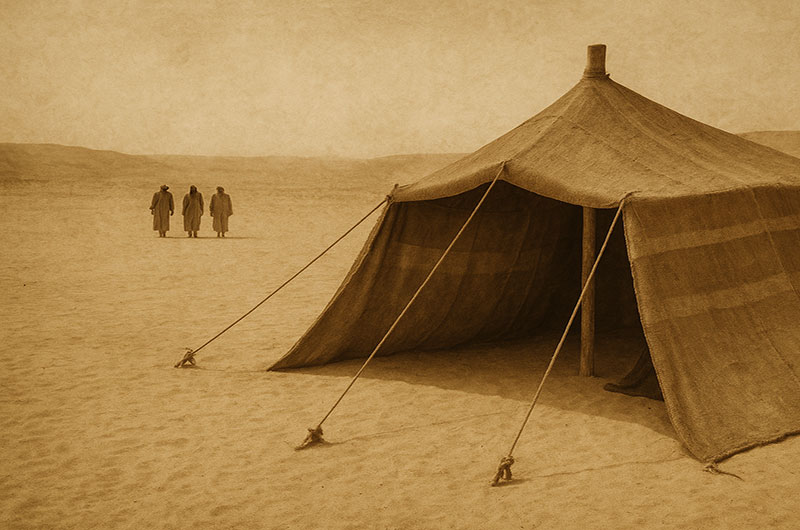
We are told that the encounter between Avraham and the three travelers took place on Pesach (Bava Metziah 86a) and that the “ugos,” the cakes that Sarah baked for them, were matzot. Here again the power of hospitality had its magical effect.
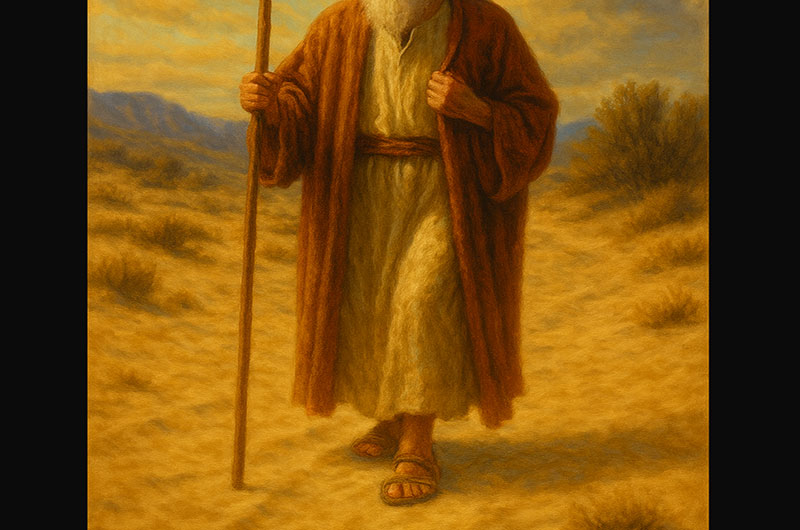
As a result of the gifts Pharaoh lavished on them, both Avram and Lot became extremely wealthy. But they related to their wealth very differently.

Shem refined his father’s philosophy. For Shem, life itself was compensation enough for one’s good deeds and he did not complain if he received nothing more.

From our very inception, our existence was a miracle. Avram was unable to have children at his advanced age, but Avraham, the Av hamon goyim, the father of all nations, who spread the message of monotheism worldwide, was able to have a child.
What Moshe was saying was that once G-d has forbidden him to do something, then even if he was physically able to do the forbidden thing, he was spiritually unable to bring himself to do so.
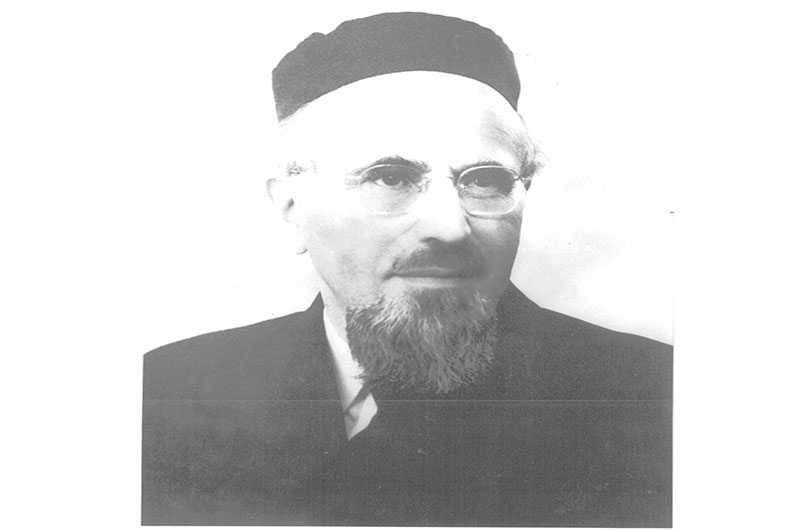
As a follower of Rabbi Hirsch, he believed in the formula of Torah im Derech Eretz, which he defined as steadfast loyalty to Torah and tradition combined with participation in the social, economic and cultural life of the country where the Jew has been welcomed as a citizen.
The only way to appease one’s conscience when giving in to one’s most extreme desires is to violate all the prohibitions of the Torah, even those that do not give one any pleasure.
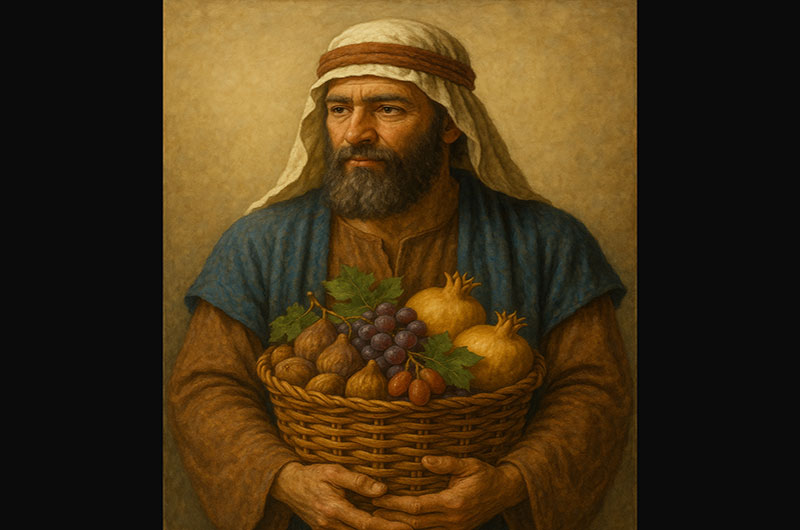
The gift of Bikkurim has to be wrapped in a way that is fit for a King. It must be offered in a beautiful basket.
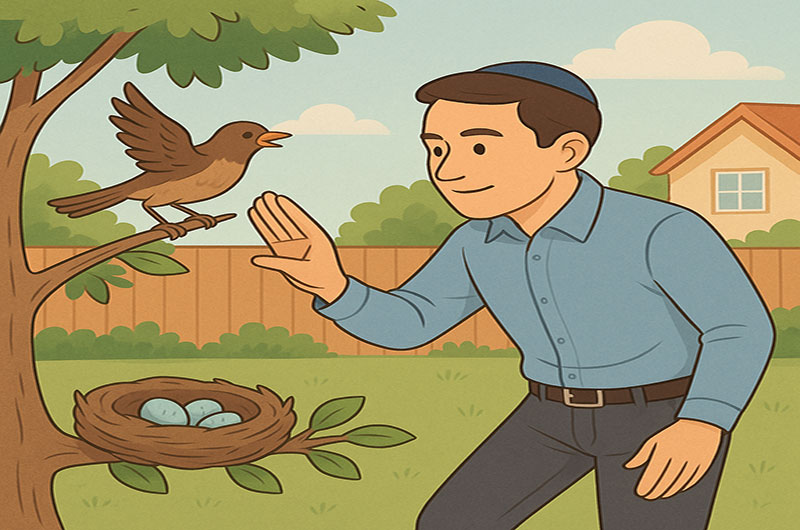
We know that it is already decided before one is born when and where one will die and there is no way of avoiding that meeting with the angel of death. If that is the case, why must one bother installing a fence? The accident is destined to happen anyway.

What is the blessing that G-d bestows on us for keeping the mitzvot? It is that “tishme’u,” you will be able in the future to continue performing the mitzvot. There is a future to keeping mitzvot.
There was no danger of becoming arrogant in the desert. There were no self-made men there. It was clear to all that manna rained down from heaven, that water was provided in merit of Miriam, that clothes lasted forever and one’s feet did not swell in the heat (8:4).
Adhering to a prohibition like sha’atnez which has kept the Jews alive, but makes as little sense to the layman as the chemical-formula of a life-saving medication, earns the respect of the nations because it is a secret formula that neither they nor us could ever have invented.

Notwithstanding Moshe’s defense, the common theme running through these incidents is ingratitude. They had so much to be thankful for. Yet they chose to complain.

G-d instructs Moshe that before he dies he must wage war against the people of Midian for having enticed the leaders of Israel to behave immorally with the Midianite women. This event led to the plague that killed 24,000 Jews (Bamidbar 25:9).

Going out before the people and going in before them is one type of leadership. It is the leadership of the humble public servant who bends before the needs of his people.
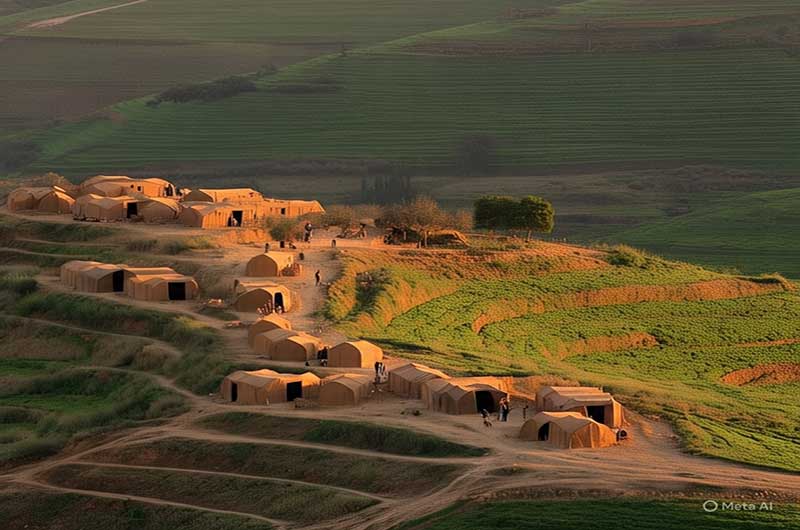
Balak realized that Midyan and Moav, the erstwhile enemies, would have to make a truce and gang up as allies against Israel. But since G-d was on Israel’s side, there was no way he could prevent the Jews from ultimately taking over the land.

Destruction and death come to those who do not serve G-d out joy but out of fear alone.
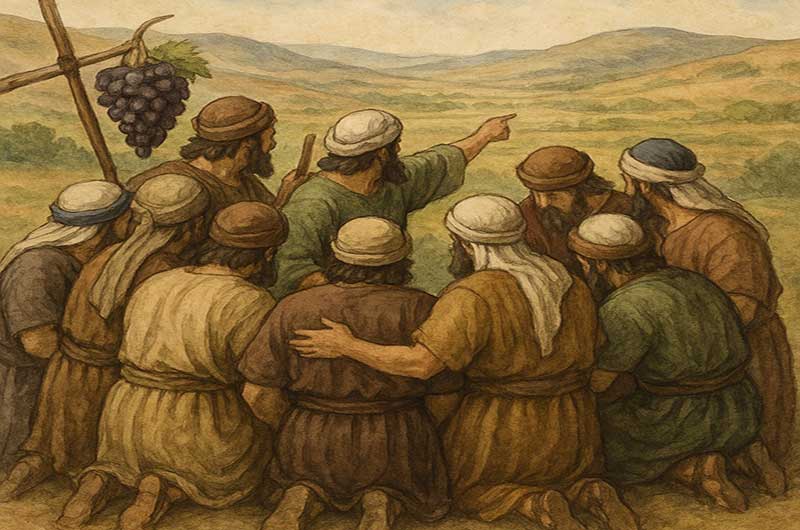
When the spies returned with a bunch of grapes so big it could only be carried by ten people and one fig which could hardly be carried by one person, instead of praising the land which grew such produce, they became concerned that the price of such opulence was too expensive and that they would not be able to afford to pay for it with mitzvot.

If a person ploughs his field when it is time to plow, sows his seeds when it is time to sow, reaps his produce when it is time to reap , thrashes his grain when it is time to thrash and winnows the grain when it is time to winnow, when will he have time to learn Torah? (Berachos 35b).

Wealth can also lead one astray: Wealth hoarded by its owner is to his detriment (Koheles 5:12). Avshalom was blessed with beautiful hair (Sotah 11a) and Shimshon was blessed with strength, but these attributes led them astray.
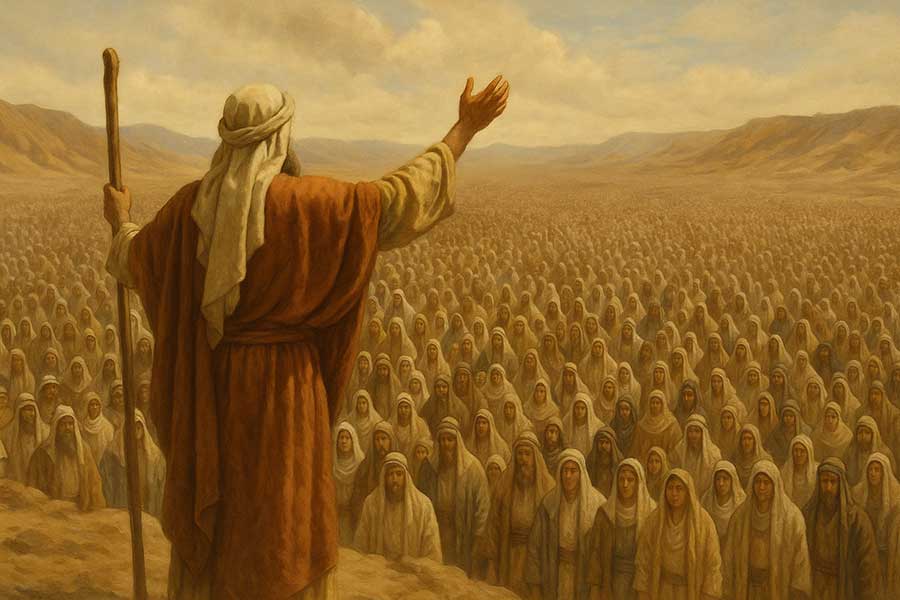
Like in an election, the division of the land among the twelve tribes had to be supervised by officials who made sure that there would be no fraud involved in allocating the land.

Indeed the laws of Shemittah were meant to be given at Har Sinai because the original plan was that we would enter the land of Israel a short while later, not forty years later.
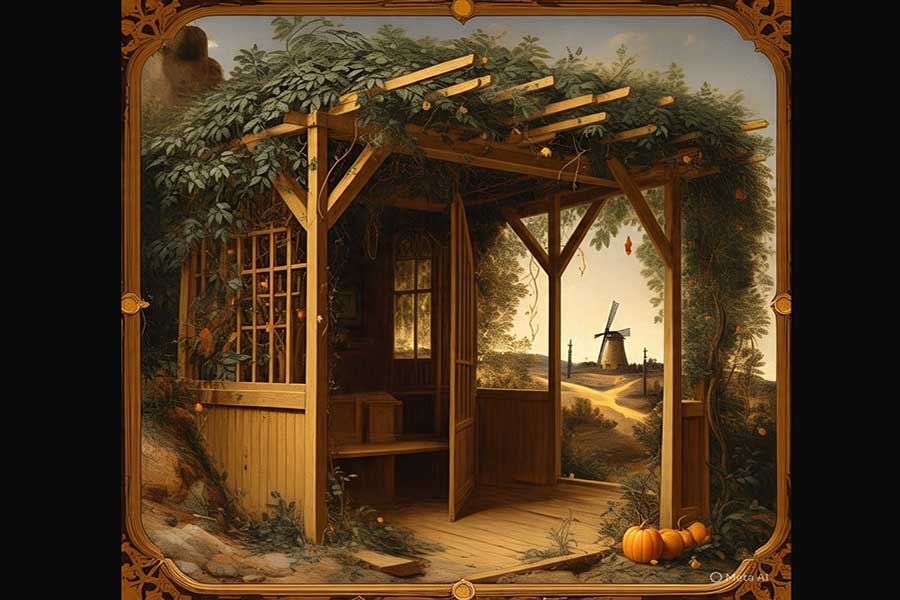
When Yosef related his dreams to his brothers and to his father, his brothers became jealous of him. Not his father. His father shamar es ha’davar, kept it in mind and looked forward to the time when Yosef’s dreams would come true (Rashi to Bereishis 37:11).
Before the Kohen Gadol could come into G-d’s chamber with the blood of the sacrifice, there was a barrier to entry. That barrier is called lashon hara, slander. G-d cannot abide the presence of slanderers (Arachin 15b).

Unlike the Olah which was entirely burned on the altar, only a handful of the flour, called the kometz, was burned on the altar (Vayikra 6:5).
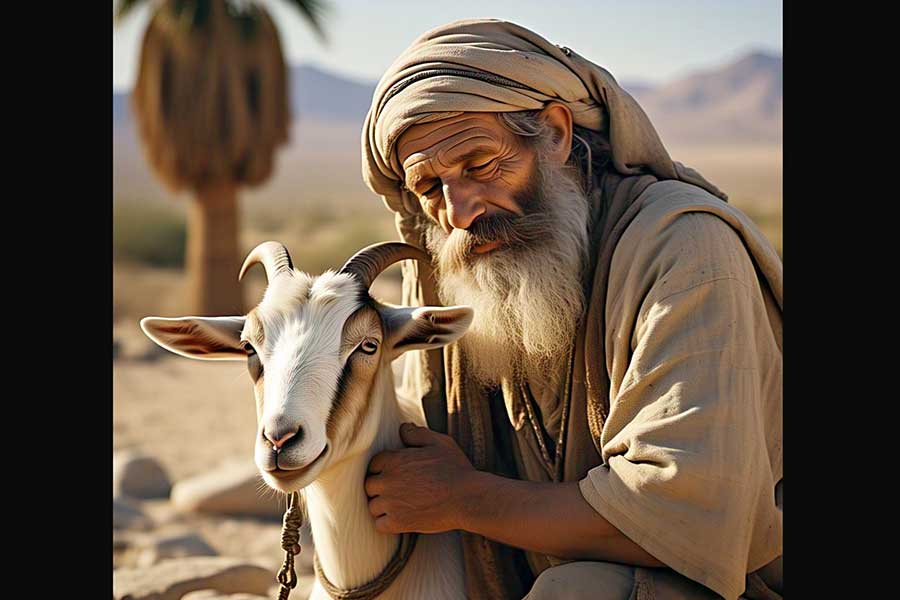
When we perform a mitzvat aseh, like davening, putting on tefillin, sitting in the sukkah, keeping Shabbat, with full concentration, while putting aside all other thoughts and preoccupations, it pleases G-d no end, because it justifies His experiment in creating mankind.

Etching the Torah in our hearts and minds takes an enormous investment of effort and time. We may fear that the long hours we spend on it displaces the time we need to meet our surrounding responsibilities, our commitment to work, to family etc. Miraculously, however, nothing gets displaced.

Of all the 39 acts of work which are prohibited on Shabbat, why does The Torah single out the act of lighting fire? As we know, in the Jewish calendar, the night belongs to the next day. By burning the light at night, we extend the working day into Shabbat.
By accepting the Torah, the Jews themselves became a Kingdom of Priests and a Holy Nation (Shemos 19:6). However, Chazal tell us (Shabbat 88a) that their acceptance of the Torah was under duress.

In the back of the Choshen Mishpat there was a slip of parchment, known as the Urim Ve’tumim, containing G-d’s ineffable name. G-d was behind every decision the judges rendered. Even those decisions, which in hindsight appeared wrong, were right, because G-d was behind them.
Seeing the Egyptians close in on them, the Jews did what they had originally done to escape oppression; they cried out to G-d to save them. But this time, G-d threw the ball into their court and said, “a titzak elei, daber el benei Yisrael veyisau – Why are you crying out to me, speak to the Israelites and let them start moving (14:15).
How often in ancient and contemporary Jewish history have we seen things become desperate before they improved? And yet we persevered and survived. And with this perseverance, our faith in G-d as our ultimate savior survived too.
We know Yosef never forgot his father. Even though he no longer lived next to him, his father was an ever-present influence wherever he went and whatever he did.
From the time of Avraham we are told that the Jewish people are aliens on this planet. We don’t belong here. Our very birth was miraculous and our survival remains a phenomenon.
If the Jews undertook to be responsible for each other and sincerely repented for their previous sins, why were they afraid that they would not survive in the future.
G-d didn’t have to admonish Avraham that the mitzvos are not a yoke around one’s neck, but rather vitamins for the soul.
Balak realized that the land of the Amorites, including the strip of land between the Arnon River and the Yabbok river which formerly belonged to Moav, was eventually destined to be taken over by the Jews in accordance with G-d’s promise to Avraham.
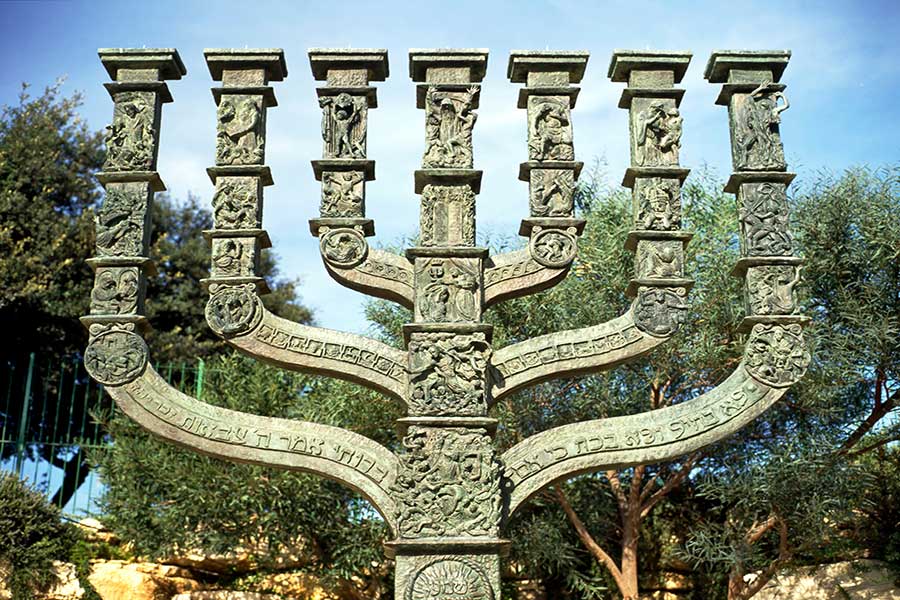
The seven stems of the Menorah symbolize the seven wisdoms of the world. They all emanate from the central wisdom of the divine Torah and they have purpose only when they too contribute to the Torah.
Shabbos is not a statute erected to commemorate that G-d created the world in the past, but rather it is an acknowledgment of His involvement in it in the present.
Before he could serve as the people’s agent for atonement, Aharon had to bring an ayil, a ram as an Olah offering. The ayil represents Yitzchak, who was prepared to bring the ultimate korban – himself.

How, we are often asked, do we manage to sit idle for 24 hours on Shabbos without going stir crazy? Is it not human nature to be workaholics?
Every nation establishes its own code of ethics. One might think that we Jews also conceived our own ethics. To disavow us of that conceited notion, our Jewish book of ethics, Maseches Avos, starts out by reminding us that our ethics come from Sinai.
The first two plagues should have convinced Pharaoh that these were the work of G-d, not the work of magic.
We know Yosef never forgot his father. Even though he no longer lived next to him, his father was an ever-present influence wherever he went and whatever he did.
Yaakov is now so confident in his newly acquired ability to protect himself from the scammers of the world, that he feels that he doesn’t need G-d’s help. So he heads straight for the web of deception in Charan. Something makes him pause, however.
It seems that Rivkah understood that she had twins, but she thought that they belonged to the same nation. She worried that they were engaged in a civil war.
Avraham’s plan to outwit the angel of death did not work and for some reason Sarah tarried in Hebron, perhaps packing up the household in preparation of the move, and that is where the angel of death met her.
But the Jews who are loyal to his Torah are compared to chol hayam, the sand of the sea that fells the waves and protects the land from their invasion.
The heavens have been programmed by G-d to supply rain. Instructing them not to do so is against their nature. It is only harsh and insistent words that will convince the heavens to go against their own nature.
On the one hand, the sentence is to be publicized, but on the other hand the publicity should be tempered.
The gift of money that one usually associates with the word blessing (Rashi, Bamidbar 6:24) could in reality be a curse. Osher shamur leba’alav lera’aso, - wealth can be detrimental to its owner (Koheles 5:12).
The purpose of performing even the most basic mitzvot is in order that they should not be forgotten when we return to Eretz Yisrael.
At each stop the Jews learned another lesson about how to rid themselves of their Egyptian ways.


 October 23, 2026