 September 18, 2026
 Recognizing Hashem’s Benevolence in Adversity
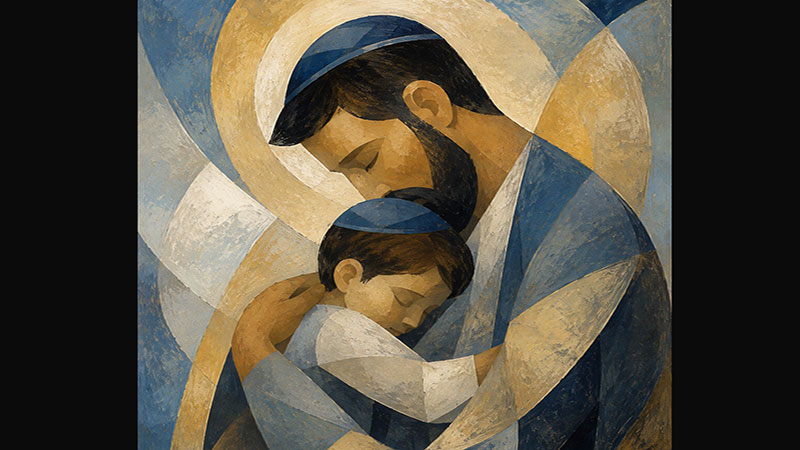


Parshat Re’eh begins with the declaration that Hashem places before us a blessing and a curse. The Aish Kodesh taught that it is necessary to recognize that both the blessing and the curse come from Hashem. We are accustomed to asking for things we want and acknowledging the Divine Hand in our affairs when they turn out as we had hoped. But when things don’t go the way we wanted, then at these times, above all, Hashem is working for our benefit. From the misfortunes that befall us, we learn how to become better people and to draw even nearer to Hashem.
The Aish Kodesh also pointed out that when we endure the adversity that is meant to impel us to improve ourselves, because we know that everything is from Hashem, we eagerly anticipate the end of our suffering. We realize that just as Hashem was faithful to correct us when we strayed, so He will be faithful to reward us when we are deserving. Just as a father loves his son when he rewards him as much as when he punishes him, and the son never doubts the father’s love, we never doubt Hashem’s love for us.
The Aish Kodesh explained that because the infliction of suffering is an aspect of the “hiding of the face” of Hashem, when suffering is present, it also testifies to the eternity of that face which has been briefly hidden. When we examine the source and the nature of our suffering – and understand how it is exactly what we needed to become the best people we can be – then we gain an even more profound appreciation of Hashem’s wisdom and how He directs everything for our benefit.
Beyond even that, Hashem doesn’t simply decree some misfortune upon us, then stand aside and wait for us to work through it. Rather, as it says, “I am with him in suffering” (Tehillim 91:15) – He also supports and strengthens us so we can endure it. In this way, the hard times become the most important times in our relationship which enable us to grow together. This is also why we read this parsha immediately before the beginning of the month of Elul, and why Elul – itself the month of judgment – is the time of falling in love again with Hashem. The letters of the name of the month spell out the verse from Shir HaShirim (6:3), “I am my beloved’s and my beloved is mine.” During the month of Elul, we work past the issues we’ve had in the past and the suffering we endured, and we draw closer to Hashem and His embrace.