יום רביעי, י׳ חשוון תשפ״זWednesday, October 21, 2026



Follow Us


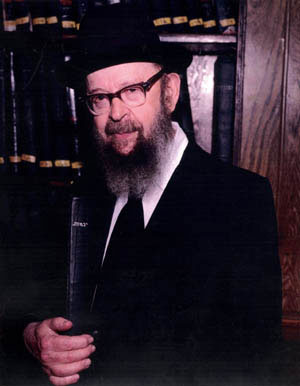
Many passages in the Torah appear at first glance to be repetitious. Often, each iteration has a unique and deep message. Rabbi Avigdor Miller, zt”l, finds such a case (in the passage of the Blessings and Curses) in the Torah's instruction to keep Hashem’s commandments and walk in His ways. Also in the passage of the Blessings and Curses, Rabbi Miller highlights the great blessing of a long life.

There is a custom to say Selichos before Rosh Hashanah. Sephardim have the custom to say Selichos during the entire month of Elul, while Ashkenazim follow the custom of the Ramah (Orach Chaim 581:1) to only say Selichos for a minimum of four days prior to Rosh Hashanah – beginning with Motzaei Shabbos. The Ramah quotes from the Kol Bo that certain communities had the custom that the ba’al tefillah should also be the chazzan for the remainder of the day. The Magen Avraham explains that this is because of the general rule that when one begins a mitzvah he should complete it.
Phil and Mike were part of a team of construction workers building a skyscraper in the middle of the city. When it was time for their lunch break they sat down together with their feet dangling twelve stories from the ground. Phil opened his lunch box and peered in, “Peanut butter and jelly?! Again peanut butter and jelly! I have had enough! If I get peanut butter and jelly again tomorrow, so help me I’m going to jump right off this structure.” Mike then opened his lunch box and peered in, “Tuna fish?! Again Tuna fish! I can’t take it anymore. If I have tuna fish for lunch one more time I’m going to jump off with you.”
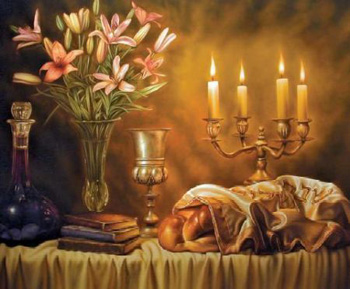
You will not have much time this week for your gathering - the haftorah is very short, only ten pesukim. (Let me be clear. I most certainly do not support Kiddush Clubs for a variety of reasons, not the least of which is the what should be obvious lowliness of leaving a shul minyan to go and have a whiskey party, and not being able to wait until after davening. Despite efforts to combat these gatherings, I know they still exist and figured I would warn “the guys” about the brevity of this week’s haftorah.)

The Talmud asserts that the rebellious son of the verse below never existed and never will. Nonetheless, the Torah relates this law to advise parents in the most difficult of issues – raising children. To Rabbi Avigdor Miller, zt”l, the law and its lessons help reveal Israel's greatness.
The pasuk from which most of the halachos of gittin (divorce) are derived is in this week’s parshah. The pasuk says: “Ki yikach ish isha… vechasav lah sefer kerisus v’nasan b’yadah veshilchah mi’beiso – If a man marries a woman … and he wrote her a bill of divorce and placed it in her hand and sent her from his house” (Devarim 24:1).
By Rabbi Lord Jonathan Sacks z"l
“Darkness cannot drive out darkness: only light can do that. Hate cannot drive out hate: only love can do that. Hate multiplies hate, violence multiplies violence, and toughness multiplies toughness...” (Dr. Martin Luther King).
In this week’s parshah the Torah discusses the halachos of eidim zomimim. The Gemara in Makkos 2a explains that eidim zomimim is when one set of two or more witnesses testifies against someone, and another set of witnesses testifies that the first set of witnesses was with them and therefore could not have known their testimony. The Torah says that the later set of witnesses is believed and the testimony of the first set of witnesses is disqualified.
By Rabbi Lord Jonathan Sacks z"l
There is a fascinating detail in the passage about the king in this week’s parshah. The text says that, “When he takes the throne of his kingdom, he must write for himself a copy of this Torah on a scroll before the levitical priests” (Deuteronomy 17:18). He must “read it all the days of his life” so that he will be God-fearing and never break Torah law. But there is also another reason: so that he will “not begin to feel superior to his brethren” (Kaplan translation), “so that his heart be not haughty over his brothers” (Robert Alter). The king had to have humility. The highest in the land should not feel that he is the highest in the land.
By Rabbi Lord Jonathan Sacks z"l
Having set out the broad principles of the covenant, Moses now turns to the details, which extend over many chapters and several parshiyot. The long review of the laws that will govern Israel in its land begin and end with Moses posing a momentous choice.
In this week’s parshah the Torah gives us the mitzvah of tefillah – davening to Hashem – for as the pasuk says, “oso sa’avod – you shall serve Him.” The Torah repeats this mitzvah several times, with another mention further in this week’s parshah: “uleavdo bechal levavchem – serve Him with all of your heart.” The Sifri explains that one serves with his heart by means of tefillah.
By Rabbi Lord Jonathan Sacks z"l
Something implicit in the Torah from the very beginning becomes explicit in the book of Devarim. God is the God of love. More than we love Him, He loves us. Here, for instance, is the beginning of this week’s parshah: “If you pay attention to these laws and are careful to follow them, then the Lord your God will keep his covenant of love [et ha-brit ve-et ha-chessed] with you, as he swore to your ancestors. He will love you and bless you and increase your numbers” (Deuteronomy 7:12-13).
Harav Matisyahu Salomon, the Lakewood Mashgiach, once related the following personal story: “When I was a young man I was a student in the Gateshead Yeshiva. The yeshiva had a 125 students - not large quantitatively, but qualitatively tremendous. The building was fairly small and the tables were so narrow that the volumes of Gemara overlapped each other. If a student wanted to turn the page he had to ask everyone around him to lift their Gemaras first. Yet despite it all we studied with tremendous diligence.
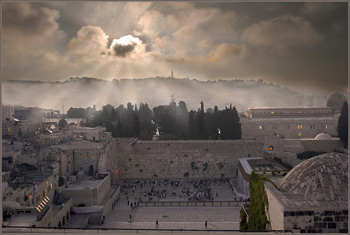
We’ve all seen the ads in the papers. Shabbos Nachamu is one of the biggest getaway weekends of the entire “frum” summer. There has long been a long-standing American tradition for people to go up to the mountains for Shabbos Nachamu.
By Rabbi Lord Jonathan Sacks z"l
Near the end of Parshas Va’etchanan, so inconspicuously that we can sometimes miss it, is a statement with such far-reaching implications that it challenges the impression that has prevailed thus far in the Torah, giving an entirely new complexion to the biblical image of the people Israel:
In this week’s parshah Moshe Rabbeinu recounts ma’mad Har Sinai – the giving of the Torah on Har Sinai. Additionally, the Torah warns us earlier in the parshah not to forget the revelation that we witnessed at Har Sinai, for as the pasuk says: “Only beware for yourself and greatly beware for your soul, lest you forget the things that your eyes have seen and lest you remove them from your heart all the days of your life, and make them known to your children and your children’s children” (Devarim 4:9).
Moshe's blessing to the nation of Israel is interesting in that a similar blessing, which Hashem had given Avraham and Yizchak, had already been fulfilled. Rabbi Avigdor Miller, zt”l, observes that among the greastest blessings is abundant offspring, and therefore this blessing was particularly auspicious – even the third time around.
One may not perform several actions during the week in which Tisha B’Av falls. This is referred to as shavua she’chal bo. For example, one may not take a haircut or wash his clothing (Ashkenazi Jews are forbidden in these actions prior to the week of Tisha B’Av in accordance with the ruling of the Ramah). The Mechaber (Shulchan Aruch Orach Chaim 551: 4) writes that in a year when Tisha B’Av falls on Shabbos and is pushed off to Sunday (as it does this year) there is a machlokes as to whether there are any prohibitions during the week before Tisha B’Av. The Mechaber seemingly sides with the view that there are no halachos of shavua she’chal bo in such circumstances.
In this week’s parshah the Torah writes about a prohibition on killing a murderer prior to his trial. As the pasuk says: “…v’lo yamus harotzeach ad amdo lifnei haeidah lamishpat – … so that the murderer will not die until he stands before the assembly for judgment” (Bamidbar 35:12). The same rule applies to anyone who commits an aveirah that is punishable by death; no one is permitted to kill him prior to his trial in beis din, including the witnesses that warned him and witnessed the aveirah. The Sefer Hachinuch (mitzvah 409) writes that if one kills a transgressor prior to his trial, he is regarded as a murderer.

In the confrontation between Israel and Midian, the Torah reveals the great void of virtue that separated the two nations. While Israel had fallen to great depths in the challenge of the Peor, Rabbi Avigdor Miller, zt”l, points out that it had risen again to great heights in the ensuing battle against a nation steeped in immorality.
By Rabbi Lord Jonathan Sacks z"l
During The Three Weeks between 17 Tammuz and Tisha B’Av, as we recall the destruction of the Temples, we read three of the most searing passages in the prophetic literature, the first two from the opening of the book of Jeremiah, the third, next week, from the first chapter of Isaiah.
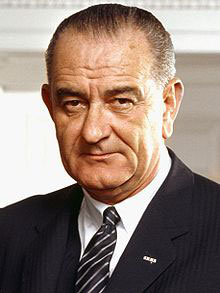
When national tragedy struck on November 22, 1963 Vice President Lyndon Johnson was inadequately prepared to assume the presidency. The Kennedy people had done their best to sideline him throughout the first three years of JFK’s term. Thus, he was not in the know in regards to many of the important initiatives Kennedy had proposed, but that would now become his responsibility. Additionally, there was substantial personal ill will between LBJ and Kennedy’s people - especially JFK’s younger brother Bobby, the attorney general.
“Pinchas Ben Elazar Ben Aharon the kohen turned away my wrath from upon the sons of Israel by his zeal for my sake in their midst; and I did not bring destruction upon the sons of Israel because of my jealousy. Therefore, say, behold, I give to him my covenant of peace” (25:11-2). This is a special proclamation of acclaim. Though Moshe certainly approved of Pinchas, Hashem here teaches the necessity to render public recognition to the righteous.
The Gemara in Baba Basra 119b relays the following conversation that took place in this week’s parshah: Moshe Rabbeinu was teaching the halachos of yibum when the daughters of Tzelaphchad approached him with the following question: Our father died in the midbar and did not have any sons. Why then is our mother not required to fulfill the obligation of yibum? And if the fact that he had daughters is the reason that she is not obligated to fulfill this requirement, why then can we (his daughters) not receive an inheritance – just like sons would?

We often sit through the haftorah wondering, “Why do we read the haftorah anyway?” Krias HaTorah of the parsha makes sense—we read a portion of the Chumash each week so that we finish the entire Torah over the course of the year. But we’re not reading a portion of Navi each week so that we can finish all of it on some kind of schedule.
In this week’s parshah Balak hires Bilam to curse the Jews. The Gemaras in Berachos 7a and Avodah Zarah 4a say that there is a very brief moment during each day when Hashem allows himself to get angry. The Gemara says that no one was ever able to exact that moment except for Bilam the rasha, as it says: “veyode’a das elyon – and he knew Hashem’s knowledge.”

In the aftermath of the episode of Zimri and the Midianite women, Hashem struck down 24,000 Jews. Yet immediately afterward, Hashem reaffirmed his tremendous love for Israel. Rabbi Avigdor Miller, zt”l, explains that this is in character with Hashem's quality of chastising severely the nation he loves so dearly.
Hashem criticized His holy nation relentlessly, yet Rabbi Avigdor Miller, zt”l, observes that for 38 of Israel's 40 years in the desert, Hashem expressed no criticism at all. Herein is a lesson in Israel's greatness.

The beginning of this week’s parshah discusses the halachos of a parah adumah (red heifer). The red cow is shechted and burnt, and its ashes are sprinkled on one who is tamei meis. The individual thereby becomes pure.
By Rabbi Lord Jonathan Sacks z"l
It is a scene that still has the power to shock and disturb. The people complain. There is no water. It is an old complaint and a predictable one. That’s what happens in a desert. Moses should have been able to handle it in his stride. He has been through far tougher challenges in his time. Yet suddenly he explodes into vituperative anger:

In 1978, Michael Aun won the Toastmaster’s International Speaking contest in Vancouver. He remarks that although he is well-known for winning the contest in 1978, he lost it in 1977 in Toronto, because he went seven seconds over his allotted time. In his words, “Do you know what you do after you lose a contest because of seven seconds? You go up to your hotel room and you cry. But after a while, you realize that you can go for it again. A year later I won it in Vancouver. I often say that we have to remember that you often have to go through Toronto in order to get to Vancouver.”
Aharon HaKohen is distinguished for his love of peace. Korach earned distinction for failing in this area; his name has become synonymous with dispute and divisiveness. Rabbi Avigdor Miller, zt”l, found in this story a striking lesson about the danger of argumentativeness and its application to every Jew.
The Gemara in Kiddushin 41b derives from a pasuk in this week’s parshah the concept of shelichus (acting on one’s behalf). The pasuk says, “kein tarimu gam atem terumas Hashem – so you too shall remove the terumah of Hashem.” The Gemara explains that the word gam (too) is superfluous; thus we draw from this that another person may remove terumah for you on your behalf.

Captain Chesley Sullenberger, of “miracle on the Hudson” fame, recently wrote a book on leadership entitled, Making a Difference: Stories of Vision and Courage From America’s Leaders. Instead of focusing on his own heroic performance, landing Flight 1549, he decided to focus on a number of contemporary leaders who have influenced events in some way. The first person he wrote about is Admiral Thad Allen, former commandant of the U.S. Coast Guard. Allen is best known for assuming command of the government’s rescue and relief effort in the wake of Hurricane Katrina.
At the conclusion of this week’s parshah, the Torah writes about the mekoshesh eitzim – the individual who desecrated Shabbos in the midbar by gathering wood. The pasuk says that since it was uncertain what the halacha was concerning one who is mechallel Shabbos, the mekoshesh was placed in custody until Hashem gave instructions as to what to do. Hashem then told Moshe Rabbeinu that the man is to be put to death by stoning; and so he was.
One aspect of Divine Justice stipulates that through the decisions we make we help shape the world around us. Good deeds bring in their wake positive outcomes and the reverse is also true. In the mitzvah of the Second Pesach (Pesach Sheni), Rabbi Avigdor Miller, zt”l, develops this understanding and finds that Hashem manipulated history specifically for the purpose of making such outcomes happen.
By Rabbi Lord Jonathan Sacks z"l
The episode of the spies has rightly puzzled commentators throughout the centuries. How could they have got it so wrong? The land, they said, was as Moses had promised. It was indeed “flowing with milk and honey.” But conquering it was impossible. “The people who live there are powerful, and the cities fortified and very large. We even saw descendants of the giant there … We can’t attack those people; they are stronger than we are … All the people we saw there are of great size. We saw the titans there … We seemed like grasshoppers in our own eyes, and so we seemed in theirs” (Numbers 13:28-33).
Each detail in the Torah is laden with meaning. Surely the service vessels of the Temple had great importance and consequence over and above their routine service. In the description of the menorah that stood in chamber outside the Holy of Holies, Rabbi Avigdor Miller, zt”l, found layer upon layer of meaning.
The Rambam, in Hilchos Beis Habechirah 1:12, derives from the pasuk in this week’s parshah, “u’veyom hakim es haMishkan… – and on the day the Mishkan was set up…” (Bamidbar 9:15), that the Beis HaMikdash can only be built by day, not by night. Further in that halacha the Rambam writes that both men and women are obligated in the mitzvah of building the Beis HaMikdash. The Kesef Mishneh explains that the source for the halacha that women are obligated in this mitzvah is from the pasuk in parshas Vayakhel: “v’kol ishah chachmas lev beyada tavu – and every wise-hearted woman spun with her hands.”
By Rabbi Lord Jonathan Sacks z"l
Adaptive leadership is called for when the world is changing, circumstances are no longer what they were, and what once worked works no more. There is no quick fix, no pill, no simple following of instructions. We have to change. At a certain point, Moses had to help the Israelites change, to exercise responsibility, to learn to do things for themselves while trusting in God instead of relying on God to do things for them.

We often sit through the haftorah without understanding what it is all about. “Why do we read the haftorah anyway?” we sometimes think. Krias HaTorah of the parsha makes sense—we read a portion of the Chumash each week so that over the course of the year we have completed the entire Torah. But what is the goal of reading the haftorah? We know that it is not so we can finish Navi on some kind of schedule. What then is the purpose of the haftorah?
In this week’s parshah the Torah writes about the halachos of a sotah. A sotah is a woman whose husband warned her, in the presence of two witnesses, not to go into seclusion with a specific man – but two witnesses saw her in seclusion with that man. Even though the only testimony that we have is that she was secluded with this man, she is nevertheless forbidden to be with her husband as she is an adulteress. This is in effect until she drinks the sotah water.
Parshas Naso is notable for its length, and its length is notable for its redundancy. The Torah minces no words, and therefore we understand that the repetition in the description of the Mishkan's inaugural service is purposeful and laden with meaning. Rabbi Avigdor Miller, zt”l, explains that this is a reflection on the importance and centrality of the Mishkan.
By Rabbi Lord Jonathan Sacks z"l
There was an ongoing debate between the Sages as to whether the nazirite – whose laws are outlined in this week’s parshah – was to be praised. Recall that the nazirite was someone who voluntarily, usually for a specified period, undertook a special form of holiness. This meant that he was forbidden to consume wine or any grape products, to have a haircut, and to defile himself by contact with the dead.

Although Megilat Rut is one of the most beautiful stories regarding unadulterated chesed, it also serves as a primer on leadership. After all, its primary purpose is to establish the lineage of King David’s dynasty. Therefore we should expect to glean from it some important leadership lessons. Yet at first blush it would appear more apt to describe it as a book about followership. Rut’s noble commitment to join the Jewish people, despite all the hardships this entailed, is captured in her stirring words (1:16): “To where you will go I will go, where you will sleep I will sleep, your nation is my nation…” These words seem to constitute a declaration of what is termed “followership” more than leadership. However, a recent class trip, with my Yeshivah’s 8th grade, to the United States Naval Academy at Annapolis helped clarify matters.
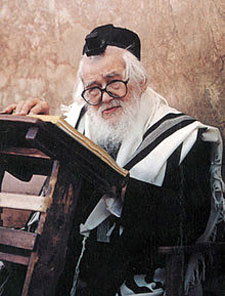
Throughout their forty years in the desert, the Jewish nation had to be prepared to travel at a moment’s notice. At any time the Divine clouds could suddenly rise and proceed further into the desert. As soon as that occurred the entire nation had to immediately dismantle their camps, gather their children and belongings, and begin to travel in perfect formation along with their tribe.

The Generation of the Wilderness was unique in the history of Israel, as Rabbi Avigdor Miller, zt”l, explains concerning the first verse of Bamidbar. Israel was slated for a special mission in the world, and this mission was begun with a special forty-year inauguration in which Israel gained an intense and unmatched closeness to Hashem.
The Rambam begins hilchos talmud Torah with the following halacha: Women and slaves are exempt from talmud Torah. A man is obligated to teach his son Torah, as it says, “velimadetem osam es beneichem ledaber bam.” However, a woman is not obligated to teach her son Torah because whoever is obligated to learn is obligated to teach – and since a woman is not obligated to learn, she is not obligated to teach.
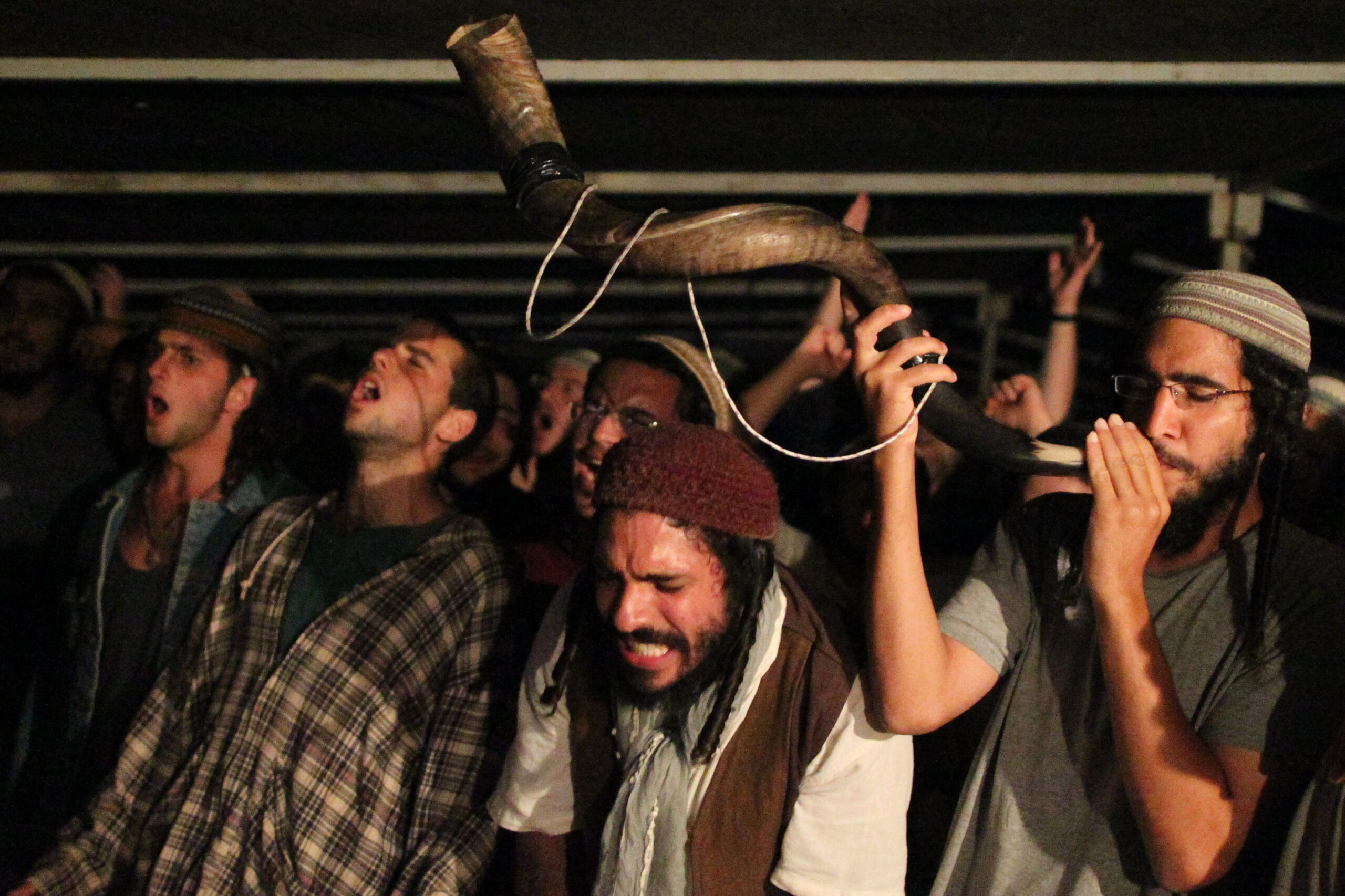
According to the Ramban, the verse "your foes who dwell upon it will be desolate" (Vayikra 26:32) is a partial blessing within the curse that guarantees through all generations that the Land of Israel will not receive any foreign nation in place of her true indigenous people.

In a famous photo, President John F. Kennedy is seen facing the windows of the Oval Office with his back to the camera. Slightly bent over, with his hands spread out on a credenza, he appears in deep and painful thought. The caption of the picture says it all: “The Loneliest Job.” Only the relatively few people who have been President of the United States truly understand the enormity of the job’s burden. It is for this reason presidents, despite their party affiliation, and often after leaving office, develop close bonds with one another, give the current office holder the benefit of the doubt and make themselves available to whoever may be president at the moment to help and advise.

When we are on our own land we are commanded to keep every seventh year as the shemittah year, and at the completion of seven shemittahs to add an additional shemittah year – the yovel. During this year, all land lays fallow. Homesteads return to their original owners, and all Jewish slaves are freed.
In Behar, one of this week’s parshiyos, the Torah commands us in regard to some of the laws of buying and selling. The pasuk says, “Vechi simkiru mimkar la’amisecha … al tonu ish es achiv – When you make a sale to your fellow … do not afflict one another.” The Gemara in Baba Metzia 51a derives from this pasuk that one may not overcharge when selling an item without informing the buyer. This is referred to as ona’ah. The Gemara says that if one charges more than a sixth more than the market value of an item, the sale is void. If one charges less than a sixth more, the sale is valid. If one charges exactly a sixth more, the sale is valid; however, the seller must return the overcharge.
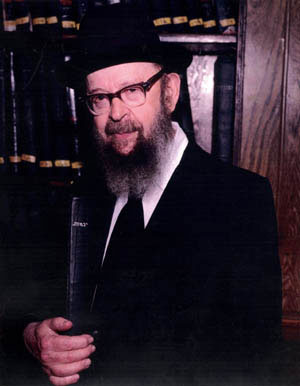
The truth is sometimes unpopular or uncomfortable. Thus, people who wish to dismiss the Hand of Hashem from history and human affairs may be taken aback by the assertion of Rabbi Avigdor Miller, zt”l, based on the beginning of this parshah, that the suffering that befalls Israel comes for a Divine purpose. Rabbi Miller finds this purpose explicit in the opening words of Bechukosai, and observes that this “wish” (to dismiss the Hand of Hashem from history) is not a Jewish way of thinking.

The Talmud tells us that compassion is one of the three traits that distinguish the nation of Israel (the others are shame and kindness). The Torah abounds with commandments that exercise this quality, and Rabbi Avigdor Miller, zt”l, explains that they are given for exactly that purpose.
Sefer HaChinuch: The Torah commands us to count the Omer so we can relive the Exodus from Mitzrayim. Just as the Jews back then anxiously anticipated the great day when they were to receive the Torah, so too we count the days till Shavuos, the Yom Tov that commemorates the giving of the Torah. To the Jews then, accepting the Torah on Har Sinai was even greater than their redemption from slavery. So we count each day to bring ourselves to that sense of great enthusiasm, as if to say, “When will that day come?”
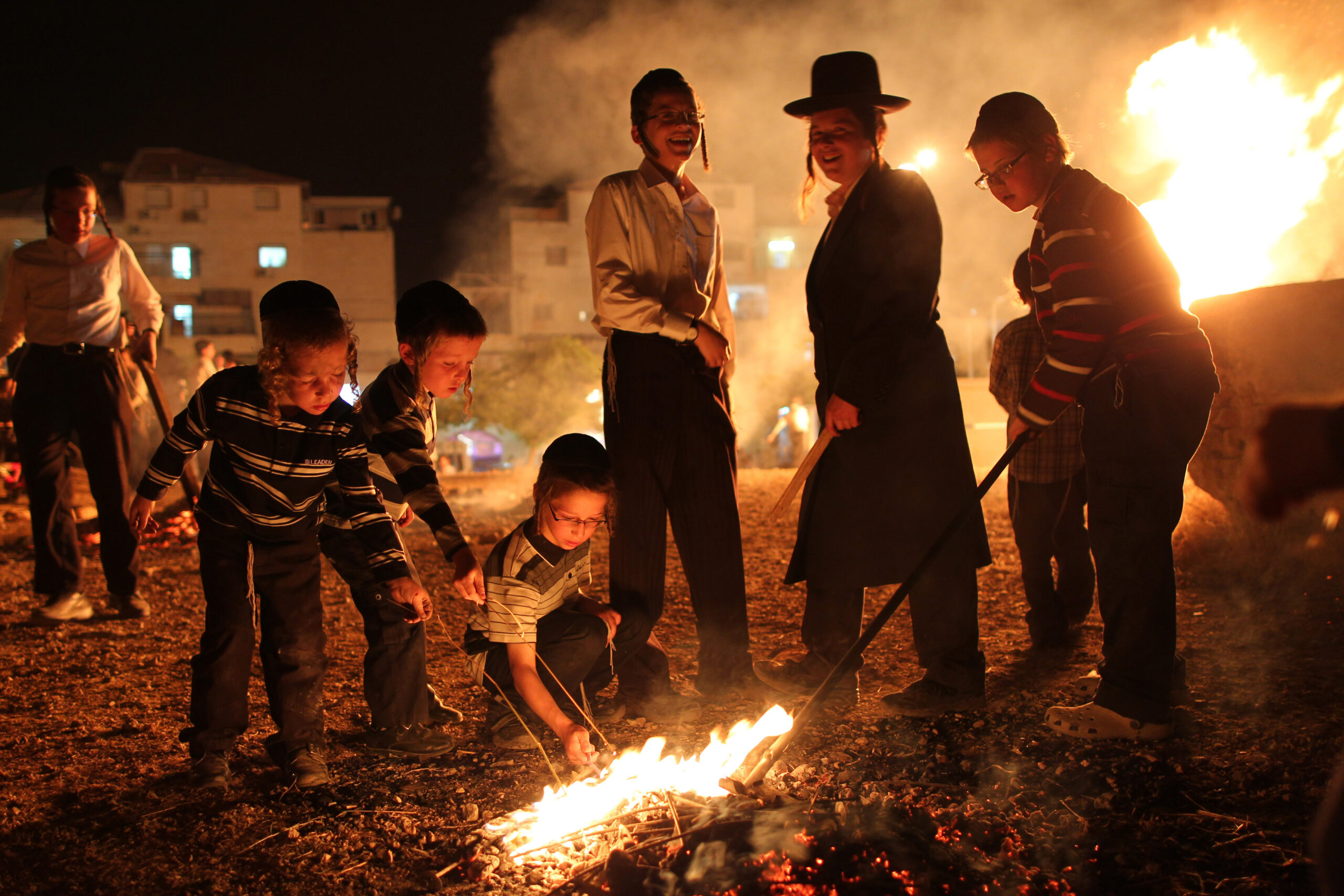
One who forgets to count sefirah at night may count during the day without a berachah, and then continue counting the rest of the days with a berachah. If one forgets to count sefirah at night and does not remember to count by day, he may not count with a berachah thereafter.

It seems that from time immemorial, or more specifically from some time after G-d first declared that a person’s days shall be limited to 120 years, at best (Genesis 6:3), Jews have been blessing each other with the wish “May you live to be 120.” I have noticed, however, that many people look at that goal with trepidation, as if it is not necessarily something positive to live for.
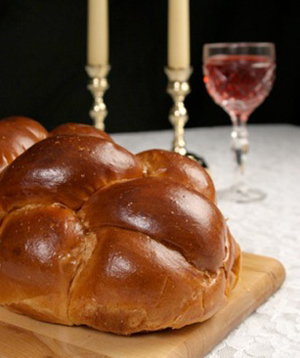
In sixteenth-century Cracow, there lived a Jew named R’ Isserl. He was a scholar, philanthropist, and a well-respected community leader, who made a fine living manufacturing and selling fine silk. Many member of the Polish nobility were his customers.
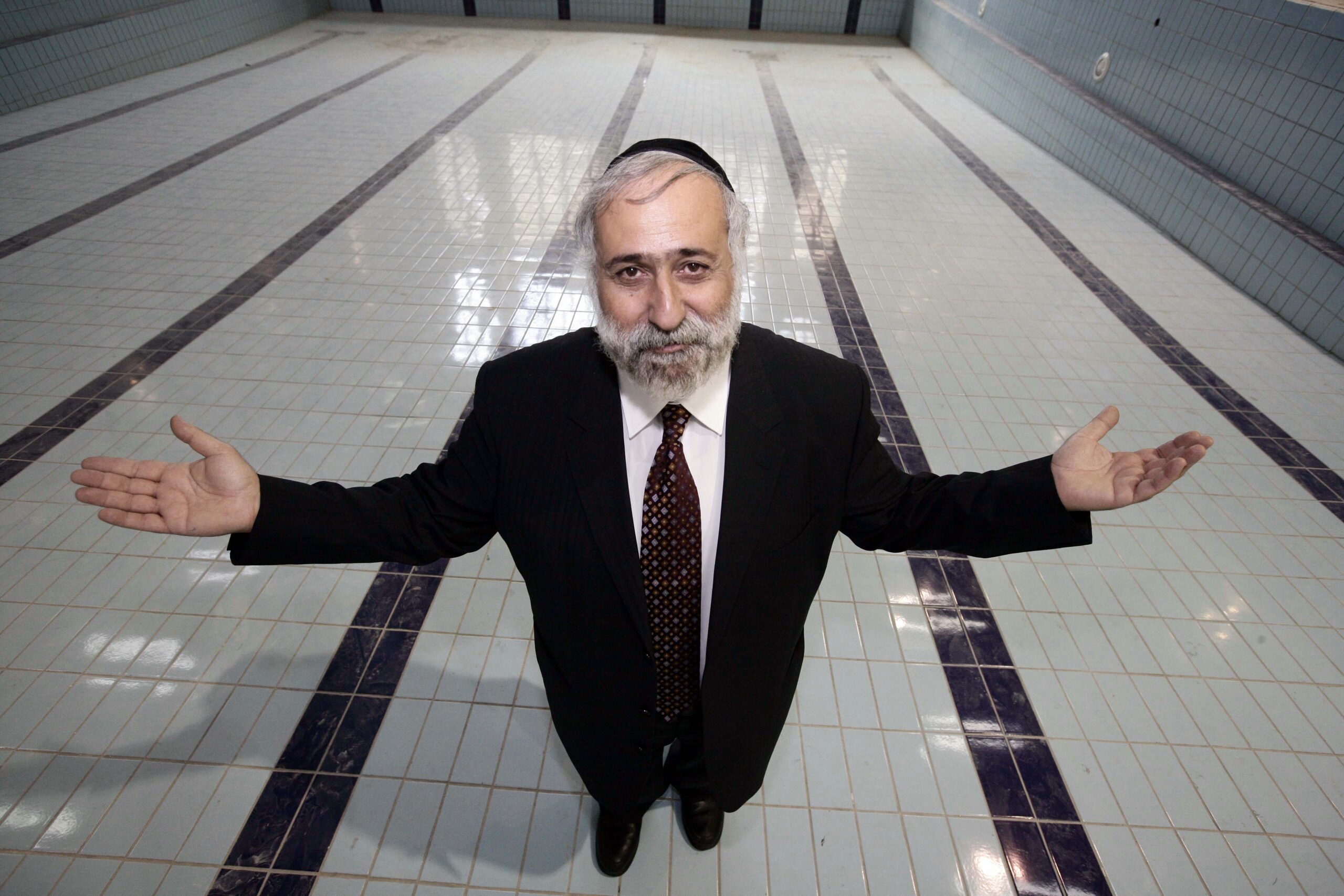
In our time we must always take advantage of the opportunity for a second chance to revive our identity as Jews in Eretz Yisrael, for without the identity of Israel as a Jewish state, we are truly at a spiritual and physical loss.
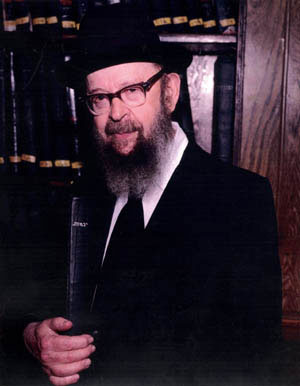
The restrictions Yom Kippur places on each Jew are unique among the Torah’s holidays. Likewise, the intricate and detailed Temple service that was performed on Yom Kippur is unique among the services Israel performed for Hashem. As Rabbi Avigdor Miller, zt”l, teaches, this unique day was in certain ways a microcosm for every Jew’s connection […]
By Rabbi Lord Jonathan Sacks z"l
It is simply not the same to put on tefillin or keep kashrut or observe Shabbat in the Diaspora as in Israel. The Torah is the constitution of a holy people in the holy land. Only in Israel is the fulfillment of the commands a society-building exercise, shaping the contours of a culture as a whole. Only in Israel does the calendar track the rhythms of the Jewish year.
According to the Targum, it appears that if Reuven ate a ham sandwich and I didn’t rebuke him, I would be punished for his sin. This seems difficult to understand. Why should I be punished for his sin? At most, you might argue that if I was capable of rebuking him and didn’t, I would be responsible for the sin of not rebuking him. But how do I become responsible for the sin he perpetrated? He transgressed it; I didn’t.

The following is one unique halacha that is associated with arayos (forbidden relationships): Concerning most aveiros, if one is put in a predicament where he must choose between saving his life and fulfilling a mitzvah he must choose to live and transgress the mitzvah. The Gemara says that arayos are one of the three mitzvos that are yehareg v’al ya’avor (one must allow himself to be killed so as not to transgress the mitzvah), along with murder and avodah zarah.
At the end of parshas Metzora the Torah discusses the halachos of when a woman becomes a niddah. The Torah says that a woman who becomes a niddah must count seven days from when she stops seeing blood, and then becomes tahor by immersing in a mikveh.
By Rabbi Lord Jonathan Sacks z"l
It was the Septuagint, the early Greek translation of the Hebrew Bible, that translated tzara’at, the condition whose identification and cleansing occupies much of Parshiyot Tazria and Metzora as lepra, giving rise to a long tradition identifying it with leprosy.
Yaakov Avinu received word that his brother Eisav was coming to greet him. He understood fully well that this was not to be a warm family reunion. Eisav came accompanied by a band of four hundred armed men, bent on revenge. The Torah says Yaakov was “very frightened,” so he prepared for war.

Although the tzoraas affliction is no more in contemporary times, it teaches lessons that are eternal. Rabbi Avigdor Miller, zt”l, explains that foremost among these lessons is the greatness of Torah leaders and their wisdom. Another lesson: The opportunity the affliction presented to the afflicted for repentance and seld-improvement.

When Rabbi Berel Wein began working for the O.U. kashrus division, he shared an office with Rabbi Alexander Rosenberg a’h, the founder of the kashrus division and its administrator for thirty years.

More than 1500 people died on the Titanic. As a result of the tragedy, out of date conventions and procedures were changed, navigational mistakes were identified and corrected, and the threat of ice was taken seriously—even in the era of modern ships. Walter Lord, in his seminal book on the disaster, A Night to Remember (1955), wrote: “Never again would men fling a ship into an ice field, heedless of warnings, putting their whole trust in a few thousand tons of steel and rivets. From then on Atlantic liners took ice messages seriously, steered clear, or slowed down. Nobody believed in the ‘unsinkable ship.’
The commentators discuss the meaning and implications of the “strange fire” brought as an offering by Nadav and Avihu. In his discussion of this perplexing passage, Rabbi Avigdor Miller, zt”l, discusses their early demise and observes that their death served a greater purpose (through the sadness that ensued) and that despite receiving a divine death penalty, the Torah regards them as great people.
“Tell Bnei Yisrael, “These are the creatures you should eat.” – Vayikrah 11:2 Chovos Halevovos (Sha’ar Avodas Elokim 3) explains that Hashem created man out of two very distinct parts – a nefesh haschili (intellectual soul) and a nefesh habahami (animal soul). Each has its desires and inclinations, and each is competing with the other, […]
By Rabbi Lord Jonathan Sacks z"l
Why was spontaneity wrong for Nadav and Avihu, yet right for Moshe Rabbeinu? The answer is that Nadav and Avihu were kohanim, priests. Moses was a navi, a prophet. These are two different forms of religious leadership. They involve different tasks and different sensibilities, indeed different approaches to time itself.

In this week’s parshah the Torah teaches us which animals are kosher to eat and which are not. The Torah says that the pig, although it has split hooves, is not kosher since it does not chew its cud. The medrash on this pasuk says that the reason that the pig is called “chazir” is because in the future Hashem will return (lehachzir) the pig to Bnei Yisrael and permit it to be eaten.
Historically, one of man’s greatest shortcomings has been taking credit for Hashem’s work. Only too often does a man find success and, in his arrogance, feel his power and his might created his empire. The Torah warns us, Remember: it was Hashem who brought all this to be.

On April 14, 1912, at 11:40 p.m., the Titanic struck an iceberg. It sank at 2:20 a.m. on April 15. Thus, this month (both according to the Jewish and secular calendars) marks the centennial of the disaster. Despite the passage of time, the tragedy still fascinates people and continues to be a source of lessons learned - both good and bad.
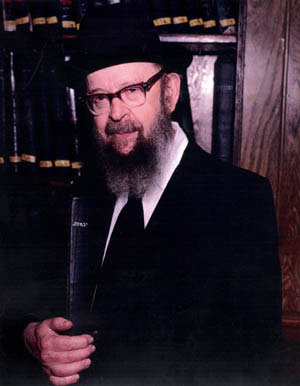
The miraculous splitting of the Sea of Reeds was one of the pinnacles of Israel’s closeness to Hashem. It raises a question, though: Why? Hashem typically hides His presence somewhat, conducting the world in a discrete way and never revealing His presence so openly. As Rabbi Avigdor Miller, zt”l, explains, this spectacle on the Sea of Reeds was performed with two great purposes in mind.
In order to fulfill one’s obligation in the mitzvah of matzah, one must eat a k’zayis amount of matzah. This is because the Torah uses the wording of achilah (eating) when it commands the mitzvah of matzah.

An act never dies. Each word you utter, each mitzvah you do, continues to ring in the world for all eternity. Rabbi Avigdor Miller, zt”l, teaches it was such an eternal act that was the undoing of Pharaoh and the making of Israel as a nation of holy people.
After months and months of rebellion, Pharaoh finally admitted he was wrong. The Dos Zakainim explains that the plague of barad moved Pharaoh more than any other. And it was because of one factor: Moshe had warned him that the hail would kill anything living. Again and again, Moshe cautioned Pharaoh to take his livestock and his slaves inside. Because Pharaoh was repeatedly warned to save the living creatures, he was moved and recognized his error.
The Gemara in Pesachim 115a says that there was a machlokes regarding how one was supposed to eat matzah and marror in the times of the Beis HaMikdash. Hillel said that during those times, when there was a korban Pesach, matzah and marror should be eaten together. His peers argued that they must be eaten separately. The Gemara concludes that since the halacha was not paskened we eat matzah separately, then marror separately, and then both together to accommodate both opinions.
After a long and detailed description of the avodah (service) to be done in the Mishkan, the parshah ends with statement that “Aaron and his sons did as they were told.”
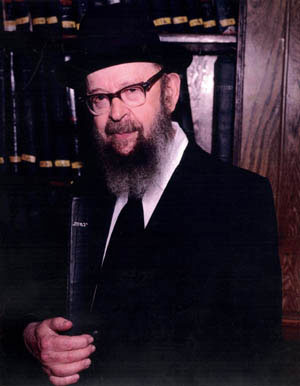
The evil inclination likes to tempt us to indulge in material delights. It is important to know that these delights may have another purpose, too: kedushah (holiness).
In this week’s parshah the Torah teaches many of the halachos of the korbanos. Each of the korbanos has a limited amount of time when they may be eaten, after which they become nosar and forbidden.
By Rabbi Lord Jonathan Sacks z"l
In her book The Watchman’s Rattle, subtitled Thinking Our Way Out of Extinction, Rebecca Costa delivers a fascinating account of how civilizations die. Their problems become too complex. Societies reach what she calls a cognitive threshold. They simply can’t chart a path from the present to the future.
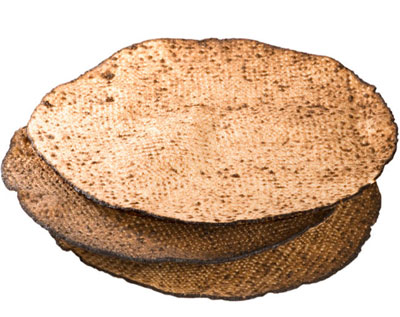
“At the time that my wife and I made aliyah, the Ministry of Interior required certification through the chief rabbinate that any new immigrants were Jews in order to qualify for citizenship and immigrant benefits. After an hour-long wait at the ministry to be interviewed, my wife and I sat before a hard-faced clerk. I did not have a letter from a rabbi certifying to my Jewishness, but I felt confident that since I was on the chief rabbinate's list of approved rabbis whose letter would be accepted to verify the Jewishness of others, I would suffer no problem.
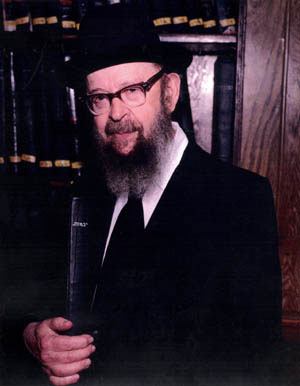
To the modern mind, korbanos may seem foreign or hard to understand. Yet they were a key component of the service of Hashem. Rabbi Avigdor Miller, zt”l, explains that offerings served many purposes, including a primary purpose of expressing thanks to Hashem. Thus, following the book of Exodus comes the book dealing with sacrifices as an expression of thanks for the deliverance from slavery in Egypt.
The Dos Zakainim explains that the reason every korban must be brought with salt is to remind us that just as salt is a preservative that allows food to last longer, so too the sacrifices are permanently ours to cleanse us from our sins.
At the conclusion of this week’s parshah, the Torah discusses the halachos of one who stole from another. The pasuk says, “veheishiv es hagezeilah asher gazal – and he shall return the stolen object that he stole.” We derive from this that there is a mitzvas assei to return a stolen object.
By Rabbi Lord Jonathan Sacks z"l
We think of a sin as something we did intentionally, yielding to temptation perhaps, or in a moment of rebellion. That is what Jewish law calls b’zadon in biblical Hebrew or b’mezid in rabbinic Hebrew. That is the kind of act we would have thought calls for a sin offering. But actually such an act cannot be atoned for by an offering at all. So how do we make sense of the sin offering?
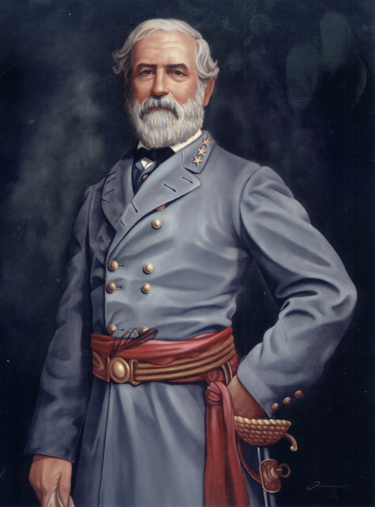
May 1864 was one of the bloodiest months in American military history. At what came to be known as the Battle of the Wilderness, General Grant’s Union forces suffered close to 18,000 casualties between May 3 and May 6. It seemed as yet another Union general, even one such as Grant who had been successful out west, lost to General Robert E. Lee.
Despite the intense suffering of slavery in Egypt, it was there that Israel became a nation – not just in the spiritual sense, but in the physical sense: it was there that our numbers swelled. This is to the credit of the Jewish women, who despite their oppression at the hands of Egypt relentlessly encouraged the growth of Israel. This provides a glimpse of the greatness of the Jewish women of that generation. Likewise in our times, it is the Jewish woman’s selfless devotion to service of Hashem that builds and sustains Israel.
Parshas Pikudei begins with a detailed accounting of all of the gold and silver that was collected for the Mishkan. A cursory reading would lead us to assume that while of course a man as great as Moshe was above question, he must have asked for this calculation because public leaders must remove any suspicion no matter how farfetched.

The Rambam, in Hilchos Shabbos 24:7, rules that Beis Din may not carry out the punishment of either death or lashes on Shabbos. He cites the same pasuk of “lo seva’aru” as the source for this halacha. In his Sefer Hamitzvos the Rambam lists as a separate negative commandment (number 322) that Beis Din may not judge or carry out a punishment on Shabbos.
By Rabbi Lord Jonathan Sacks z"l
The name Bezalel was adopted by the artist Boris Schatz for the School of Arts and Crafts he founded in Israel in 1906, and Rav Kook wrote a touching letter in support of its creation. He saw the renaissance of art in the Holy Land as a symbol of the regeneration of the Jewish people in its own land, landscape and birthplace. Judaism in the Diaspora, removed from a natural connection with its own historic environment, was inevitably cerebral and spiritual, “alienated.”

Klal Yisroel stood at Har Sinai and accepted the Torah in a state of supreme purity and complete unity. Every Jew reached a level of prophecy and witnessed an unparalleled revelation of G-d. Then Moshe ascended Har Sinai for forty days so G-d could teach him the laws and details of the Torah.
By Rabbi Shimshon HaKohen Nadel
Being human, we are limited in our ability to understand. Tragic events seem senseless, without a rhyme or reason. World events can seem confusing, with the future uncertain. On Purim, we recognize that God’s Hand is guiding it all. The King is working behind the scenes, pulling the strings. We may not understand all of the twists and turns of the narrative, but we know the Author. All we have to do is put our trust in Him.

Perhaps you can’t really define a people without also defining its enemies. Certainly many believe that if the Jews could get rid of the idea of peoplehood, then they wouldn’t have enemies.The experience of the 19th century assimilationists and post-Oslo Israel tells us that this strategy doesn’t work in the real world. Even if we refuse to remember Amalek, he remembers us. And if we don’t have the support of self-conscious peoplehood (and its concrete representation, the Jewish state), how can we fight him?
While the transgression of the Golden Calf had caused Aharon to feel a sense of distance from HaShem, the miluim was intended to bring him close again through spiritual perfection. The priestly vestments play a central role in this process and great detail is offered in describing them.
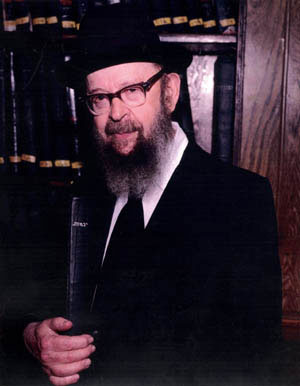
The wardrobe Hashem designed for those who served in his Mishkan served not only to distinguish them but also to impress upon them the importance and significance of the service for which Hashem had selected them. Clothing itself is a form of serving Hashem.

The Sefer HaChinuch states in mitzvah 603 that women are exempt from the mitzvah of remembering what Amalek did to us. He explains that this is because it is not upon women to wage war against and avenge the enemy.
 October 16, 2026