יום חמישי, ד׳ חשוון תשפ״זThursday, October 15, 2026



Follow Us


Rav Yehuda HaKohen is an organizer and educator living in northern Judea. As a leader in the Vision movement, he works to empower students and young professionals to become active participants in the current chapter of Jewish history.
Read More
It's important to recognize the internal development of the Hebrew tribes from the Exodus from Egypt to the Brit Sinai and consecration of the Mishkan.
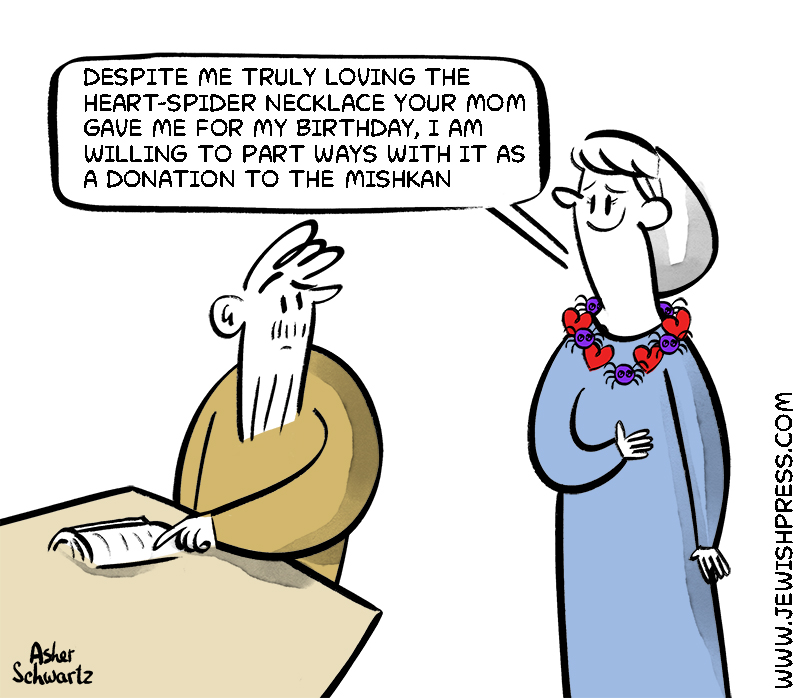
If Dan is the extreme expression of Yosef in the same way that Shimon is of Yehuda, what was the importance of appointing tribesmen of Yehuda and Dan to lead the construction of the Mishkan?
A mistake that nearly had catastrophic results for the entire people of Israel ultimately revealed Moshe's true greatness as a national leader.
By submerging individual identity into the collective Hebrew nation, the kohanim work to cleanse the children of Israel from all transgressions and to inspire the people with a powerful show of kedusha.
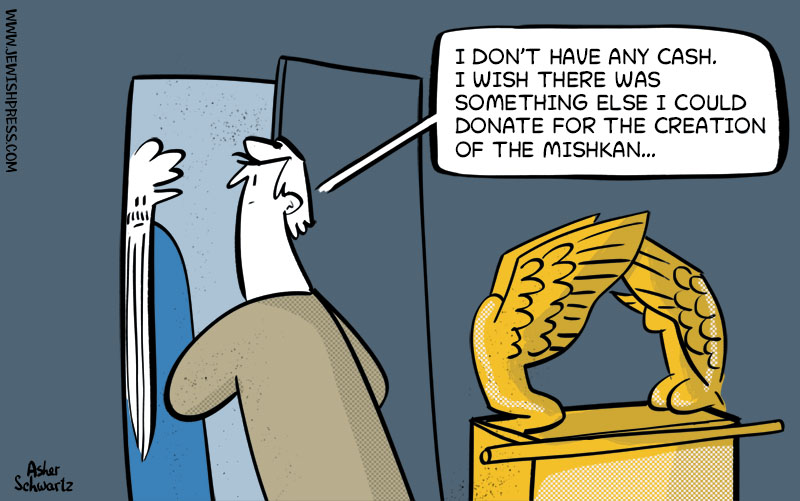
What can the Mishkan teach us about the ways Divine revelation is channeled into our world?

How should we understand the difference between the Written Torah and the Oral Torah within the context of Israel's identity and development?
Why were the Hebrews so surprised by the sudden realization that they would receive the Torah as a set of laws & a mission for the rest of humanity?
Between the smashing of Egypt's military at the Sea of Reeds and the war against Amalek at Rephidim, the Hebrews had to develop a national perception of Emuna in preparation for receiving the Torah.
What were the necessary steps for Israel to develop a national consciousness ahead of leaving Egypt?
The ten plagues were part of a deliberate process to educate not only Egypt and Israel but also humanity.
After despairing of a slave revolt, did Moshe seek to create a new nation in Midian to replace Israel?

What are the individual contributions of each Hebrew tribe to Israel's national collective?
Did Yosef use the famine to bring his family down to Egypt in hopes of implementing an alternative approach to the Hebrew mission in the Diaspora?
Did Yosef seek to transform Egypt into a civilization built on Hebrew values that would repair the world?
As internal conflict over the Hebrew clan's direction leads to tragic consequences for Yosef and Yehuda, each must discover his own messianic potential.
As Yaakov returns back home to his land, he and his family are met with new challenges that ultimately transform them into the nation of Israel.

Before becoming Israel, Yaakov had to first spend several years in exile learning to be more like Esav.
How do the character traits of Esav and Yaakov find expression in the rival civilizations they produced?
Following her death, Sarah's powerful legacy continued to influence Avraham and play a major role in their family's development into a nation.
What can the dynamics between Yitzḥak and Yishmael in Parshat Vayeira teach us about Israel’s ideal relationship with the Muslim world?
How the leader of a universal spiritual movement learned to reorient himself to the understanding that his goals for humanity could only be achieved through the vehicle of a nation in a specific land.
Why does the Torah use the Name that connotes Divine mercy rather than Divine judgement when telling of the Creator's decision to destroy humankind? Could there be more to this story?
HaShem's Divine Oneness and the harmonious unity of existence within Him is the deterministic blueprint of all human history that will be revealed to mankind through the story of Israel.
The Torah is not merely some disjointed ritual precepts but rather the Divine Ideal from before existence placed into this reality for the sake of elevating our world beyond its current limitations.
Human history – like any great piece of literature – presents a story that is not only inspiring and dramatic on the surface but also allegorically rich with hidden meaning and deep moral lessons.
More than merely fostering personal piety among Jews, tshuva that begins with a reawakening of Hebrew identity will lead Israel to express kedusha in every sphere of national life.
Although he had been raised in Pharaoh’s palace and had never in his life actually seen Eretz Yisrael, Moshe was held accountable for allowing himself to be referred to by others as “an Egyptian man.”
The performance of our Torah's ritual precepts must be contextualized & experienced within the larger meta-narrative of Israel's story & mission.
Israel’s Torah is not some man-made 'religion' but actually the Divine Ideal implanted into our world for the purpose of uplifting all Creation through sanctifying every area of human existence.
A Hebrew leader must embody the aspirations of his people to the extent that he becomes a microcosm of the entire nation of Israel and his personal identity is absorbed into that of the national collective.
The essence of Ahavat Yisrael is the willingness to take responsibility for Israel’s future. It is being prepared to sacrifice everything for the defense of the Jewish people and liberation of the homeland.

When facing our enemies, it's often necessary to don a ruthlessness seemingly at odds with our inner nature. The 'hands of Esav' can sometimes be utilized to achieve the goals of 'Yaakov's voice.'
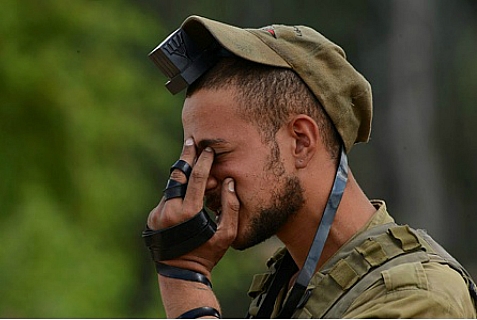
As characters participating in one of history’s most incredible chapters, we focus our efforts on the specific challenges facing our generation.

Our sages warn us of the possibility that great Torah scholars can lead Israel away from serving HaShem.
By waging war on Israel, even if not consciously aware of its inner motivation, a person or group is declaring war against the Source of all Creation.
A true pursuer of peace/completeness is one who identifies the obstacles to HaShem’s Ideal for this world and works passionately to remove them.
While Moav & Midian championed a separation of 'religion' & state, Israel’s mission demands that spiritual ideals be materialized on a national level so that our Torah’s values be fully expressed on earth.
Communicating the Jewish people's deepest aspirations can often serve to raise morale & strengthen Israel’s position on the battlefield.
Our equality doesn't result from being created identical but rather from the fact that we each have equally crucial functions and important roles to play as part of Israel's greater historic mission.
The spies that led Israel to national catastrophe mistakenly thought that the value of preserving life overrides the commandment to free Eretz Yisrael.
Through Israel's returns home and national rebirth, we have already seen sparks of prophecy return.
That HaShem forgoes His Honor for the sake of making peace between man and wife comes to teach us the importance of humbling our own egos for the sake of making our relationships work.
A people's army is necessary for Israel to fulfill the Divine commandment of sovereignty over our land.
Israel's deep spiritual connection to our homeland – like the connection of the soul to the body – transcends all rational human understandings.
Israel must organize its society in such a way that reflects Hebrew values while transcending the friction between conflicting economic models.
Pesach Sheni constitutes the first Hebrew festival established 'from below' & sets the precedent for all the holidays that would later fill the month of Iyar.
The awareness that Israel is the national expression of HaShem in this world and that our conduct is a direct reflection of His Divine Ideal should fill us with a deep sense of tremendous responsibility.

The Segula is Israel's inner Divine light planted within the collective Hebrew soul and revealed in human history through the Jewish people.
Every mitzvah is like a faucet that, when opened, releases Divine blessing into our world and elevates it to a level beyond where it previously existed.
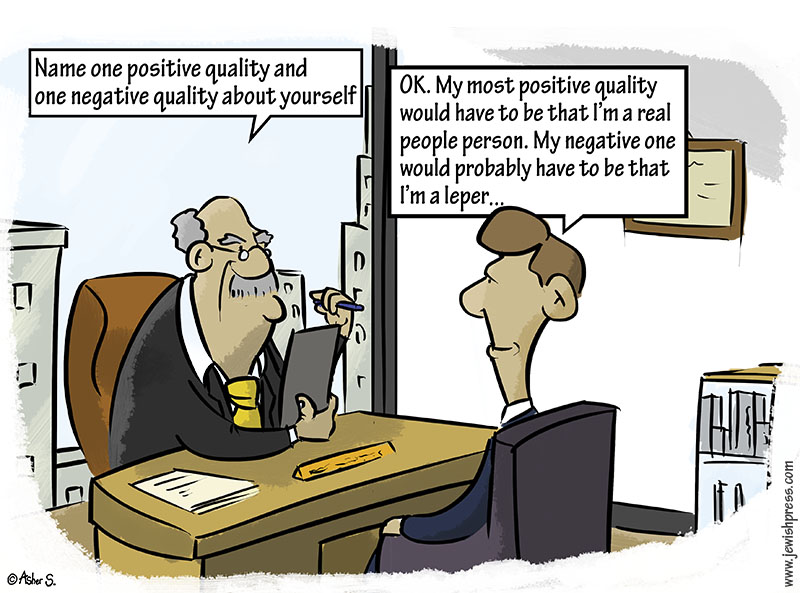
While it is unfortunate that even observant Diaspora Jews can be corrupted by the moral values of their host countries, the greater tragedy is that they are not living up to their full potential in life.
Teaching a bigger Torah would not only succeed in bringing back more disconnected Jews but also in advancing the Hebrew mission of illuminating the world with the light of HaShem’s Truth.
Yehoshua was one of Israel's greatest leaders because he represented the ideal expression of the Yosef force - one consciously rooted in, guided by and completely subordinate to the Hebrew mission.
Israel is to participate in - and elevate - every sphere of national life in order to reveal the inner connection of all that exists to the Divine Ideal.
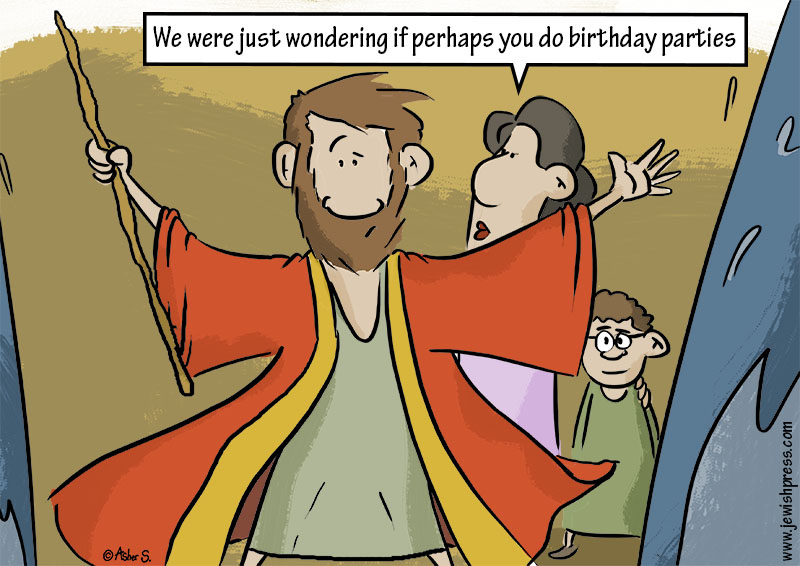
Israel was granted insight into HaShem's Divine plan for revealing Himself in Creation and bringing the world to its predestined state of perfection.
Even had Egypt’s dominance on the world stage declined later in history due to natural circumstances, the Pharaonic worldview would have continued to dominate the thinking of man.
Israel has dramatically returned to the world stage in what has so far been merely the introduction to a revolutionary process destined to free humankind from a global order that promotes injustice.
Korbanot in Jerusalem produce a spiritual ripple effect that adds incredible blessing to the world – curing diseases, alleviating suffering & influencing random acts of kindness across the globe.
The mitzvot that the dominant nations are most fervently against, automatically require extra valor and self-sacrifice to fulfill. Observing these precepts takes on higher meaning as an expression of emuna.
The melekh does not actually rule over Israel but rather embodies the mission and aspirations of his nation to the extent that he becomes a microcosm of the entire Jewish people and his personal identity is absorbed into Israel’s collective national identity.
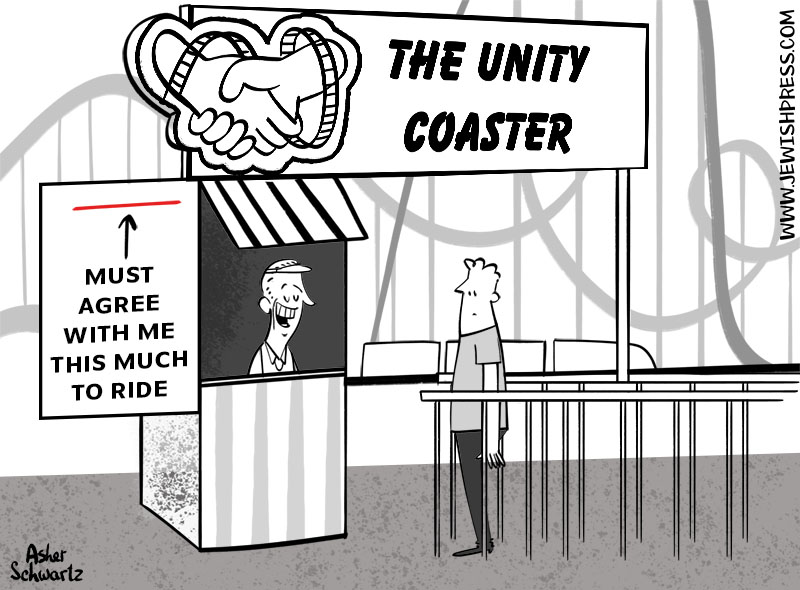
Through a heightened awareness of Israel's true inner essence, we can see past the sharp ideological divisions and appreciate the intrinsic unity beneath and beyond our surface disputes.
Upon a surface reading of the text, Aharon appears to have lacked the readiness for ultimate sacrifice.
The notion of giving everything to HaShem illustrates the difference between the mentality of redemption and that of the exile.
Israel being a 'kingdom of priests and a holy nation' necessitates the sanctification of individual, interpersonal and national life so as to give earthly expression to the Torah’s lofty spiritual values.
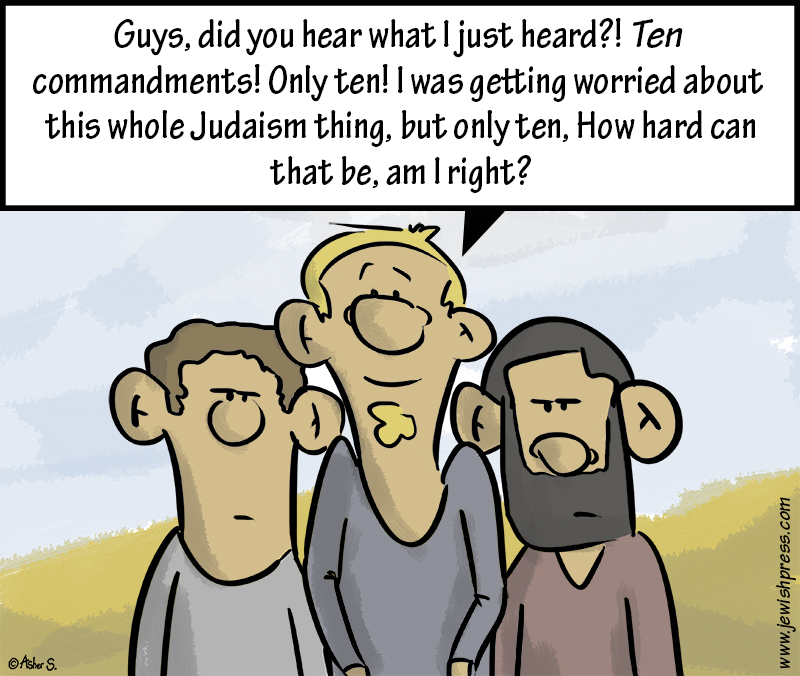
The Torah is not a 'religion' relegated to the houses of study or prayer. Nor is it a set of rules meant to coercively modify human behavior.
At various historic points, a 'low soul' has prevented the children of Israel from successfully advancing our national aspirations and collective mission.
The more we define ourselves as the actors rather than as the characters we play, the more our characters can actually succeed at fulfilling their unique roles in the story HaShem placed us in.
It is through the story of Israel, as it unfolds throughout time, that humanity sees history as possessing Divine meaning and purpose.
When slavery runs deep into the psychology of a person, it becomes difficult to express the crucial courage and self-sacrifice necessary to break the chains of mental bondage.
Only as a “kingdom of priests and holy nation” that reveals HaShem’s Oneness over all spheres of life can Israel fully express His Ideal and lead mankind to experience a world of total blessing.
Nearly every foreign land that Jews have settled in throughout history was initially a safe refuge or land of opportunity. And in almost every instance, our false sense of security was shattered.
Israel's collective soul can only fully manifest itself through an earthly nation that reveals the Divine Ideal in all spheres of national existence.
The light of redemption often shines in a distorted fashion in order to lull the Sitra Aḥra into passivity.
The fundamental Hebrew tenet that there are values worth fighting for is what drove Shimon and Levi to restore honor to the house of Israel.
A man must be constantly vigilant to speak and behave in a manner that brings happiness and comfort to his wife (or wives in Yaakov's case).
The subconscious realization that the nation of Israel is ascending to become mankind's dominant moral light compels Western civilization to try limiting the size and strength of the Jewish state.
While the 'love' that exists before marriage can be easy, enjoyable and free from responsibility, the true test for a couple is to forge and strengthen a deep spiritual bond of love after the wedding.
A deep understanding of events helps us appreciate how Avraham’s transgression provided the opportunity for him to ascend incredible heights through an unbelievable act of tshuva m'ahava.
By examining the election results through the eyes of Israel's 12 Tribes, we can better understand we're Israel is heading...
It is precisely Avraham’s valiant behavior in battle that proves the authenticity of his compassion to all of HaShem’s creatures, presenting a model of true kindness for the Hebrew nation to uphold.
The study of emuna infuses us with the vision to see history’s ultimate goal, as well as the confidence that we will succeed in bringing this goal to fruition.
The Torah is not merely some disjointed ritual precepts but rather the Divine Ideal from before existence placed into this reality for the sake of elevating our world beyond its current limitations.
Israel's national development & socio-political trajectory can be best understood by examining the dynamic progression of our ancient kings.
Although he had been raised in Pharaoh’s palace and had never in his life actually seen Eretz Yisrael, Moshe was held accountable for allowing himself to be referred to by others as “an Egyptian man.”
More than merely fostering personal piety among Jews, tshuva that begins with a reawakening of Hebrew identity will lead Israel to express kedusha in every sphere of national life.
The performance of our Torah's ritual precepts must be contextualized & experienced within the larger meta-narrative of Israel's story & mission.
Israel’s Torah is not some man-made 'religion' but actually the Divine Ideal implanted into our world for the purpose of uplifting all Creation through sanctifying every area of human existence.
A Hebrew leader must embody the aspirations of his people to the extent that he becomes a microcosm of the entire nation of Israel and his personal identity is absorbed into that of the national collective.
The essence of Ahavat Yisrael is the willingness to take responsibility for Israel’s future. It is being prepared to sacrifice everything for the defense of the Jewish people and liberation of the homeland.
When facing our enemies, it's often necessary to don a ruthlessness seemingly at odds with our inner nature. The 'hands of Esav' can sometimes be utilized to achieve the goals of 'Yaakov's voice.'
As characters participating in one of history’s most incredible chapters, we focus our efforts on the specific challenges facing our generation.
Our sages warn us of the possibility that great Torah scholars can lead Israel away from serving HaShem.
While Israel was obligated to drive the British from our soil, the Torah's approach to the "Palestinian" question might actually be more complicated.
By waging war on Israel, even if not consciously aware of its inner motivation, a person or group is declaring war against the Source of all Creation.
A true pursuer of peace/completeness is one who identifies the obstacles to HaShem’s Ideal for this world and works passionately to remove them.
While Moav & Midian championed a separation of 'religion' & state, Israel’s mission demands that spiritual ideals be materialized on a national level so that our Torah’s values be fully expressed on earth.
Communicating the Jewish people's deepest aspirations can often serve to raise morale & strengthen Israel’s position on the battlefield.
Our equality doesn't result from being created identical but rather from the fact that we each have equally crucial functions and important roles to play as part of Israel's greater historic mission.
The spies that led Israel to national catastrophe mistakenly thought that the value of preserving life overrides the commandment to free Eretz Yisrael.
Through Israel's returns home and national rebirth, we have already seen sparks of prophecy return.
That HaShem forgoes His Honor for the sake of making peace between man and wife comes to teach us the importance of humbling our own egos for the sake of making our relationships work.


 October 16, 2026