יום שישי, ה׳ חשוון תשפ״זFriday, October 16, 2026



Follow Us


Rav Yehuda HaKohen is an organizer and educator living in northern Judea. As a leader in the Vision movement, he works to empower students and young professionals to become active participants in the current chapter of Jewish history.
Read More
A people's army is necessary for Israel to fulfill the Divine commandment of sovereignty over our land.

The fifth of Iyar marks not only Israel's victory against England but also the day we fulfilled the collective mitzvah of sovereignty over our homeland for the first time in nearly 2,000 years.

The Segula is Israel's inner Divine light planted within the collective Hebrew soul and revealed in human history through the Jewish people.
Yehoshua was one of Israel's greatest leaders because he represented the ideal expression of the Yosef force - one consciously rooted in, guided by and completely subordinate to the Hebrew mission.
Even had Egypt’s dominance on the world stage declined later in history due to natural circumstances, the Pharaonic worldview would have continued to dominate the thinking of man.

While it is unfortunate that even observant Diaspora Jews can be corrupted by the moral values of their host countries, the greater tragedy is that they are not living up to their full potential in life.
The mere existence of life is not sufficient. Life derives its true value and meaning as a tool to be used in the service of the Divine.
Israel is to participate in - and elevate - every sphere of national life in order to reveal the inner connection of all that exists to the Divine Ideal.
Israel has dramatically returned to the world stage in what has so far been merely the introduction to a revolutionary process destined to free humankind from a global order that promotes injustice.
Israel must demonstrate confidence in ourselves and an iron determination to defy our antagonists. Mordechai teaches that it is not through appeasement that one achieves peace but rather through strength, self-assurance and unequivocally firm resistance to tyranny and injustice.
It's important to recognize the internal development of the Hebrew tribes from the Exodus from Egypt to the Brit Sinai and consecration of the Mishkan.

If Dan is the extreme expression of Yosef in the same way that Shimon is of Yehuda, what was the importance of appointing tribesmen of Yehuda and Dan to lead the construction of the Mishkan?
A mistake that nearly had catastrophic results for the entire people of Israel ultimately revealed Moshe's true greatness as a national leader.
By submerging individual identity into the collective Hebrew nation, the kohanim work to cleanse the children of Israel from all transgressions and to inspire the people with a powerful show of kedusha.
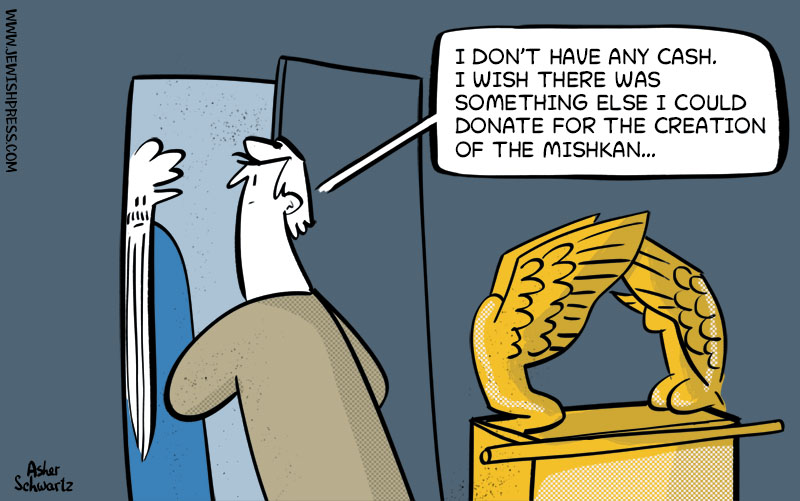
What can the Mishkan teach us about the ways Divine revelation is channeled into our world?

How should we understand the difference between the Written Torah and the Oral Torah within the context of Israel's identity and development?
Why were the Hebrews so surprised by the sudden realization that they would receive the Torah as a set of laws & a mission for the rest of humanity?
Between the smashing of Egypt's military at the Sea of Reeds and the war against Amalek at Rephidim, the Hebrews had to develop a national perception of emuna in preparation for receiving the Torah.
What were the necessary steps for Israel to develop a national consciousness ahead of leaving Egypt?
The ten plagues were part of a deliberate process to educate not only Egypt and Israel but also humanity.
After despairing of a slave revolt, did Moshe seek to create a new nation in Midian to replace Israel?

What are the individual contributions of each Hebrew tribe to Israel's national collective?
Did Yosef use the famine to bring his family down to Egypt in hopes of implementing an alternative approach to the Hebrew mission in the Diaspora?
Did Yosef seek to transform Egypt into a civilization built on Hebrew values that would repair the world?
As internal conflict over the Hebrew clan's direction leads to tragic consequences for Yosef and Yehuda, each must discover his own messianic potential.
As Yaakov returns back home to his land, he and his family are met with new challenges that ultimately transform them into the nation of Israel.

Before becoming Israel, Yaakov had to first spend several years in exile learning to be more like Esav.
How do the character traits of Esav and Yaakov find expression in the rival civilizations they produced?
Following her death, Sarah's powerful legacy continued to influence Avraham and play a major role in their family's development into a nation.
What can the dynamics between Yitzḥak and Yishmael in Parshat Vayeira teach us about Israel’s ideal relationship with the Muslim world?
How the leader of a universal spiritual movement learned to reorient himself to the understanding that his goals for humanity could only be achieved through the vehicle of a nation in a specific land.
Why does the Torah use the Name that connotes Divine mercy rather than Divine judgement when telling of the Creator's decision to destroy humankind? Could there be more to this story?
There's a hidden understanding of our Torah that has yet to reach the English-speaking Jewish world.
Why was the Judean freedom movement vilified in rabbinic literature and in the writings of Josephus?
If Dan is the extreme expression of Yosef in the same way that Shimon is of Yehuda, what was the importance of appointing tribesmen of Yehuda and Dan to lead the construction of the Mishkan?
A mistake that nearly had catastrophic results for the entire people of Israel ultimately revealed Moshe's true greatness as a national leader.
By submerging individual identity into the collective Hebrew nation, the kohanim work to cleanse the children of Israel from all transgressions and to inspire the people with a powerful show of kedusha.
What can the Mishkan teach us about the ways Divine revelation is channeled into our world?
How should we understand the difference between the Written Torah and the Oral Torah within the context of Israel's identity and development?
Why were the Hebrews so surprised by the sudden news that they would receive the Torah in the form of a set of laws & a mission for the rest of humanity?
Between the smashing of Egypt's military at the Sea of Reeds and the war against Amalek at Rephidim, the Hebrews had to develop a national perception of Emuna in preparation for receiving the Torah.
What were the necessary steps for Israel to develop a national consciousness ahead of leaving Egypt?
The ten plagues were part of a deliberate process to educate not only Egypt and Israel but also humanity.
Did Moshe attempt to create a new Hebrew nation that would replace the children of Israel and be born free from the psychological degradation of slavery?
The Maccabean revolt was not merely a struggle to revoke harsh decrees or secure freedom of worship. HaShem’s Divine blueprint for mankind demands Hebrew sovereignty over Eretz Yisrael
According to the Ramban, the verse "your foes who dwell upon it will be desolate" (Vayikra 26:32) is a partial blessing within the curse that guarantees through all generations that the Land of Israel will not receive any foreign nation in place of her true indigenous people.
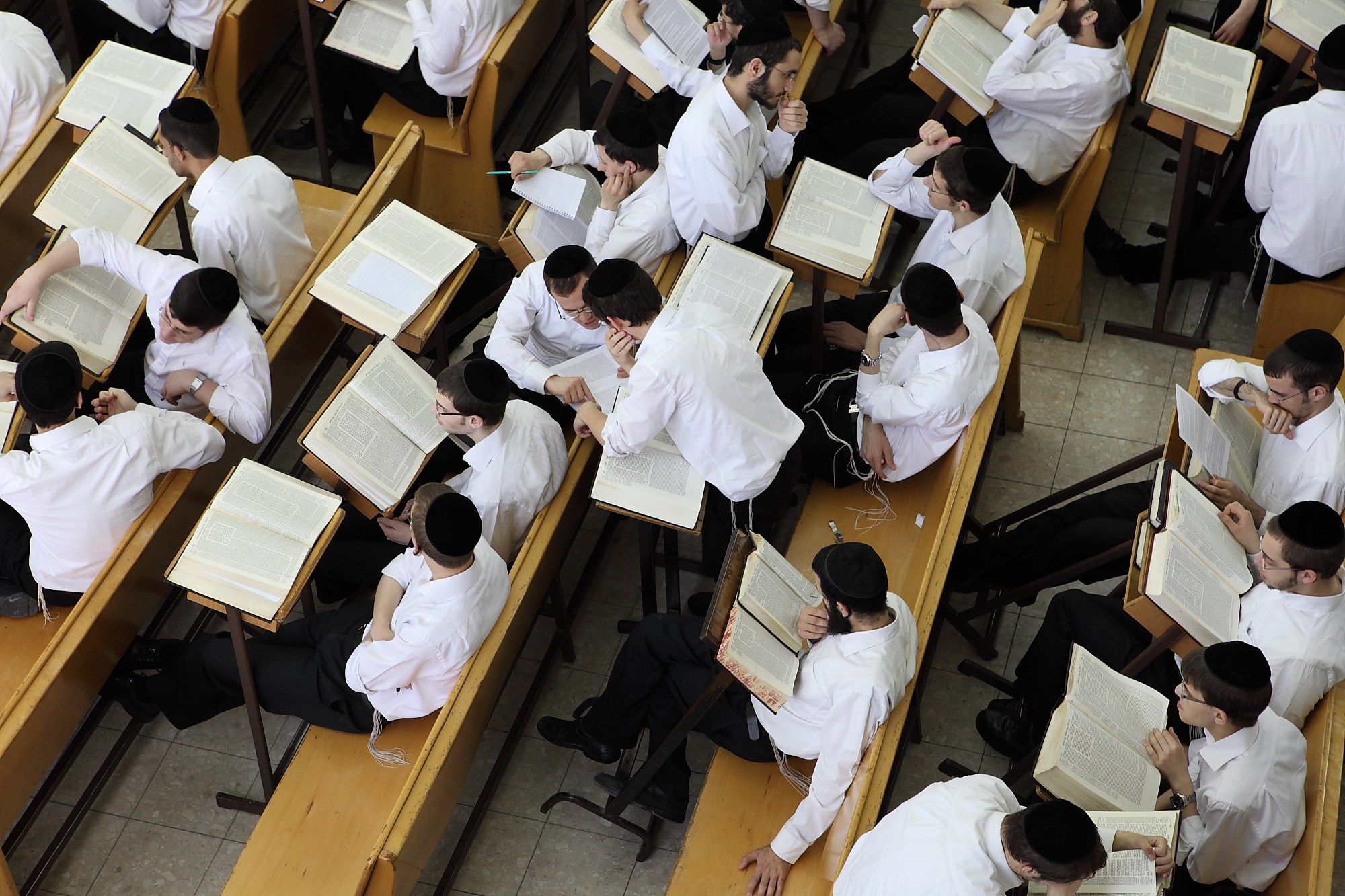
In both the company of fellow Jews and in the presence of gentiles, we must be relentlessly careful to conduct ourselves with morality, consideration towards others and honest financial dealings. A Jew must always be conscious that the Hebrew Nation represents HaShem in this world and that Israel is a direct reflection of His Divine Ideal.

Israel must demonstrate confidence in ourselves and an iron determination to defy our antagonists. Mordechai teaches that it is not through appeasement that one achieves peace but rather through strength, self-assurance and unequivocally firm resistance to tyranny and injustice.
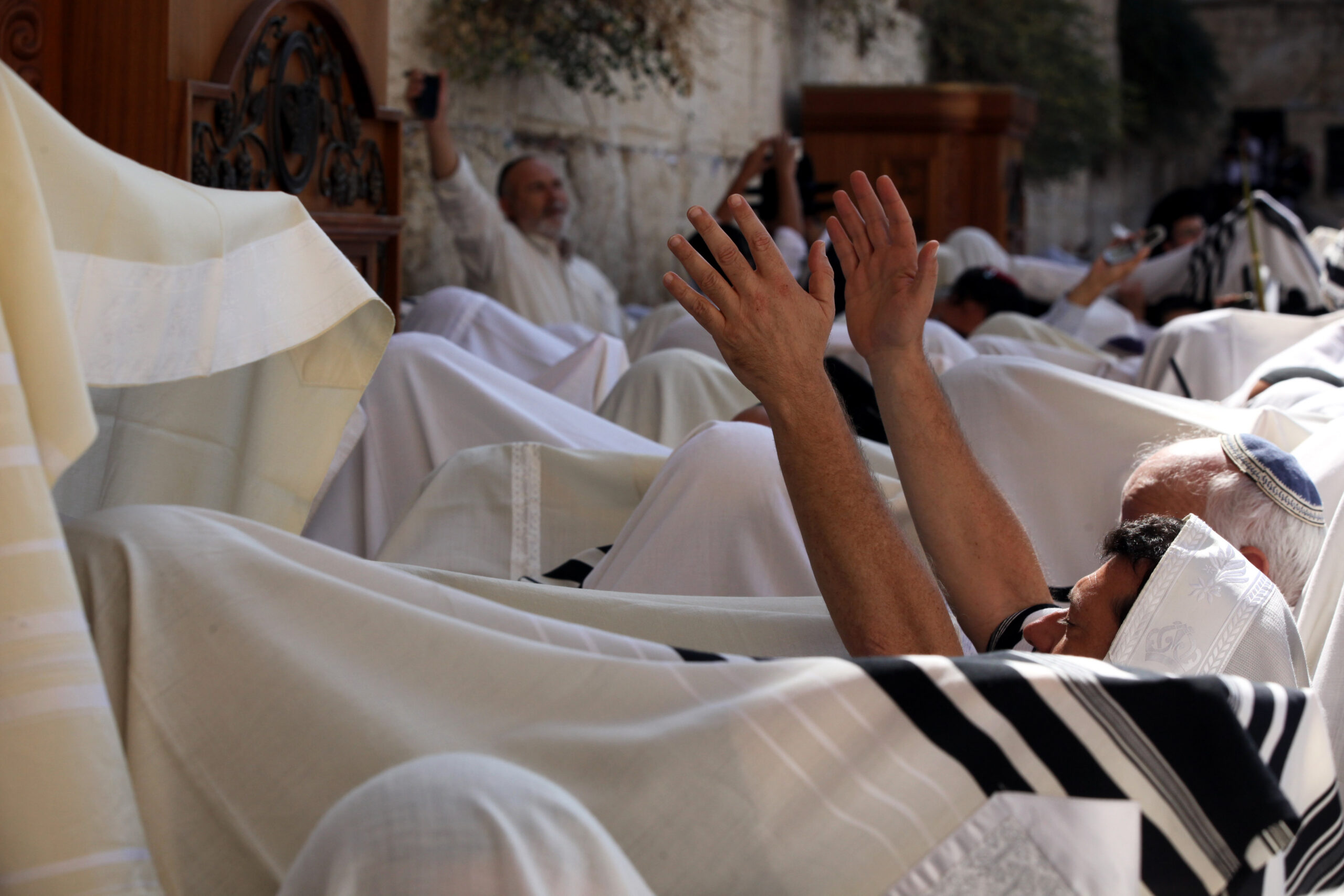
While the transgression of the Golden Calf had caused Aharon to feel a sense of distance from HaShem, the miluim was intended to bring him close again through spiritual perfection. The priestly vestments play a central role in this process and great detail is offered in describing them.
The Jewish nation has no such concept as “religion” in the formal sense of the term, as we reject the notion of anything lying outside the realm of HaShem. It is Israel’s mission to elevate every sphere of Creation by infusing it with kedusha and bringing it to its highest potential in our world.


 October 16, 2026