יום שני, ח׳ חשוון תשפ״זMonday, October 19, 2026



Follow Us


The Rabbi Avigdor Miller Simchas Hachaim Foundation, a project of Yeshiva Gedolah Bais Yisroel, was founded and authorized by Rabbi Miller to disseminate his work. Subscribe to the Foundation’s free e-mail newsletters on marriage, personal growth, and more at www.SimchasHachaim.com. For more information, or to sponsor a Simchas Hachaim Foundation program, call 718-258-7400 or e-mail info@SimchasHachaim.com.
Read More
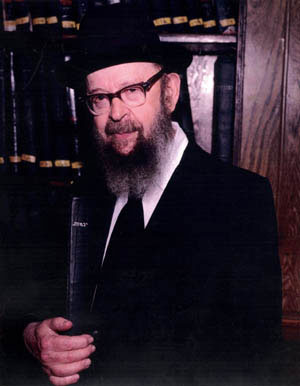
“When I proclaim the name of Hashem, give greatness to our G-d (32:3). When we hear a berachah, it is proper to exclaim "Baruch Hu u’Baruch Shemo" (“He is blessed and His name is blessed”) when Hashem's name is pronounced. But much more is intended. The mention of that most important word (in any language) should evoke the greatest reverence and love and devotion. How much should we exert ourselves in this function?
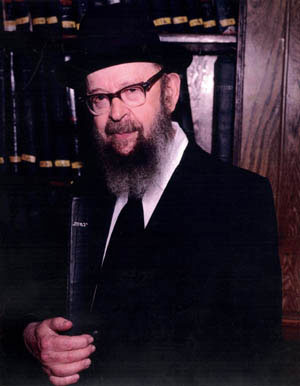
We live in an age of conveniences – and dangers. Our affluence presents dangers to our quest for spiritual perfection, which the Torah cautions against and which Rabbi Avigdor Miller elaborates on in Parshas Vayelech.
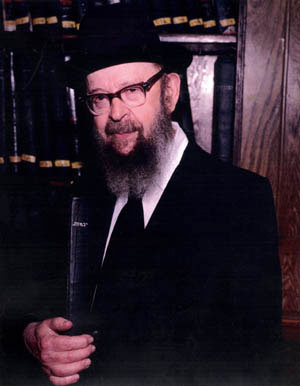
“The life and the death I have given before you…in order that you should live, you and your seed.… And you shall choose life” (30:19). “Choosing life” is one of the highest accomplishments (Shaare Teshuvah III:17). This means that not only does Hashem allow us the free will to choose (a principle that materialist psychologists deny), He also gives us the information that we possess free will.
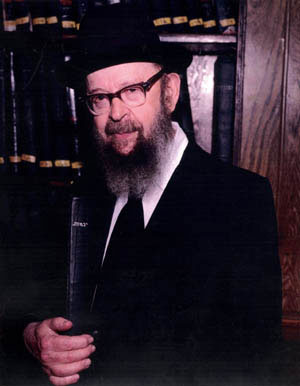
Many passages in the Torah appear at first glance to be repetitious. Often, each iteration has a unique and deep message. Rabbi Avigdor Miller, zt”l, finds such a case (in the passage of the Blessings and Curses) in the Torah's instruction to keep Hashem’s commandments and walk in His ways. Also in the passage of the Blessings and Curses, Rabbi Miller highlights the great blessing of a long life.

The Talmud asserts that the rebellious son of the verse below never existed and never will. Nonetheless, the Torah relates this law to advise parents in the most difficult of issues – raising children. To Rabbi Avigdor Miller, zt”l, the law and its lessons help reveal Israel's greatness.
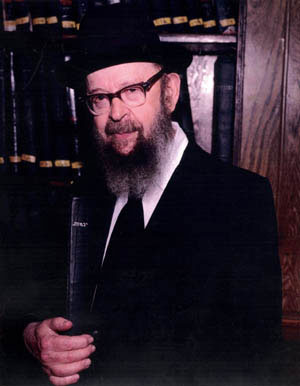
Moshe's blessing to the nation of Israel is interesting in that a similar blessing, which Hashem had given Avraham and Yizchak, had already been fulfilled. Rabbi Avigdor Miller, zt”l, observes that among the greastest blessings is abundant offspring, and therefore this blessing was particularly auspicious – even the third time around.

In the confrontation between Israel and Midian, the Torah reveals the great void of virtue that separated the two nations. While Israel had fallen to great depths in the challenge of the Peor, Rabbi Avigdor Miller, zt”l, points out that it had risen again to great heights in the ensuing battle against a nation steeped in immorality.
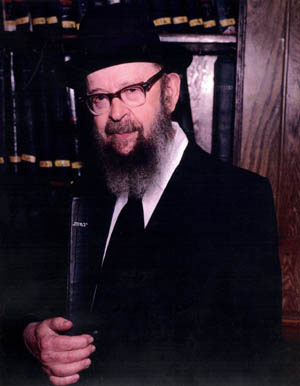
“Pinchas Ben Elazar Ben Aharon the kohen turned away my wrath from upon the sons of Israel by his zeal for my sake in their midst; and I did not bring destruction upon the sons of Israel because of my jealousy. Therefore, say, behold, I give to him my covenant of peace” (25:11-2). This is a special proclamation of acclaim. Though Moshe certainly approved of Pinchas, Hashem here teaches the necessity to render public recognition to the righteous.

In the aftermath of the episode of Zimri and the Midianite women, Hashem struck down 24,000 Jews. Yet immediately afterward, Hashem reaffirmed his tremendous love for Israel. Rabbi Avigdor Miller, zt”l, explains that this is in character with Hashem's quality of chastising severely the nation he loves so dearly.
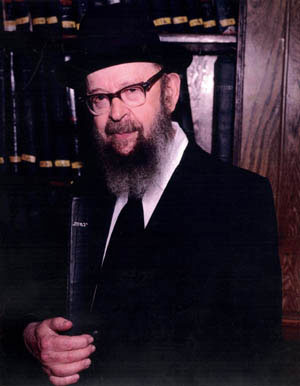
Hashem criticized His holy nation relentlessly, yet Rabbi Avigdor Miller, zt”l, observes that for 38 of Israel's 40 years in the desert, Hashem expressed no criticism at all. Herein is a lesson in Israel's greatness.
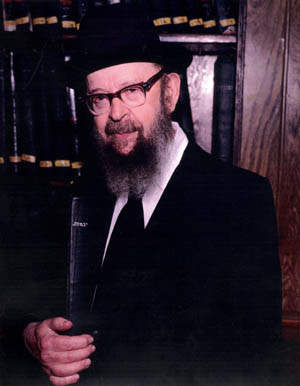
Aharon HaKohen is distinguished for his love of peace. Korach earned distinction for failing in this area; his name has become synonymous with dispute and divisiveness. Rabbi Avigdor Miller, zt”l, found in this story a striking lesson about the danger of argumentativeness and its application to every Jew.
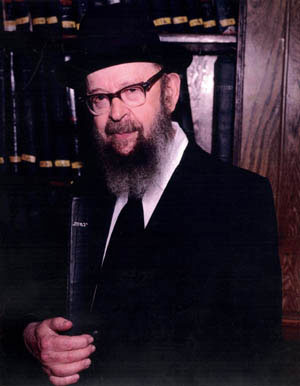
One aspect of Divine Justice stipulates that through the decisions we make we help shape the world around us. Good deeds bring in their wake positive outcomes and the reverse is also true. In the mitzvah of the Second Pesach (Pesach Sheni), Rabbi Avigdor Miller, zt”l, develops this understanding and finds that Hashem manipulated history specifically for the purpose of making such outcomes happen.
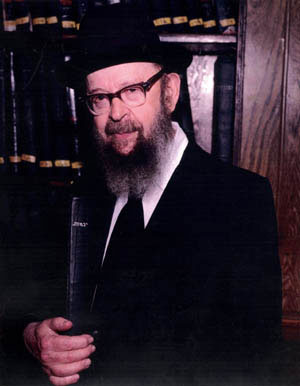
Each detail in the Torah is laden with meaning. Surely the service vessels of the Temple had great importance and consequence over and above their routine service. In the description of the menorah that stood in chamber outside the Holy of Holies, Rabbi Avigdor Miller, zt”l, found layer upon layer of meaning.
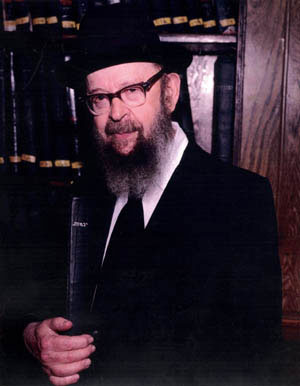
Parshas Naso is notable for its length, and its length is notable for its redundancy. The Torah minces no words, and therefore we understand that the repetition in the description of the Mishkan's inaugural service is purposeful and laden with meaning. Rabbi Avigdor Miller, zt”l, explains that this is a reflection on the importance and centrality of the Mishkan.

The Generation of the Wilderness was unique in the history of Israel, as Rabbi Avigdor Miller, zt”l, explains concerning the first verse of Bamidbar. Israel was slated for a special mission in the world, and this mission was begun with a special forty-year inauguration in which Israel gained an intense and unmatched closeness to Hashem.
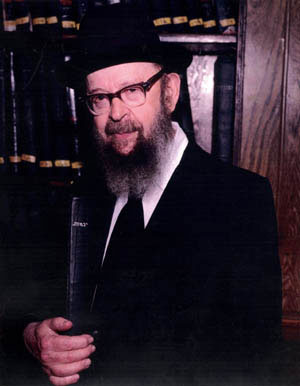
The truth is sometimes unpopular or uncomfortable. Thus, people who wish to dismiss the Hand of Hashem from history and human affairs may be taken aback by the assertion of Rabbi Avigdor Miller, zt”l, based on the beginning of this parshah, that the suffering that befalls Israel comes for a Divine purpose. Rabbi Miller finds this purpose explicit in the opening words of Bechukosai, and observes that this “wish” (to dismiss the Hand of Hashem from history) is not a Jewish way of thinking.

The Talmud tells us that compassion is one of the three traits that distinguish the nation of Israel (the others are shame and kindness). The Torah abounds with commandments that exercise this quality, and Rabbi Avigdor Miller, zt”l, explains that they are given for exactly that purpose.
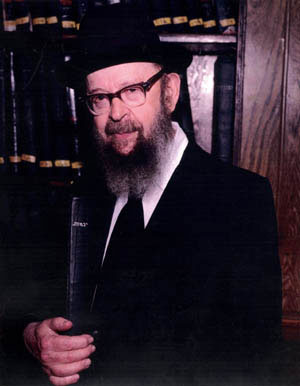
The restrictions Yom Kippur places on each Jew are unique among the Torah’s holidays. Likewise, the intricate and detailed Temple service that was performed on Yom Kippur is unique among the services Israel performed for Hashem. As Rabbi Avigdor Miller, zt”l, teaches, this unique day was in certain ways a microcosm for every Jew’s connection […]

Although the tzoraas affliction is no more in contemporary times, it teaches lessons that are eternal. Rabbi Avigdor Miller, zt”l, explains that foremost among these lessons is the greatness of Torah leaders and their wisdom. Another lesson: The opportunity the affliction presented to the afflicted for repentance and seld-improvement.
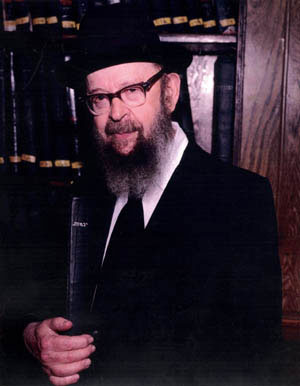
The commentators discuss the meaning and implications of the “strange fire” brought as an offering by Nadav and Avihu. In his discussion of this perplexing passage, Rabbi Avigdor Miller, zt”l, discusses their early demise and observes that their death served a greater purpose (through the sadness that ensued) and that despite receiving a divine death penalty, the Torah regards them as great people.
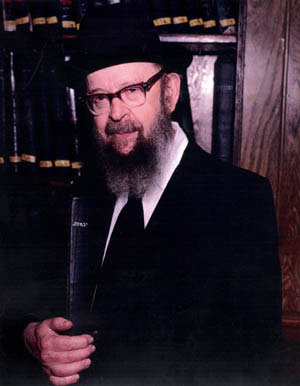
The miraculous splitting of the Sea of Reeds was one of the pinnacles of Israel’s closeness to Hashem. It raises a question, though: Why? Hashem typically hides His presence somewhat, conducting the world in a discrete way and never revealing His presence so openly. As Rabbi Avigdor Miller, zt”l, explains, this spectacle on the Sea of Reeds was performed with two great purposes in mind.

An act never dies. Each word you utter, each mitzvah you do, continues to ring in the world for all eternity. Rabbi Avigdor Miller, zt”l, teaches it was such an eternal act that was the undoing of Pharaoh and the making of Israel as a nation of holy people.
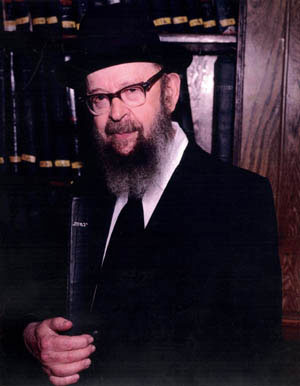
The evil inclination likes to tempt us to indulge in material delights. It is important to know that these delights may have another purpose, too: kedushah (holiness).
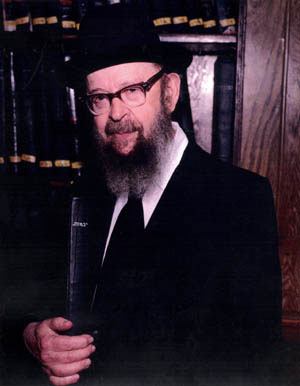
To the modern mind, korbanos may seem foreign or hard to understand. Yet they were a key component of the service of Hashem. Rabbi Avigdor Miller, zt”l, explains that offerings served many purposes, including a primary purpose of expressing thanks to Hashem. Thus, following the book of Exodus comes the book dealing with sacrifices as an expression of thanks for the deliverance from slavery in Egypt.
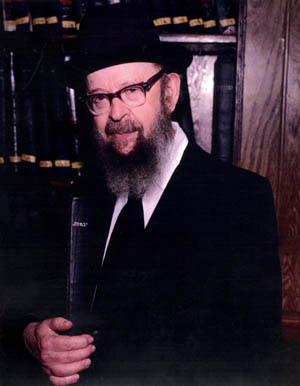
Despite the intense suffering of slavery in Egypt, it was there that Israel became a nation – not just in the spiritual sense, but in the physical sense: it was there that our numbers swelled. This is to the credit of the Jewish women, who despite their oppression at the hands of Egypt relentlessly encouraged the growth of Israel. This provides a glimpse of the greatness of the Jewish women of that generation. Likewise in our times, it is the Jewish woman’s selfless devotion to service of Hashem that builds and sustains Israel.
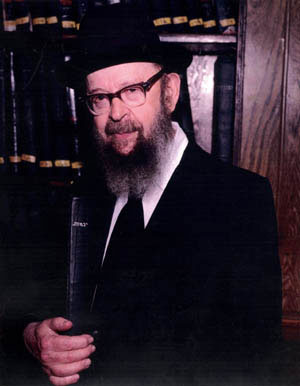
The wardrobe Hashem designed for those who served in his Mishkan served not only to distinguish them but also to impress upon them the importance and significance of the service for which Hashem had selected them. Clothing itself is a form of serving Hashem.
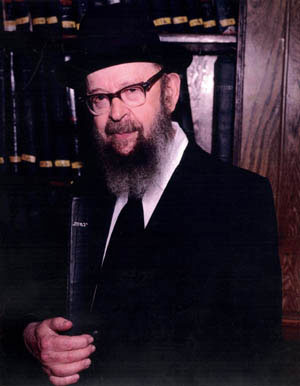
“And men of holiness you shall be to me, and you shall not eat meat in the field of a torn carcass (22:30). The expression “to Me” means “men of holiness that are Mine.” By being holy, they become close to Hashem.
We should not be so naive to think Moshe himself could not have thought of the plan of appointing officers. The Elders of the sons of Israel in Egypt were an official and recognized body, not mere old men as are found today in homes for the aged.
“And Hashem turned back the sea by a strong east-wind all the night” (14:21). The wind was entirely unnecessary, for it was naturally unable to split the sea open and create a pathway, as the verse concludes "And it made the sea into dry land and the waters were split apart." This was entirely a […]
“For I have made heavy his heart and the heart of his servants in order that I should put these signs of mine in his midst and in order that you should relate in the ears of your son and your son’s son how I dealt with Egypt, and you should know that I am Hashem” (10:1-2).

“And Amram took Yocheved.... And she bore to him Aharon and Moshe” (6:20). The names that were given in Egypt were not repetitions of previous names but were original expressions of genuine devotion to Hashem.


 October 16, 2026