יום ראשון, ל׳ תשרי תשפ״זSunday, October 11, 2026



Follow Us


Rabbi Shimshon HaKohen Nadel lives and teaches in Jerusalem, where he serves as rabbi of Har Nof's Kehilat Zichron Yosef and rosh kollel of the Sinai Kollel.
Read More
By Rabbi Shimshon HaKohen Nadel
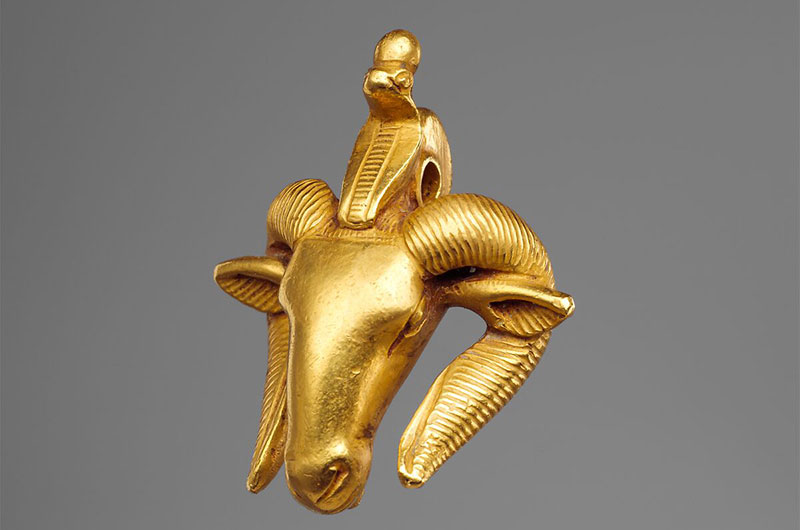
For Rav Kook, the call of this ideal shofar represents redemption through holiness; An awakening to return to our ancestral homeland out of great love and faith, and a desire to bring about the Redemption, fulfilling our destiny in the Land of Israel.
By Rabbi Shimshon HaKohen Nadel
Popular songs on Israeli radio today – the songs which have become the anthems of this war – emanate from a deep spiritual place. They draw on Jewish themes, motifs, prayers, and texts. And young people sing them like tefillot.
By Rabbi Shimshon HaKohen Nadel
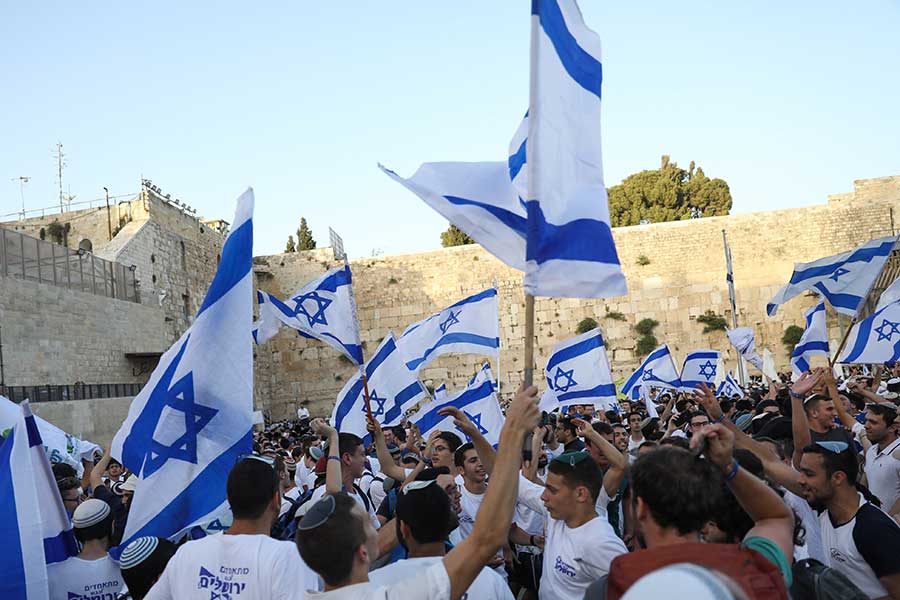
The indelible images of those six dramatic days in June 1967, along with the echo of Motta Gur's battle cry, Har HaBayit b’yadeinu – the Temple Mount is in our hands, are forever seared into our collective consciousness.

By Rabbi Shimshon HaKohen Nadel
The Chatam Sofer concludes that establishing a festival to mark a miraculous event is a biblical requirement, and one who does not do so is in violation of not performing a positive commandment (Teshuvot Chatam Sofer, YD 233).
By Rabbi Shimshon HaKohen Nadel
According to Chazal, the Seder night is a night on which Hashem provides the Jewish people with additional spiritual protection. A night when we are unconcerned with harm. A night when we feel safe. This sense of safety and security finds expression in Jewish law and custom.

By Rabbi Shimshon HaKohen Nadel
The Land of Israel is central to Torah observance. Hashem placed us on this land to fulfill His will.
By Rabbi Shimshon HaKohen Nadel
Historically, some challenged the permissibility of a modern aliyah, and later the validity in founding the State of Israel, based on the Three Oaths. They argued that we have no right to settle the Land of Israel before the arrival of the Mashiach; some even suggesting that the Holocaust was a punishment for re-settling the land prematurely.

By Rabbi Shimshon HaKohen Nadel
Rav Avraham Borenstein of Sochatchov explains that Rambam does indeed consider settling in the Land to be a Biblical mitzvah that applies at all times. However, like in other instances, the Rambam includes it within another, more general mitzvah (Avnei Nezer, Yoreh De’ah 454:5-6.)

By Rabbi Shimshon HaKohen Nadel
While generally travel is prohibited on erev Shabbat, the Shulchan Aruch rules that if one is ascending to the land of Israel and his caravan is leaving on Friday, he may leave with them because of the mitzvah of dwelling in the land of Israel (Orach Chaim 248:4).
By Rabbi Shimshon HaKohen Nadel
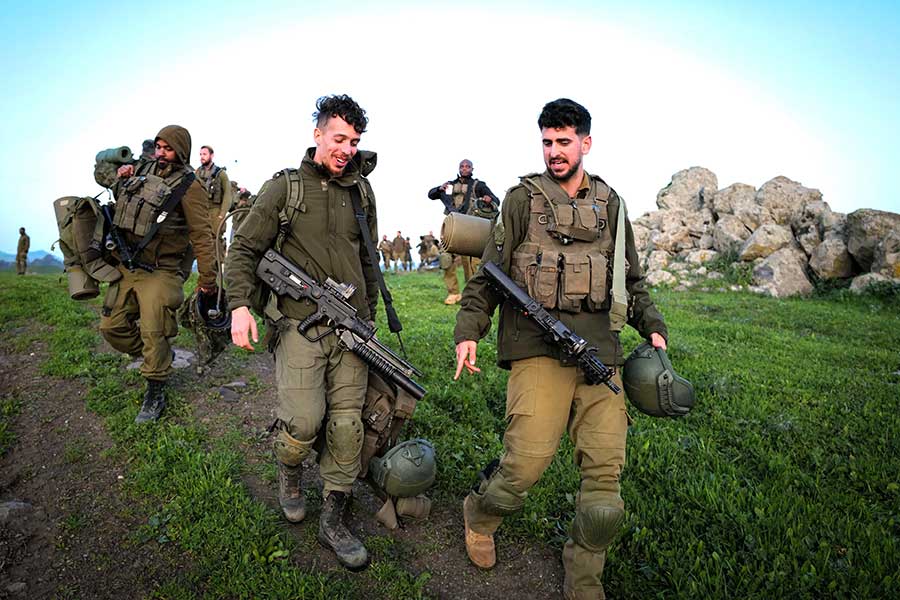
According to the Ra’avad and Ramban, there is no Torah prohibition to fear. Instead, the Torah promises the soldier that he will not fear (see their comments to the Rambam’s Sefer HaMitzvot).
By Rabbi Shimshon HaKohen Nadel
While the Talmud Bavli praises burial in Israel, the Talmud Yerushalmi is critical of bringing the dead from outside the Land for burial in Israel.
By Rabbi Shimshon HaKohen Nadel
As the blessing of Shehecheyanu is reserved for moments of great joy, it is appropriate only for close friends. But with modern means of communication – phones, email, WhatsApp, FaceTime, Zoom, etc. – it’s very possible that one will have seen or at least heard from his or her friend within thirty days.
By Rabbi Shimshon HaKohen Nadel
While some poskim rule that a soldier or reservist returning from war – even one who did not see combat – should recite Birkat HaGomel, as he was in potential danger, Rav Shlomo Zalman Auerbach limited the obligation only to a soldier whose life was in imminent danger (Halichot Shlomo 23:1).
By Rabbi Shimshon HaKohen Nadel
Throughout Jewish history, Jewish communities have composed texts on behalf of everyone from the King of Spain to the King of England to Napoleon. Depending on how kind the ruler was to the Jews, sometimes the prayer took an ironic turn, asking for protection from the King!
By Rabbi Shimshon HaKohen Nadel
While one may not intend to imbue the secular calendar with any religious significance, the prohibition of Do not follow their statutes (Vayikra 18:3) includes mimicking gentile customs or practices that have no explicit reason, as they may have originated among idolaters (see Rema, Yoreh De’ah 178:1, citing the Maharik).
By Rabbi Shimshon HaKohen Nadel
Due to the many doubts surrounding where and when this blessing should be said, many authorities rule that the blessing should not be said B'shem U'malchut - with Hashem's name.
By Rabbi Shimshon HaKohen Nadel
The Mishna Berurah (Orach Chaim 14:4) rules that ideally a minor may not tie tzitzit for an adult, as tzitzit must be tied with express intent for the sake of the mitzvah and a minor may not have the proper intent.
By Rabbi Shimshon HaKohen Nadel
A fascinating footnote to Israeli History: Prime Minister Menachem Begin would seek to move Yom HaShoah to Tisha B'Av following his meeting with Rav Soloveitchik in 1977.
By Rabbi Shimshon HaKohen Nadel
As a conditional get is shrouded in controversy, many poskim preferred instead a conventional get.
By Rabbi Shimshon HaKohen Nadel
Unfortunately today we find ourselves embroiled in a milchemet mitzvah, a national security situation which threatens our very existence and demands everyone’s participation.
By Rabbi Shimshon HaKohen Nadel
A report issued after Protective Edge by high-level military officials, including top generals from the U.S. and Europe, found that Israel’s conduct in the 2014 Gaza Conflict met and in some respects exceeded the highest standards we set for our own nations’ militaries.
By Rabbi Shimshon HaKohen Nadel
For the families of the 240 hostages being held by Hamas in Gaza – desperately waiting for their return – no price is too high, no demand too great, to get their loved ones back. But this question is far from simple, and the subject of much discussion and debate among contemporary poskim.
By Rabbi Shimshon HaKohen Nadel
His shiur was unlike any other in the yeshiva. Rav Tendler wouldn't get lost in abstractions, pilpulim, or lomdus. Instead, his shiur focused on the practical application of halacha.
By Rabbi Shimshon HaKohen Nadel
He was an intellectual giant, but at the same time “down to earth,” always shying away from kavod. He had no airs about him. He was accessible.
By Rabbi Shimshon HaKohen Nadel
All secular wisdom is essential for our Holy Torah and is included in it.
By Rabbi Shimshon HaKohen Nadel
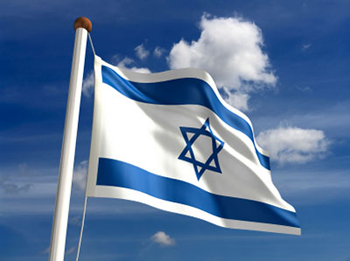
A flag with the Star of David hung prominently in the synagogues of Prague since the mid-14th century, with the approval of their great rabbis.
By Rabbi Shimshon HaKohen Nadel
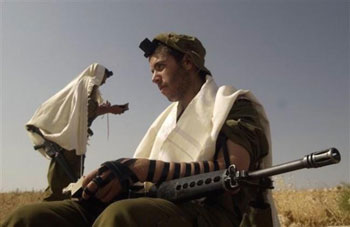
Minutes after candle-lighting, sirens rang out in Jerusalem, disturbing the peace and tranquility ushered in by Shabbat. Earlier that day, my wife and I assured our parents that we are far from the rockets in our home in Har Nof, a quiet suburb nestled in the Jerusalem Forest.
By Rabbi Shimshon HaKohen Nadel
In February, Israel’s Supreme Court ruled the Tal Law discriminatory and unconstitutional in a vote of six to three. The law, which provides exemptions for young men studying in yeshiva full time, has been the subject of much criticism and controversy.

By Rabbi Shimshon HaKohen Nadel
The message of the Biblical account of the Spies has tremendous relevance today, here in the modern State of Israel. With a nuclear threat from Iran, enemy states on its borders, the ever-constant fear of terrorism, and pressure from the International Community, Israel is not without its challenges. But it’s also the ‘Start Up Nation,’ with a healthy, growing economy when most of the world’s economies are failing.

By Rabbi Shimshon HaKohen Nadel
In the early days of Statehood, when Rabbi Avraham Yeshaya Karelitz, the famed Chazon Ish, and other leading rabbis reached a compromise with David Ben Gurion to provide military exemptions for yeshiva students, only some 400 students were exempted. Writing about a Milchemet Mitzvah, the Chazon Ish himself recognized that “if there is a need for them, they must come to the aid of their brethren.”

By Rabbi Shimshon HaKohen Nadel
It has been said ‘It is easier to take the Jew out of the Exile, than to take the Exile out of the Jew’. While in Egypt, the Jewish people could not even hear Hashem’s promise of Redemption because of their “shortness of spirit.” Their bondage wasn’t merely a physical bondage, but a mental one. And so, while still in Egypt, Hashem began the process of taking the Jew out of the psychology of Exile, ridding him of his slave mentality.

By Rabbi Shimshon HaKohen Nadel
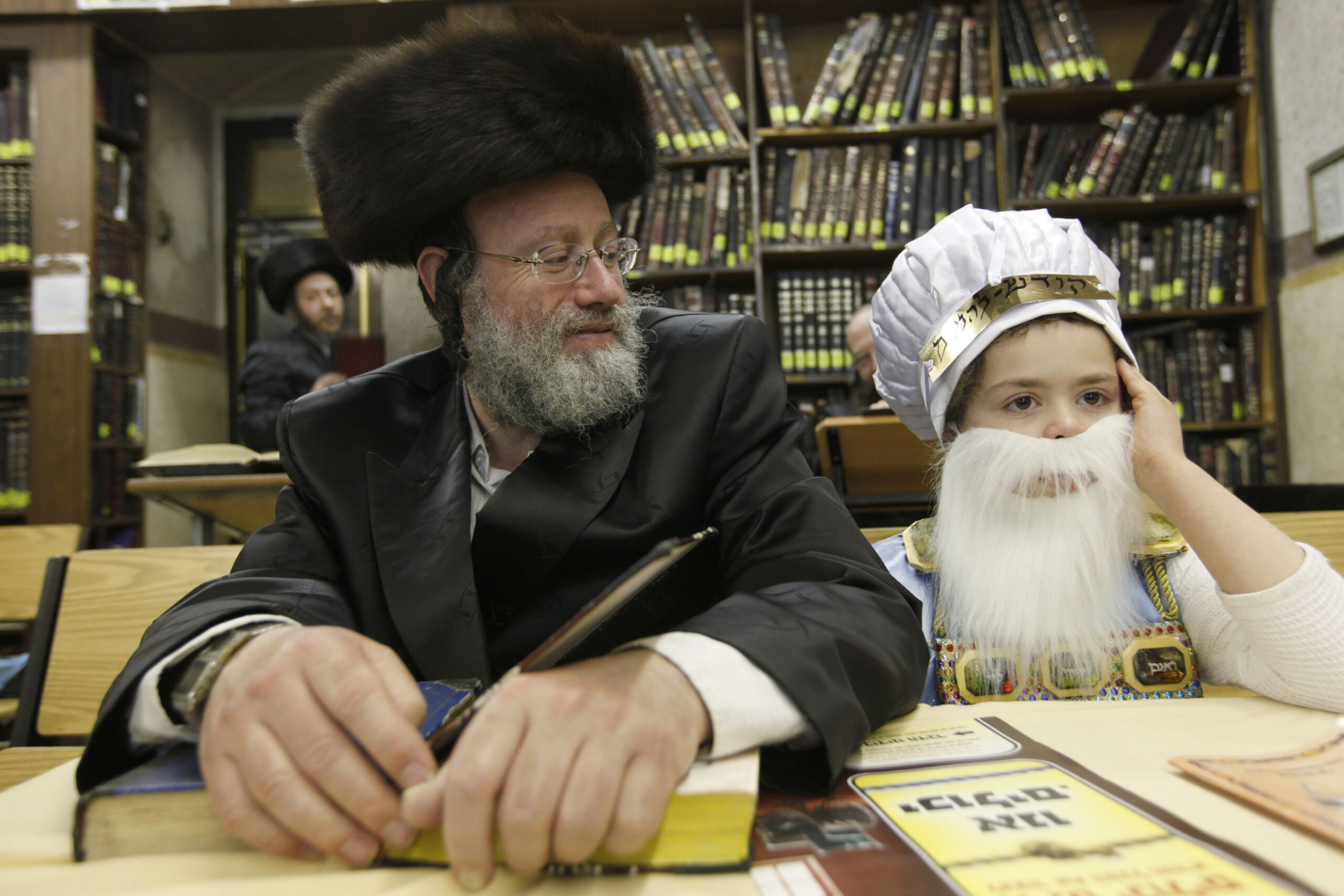
With thousands of Haggadot in print, it can be overwhelming to decide what to buy and what to use at the Seder. Just like kashering the home for Pesach requires preparation, so too the material for the Seder. And according to the investment is the return. Below are twenty of my favorite Haggadot.
By Rabbi Shimshon HaKohen Nadel
Being human, we are limited in our ability to understand. Tragic events seem senseless, without a rhyme or reason. World events can seem confusing, with the future uncertain. On Purim, we recognize that God’s Hand is guiding it all. The King is working behind the scenes, pulling the strings. We may not understand all of the twists and turns of the narrative, but we know the Author. All we have to do is put our trust in Him.

By Rabbi Shimshon HaKohen Nadel
The word the Gemara uses to get drunk on wine is “l’besumai,” literally - to become fragrant. Not stinking drunk, but rather like the incense in the Holy Temple; a sweet smelling aroma.


 October 9, 2026