יום חמישי, י״ז תמוז תשפ״וThursday, July 2, 2026



Follow Us


By Moshe Herman
(((CLICK BELOW TO HEAR AUDIO))) In the hight of a wave of terror, a conference is taking place about the future of Israel. Yishai is joined at the conference by Jewish world correspondent Zvika Klein and discuss Israelis in America, French anti-Semitism, and a major broohaha involving Zvika and the Prime Minister. Then, after a […]
By Moshe Herman
The Jewish forefather Abraham has to leave his home in Charan and move to the Holy Land, he has to change his body, and even his name gets changed - all in order to get closer to God. But why does God need change - are His creations imperfect? And why do the Jewish people always struggle with evil and persecution? Rabbi Mike Feuer and Yishai sit down in Beit Midrash Sulam Yaakov in the heart of Jerusalem to discuss the amazing Torah portion of Lech Lecha.
By Moshe Herman
Rabbi Mike Feuer joins Yishai to discuss the great Torah portion of Noach (Noah). Why does the word Hamas appear in the Torah before God decided to destroy the world? Why was Noah chosen to be the Messiah who saved the remnant of that world? And finally, why did the world decide to use all of its power & unity to fight God? Powerful lessons which also help us understand why there is terror in the streets of Jerusalem.
By Moshe Herman
Why did God create the world, and what does the word "Bereshit" tell us about creation? And does the Torah teach us about the nature of violence in general and blood in the streets of Jerusalem in particular? As we leave the holiday season behind, we enter a new phase in the Torah and a new phase in our lives - let's get it started right! Join Yishai and Rabbi Mike Feuer for a very special Spiritual Cafe filled with new beginnings.
By Moshe Herman
(((CLICK BELOW TO HEAR AUDIO))) Israel is engulfed in an epic dust storm - but what is the spiritual meaning of it? Join Yishai and Rabbi Mike Feuer, recording at Beit Midrash Sulam Yaakov in Jerusalem, for a discussion of dust, the prohibitions of slander, the ingathering of the Exiles, and choosing life in the […]
By Moshe Herman
Yishai and Malkah are back! As they overlook the Temple Mount Yishai and Malkah discuss Israeli kids going back to school, German support for Iran deal, and the Godly blessings which get channeled into this world on Rosh HaShanna - the Jewish new year.
By Moshe Herman
The Yishai Fleisher Show is back! This week, the beloved Spiritual Cafe series with Rabbi Mike Feuer on the Torah portion of "Ki Tetze" - going out to war. Yishai and Rav Mike deal with the complex dichotomy of the commandment to retain the consciousness of both hate for Amalek and compassion for the other & Biblical divorce between man and women but not between man and God. A must-hear for your Shabbat preparation!

By Moshe Herman
Yishai discusses the tide of performers coming to Israel, and the tide of anti-Iran deal Democratic senators rising up. It takes guts to overcome the anti-Israel bias and to fly in to perform in Israel. But that is exactly what some performers are doing, like pop superstar Mariah Carey, who performed in front of 12,000 fans at Rishon LeZions’s Live Park Amphitheater. Elie Pieprz, Founder of the International Division of the Counsel of Judea & Samaria and VOI’s Knesset Insider Jeremy Saltan join Yishai to discuss the tide of performers coming to Israel, and the tide of anti-Iran deal Democratic senators rising up.
By Moshe Herman
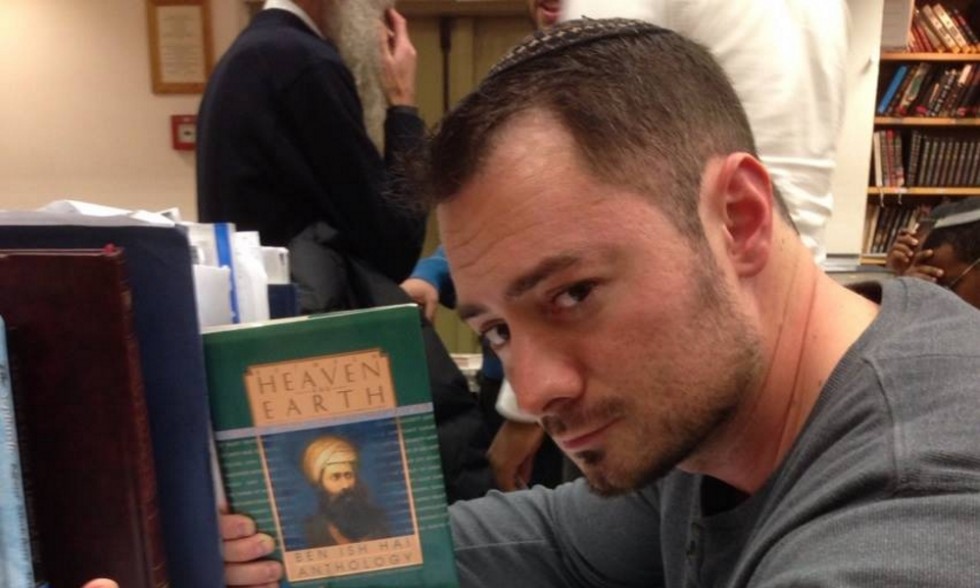
Yishai is joined by David Isaac Simpkins, a convert and former US soldier. Meet David Issac Simpkins, who spent ten years in the US military, including fighting in Afghanistan, and four years becoming an officer in West Point where he became interested in Judaism and subsequently converted. Hear Simpkins along with Rabbi Kenny Cohen, the founding rabbi of the Young Israel Century City, Los Angeles ( who helped Simpkins convert) tell Yishai about David’s remarkable journey.

By Moshe Herman
Jerusalem Post op-ed editor Seth Frantzman talks with fellow new father Yishai. They discuss the fact that Seth’s wife is Ethiopian, and talk about that community’s special customs surrounding childbirth — and how they reflect the state of Israeli society. Also, Seth reports on the Jerusalem Wine Festival — at least whatever he remembers of it from his alcohol haze.

By Moshe Herman
Rabbi Mike Feuer joins Yishai to talk about the weekly Torah portion. They talk about the significance of the Jewish people having at least three names. They also wonder why so many Jews forget the astounding investment our people have made to keep our nation Jewish.

By Moshe Herman
The follower of the Meir Kahane ideology tells Yishai and Jeremy Saltan about taking on opponents with political theater. After Defense Minister Moshe Ya’alon took measures to empty the Tomb of the Patriarchs and Matriarchs in Hebron of Jews learning Torah prior to his visit, his car was jumped on by Marzel. He explains why he acted as he did, and why he has no plans to change his tactics.
By Moshe Herman
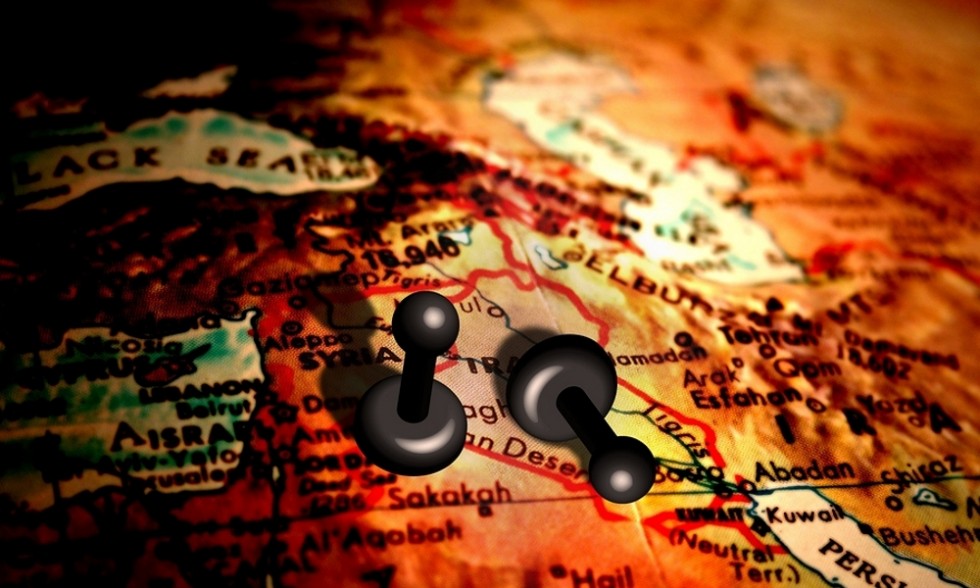
Mideast expert Mordechai Kedar joins Yishai to talk about some odd political developments and alliances in the region. Dr. Kedar, research associate at the Begin-Sadat Center for Strategic Studies and lecturer in the department of Arabic at Bar-Ilan University, offers his insights about Russia’s talks with Syria, Israel’s and Hezbollah’s shared interest in stopping ISIS and the nuclear deal’s unexpectedly negative ramifications for Iran.

By Moshe Herman
JPost op-ed editor Seth Frantzman talks to Yishai about Israel's self-flagellating reaction to recent acts of Jewish violence. On the heels of acts of terror committed by Jews, the two discuss what the appropriate national response is to the crimes of individuals, and the responsibility of the authorities. Then, they debate the history and legitimacy of administrative detentions in Israel.

By Moshe Herman
Yehuda Hakohen, leader of the Zionist Freedom Alliance, tells Yishai about being an 'alternative' peace activist. He explains why prioritizing peace is an integral part of the Zionist dream, and discusses his goal to circumvent the rhetoric, bring together the extremes and push a meaningful peace forward — one based on each side having things about which they are unwilling to compromise.

By Moshe Herman
Hasidic blues musician Lazer Lloyd shares his spiritual journey and meditative music with Yishai. Lloyd tells of playing for the most varied of audiences and feeling the connection we all share, before explaining what he sees as the united trifecta of blues music, hasidism and Israel. He plays three original songs in-studio: “Back Porch,” “Rocking in the Holy Land” and “My Own Blues.”
By Moshe Herman
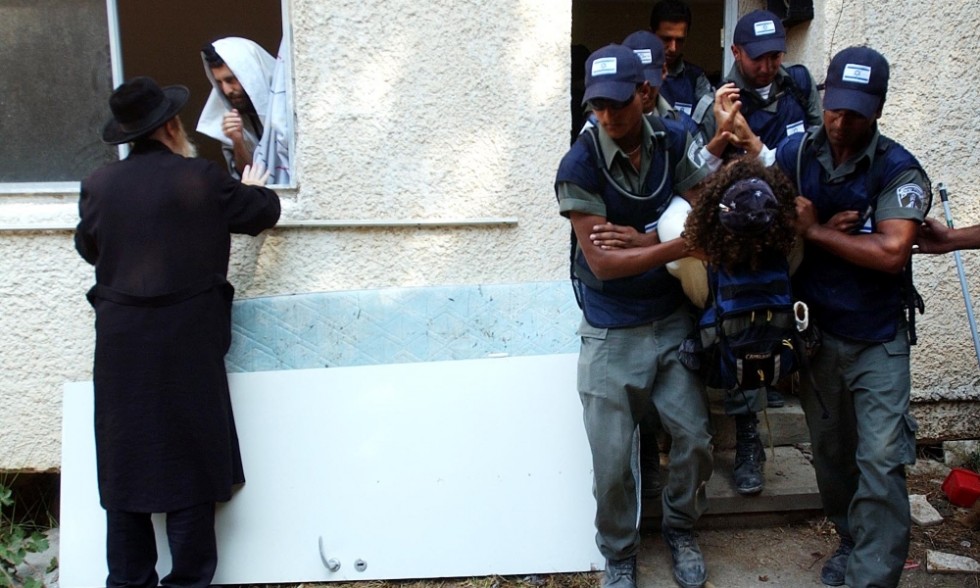
Yishai plays recordings from the month-and-a-half he and his wife, Malka, spent broadcasting from Gush Katif during the 2005 disengagement. The Fleishers provided their priceless, on-the-scene perspective of one of the most dramatic moments in Israeli history, as they observed the communities’ valiant refusal to leave their homes — even as their towns were cut off from food and supplies — while being intimidated by the Israeli government.
By Moshe Herman
Israeli-Japanese Jew Dr. Kenichi Hartman talks with VOI's Yishai Fleisher about the similarities -- and economic ties -- between Japan and Israel. Dr. Hartman, who converted to Judaism at the age of 12, has a doctorate in neuroscience from Harvard and is today a patent agent. He writes about Japan-Israel economic cooperation for the Times of Israel and is a mentor at Samurai House Israel, a Japanese investment fund. He shares the story of his remarkable life, as he crisscrossed continents, got in touch with his Jewish father’s heritage and ultimately ended up in Israel. He offers his unique perspective on the religious, cultural and philosophical similarities between the states of Japan and Israel.

By Moshe Herman
(((CLICK BELOW TO HEAR AUDIO))) Ethan Bearman, syndicated US radio host, interviewsYishai on Israeli history and politics -- and the Iranian nuclear threat. Bearman, author of “Liars & Whores: How Big Government and Big Businesses Are Working to Save Their Assets, Not Yours,” and Yishai talk about the biblical roots and modern ties to Judea […]
By Moshe Herman
Rabbi Mike Feuer, educational director of Beit Midrash Sulam Yaakov, joins Yishai to discuss 'Va'etchanan,' this week's Torah portion. Yishai reflects on an extremely difficult experience he had yesterday — enduring verbal abuse and humiliation, as he attempted to visit the Temple Mount. Then, in the light of the treatment of Jews at Judaism’s holiest site, the demolitions at Beit El and the Gay Pride March, Yishai discusses with Rabbi Feuer the repetition in “Va’etchanan” of the 10 Commandments and the iconic phrases that crop up throughout the portion, including the line that embodies the core principals of Judaism — the “Shema.” The two also consider the greatest struggles facing modern-day Israel and 21st-century Jewry.

By Moshe Herman
Randol Schoenberg, renowned attorney and president of the Los Angeles Museum of the Holocaust, discusses explosive issues with Yishai. Schoenberg, the prestigious Jewish lawyer recently portrayed in the popular movie, “Woman in Gold,” and Yishai discuss the US Supreme Court’s refusal to allow Jerusalem to be identified as part of Israel on official documents, and its recent decision to recognize same-sex marriage. Then, they debate the Iran deal, coming to very different conclusions. Schoenfeld shares his thoughts on recent developments emerging from the Obama administration.

By Moshe Herman
Baruch Widen, interfaith dialoguer and Arabist, joins Yishai to discuss the pro-Israel trend taking hold among the capital's Arab population. The community is applying for Israeli citizenship in unprecedented numbers. Baruch and Yishai consider why.
By Moshe Herman
Conservative minister of the Canadian Parliament Peter Kent tells Yishai why his country will not agree to lift Iranian sanctions. Kent, chair of the House of Commons Standing Committee on National Defense, explains that, unlike the United States, Canada demands to see true reform within the Islamic Republic before making concessions. This unwavering position places Canada as a leader against turning a blind eye to terrorism.
By Moshe Herman
Nationally syndicated US radio show host Ethan Bearman describes for Yishai the average American's perspective on the Iran deal. According to Bearman, author of “Liars & Whores: How Big Government and Big Businesses Are Working to Save Their Assets, Not Yours,” many Americans take umbrage with their administration’s marked step away from Israel.
By Moshe Herman
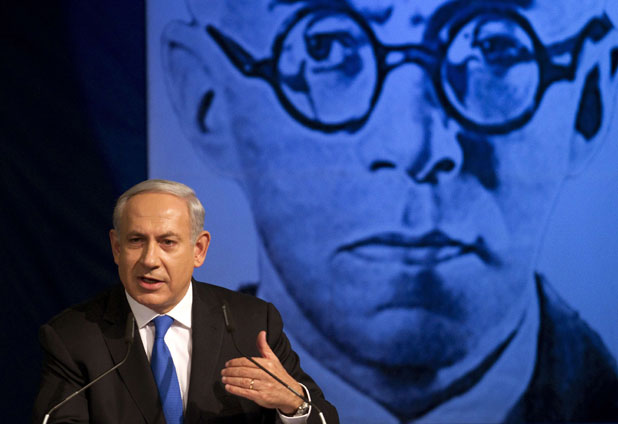
Likud party member Ze'ev Jabotinsky, namesake and grandson of the famous Zionist leader, discusses his grandfather's legacy with Yishai. On the 75th anniversary of the original Ze’ev Jabotinsky’s death, his descendent — the CEO of Tagar Computer Systems and an advocate for Israel’s rights under international law — talks with Yishai about the man and the legend.
By Moshe Herman
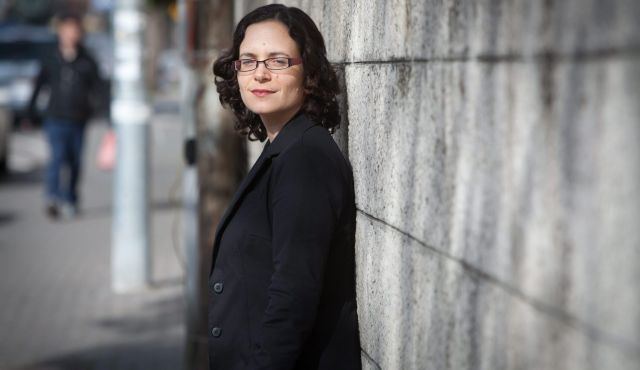
Yishai hears from the politician from the Kulanu party about her 90-year-old grandmother's move today from the US to Israel. MK Rachel Azaria, a former deputy mayor of Jerusalem, describes the journey her grandmother made by immigrating to Israel as one of the 221 new immigrants who arrived today on a Nefesh B’Nefesh flight.

By Moshe Herman
JPost op-ed editor Seth Frantzman talks to Yishai about the prosecution of an IDF officer who ordered the shelling of a terror position. They wonder whether Israel is doing this in order to show the world that “we prosecute our own,” so it won’t have to, and discuss the phenomenon of Israeli self-blame.

By Moshe Herman
Rabbi Mike Feuer joins Yishai to discuss Pinchas and other biblical figures. Though a zealot who killed the immoral Zimri, unlike most zealots, Pinchas was completely in line with God’s will. The daughters of Zelaphchad, five righteous biblical women, were zealous for the land of Israel, and they were rewarded for it.
By Moshe Herman
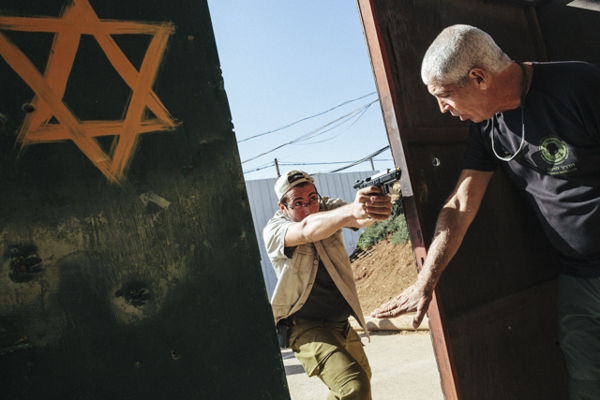
Yishai takes issue with statements made by former Iranian president Akbar Hashemi Rafsanjani, who called Israel “forged and temporary.” Yishai says that while Iran is a repressed society in which democratic aspirations are quashed, Israel is a beacon of human rights with proven historic staying-power. But, he warns, Israel needs to keep hitting that concept home. Then, Yishai is joined by Knesset insider Jeremy Saltan for a lightning news wrap: Six Arab-Israeli teachers in the Negev have been found to be ISIS-supporters; the budget is being delayed; IDF service is being shortened; and more. Finally, Yishai is joined by super-IDF-soldier Shai Ish Shalom, who remembers the hostage-rescue operation at Entebbe in 1976, recalling the precision-fighting during the fateful moments of the raid. VOI’s Judy Balint joins in to recount the last official commemoration ceremony of the raid, called Operation Thunderbolt/Yonatan, held in 2001.

By Moshe Herman
Yishai is joined by political correspondent Raoul Wootliff and Tamir Druz, director of Capra Energy — an independent, Israel-based energy advisory firm — to discuss and diagnose the controversy surrounding the natural gas reserves found off the coast five years ago. That the gas is there is good news; that the Leviathan field has yet to be developed is cause for concern. Then, Yishai is joined by Dr. Seth Frantzman, op-ed editor of the Jerusalem Post, to talk about the world of jihadists, such as the ISIS terrorists killings Egyptian troops in the Sinai and threatening Israel.

By Moshe Herman
Yishai is joined in-studio by Jerusalem Post op-ed editor Seth Frantzman to talk about Culture Minister Miri Regev's controversial move to block state payments for subversive art, such as a recent play glorifying an Arab terrorist. They also discuss the atmosphere of Ramadan in Jerusalem. Then, Yishai is joined by Rabbi Mike Feuer for another segment of 'Spiritual Cafe.' They discuss the the biblical assertion that the ashes of a perfect red cow, blended with a few other ingredients, can create a mixture with the power to eviscerate the energy of death and make one pure. Does it work? Can the Jewish nation as a whole do something similar?
By Moshe Herman
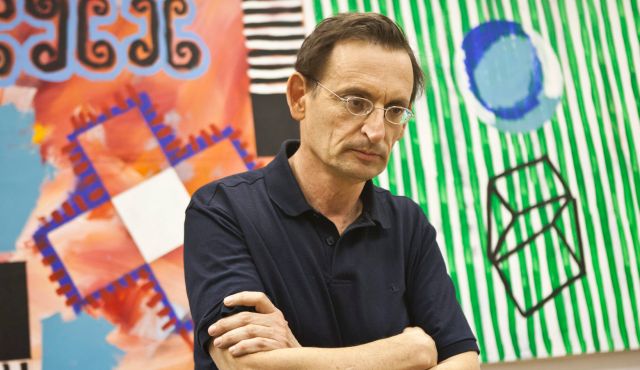
Hear from MK Dr. Dov Khenin and social media analyst Orit Perlov on today's show. Yishai is joined in-studio by Khenin, a member of the communist Hadash party, which joined the Joint (Arab) List prior to the Knesset elections in March. Always in the opposition of the legislature, he nevertheless spearheads many interesting laws. He talks about his vision for Israel and the Middle East, with an emphasis on the future of the disappearing Dead Sea. Then, Yishai is joined by Perlov, who follows and analyzes the discourse on social media in Arab states. Why have Arab youth been silent in the past year? Do they have hope for a better future? And what do they think about Israel?
By Moshe Herman
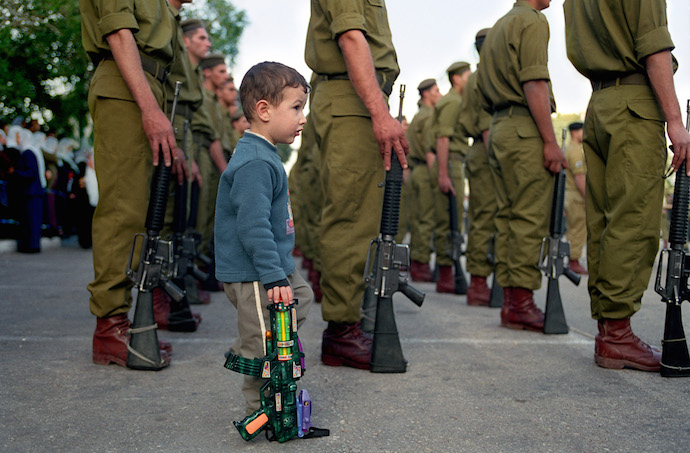
(((CLICK BELOW TO HEAR AUDIO))) Yishai is joined in-studio by Knesset insider Jeremy Saltan to discuss the report on the war in Gaza last summer and its "unsurprising" findings. He also talks about new "Free Gaza" flotilla and a different kind of deligitimization -- that of MK Michael Oren (former Israeli ambassador to the US) […]
By Moshe Herman
Yishai is joined in-studio by political activist Nadia Matar, co-chair of Women in Green, to talk about the concept of Israeli sovereignty over territory talked about by those favoring a "two-state solution." She also discusses a new political journal called "Sovereignty." Then, Yishai is joined by his wife, Malkah, to talk about efforts to have a "normal" life where they live. After three nights of Ramadan, the Jewish community on the Mount of Olives has suffered three consecutive terror attacks. Finally, Yishai uses the secret of the biblical "priestly blessings" to reflect on the goals of the Jewish state.

By Moshe Herman
Yishai deals with modern-day and ancient battles. First he is joined by political activist and commentator Pamela Geller, president of the American Freedom Defense Initiative and author, among other books, of "Stop the Islamization of America: A Practical Guide to the Resistance." She sponsored the "Draw the Prophet" cartoon contest in Garland, Texas, which was attacked by jihadists, who were killed in a shootout. She tells Yishai about the challenges involved in fighting jihad in the US and Israel. Then, Yishai is joined in-studio by Rabbi Mike Feuer to talk about the internecine Jewish political battles in the Book the Numbers. Was the biblical character Korach a communist or a man of the people? A fighter for democracy or a jealous would-be leader? Why did he pick a fight with Moses? And why did he merit having the Prophet Samuel as his progeny.
By Moshe Herman
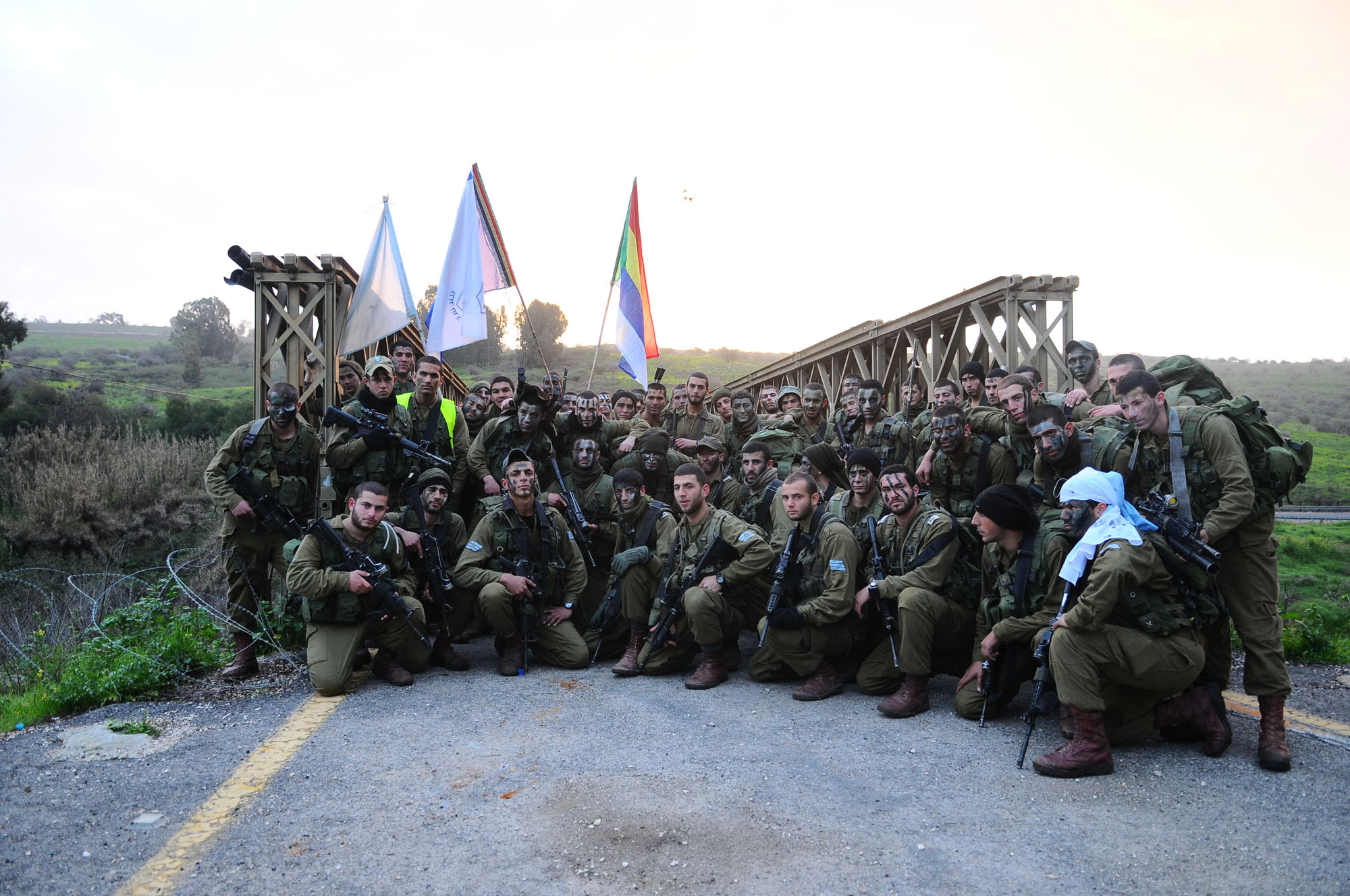
Yishai delves into various aspects of Israeli Justice. First, he is joined by Knesset insider Jeremy Saltan, to talk about Justice Minister Ayelet Shaked's offensive against boycotts. Then, Yishai is joined by Dr. Mordechai Kedar, research associate at the Begin-Sadat Center for Strategic Studies and lecturer in the department of Arabic at Bar-Ilan University, to discuss the Druze community in Syria. It is in grave danger from jihadists on the slaughter. But Israel have a moral responsibility to protect them, because of their literal and figurative brothers and sisters in Israel who are loyal to the state? Then, Yishai is joined by Israeli journalist and author Ben Dror Yemini, who says that though many people think that BDS is an organization or a movement, they're wrong. It's an atmosphere, Yemini asserts. It's an "evil spirit," not criticism of the occupation or settlements. Finally, Yishai hears from VOI Bureau Chief Daniel Seaman the tale of his grandparents' burial on the Mount of Olives.
By Moshe Herman
Yishai is joined in-studio by Knesset insider Jeremy Saltan, who heard Defense Minister Moshe Ya'alon claim that while terrorism was yesterday's war, BDS and Deligitimization are today's strategic threat to Israel. Then, Yishai is joined in-studio by Erez Tadmor, associate editor at Mida magazine and co-founder of "Im Tirtzu," an organization that fights anti-Zionism on Israeli campuses. As the head of the "message" team for the Netanyahu campaign, which yielded a whopping 30 seats for the Likud, he explains what Israelis want to hear, and how Netanyahu beat an international consortium against him.
By Moshe Herman
Yishai makes a passionate plea for Jerusalem's honor. When you deny or disrespect the Holy City, he says, you are dishonoring God and casting doubt on the story of the Jewish people and Israel. Then, Yishai is joined in-studio by VOI political correspondent Raoul Wootliff, to discuss the annual Herzliya Conference, the most prestigious gathering of policy analysts from Israel and abroad. Raoul plays some interviews he conducted from the scene, and discusses burning issues, such as BDS, the future of minorities in Israel and the question of a two-state solution. Finally, Yishai is joined by Rabbi Mike Feuer to discuss this week's Torah portion, which they say is particularly relevant to the era in which we are living. Why did the best leaders of a generation reject the land of Israel?

By Moshe Herman
Eugene Kontorovich, Professor of Law at Northwestern University and head of the International Department at the Kohelet Policy Forum joins Yishai to help unearth the roots of BDS and the US Supreme Court's rejection of Jerusalem. Why does America not recognize even western Jerusalem as part of Israel? Does BDS have anything to do with the Green Line or the West Bank? Then, isn't it interesting that campuses that pass BDS resolutions immediately report a rise in antisemitic incidents? Yishai talks with Tammi Rossman-Benjamin, a faculty member at the University of California, Santa Cruz, and founder of the AMCHA Initiative, a non-profit organization that combats anti-Semitism on college campuses.
By Moshe Herman
Yishai is joined by his wife and fellow broadcaster, Malkah Fleisher, to discuss the U.S Supreme Court decision that struck down a law that would recognize Jerusalem as a city in Israel on passports. Once again, according to Yishai, Israel's great friend comes up short and lines up on the side of the Jewish State's detractors. Then, Brigadier General (Res.) Gal Hirsch is the Deputy Commander of the IDF's Depth Command, Founder and Chairman of Defensive-Shield Holdings, and has served in various command positions in anti-terror, commando and counter-terrorism units. He joins Yishai to talk about the growth of global jihad, his passion for strong Israeli leadership, and overcoming and recovering from personal injury.

By Moshe Herman
Yishai gains perspective after a week of IDF Reserve Duty.
By Moshe Herman
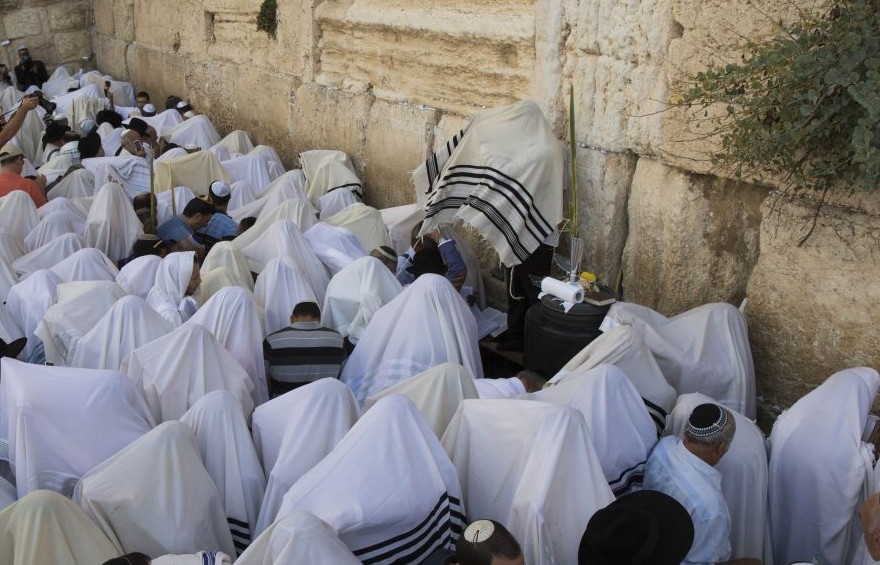
Shlomo Riskin, chief rabbi and co-founder of the Judean settlement of Efrat, rubs Israel's Chief Rabbinate the wrong way. His liberal stance on conversion, women's involvement in religious rites and other issues is now causing the rabbinate to threaten not to renew his contract, as he has turned 75. A slew of rabbis and public officials have come out in support of his continued tenure. Riskin joins Yishai to discuss his relations with the Chief Rabbinate and his positions on Jewish law. Then, in this week's Torah portion in the Book of Numbers, "Naso," God gives direction to the Jewish priests on how to bless the Jewish people: "May God light His face unto you." But does God really have a face? In preparation for Shabbat, Rabbi Mike Feuer joins Yishai to discuss the Priestly blessing, the Nazarite and the seemingly repetitive offerings of the tribe leaders.
By Moshe Herman
European Jewry is in trouble, says Yishai, but should all European Jews immigrate to Israel? Yishai is joined in-studio by Zvika Klein, Jewish World correspondent for the NRG news site and the Hebrew weekly Makor Rishon, to discuss the future of the Diaspora, in view of anti-Jewish legislation, such as the ban on circumcisions and kosher slaughter. Then, when the state of Israel was established, Israelis were discouraged from leaving -- so much so that they were not allowed to cast absentee ballots from abroad. That attitude has changed for many reasons, among them the large number of Israelis who leave the country to study and work. Should the law be adjusted to take this into account? Yishai is joined by Avinoam Bar-Yosef, president and founding director of the Jewish People Policy Planning Institute, and formerly the US bureau chief for the Hebrew daily Ma'ariv, to talk about this issue specifically and the state of the Jewish people in general.
By Moshe Herman
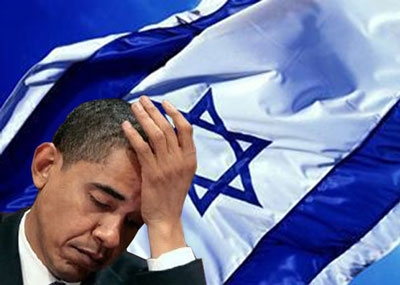
Yishai rejects what he sees as the "Israel-is-to-blame" narrative of President Obama's speech at the Adas Israel synagogue in Washington DC. Then, Yishai is joined in-studio by Orthodox Union senior managing director Rabbi Steven Weil and director of leadership development Rabbi Ari Rockoff to discuss the future of American Jewry. They discuss their latest initiative: meeting with 18-year-olds spending a gap year in Israel, to encourage them to involve their counterparts in the US, who have grown distant from their Judaism.

By Moshe Herman
Why does Shavuot (Festival of Weeks or Pentecost) have so many themes running through it? Agriculture, Mount Sinai, the Ten Commandments, the Book of Ruth, King David, the Baal Shem Tov, the consumption of dairy products and more all come together on this holiday, that begins Saturday night. Yishai is joined in-studio by Rabbi Mike Feuer to make sense of it all, ahead of the great "revelation." Then, Yishai is joined in-studio by Nachman and Sruli -- the Solomon Brothers -- who created their own band of bluegrass music, infused with spiritualism and folk rock, influenced by the likes of Bob Dylan and Neil Young. Their special blend of music has gained them numerous TV appearances and rave reviews. Their live performance at VOI will blow you away.

By Moshe Herman
Yishai is joined by political correspondent Raoul Wootliff for a news round-up. Raoul reviews the new seats in Knesset, the old Druze IDF unit being disbanded and PM Netanyahu's latest attempt to restart negotiations, right after declaring that Jerusalem will never be divided. Then, Why is Saudi Arabia getting along with Israel? Could it be because of a four-letter word called Iran? And why is it dissing the US? Yishai is joined by VOI Arab affairs analyst Bassem Eid, who sheds light on Saudi Arabian intentions. Finally, Yishai is joined in-studio by Dr. Haim Asa, one of Israel's leading military strategists, who served as adviser to the Foreign Ministry and as the late prime minister Yitzhak Rabin's national security adviser. The c-author of "Diffused Warfare," he talks about the future of the IDF and Israel's struggle to survive in the Middle East.
By Moshe Herman
An American conservative talk radio show host, a Times of Israel blogger and Jerusalem Post editors talk with Yishai about the issues of the day.

By Moshe Herman
Who built and rebuilt the walls of the Holy City over and over again -- and Why? Yishai is taken on a historical journey through Jerusalem with with master tour guide Meir Eisenman for a Jerusalem Day special retrospective. Then, Yishai is joined by Rabbi Shimshon HaKohen Nadel to discuss the Jewish People's eternal connection to Jerusalem, and plays songs of yearning for the Holy City's total redemption. If God chose to make an abode for Himself in the lower world in this particular place -- the embodiment of unity -- why is the world trying so hard to divide (internationalize) it?
By Moshe Herman
In the lead-up to Jerusalem Day, Yishai hosts three relevant guests: one American, another Israeli and a third Palestinian. Listen in and get inspired!
By Moshe Herman
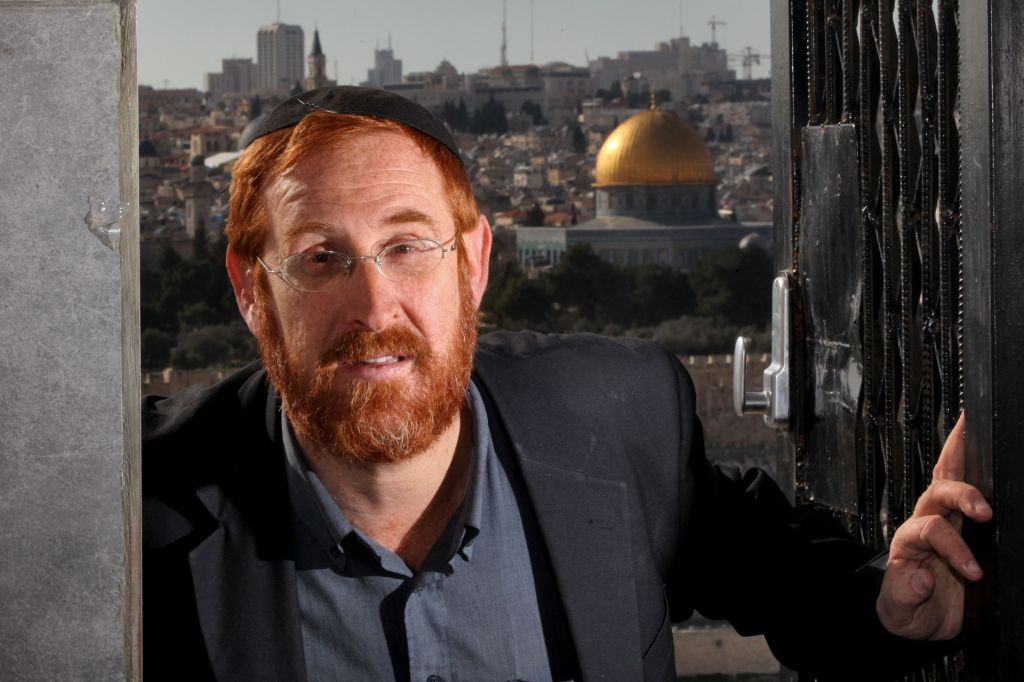
Is a landmark US state senate resolution to combat BDS having a domino effect? On April 21, 2015, Tennessee Governor Bill Haslam became the first elected state official in the US to sign a landmark resolution to confront the anti-Semitic BDS movement. Yishai is joined in-studio by Laurie Cardoza-Moore, the force behind the resolution, to further elaborate. Yishai talks to Temple Mount activist Rabbi Yehuda Glick, who was targeted for assassination six months ago by a terrorist who shot him in the chest four times. This was an attempt to silence Glick's demand for equal rights on the Temple Mount, the holiest place on earth for Jews. Finally, Yishai is joined by RustyBrick CEO Barry Schwartz to talk about Jewish app innovation; the future of smart watches; and to engage in the age-old debate: Android or Apple?
By Moshe Herman
(((CLICK BELOW TO HEAR AUDIO))) Hear interviews about American anti-BDS efforts, Temple Mount woes and the rabbinate's monopoly on Kosher certification. Yishai is joined by Doron Hindin, attorney at the prestigious law firm Herzog, Fox, Neeman. Doron, who specializes in fighting BDS through legal and other means, talks about new anti-BDS resolutions by US state […]
By Moshe Herman
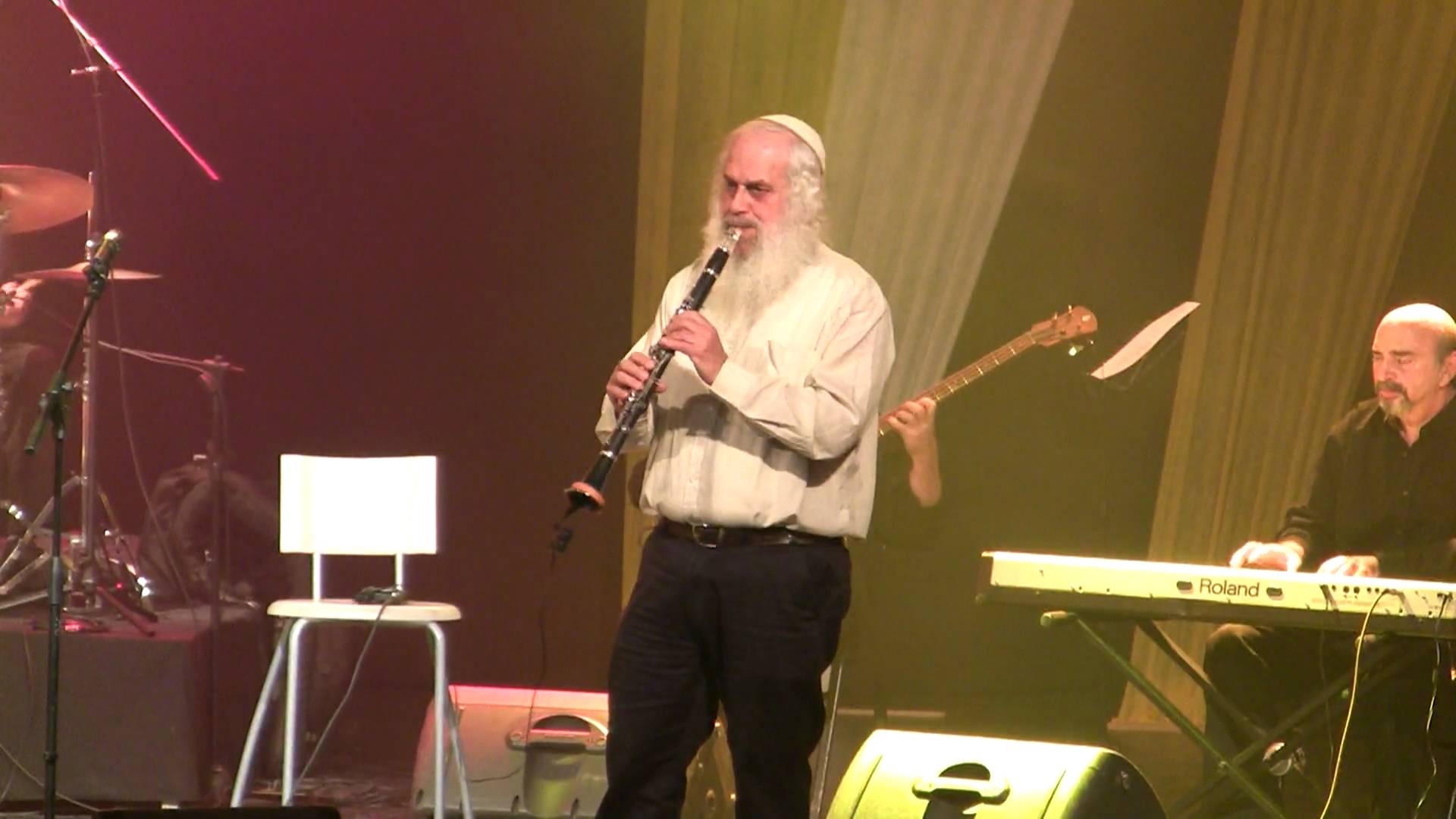
(((CLICK BELOW TO HEAR AUDIO))) The fiber-glass clarinet of Moshe ("Musa") Berlin is as iconic as the man who plays it. For more than 50 years, the master of klezmer has played at the massive annual festival of Lag BaOmer at Mt. Meron. This week he joined Yishai in-studio and made magical music. Then, what […]
By Moshe Herman
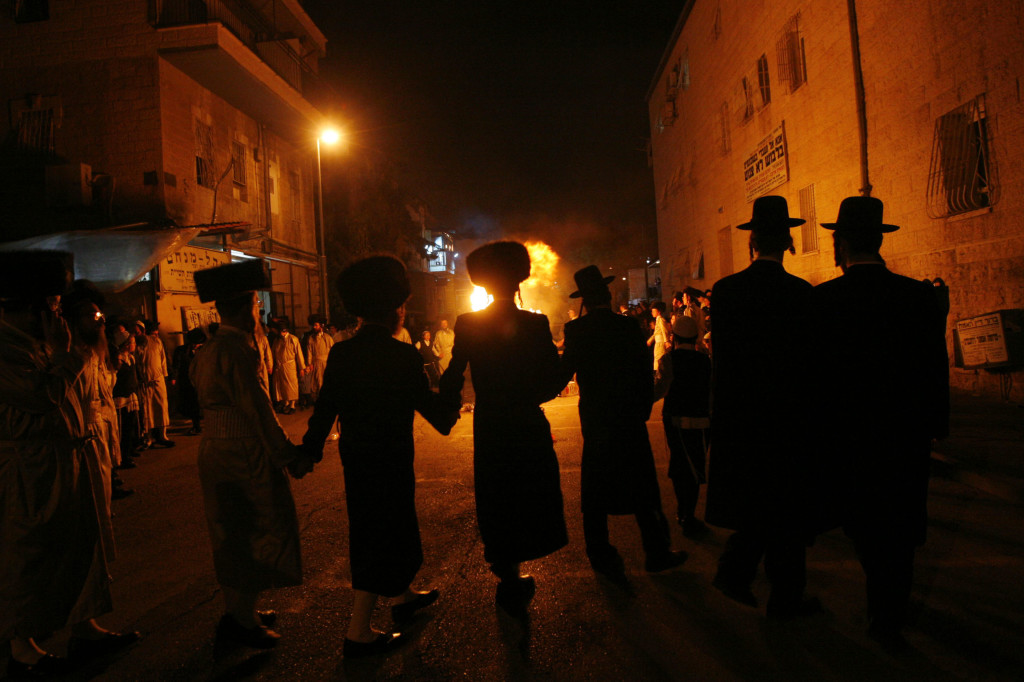
Yishai delves into two issues of intrigue: the Kabbalah and women. The holiday of Lag BaOmer is all about the victory of authentic Jewish culture and the Kabbalah -- the mystical doctrines of the Torah. But what does that really mean? Can someone explain what the Kabbalah actually is? Rabbi Mike Feuer joins Yishai for a peak into the hidden, and inner, planes of Judaism. Then, being a woman today means balancing family and career, leaving self-growth neglected. This was the impetus for the Jewish Women's Renaissance Project, created to give Jewish women a chance to explore Israel, Judaism and themselves, while making friends similarly seeking a meaning-filled life. Yishai is joined in-studio by partnerships director Ariella Milobsky and trip director Tzippy Lieberman, who share their personal stories of growth and redemption, and discuss the that arose from Jewish women's yearning for more.

By Moshe Herman
The Israel Defense Force is not like other armies, says Colonel Richard Kemp, former commander of the British forces in Afghanistan, who spoke at the Israel Law Center's "Towards a New Law of War" conference. Then, why do we light bonfires on the Jewish holiday of Lag BaOmer? Historian and author Rabbi Ken Spiro, senior lecturer and researcher for Aish HaTorah's Discovery Seminars and the JerusalemU, tells Yishai that the victory of Lag BaOmer is the victory of Torah over Roman paganism, and therefore is a continuation of the victory of the Maccabees over the anti-Jewish edicts of the Greeks. Then, Yishai is joined in-studio by Yossi Fraenkel, operations officer of the International Unit at ZAKA -- the Israeli emergency response team that specializes in rescue and body identification and extraction -- to talk about his organization's efforts in Nepal, following the earthquake. Finally, a political bomb shell: Foreign Minister Avigdor Lieberman, who resigned Monday, just quit the coalition negotiations and will become part of the opposition. Yishai is joined by VOI's political correspondent Raoul Wootliff to discuss the move.
By Moshe Herman
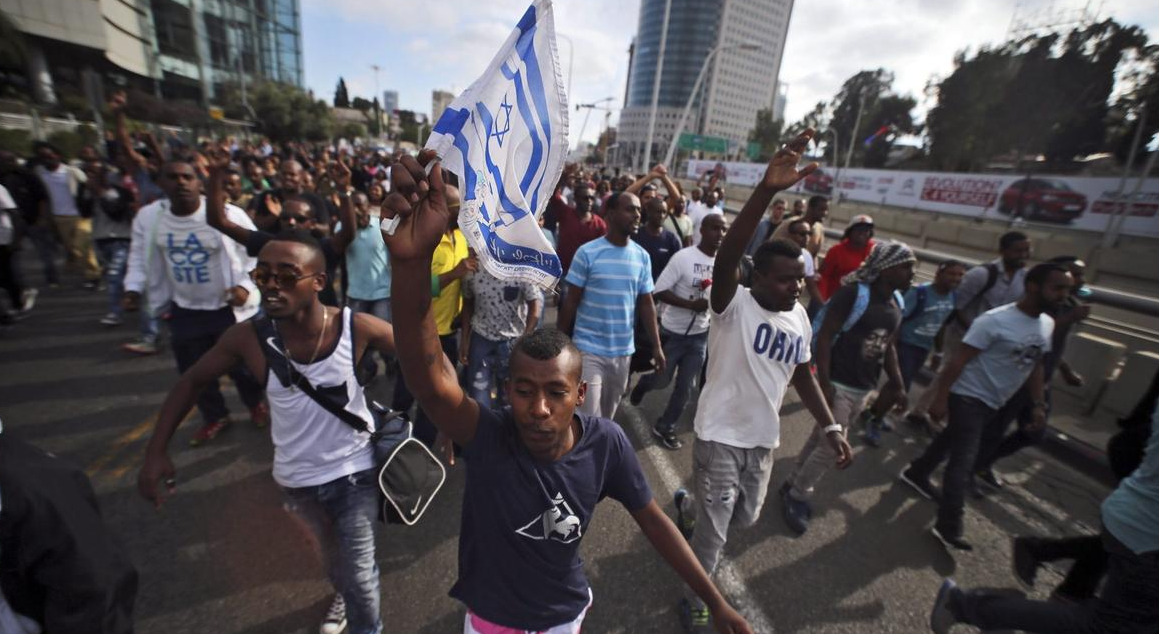
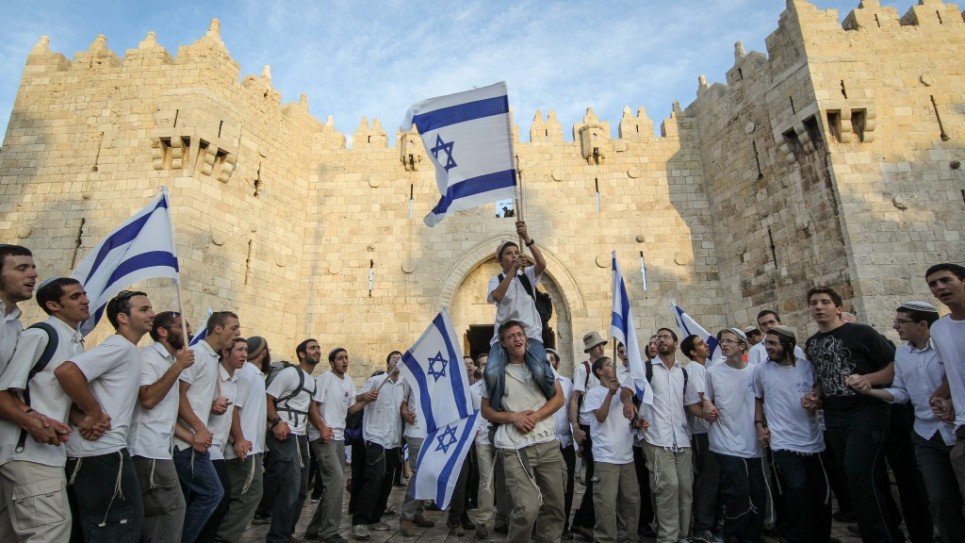
Yishai is joined in-studio by Jerusalem Post op-ed editor Seth Frantzman and editorial page editor Matthew Wagner to discuss the violent protests held by Ethiopian Israelis over the past few days. They talk about the roots of the rage, and the extent of discrimination against Jews in the Jewish state. Then, Yishai is joined in-studio by Joel Pollak, editor-at-large and in-house counsel for Breitbart.com, to discuss the similarities and differences between the US and Israel. Pollak says that whereas America is based on a philosophy, Israeli society is more ethnic and connected to the land.
By Moshe Herman
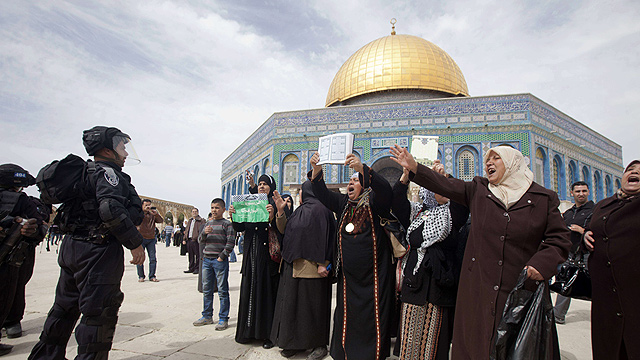
Yishai is joined by Alan Elsner, vice president for communications at the ultra-liberal Jewish organization J Street, to discuss the future of the two-state solution and the challenges connected with Israeli sovereignty in Jerusalem. Why are Arabs rioting there? Then, Yishai is joined in-studio by Rabbi Mike Feuer to discuss Second Passover, a bona fide biblical holiday that many people have never heard of. What are the secrets of this holiday? What is the big deal about blasphemy?

By Moshe Herman
Yishai is joined in-studio by Tamir Druz, director of Capra Energy Group, an independent energy consulting firm advising different governments, among them Israel's, to answer some key questions. Is natural gas the fuel of choice and why? What about pollution? Is the air in Israel's third largest city, Haifa, really harmful? And why do gas prices keep fluctuating? Then, Yishai is joined via phone by Arjun, a Nepalese national, who describes the situation on the ground in Kathmandu following the earthquake. Finally, Yishai is joined in-studio by Eugene Kontorovich, law professor at Northwestern University and senior fellow at the Kohelet Policy Forum, to discuss how the narrative of Israel's birth has an impact on its future.
By Moshe Herman
Yishai is joined in-studio by Swedish-Jewish journalist and political consultant Annika Hernroth-Rothstein to talk about what it is like to be so persecuted as a Jew where you live that you apply for asylum in your own country. Then, Yishai is joined in-studio by David P. Goldman, an American economist, music critic and author, known for his series of online essays in the Asia Times under the pseudonym Spengler, and for his 2011 book "How Civilizations Die."

By Moshe Herman
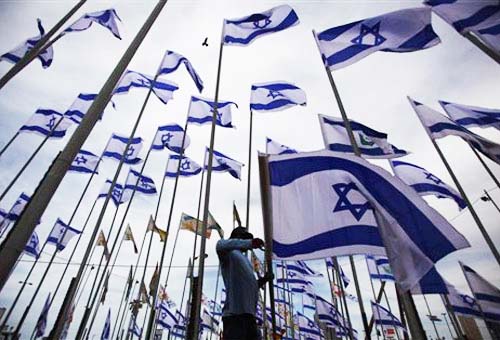
Yishai is joined, via phone from Bankok, by Chabad Rabbi Nechemia Wilhelm, who is in touch with Rabbi Chezki Lifshitz and his wife Chani, serving in Nepal. They discuss how Chabad, an organization that provides Jewish services to locals and travelers all over the world, is dealing with the fallout of the massive earthquake and avalanches that have plagued the region. Then, Yishai makes an impassioned plea to the next education minister to create "San Remo Day." He says that very few people are aware that April 25, 1920 was crucial in the international legal standing for the establishment of the state of Israel nearly three decades later. Finally, Yishai is joined in-studio by Jerusalem Post op-ed editor Seth Frantzman and editorial page editor Matthew Wagner to discuss the earthquake in Nepal, a place with which Israelis have a special connection.
By Moshe Herman
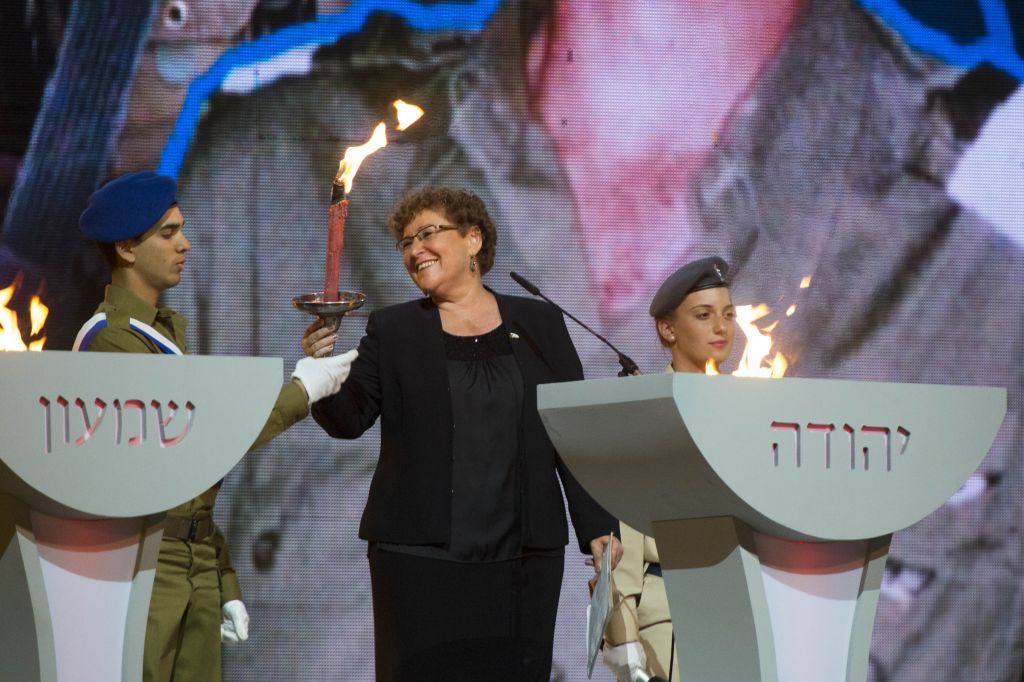
Yishai is joined in-studio by Ata Farhat, chairman of the Druze Zionist Council, to talk about his community's celebration of Israeli independence. Though of a different religion and culture, the Druze fight in Israel's wars and consider themselves an integral part of the Israeli nation-state. Find out why. Then, Yishai rants about the beauty of Israeli independence. He says that while Israel's enemies paint the Jewish state as foreign to the Middle East landscape, the truth is that there is nothing more organic -- more holistic -- than the Jewish people being back in Judea. Finally, for his "Spiritual Cafe" segment, Yishai is joined by Rabbi Mike Feuer to discuss issues of Jewish statehood. Is there such a thing as "good" post-Zionism, for example? Listen in!
By Moshe Herman
Yishai broadcasts a speech delivered by Miriam Peretz, the mother of two fallen IDF soldiers, Uriel and Eliraz, during a "Friends of the IDF" dinner. In her address, she talks about her sacrifice, which she believes is necessary in the fight for the Jewish State. Then, Yishai reads a story he wrote, called "Zikaron" (remembrance), one passage of which is as follows: "In that one moment, I though of gratitude: I am so thankful to you, fallen paratrooper, fallen Jew, fallen brother." Finally, Yishai is joined in-studio by former MK Dr. Aryeh Eldad, former surgeon-general of the IDF and head of plastic surgery at Hadassah Hospital in Ein Karem. He says that if the state of Israel is the thesis of Zionism, then the Holocaust is the antithesis, and the days of remembrance for the victims of the Holocaust and the fallen soldiers and victims of terrorism is the synthesis.

By Moshe Herman
Yishai takes the occasion of Israel's Remembrance Day for Fallen Soldiers and Victims of Terrorism -- and last week's Holocaust Remembrance Day -- to express his view of Jewish victimhood. He says that while we commemorate Jewish and Israeli victims, the ideology of Jew-hatred is alive and well. Then, Yishai is joined by Shlomo Blass, the director of Rogatka, a studio that creates short, pro-Israel videos. Among the founders of Caroline Glick's satirical Latma series, that poked fun at the Left, he is now launching a new project: "Zionism in Animation" -- 100 short videos on different aspects of Zionism, including important historical moments and figures. Finally, Yishai is treated to a cameo appearance by VOI's Pinchas Orban, who talks about the rationality behind belief in God.

By Moshe Herman
Yishai is joined in-studio by Arab affairs analyst Bassem Eid to talk about the Temple Mount, the Holocaust and the Arab concern for dignity over identity. Then, Yishai is joined in-studio by David Bederman, coach to successful CEOs and entrepreneurs, to talk about Israeli independence. He says that Israel does not have a PR problem, but rather an identity crisis. Finally, Yishai is joined in-studio by Jerusalem Post editorial page editor Matthew Wagner to discuss the question of the peculiar phenomenon of the Left being in a global coalition with Islamic fundamentalists?

By Moshe Herman
Yishai is joined in-studio by 88-year-old Kate Bernath, grandmother of his wife, Malkah, to hear her Holocaust testimonial: What was it like as a Hungarian Jew getting off the train at Auschwitz, and how it felt to have your mother separated from you forever by Dr. Mengele.
By Moshe Herman
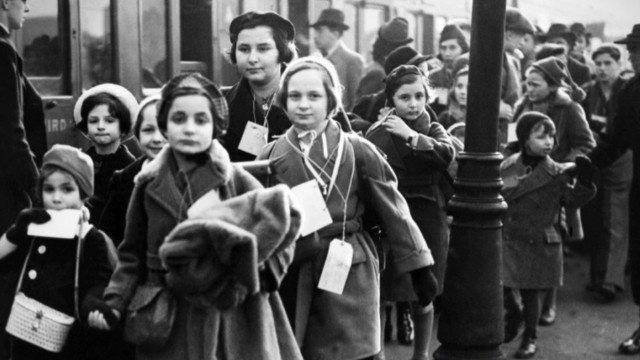
Yishai is joined in-studio by Walter Bingham, 91 -- rescued from the Nazis as a Polish child on the Kindertransport and ended up fighting against them with the British -- shares his memories of Kristallnacht and of facing the German Foreign Minister who was first to hang at Nuremberg. Then, VOI Knesset Insider Jeremy Saltan joins Yishai in-studio to discuss the relationship between the Jewish holidays established in the past and the new holidays born in the modern era of Jewish statehood. They point out that Holocaust Martyrs' and Heroes' Remembrance Day, the Day of Remembrance for the Fallen Soldiers of Israel and Victims of Terrorism, Israel Independence Day and Jerusalem Day all are marked during the "counting of the Omer" -- the 50 days between Passover and Shavuot (Pentecost).

By Moshe Herman
Voice of Israels's Binyamin Nakonechny joins Yishai to share the Kabbalistic perspective on rain after Passover. Then, should Israel have public transportation on Jewish holidays? And how does Israel adopt a more environmental, less litter-filled, consciousness? Seth Frantzman, op-ed editor of the Jerusalem Post, and Mati Wagner, editorial page editor of the same publication, join Yishai in-studio to discuss their latest articles, both of which address the question of the character of the Jewish state. Mati also shares his Matza-baking experiences with proud, gun-toting Jews. Finally, Dr. Alan Mazurek, vice chairman of the National Board of the Zionist Organization of America (ZOA, and Jeff Daube, director of ZOA Israel, join Yishai in-studio to discuss the possibility of rolling back the nuclear framework agreement; the challenge of the new anti-Semitism on campus; and holding on to history on the Mount of Olives.

By Moshe Herman
Raffa Abu Tarif is a Druze, a retired IDF officer, a PHD candidate in Israel security studies and a social-media activist. He joins Yishai to talk about his fight against anti-Israel delegitimization efforts abroad and post-Zionist tendencies at home. Then, Rabbi Shimshon HaKohen Nadel joins Yishai to talk about the retelling of the Passover story at the seder table to your children. He asks, "Why do we need all the props?" And he and Yishai discuss the meaning of the splitting of the Red Sea.

By Moshe Herman
Yishai is joined in-studio by Momo Lifshitz, the CEO of Lirom Global Education and former director of Oranim Educational Initiatives, the #1 provider of Birthright Israel participants. He shares his dream to bring Jewish and non-Jewish students to study in Israel and get a college degree at a great price, while falling in love with -- and in -- the country. Then, Yishai is joined in-studio by Rabbi Avichai Rontzki, former IDF chief rabbi (2006-2010), with the rank of Brigadier General. During his post, Rontzki carried out a mini-revolution in the command, expanding his mandate to allow for a much more active role of rabbis in the army, and creating the "Jewish Awareness Department," which conducts educational activities in combat units.

By Moshe Herman
David Swidler, whose satire blog PreOccupied Territory pokes fun at daily life in Israel, joins Yishai to talk about bureaucracy, Israeli drivers and other topics that beg to bear the brunt of humor. Then, students from the Golda Och Academy in West Orange, New Jersey, visit Yishai in-studio. Finally, David Friedman -- a kippa-wearing Israeli who works for the Major League baseball team the Cincinnati Reds as a global associate in its international scouting staff -- joins Yishai in-studio to talk about how his love for Israel and baseball go hand-in-hand.

By Moshe Herman
Avraham Dovidovitch and his wife, Rosa Ester, look like Hassidic Jews, and they are. But they are also Zionists -- that is, they are heeding their sense that God is calling his people back home to the land of Israel. They join Yishai in-studio to share the tale of their journey to observance, Hassidism and to making aliyah (immigrating to Israel) to the southern Hebron mountains. Then, Rabbi Moshe Elefant, the COO of the Orthodox Union's Kosher certification agency, joins Yishai from New York to talk about how he is leading the effort to make medical marijuana products kosher. Finally, Michael Ordman, the founder of "Very Good News Israel," a site whose name says it all, joins Yishai to talk about his endeavor to show the positive side of the Jewish state.

By Moshe Herman
Jim Long is a Noahide, a Torah-believing gentile, a filmmaker and publisher, and author of "Riddle of Exodus." He helps get the "philosophical chametz" surrounding the Exodus out of our collective closets. He joins Yishai in-studio, together with Rabbi Michael Shelomo Bar-Ron, author of the just-released "Song of the Creator - Revealing the Super-Intelligent Design of the Pentateuch," which posits that the Five Books of Moses is a perfectly symmetrical document the likes of which could only be written by God. Then, Rabbi Shimshon HaKohen Nadel joins Yishai in-studio to talk about a special mock Pascal Lamb Offering ceremony in Jerusalem he attended along with thousands of other people, among them animal-rights protesters. Listen in!
By Moshe Herman
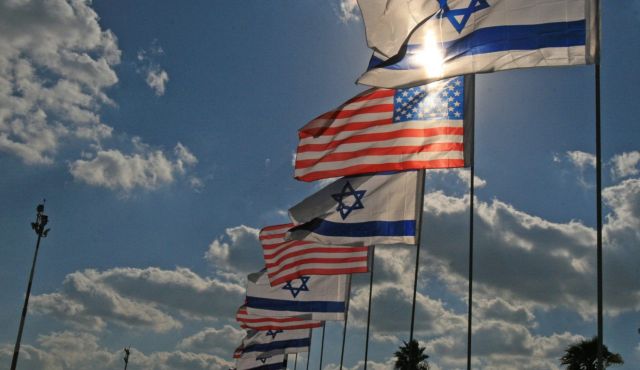
Yoram Ettinger, the former minister at the Israeli Embassy in Washington and expert on Middeast politics and US-Israel relations, joins Yishai in-studio to share parallels between the Obama and Ford administrations, in terms of White House pressure on Israel. Then, VOI political correspondent Raoul Wootliff provides sounds from the "freshman class" of the 20th Knesset. Finally, David Draiman -- the lead singer of the heavy metal band Disturbed -- talks to Yishai about his passion for Israel. He also takes on comedian Trevor Noah, the replacement for John Stuart as the host of "The Daily Show," who has posted anti-Semitic comments on Twitter.
By Moshe Herman
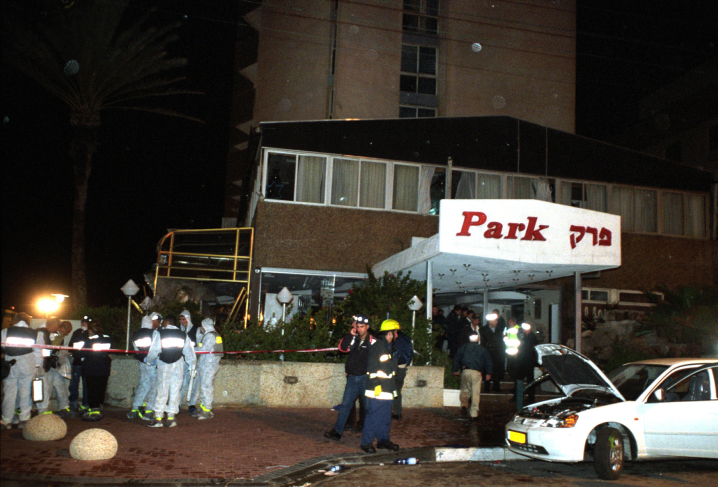
The Passover massacre was a suicide bombing carried out by a Hamas terrorist at the Park Hotel in Netanya, on March 27, 2002. Thirty civilians, in the midst of a seder, were killed in the attack and 140 others were wounded. David Bedein, director of the Israel Resource News Agency, joins Yishai to reminisce about that awful night; the connected story of the Saudi Peace Initiative; the fraudulent "massacre" in Jenin; the documents that came out of PLO chief Yasser Arafat's computer; and the link to today's American empowerment of Iran. Then, Mati Wagner, Editorial Page Editor of The Jerusalem Post, and Dr. Seth Frandzman, Op-ed Editor of The Jerusalem Post, join Yishai in-studio to talk about the new power vacuum, and anarchy, that is forming in the Middle East due to the retreat of America. Finally, Mati and Seth debate the issue of whether the Arab "nakba" narrative -- according to which the establishment of the state of Israel in 1948 was a catastrophe -- should be taught in Israeli schools.
 June 26, 2026