 October 16, 2026
 Categories: Halacha & Hashkafa / Torah
The Daf and the Search for Remains of Last Hostage
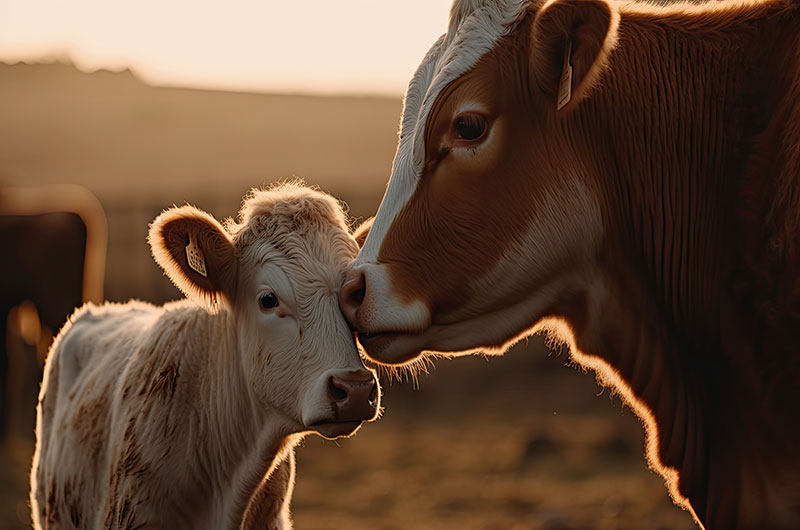


The study of the Daf Yomi in Kodshim and the sacrifices in the Beit HaMikdash do not exactly lead us to current events, as a general rule, but sometimes a link can be found that enhances our appreciation of our past and our present.
We refer here to the Tosfot commenting on the text of daf 25 of Menachot and to the case of Oto v’et B’no, the prohibition of killing an animal and its offspring on the same day.
Rabbi Shalom Rosner in this context cites the Aznayim L’Torah that discusses the significance of this prohibition to the Jewish people, not just to the animals it protects. Superficially, the prohibition shows the sensitivity we must feel even to animals, which becomes so ingrained in our thinking that it of course makes us even more sensitive to the bodies – and feelings – of our fellow human beings, and especially of our fellow Jews. The prohibition of killing an animal and its offspring on the same day extends to animals around the world. If an animal is on one continent and its offspring is on another, even on the other side of the world, the prohibition remains. Every Jew is responsible not just for his or her fellow Jew, but for the actions of his or her fellow Jew.
What a contrast to what happened on October 7th, when people were proud to murder parent and child together, as was most publicized in the cases of the Bibas and Kutz families, to name just two. The commitment of the Israeli people to get back every hostage, dead or alive, as if each one was personally related to every Israeli and every Jew, was nothing like the looser bonds that tie most other countrymen and women to each other.
The massive armada of vehicles and people to personally search for the remains of the last Israeli hostage – police officer Ran Gvili – will be forever etched into the minds and hearts not just of Jews but of people of good will throughout the world. This unprecedented and successful search was perhaps inspired by the values imbued in our people going back to the days of the Bible, as elaborated on in the Talmud and commentaries identified above, and more.
What adds to the poignancy and relevance to us at this time is that Ran Gvili was a police officer, at a time when law enforcers in certain other parts of the world are treated with contempt or worse instead of appreciation and support.
In what may be the ultimate irony, it may be argued that Arabs themselves provide one of the most dramatic expressions of the importance that every single Jew ascribes to every single fellow Jew. This occurs in virtually every single prisoner/hostage exchange. Arabs invariably insist on getting tens (or perhaps hundreds) of Arabs for every single Jew! This seems to be a recognition by the Arabs themselves as to the value every Jew considers attributable to every other Jew compared to the value every Arab considers attributed to every fellow Arab.
And finally, even the most cursory reviewer of the reading of the Torah on the week that the bones of Ran Gvili were rescued from Gaza, at great effort, has to be struck by the timing of the Biblical reference to the bones of Joseph being rescued from Egypt, at great effort (Exodus 13:19) to be reburied in Israel, in each instance representing the ultimate act of loving, respecting, and valuing an individual.
Returning to our original point, may our appreciation of not merely human life – and afterlife – but even the lives of animals serve as an inspiration to people of good will around the world to respect the lives and good intentions of every human being with universally accepted positive values.