 October 23, 2026
 Categories: Op-Eds
Turkish Voters Prefer Erdogan's Faults over a Return to 1990s
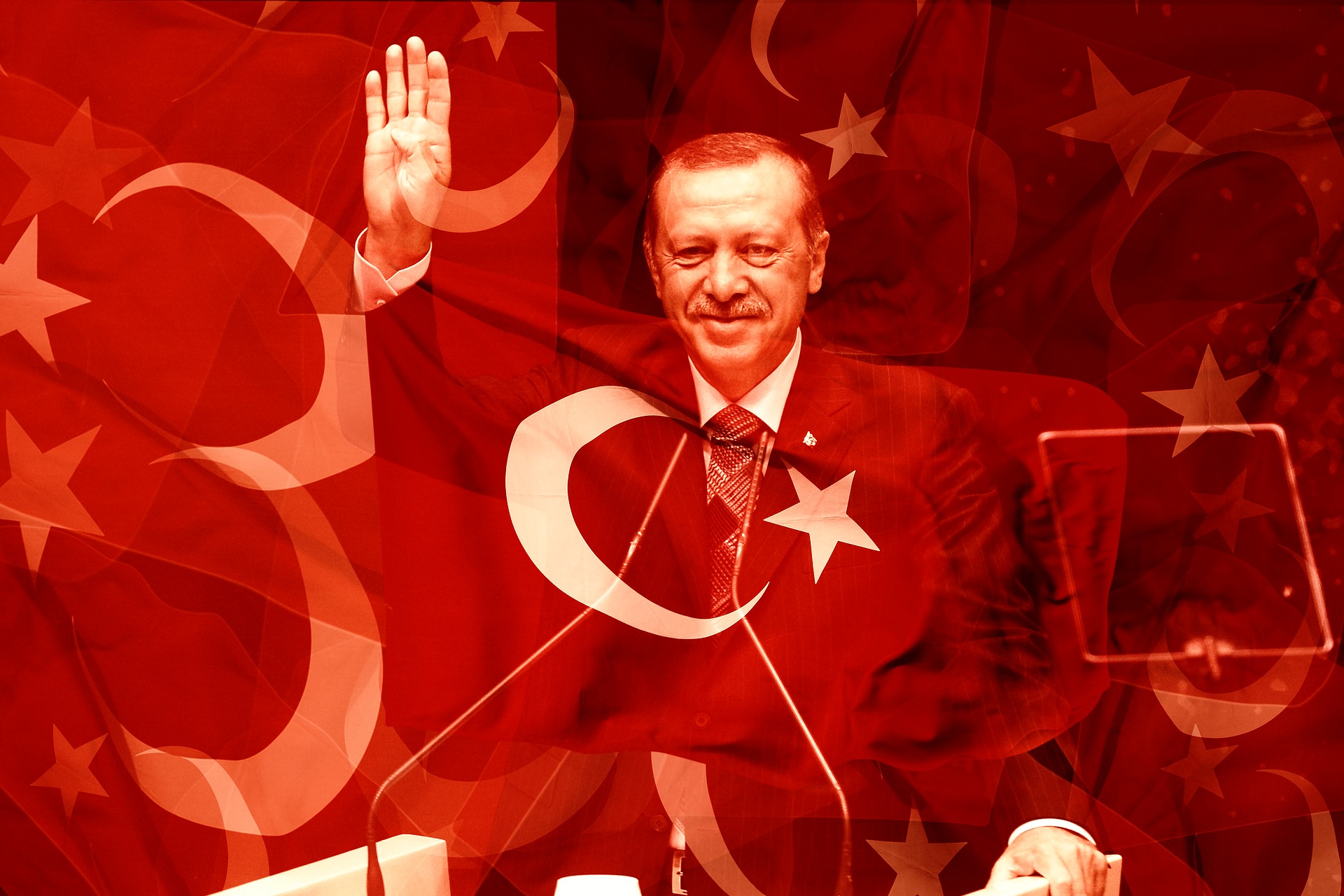


Some have tried to explain away this situation by claiming that he has used his incumbency to turn Turkey into an authoritarian state that lacks checks and balances, a country that lacks an independent judiciary or media and only serve the leaders. That perception has been shaped in part by the fact that his detractors have often been sent to prison and that he has used the state's apparatuses to boost his image and help win over voters.
Identity politics have defined the elections. Thus, while the opposition has tried to cast its battle against the incumbent as a fight to save democracy and restore the economy, the president drove home the message that he is the guardian of walls of Turkish nationality and Islam
He has also tried to portray Kilicdaroglu as someone who has been prepped up by Kurdish terrorists and the West and therefore poses a threat to Turkey's fundamental values. Kilicdaroglu is secular and belongs to the Shiite-Alawite minority, rather than Sunni like the vast majority of Turks.Most Turkish voters – especially in rural areas and poor neighborhoods in the cities – relate to the conservative, religious, and nationalist message in Erdogan's campaign, not to the liberal and Western ones of his opponent. That's why they answered his rallying cry to support him and save their country. After all, for them, Erdogan is a hero who is their champion – fighting the fight of the average people against the rich and educated (mostly secular) elite in the establishment that dominates the big cities.
To understand just how strong this bifurcation is, just look at the voting among those in southern Turkey: They gave their support to Erdogan despite the fact that their homes were ravaged by an earthquake because of his government's failure to prepare for such a calamity. Meanwhile, in Ankara and Istanbul voters sided with Kilicdaroglu, as did the Kurds in the east.
The Turks have become used to Erdogan, and even his detractors don't wish to return to the days when the military controlled the state, supposedly in order to safeguard democracy and Western secular values. Things are bad in Turkey but back in the day, the economy was in a much worse state back then. In fact, even then political opponents were persecuted and even executed.It seems as though the word – even Israel – has also gotten used to the president. He surely talks the talk, but he rarely walks the walk in his threats. In practice, he has managed to strike a delicate balancing act between east and west and between Russia and the US. And above all, he has made sure not to cross any red lines.
Even when relations with Israel were at rock bottom, relations were never severed: Trade and tourism flourished. So it appears that the world also concurs with Turkish voters' decision to go with Erdogan, despite everything.