 September 18, 2026
 Categories: Op-Eds
A National Day of Mourning, not a Religious One
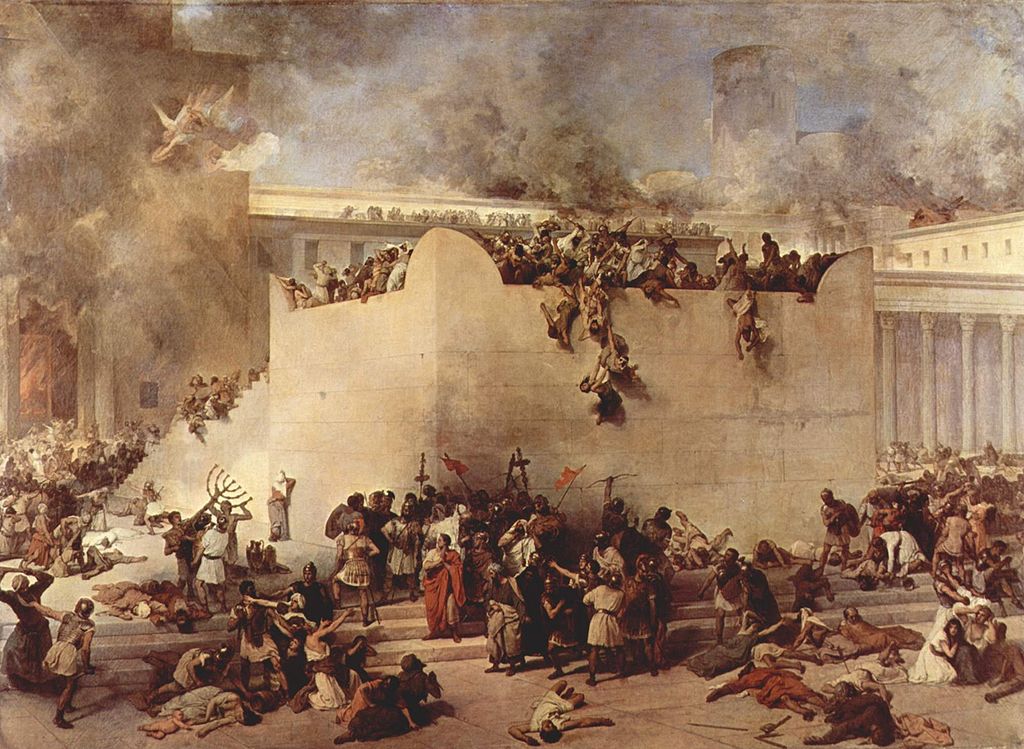


He further wrote: "The noise of the flames spreading out over a great distance echoed in answer to the cries of distress of the fallen. Due to the height of the hill (the Temple Mount) and the vastness of the burning structure, it seemed as if the entire city was ablaze... The sounds of battle cries of the Roman legions were heard... The screams of the rebels were surrounded by fire and sword, and the shouts of the people left on top of the hill met their deaths at the hands of the enemy during their terrified flight. The shouts of the people who were still left on the hill were joined by the masses in the city; many who were weakened by hunger, lacking the strength to speak, found renewed vigor to lament and cry out upon seeing the Temple in flames... the flood of blood surpassed the flow of fire..."
The Jewish tradition found a biblical root for the days of destruction. It linked the seventeenth day of Tammuz with the Sin of the Golden Calf. It was a religious sin, idol worship: "…And (he) fashioned it into a molten calf. They said: This is your God, O Israel...". In contrast, our sages connected Tisha B'Av with the Sin of the Spies. The leaders of the people were sent to gather intelligence on the land of Israel, and when they returned, they slandered it: "The Land through which we have passed, to spy it out, is a land that devours its inhabitants." In the recollections of Moses in the book of Deuteronomy, it is recounted: "Our brothers have melted our hearts, saying, 'A people greater and taller than we, the cities great and fortified up to the heavens, and even children of giants have we seen there!'" In the twelfth century, the Rambam (Maimonides) described the mental state of the generation that left Egypt in his book "Guide for the Perplexed": "It is not natural for a person to engage in the work of a slave with mortar and bricks and the like and then suddenly wash his hands of them and do battle with the children of the giants." Hence, a new fearless generation was required to rise in the desert, a generation that would eventually conquer Canaan.
The root of the terrible destruction is, therefore, found in what the author of Psalms called "the despise of the desirable land," the attachment of some of our people (until today!) to exile, insisting on living in places plagued with anti-Semitism instead of returning home to Zion. The fear of national life, which is not just a spiritual life of learning but also requires dealing with the needs of the state and politics, wielding power, and development. The rejection of national life is also an escape from reconciliation between different groups in our nation, just like in a family; in exile, one can live in small, homogeneous communities.
The constant mourning over the destruction of the land on Tisha B'Av, year after year, promised hope for a better future. When the Zionist movement arose towards the end of the 19th century, there was no need to explain what the return to Zion meant. Throughout history, on this national day of mourning, we reminded ourselves, in all our places of exile, where we were deported from and where we dream of returning. In any event, it is worthwhile mourning the destruction of our people and our land (that happened twice!) once a year to remind the rebellious children not to repeat our mistakes. And in the building of Zion, we will find comfort.
{Reposted from IsraelHayom}