יום שלישי, ט״ז חשוון תשפ״זTuesday, October 27, 2026



Follow Us


The author is co-founder of the Jewish National Initiative (www.jni.co.il).
Read More

Last month we saw something historic in Israeli politics – the largest unity government ever formed. Unlike most unity governments, this one was born neither from a sense of national emergency nor from an era of national euphoria, where political differences fade. Instead, this coalition was induced by the threat of the ballot box and is a result of Israeli politicians’ strategic dedication to either keeping their seats or scoring the slot above them in the next coalition jig.
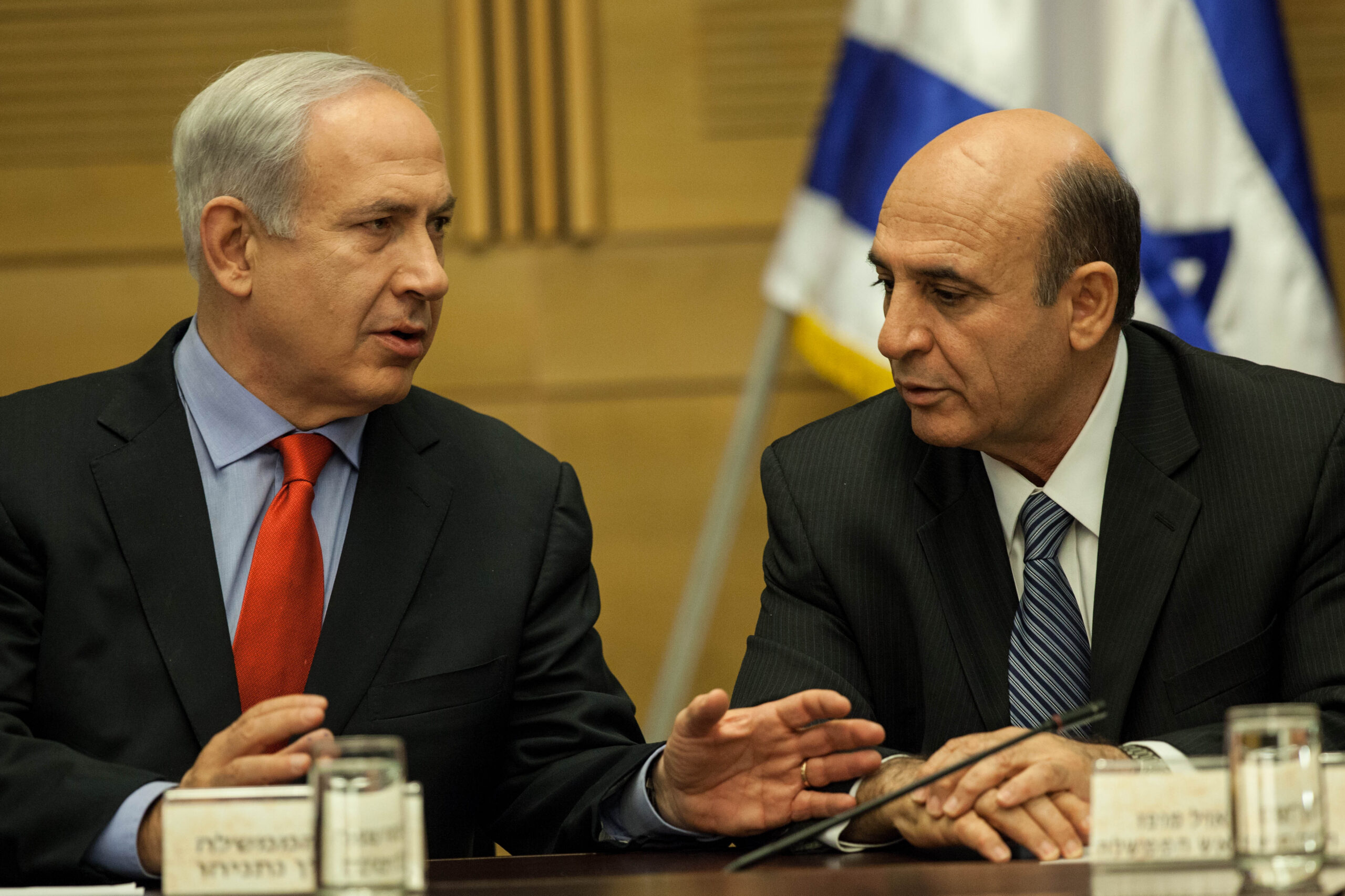
For many, the “surprise” which greeted Israelis on May 8th was yet another political dance in which the citizen is a spectator left to watch, wonder, and wait for another year and half to be heard from again. This scenario begs the question: when it comes to the state of Israel’s representative governance, is the tail wagging the dog? Put simply, is Israeli citizenry merely an accessory to the political decision-making of the day?

PM Netanyahu's recent opposition to two Knesset bills underscores a worrying drift in Israeli political culture from the most basic democratic governing principles like separation of powers, and checks and balances.


 October 23, 2026