יום חמישי, י״א חשוון תשפ״זThursday, October 22, 2026



Follow Us


Professor Barry Rubin is director of the Global Research in International Affairs (GLORIA) Center and editor of the Middle East Review of International Affairs (MERIA) Journal. See the GLORIA/MERIA site at www.gloria-center.org.
Read More
By Barry Rubin
Historically, inasmuch as there was any European or American “imperialism” in the Middle East it made use of Arab political factors over Israel.
By Barry Rubin
We are going to be told often in the next two months that things are going to get better in Egypt. It's likely that they are going to get worse.
By Barry Rubin
Despite Obama's disastrous Middle East policy, in practice, there have been no real, material, or huge problems in direct U.S.-Israel relations.
By Barry Rubin
What the Obama Administration has done is like trying to reduce crime by turning over the cities to the Mafia and letting it make the laws and also run the police and court systems.
By Barry Rubin
Classic westerns demonstrate that Americans have long been tolerant and understanding toward other peoples.

By Barry Rubin
Pretending there’s no elephant in the world doesn’t protect anyone from getting trampled.
By Barry Rubin
This is all a tragedy for the poor victims in the Middle East and a farce for the well-paid, much-honored careerist opportunists and ideologues in the West.
By Barry Rubin
Especially remarkable is the behavior of Esther. Warned of Haman’s plan, Esther wants to do nothing lest she place herself at risk.
By Barry Rubin
It’s bad enough to be mugged repeatedly but it’s even worse to provide the weapons and money for the assailants while also praising them.
By Barry Rubin
A secretary of defense should not just be a “yes-man.” He should represent an independent point of view and also represent his department’s interests.
By Barry Rubin
Obama went to sleep and he has yet to wake up. And there's graphic proof for that assertion in the streets of Benghazi today.
By Barry Rubin
If they could have pressed a button and Israel would have disappeared, almost none of them would have hesitated.
By Barry Rubin
Obama's State of the Union address touted an American return to world leadership, but concealed the failure of Obama's policies, especially in the Middle East.
By Barry Rubin
In Tunesia, where non-Islamists are actually the majority, the elimination of Choukri Belaid wasn't just a crime, but a political strategy.
By Barry Rubin
After going along with Obama, it is now said in the United States that Netanyahu tried to undermine Obama or didn’t cooperate.
By Barry Rubin
This may be a cautionary lesson about how the fear of seeming to be a 'racist' or 'Islamophobe' can be manipulated to fool people into forgetting law and logic.
By Barry Rubin
While such a visit would resolve previous criticism that Obama never visited Israel as president, it is a mistake, especially given the timing, for a number of reasons.
By Barry Rubin
Hagel's brain is the mass market version of Kerry's and Kerry's is the collector's edition of Obama.
By Barry Rubin
The pseudo-realists in charge of western foreign policy today confuse what other countries should be doing with what they are actually doing.
By Barry Rubin
The internal drive to delegitimize America may aimed at overcoming natural American patriotism by those who would transform the country’s thinking.
By Barry Rubin
Kerry subscribes--as is so fashionable today in the Obama Administration and academia--to the abusive relationship approach to foreign policy.
By Barry Rubin
The left has sided with the reactionaries and against their comrades in other countries because they hate their own countries’ systems more.

By Barry Rubin
Once the rebels start consolidating rule, as happened in Egypt, there will be increasing examples radical Islamist control which the West will ignore.
By Barry Rubin
Attention now turns to the question of how Netanyahu can put together a coalition that will hold 61 seats, a majority needed to form a government.
By Barry Rubin
The US government will provide arms, money, and diplomatic support to a regime whose ruling forces openly evince hysterical antisemitism and call for genocide against Israel.
By Barry Rubin
An organization that can seize about 1,000 hostages in the middle of Algeria, a country whose regime has been so tough on radical Islamists, is not dead.
By Barry Rubin
Netanyahu’s impending victory is due to the fact that the prime minister has done a reasonably good job, the economy is okay, terrorism is low, he’s kept out of trouble.
By Barry Rubin
Liberals would than blame Israel than examine the faulty assumptions that comprise their worldview.
By Barry Rubin
The issue is simply this one: When you say something or do something or spend something whose side are you on?
By Barry Rubin
Smart people can make bad judgments; regular people with common sense often make bad judgments less often. But stupid, arrogant people with terrible ideas are a disaster.
By Barry Rubin
The current voluntary, but not inevitable, decline of the United States places many US allies at risk.
By Barry Rubin
Al Gore has sold out his admittedly obscure channel to al-Jazeera and taken a position on its board.
By Barry Rubin
If you are really being so hurt by the existence and growth of settlements then make peace fast and get rid of them.
By Barry Rubin
Winston Churchill's statement that "a lie gets halfway around the world before the truth has a chance to get its pants on," may still be true, but due to the internet revolution, the truth may have a chance.
By Barry Rubin
A large part of the problem with Obama’s policy is that he not only treated enemies as friends and did not pressure supposed friends that acted like enemies, he joined them.
By Barry Rubin
You can learn from the Bible that people understood four thousand years ago about things that America's current leaders have forgotten today.

By Barry Rubin
The problem nowadays is that an insane interpretation of international affairs seems to be a quality defining who 'the best people are.'
By Barry Rubin
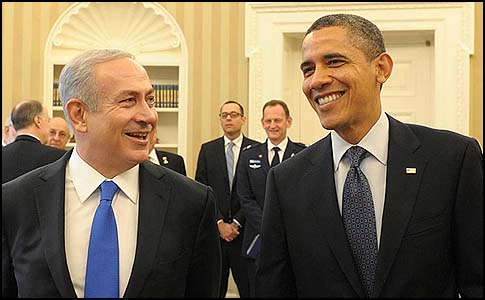
The idea that Obama is now backing Israel is what American Jewish voters who supported him desperately need to believe.

By Barry Rubin
The Washington Post is suggesting that greater military success for terrorism will lead to Middle East peace.
By Barry Rubin
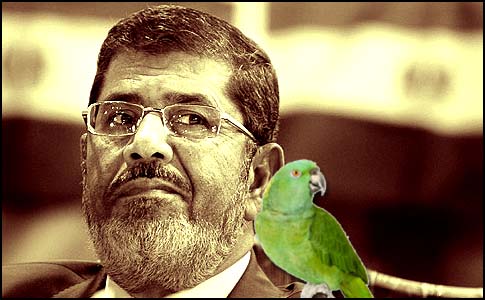
Obama Administration policy is to put into power yet another anti-Western regime that will oppress its own people and put a high priority on trying to wipe out Israel.
By Barry Rubin
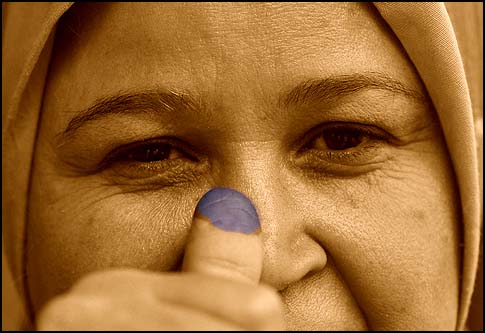
The democratic opposition—like its counterparts in Lebanon, Syria, Turkey, and Iran—has learned that the United States will not help them.
By Barry Rubin
In the Middle East, secular movements are more poorly funded and more naïve about how to operate politically than the Islamists.
By Barry Rubin
The Obama Administration was using a barely disguised channel to pay for a revolutionary Islamist movement seeking to take over Syria.

By Barry Rubin
What happens, then, if the regime doesn’t give in and the army doesn’t stop the demonstrations?

By Barry Rubin
Living well, as the saying goes, is the best revenge, even if it comes at the cost of international criticism.
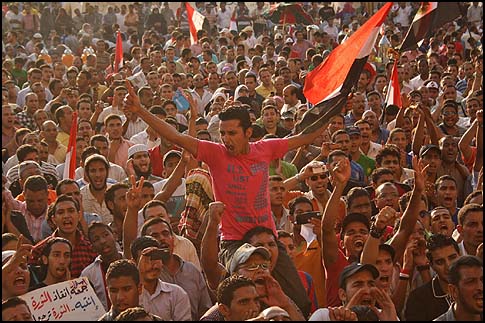
By Barry Rubin
Middle East expert, Barry Rubin discussed the region, prospects for peace and revolutionary Islamism.
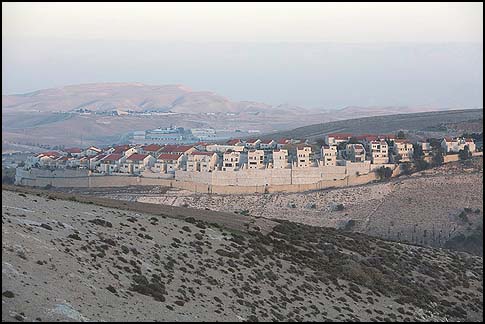
By Barry Rubin
Satire but Very Close to Actual Experience.
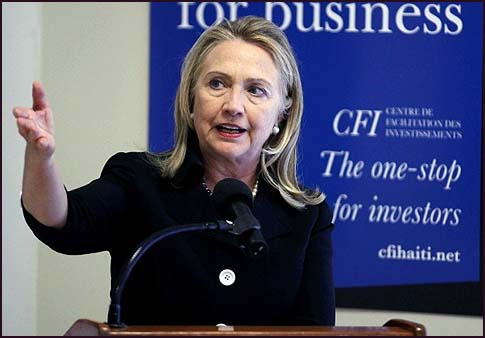
By Barry Rubin
We must understand how Clinton's mind and that of a large portion of the Western elite works.

By Barry Rubin
Egypt's draft constitution enshrines Sharia rule without rubbing people’s faces in it.
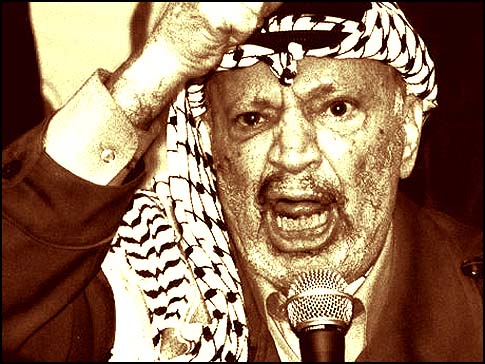
By Barry Rubin
The non-member 'state' status will sink the Palestinian leadership even deeper into an obsession with intransigence in practice and paper victories that mean nothing in the real world.
By Barry Rubin
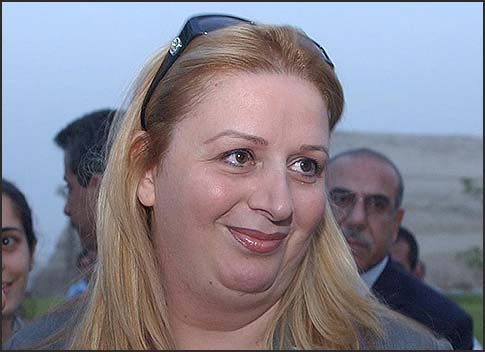
For many months before he was rushed to Paris for medical attention, everyone who followed him closely knew Arafat was sick.
By Barry Rubin
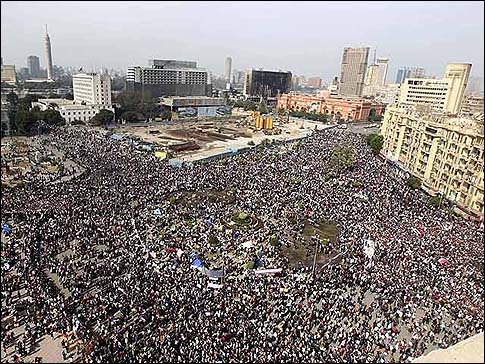
Originally published at Rubin Reports. What’s been happening in Egypt this week is as important as the revolution that overthrew the old regime almost two years ago. A new dictator has arrived and while the Muslim Brotherhood’s overturning of democracy was totally predictable, Western policymakers walked right into the trap. They even helped build it. […]
By Barry Rubin
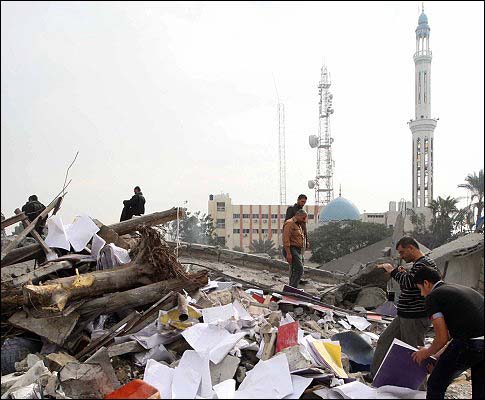
I’m amused by those who think that Hamas won the recent conflict.
By Barry Rubin
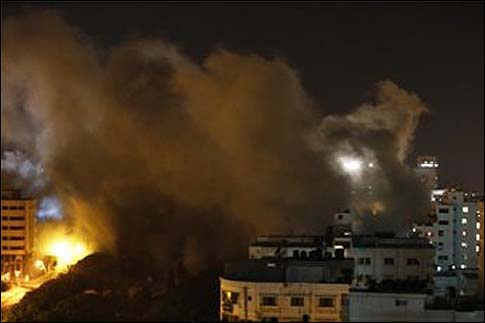
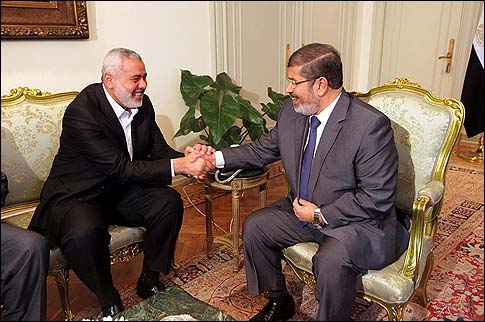
Of course, everyone knows that this ceasefire won't last. The key to anything more durable is if the Egyptian government decides that it wants to avoid another war because of its own interests.
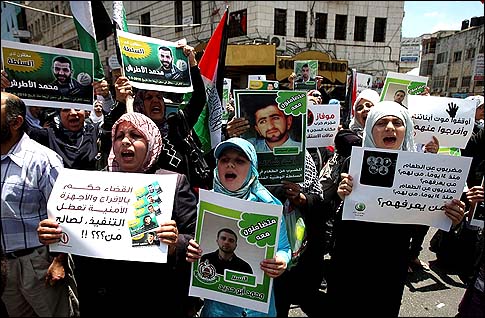
By Barry Rubin
If 2011 was the year of the Arab Spring, 2013 looks to be the year of the Arab Fall.
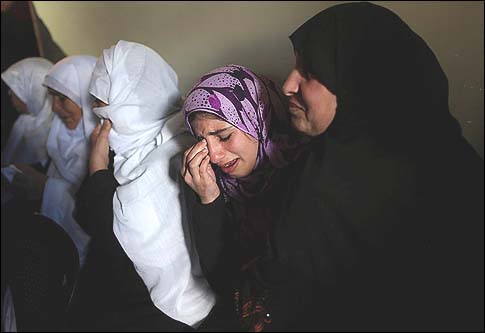
By Barry Rubin
This strategy has often worked against a Western adversary or Israel.
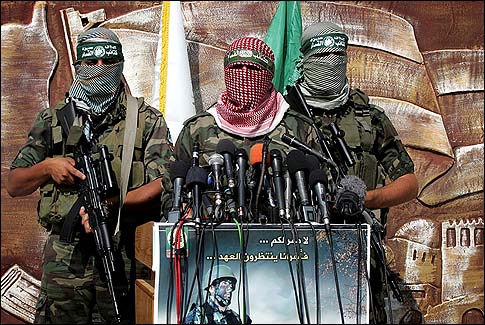
By Barry Rubin
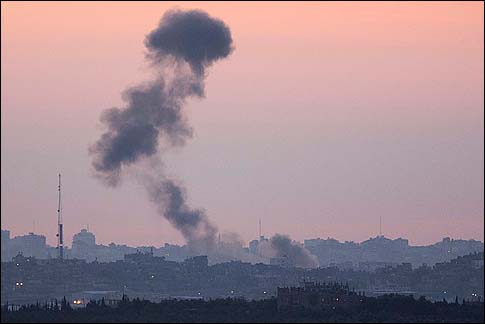
Originally published at Rubin Reports. A lot of people have asked the purpose of Israel’s defensive war against Hamas. Some, including those supposedly expert on the region, have been mystified. They cannot seem to figure out what is going on or what the goal of this Israeli operation could be. The answer is simple. Given […]
By Barry Rubin
There will be no “permanent end” to this rocket war madness or all of the other varieties of madness that are getting worse in the region.
By Barry Rubin
Can Israel sustain this situation? Of course, that is basically the framework in which it has been living and prospering for 64 years. Is it preferable? Of course not. What is the world going to do to make it better? Nothing.
By Barry Rubin
Neither side takes U.S. policy very seriously.

By Barry Rubin
The most important foreign policy effort President Barack Obama will be making over the next year is negotiating with Iran. The terms of the U.S. offer are clear: if Iran agrees not to build nuclear weapons, it will be allowed to enrich a certain amount of uranium, supposedly for purposes of generating nuclear energy (which Iran doesn’t need) and other benefits, supposedly under strict safeguards.

By Barry Rubin
With President Barack Obama reelected there is every reason to believe that he will continue the tax, regulatory, and economic policies of his first term. That means the U.S. economy is unlikely to improve quickly, steadily, or even at all during the next four years. The problem is not just Obama’s own strategy on these issues but also the lack of business confidence in his plans.
By Barry Rubin
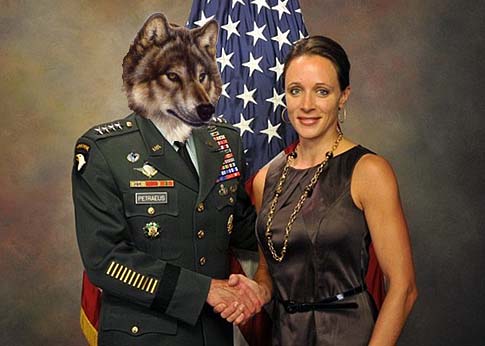
Originally published at Rubin Reports. General David Petraeus was the hero of the victorious surge strategy in Iraq. But he also has the distinction of becoming America’s first Politically Correct field commander. His strategy in Afghanistan was in line with that of the Obama Administration by putting the emphasis on winning Muslim hearts and minds […]
By Barry Rubin
Over and over again I’ve written about what President Barack Obama should do. Now the voters have given him a whole new chance. He could take it and change his policy. I don't believe he will do that but let me lay out both what he's been wrong and what he should do, just in case Obama is seeking a different approach.
By Barry Rubin
The story was broken by Alex Fishman, defense correspondent of Yediot Aharnot, Israel’s largest newspaper. Fishman is considered to be a reliable reporter with good sources in the Israeli government.
By Barry Rubin
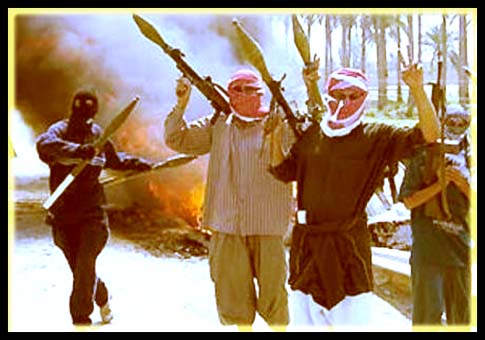
Once upon a time, Arab nationalism ruled the Middle East. Its doctrine saw Arab identity as the key to political success. Some regarded Islam as important; others were secular. Yet there was no doubt that national identity was in charge. All Arabs should unite, said the radical nationalists who ruled in Egypt, Libya, Syria, Iraq, and elsewhere, to destroy Israel, expel Western influence, and create a utopian single state in the region. Instead, of course, the period was characterized by battles among the radical Arab states for leadership. The less extreme ones sought survival through a combination of giving lip service to radical slogans, paying off the stronger regimes, and getting Western help.
By Barry Rubin
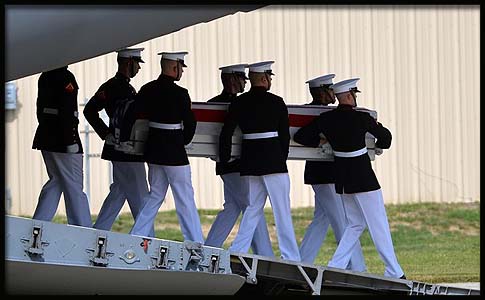
There is a debate over the causes of terrorism and anti-Americanism in the world. One possible view is that the principal problem is that of genuine conflict. The adversaries hold certain ideological ideas—say, revolutionary Islamism—to which American society and policies are antithetical. The collision (as with Communism, Nazism, and aggressive Japanese militarism in earlier decades) is inevitable. The United States is inconveniencing the totalitarians both because of what it does (policies) and because of what it represents (freedom, democracy, capitalism).
By Barry Rubin
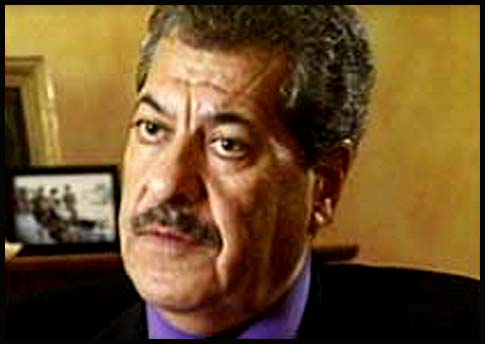
One of my most fun professional memories was when I walked endlessly, circling round and round and round that hall in Algeria in November 1988 with a burly, no-nonsense, and brilliant newspaper correspondent named Youssef Ibrahim, who was then working for the New York Times. Friendly, funny, sarcastic, and with absolutely no illusions or romanticism about the absurdities of Arab politics and the idiocies of Arab political ideology, Ibrahim’s only shortcoming is that there are not one thousand more exactly like him. If he was the kind of person leading Arab countries and people they would be far more prosperous, peaceful, happier and democratic.

By Barry Rubin
A reader asks: “I agree that democracy and economic development are not panaceas for the Middle East, just as they are not for any other location on the planet. But aren't they a start? And since it is possible to chew gum and walk at the same time, does it hurt to at least pay lip service to doing things to bring the rest of the Middle East into the 21st century? And what would those things be in your opinion?” As you noted, both candidates in the presidential election spoke of economic development as a top priority in their Middle East policy. This sounds good to voters but is pretty meaningless.
By Barry Rubin
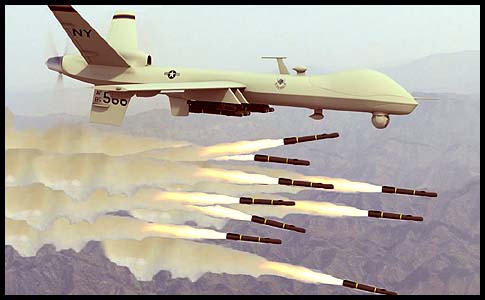
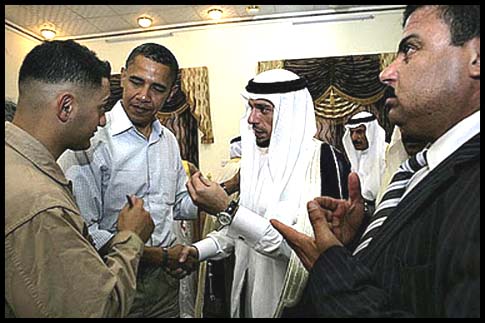
One of President Barack Obama’s main themes has been to convince Middle Eastern Islamists and Arabs generally that America is not their enemy. But the reason this strategy never works is that the radicals, be they Islamists or nationalists, know better. They see the United States as their enemy and they are right to do so.
By Barry Rubin
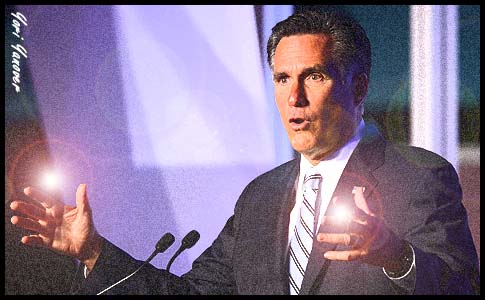
A full analysis of the foreign policy aspects of the third debate between President Barack Obama and Republican presidential nominee Mitt Romney. Remember that the idea that someone “won” the debate in terms of an outside observer’s standpoint or even based on a poll is misleading. The only important thing is whether either candidate swayed additional voters to his side.
By Barry Rubin
Are supposed negotiations with Iran the “October Surprise” intended to win the election for President Barack Obama, an Iranian trick for buying time, or both? The answer is both. It’s an incredibly transparent ploy though with the cooperation of the mass media such a gimmick might well have some effect.
By Barry Rubin
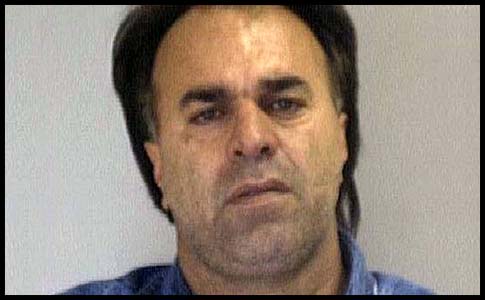
Perhaps you remember an incredibly sensational story from back in October 2011 that after a brief period in the headlines disappeared completely. The U.S. government arrested an Iranian-American citizen in Texas and charged him with being an agent of the Iranian government who planned at Tehran’s behest to hire a Mexican drug gang to assassinate the Saudi ambassador in a fiery terrorist attack in Washington D.C. It would have been another September 11, albeit on a far smaller scale. Knowing about such an operation should have been a real game-changer for U.S. Middle East policy.
By Barry Rubin
While foreign policy did not figure large in the second presidential debate, the Middle East again emerged as the overwhelmingly main international issue. In the beginning of the debate, President Barack Obama claimed that he put a high priority on energy independence, an assertion well refuted by Governor Mitt Romney. A president who wanted energy independence, from the unreliability of Middle East supplies, could easily expand oil drilling on federal land; the use of new technology to produce oil and gas; a major pipeline from Canada; and the continued production and use of coal for generating power. To do none of these things and put his effort into restricting traditional energy sources and push hard for untested, long-term, and failed “green energy” schemes subverts energy independence. But the main emphasis in the debate was on the Benghazi assassinations.
By Barry Rubin
One argument we will be increasingly hearing is that President Barack Obama couldn’t have done anything to change events in the Middle East. This is ironic of course because when things were going well he wanted to take credit as the inspiration for the "Arab Spring."
By Barry Rubin
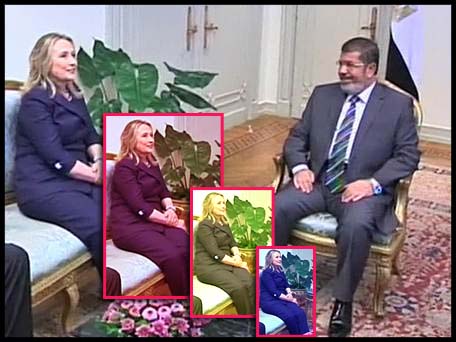
The Obama Administration's Middle East errors are deepened and the lessons of experience once again rejected in Secretary of State Hillary Clinton’s latest defense of these wrong-headed policies in a speech given at my first employers, the Center for Strategic and International Studies in Washington D.C. Her argument is that the United States should ignore violence and extremism while helping to build democracies. The problem is that most of the violence and extremism comes from forces that the Obama Administration supports or groups basically allied with those forces. The violence and extremism is the inevitable outcome, not a declining byproduct, of this process.
By Barry Rubin
In other words, bad developments are sometimes reported though there is an attempt to explain it away. This does leave some margin for readers and viewers to use their brains. Are these explanations credible? Why do things keep getting worse? If Obama is such a big supporter of Israel why does he keep subverting its interests? If Obama has made people in the region love America why do they keep hating America? Come to think of it, if Obama is such a big supporter of America why does he keep subverting U.S. interests?

By Barry Rubin
Mitt Romney gave a speech at the Virginia Military Institute today which focuses on U.S. Middle East policy. There are some good points in this speech that are definite steps forward. Romney sounded like a president should, someone who grasps power politics, deterrence, credibility, supporting allies and opposing enemies, and all the basic principles that have been largely vanished by the Obama Administration in exchange for unworkable and dangerous concepts. (Watch video)
By Barry Rubin
The Obama-Romney debate has been analyzed from many angles, especially about who won. Yet in the course of the event, Obama said what might be the most revealing slip he has ever made. This one phrase tells more about Obama and the ideology of his left-wing supporters than every other word they have spoken in the last four years.
By Barry Rubin
When solidarity along group lines takes priority and the line is that all of “us” must unite against the “other” no matter what truth, logic, or justice dictates then that means serious trouble. And guess what? That is the line of the Obama Administration and its Newest Left supporters.
By Barry Rubin
The first thing Prime Minister Benjamin Netanyahu does is send a warm message of congratulations to the reelected president.
By Barry Rubin
Republican presidential candidate Mitt Romney has written an op-ed piece about what’s wrong with President Barack Obama’s Middle East policy and what he would do if he is elected president. There aren’t many surprises but it reminds us how far Romney has to go before he can be said to have articulated a clear foreign policy of his own.
By Barry Rubin
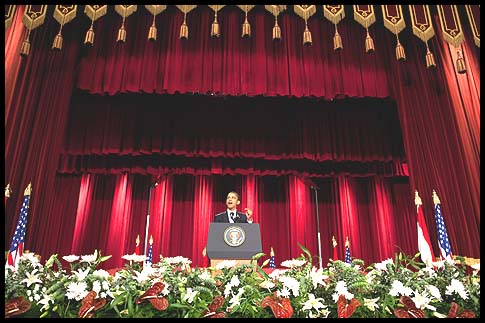
President Barack Obama’s speech is a fascinating document. The theme is this: absolutely nothing can go wrong with political change in the Middle East and that the United States helps moderate forces, defined as anyone who isn't actively trying to kill Americans. The fact that some-to-many of those revolutionary forces favor killing Americans is outside his purview. And the fact that his policy has supported militantly anti-democratic groups far more than the (far weaker) moderate ones is airbrushed away.

By Barry Rubin
The United States is only at the start of a nasty conflict in Libya which is going to be very anti-American. It is shocking that there is so little recognition of that fact and an apparently sincere belief that all the problems there are due to a You-Tube video. Having a big problem is bad enough; refusing to recognize that one has a bad problem is potentially fatal.

By Barry Rubin
The Obama Administration is backing (Islamist) Turkey as the distributor of weapons supplied by (opportunistically pro-Islamist) Qatar.

By Barry Rubin
Of course, Romney was correct in what he said. Indeed, he was merely stating the obvious. In the current upside-down era, telling the truth is heresy, or at least there are powerful establishment figures who try to make it seem so.
By Barry Rubin
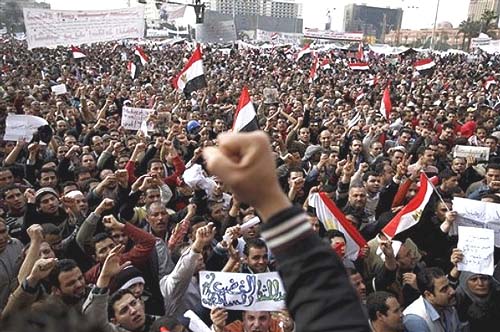
These waves of demonstrations are relatively small ways of advancing the ideological readiness of the masses to accept the radical Islamist groups’ program.

By Barry Rubin
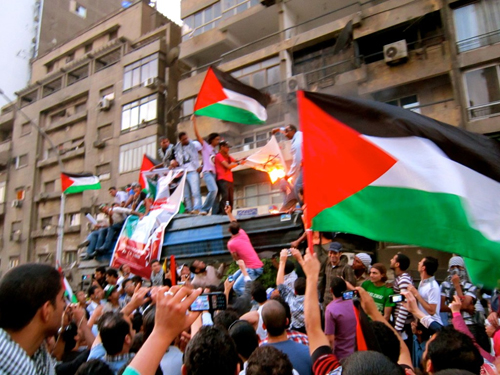
Libya tells the story with a terrible irony but we should understand precisely what is going on and how the situation in Libya differs from that in Egypt. For it is proof of the bankruptcy of Obama policy but perhaps in a different way from what many people think.
By Barry Rubin
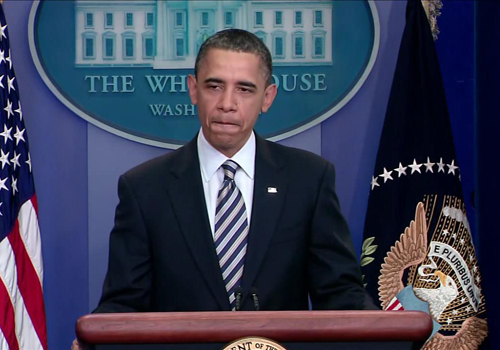
Egypt tells us everything we need to know about the horror of Obama's Middle East policy. The latest development is that a group of several Salafist and Jihadist groups--including the local affiliate of al-Qaida--announced a demonstration outside the U.S. Embassy. This was explained as a protest against some obscure film made in America by a crackpot that criticizes Islam but has never actually been shown to an audience and probably never will be!
By Barry Rubin
Barack Obama is not a Communist, a fascist, a Muslim, a Marxist, a Progressive or even a socialist. Obama and those who control much of America’s academia, mass media, and entertainment industry—plus a number of trade unions and hundreds of foundations, think tanks, and front groups—are believers in a new, very American form of leftism.

By Barry Rubin
The basic grand strategy for the Middle East should be to form and lead a very broad and very loose—not institutionalized—alignment of forces opposing Islamism.
By Barry Rubin
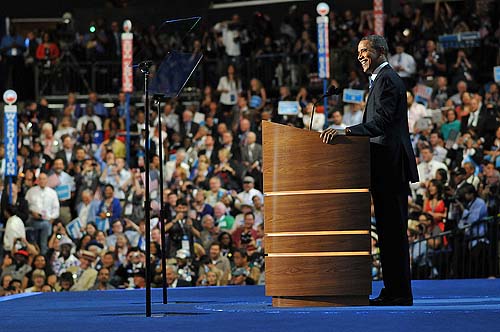
When I read the platform I am shocked and disappointed. I can pick at the issues of popularity, Afghanistan and Iraq. But the failure to deal with revolutionary Islamism is ridiculously glaring (they didn’t use the tiniest fig leaf to cover themselves), making a mockery about the democracy and human rights’ pretensions. The treatment of Middle East allies is shockingly insulting. The issues of Syria and Egypt are simply dodged. There is not a single mention of the opposition in Iran. All terrorists not involved directly in the September 11, 2001, attacks are ignored. There is not the slightest hint that any regional strategy exists at all.
By Barry Rubin
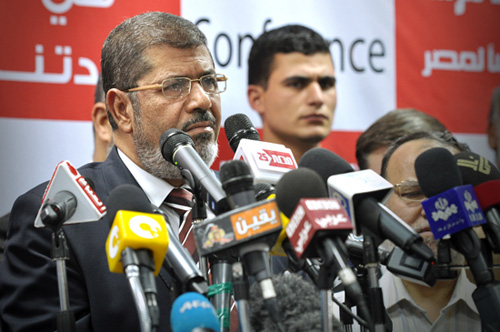
Egypt, the Arab world’s most important single country, has been turned from an ally of America—albeit an imperfect one of course—in maintaining and trying to extend Arab-Israeli peace into a leading advocate of expanding the conflict and even potentially going to war.

By Barry Rubin
The information released about the Democratic convention seems to show it is designed to prove how radical the party is, to play to the most limited possible sector of the population.
By Barry Rubin
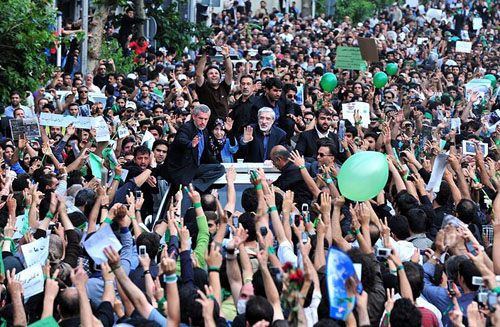
Muslim communities in Europe and America hardly ever renounce terrorism or fight the Islamists. Why? Because those radical forces are in power, often with collaboration from Western leftists.
By Barry Rubin
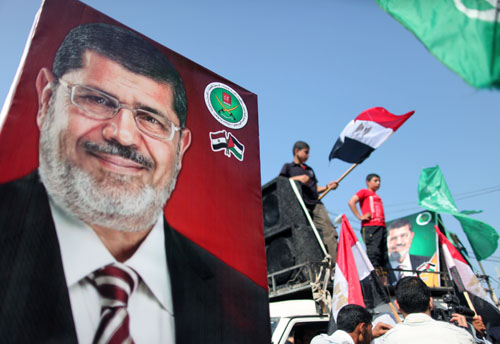
It’s the age of revolutionary Islamism, especially Sunni Islamism. And you better learn to understand what this is all about real fast.
By Barry Rubin
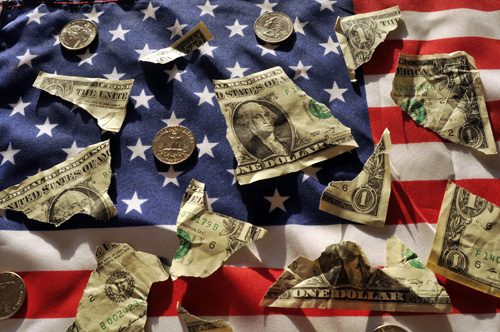
America, this is not the Victorian age of dark satanic mills and brutal capitalists who laugh while watching children starve.
By Barry Rubin
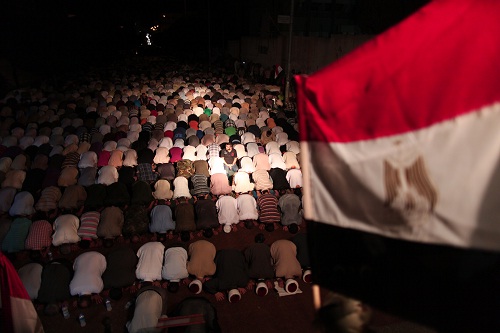
Saaed Eddin Ibrahim, arguably the Arab world’s leading sociologist and certainly the leading advocate of liberal-Islamist alliance against the old Arab military regimes has now totally changed sides, warning that the Islamists want to hijack power and establish dictatorships. He pleads for Westerners to wake up.
By Barry Rubin
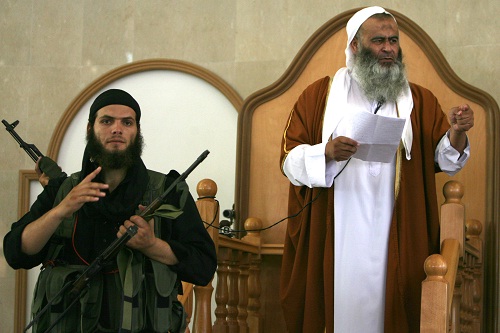
A friend of mine listened to the sermon given at the Ramadan evening prayer in a village near the north Syria town of Idleeb August 7. The closer one gets to ground level in the Middle East the crazier things become. Sure, by the time the Western-educated, suit and tie wearing leader sits down with the Western reporter everything sounds calm and cool. But the earth is boiling.


 October 23, 2026