יום שישי, י״ב חשוון תשפ״זFriday, October 23, 2026



Follow Us


Rachel Levmore (Ph.D. in Jewish Law from Bar Ilan University) is a rabbinical court advocate; director of the Agunah and Get-Refusal Prevention Project of the International Young Israel Movement in Israel and the Jewish Agency (iyim.org.il/prenup); first to’enet rabbanit member of the Israel State Commission for the Appointment of Dayanim; and author of "Min'ee Einayich Medim'a" on prenuptial agreements for the prevention of get-refusal.
Read More
In tens of such cases, get refusers entering Israel as tourists were hauled in front of the Rabbinical Court. When comprehending the sanctions that may be levied against them while maintaining their position of get refusal, these men arranged the get through the good services of the Israeli Rabbinical Court.
A suit filed in compliance with the details of the Diaspora Agunot Law is treated expeditiously with a good chance of ending in a get.
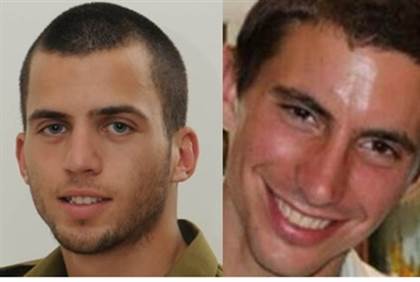
The opportunity to redeem Jewish captives is extremely rare, but these days it has taken a macabre form.
The specter of being hauled into a Rabbinical Court upon arrival in Israel sufficed to convince a number recalcitrant husbands to reconsider their position.
This halachic prenuptial agreement is egalitarian since a man in Israel can also be a victim of get-refusal.
Did you ever wonder how someone grew up to become a name that others recognize?
If Israeli rabbinical courts – who have actual power within Israel’s legal system to use against get-refusers – could not get this man’s wife a get, what can rabbinical courts in the Diaspora do? Only one thing: Use their halachic powers! It is well past time for leading rabbis to publicize solutions that are based in Jewish law.
The truth is, once a man refuses to give his wife a get, a rabbi cannot help. For the power to give a get lies in the hands of the husband – not a beis din.

When we give to the poor, pray for the sick, donate to a medical center, we do so asking for results. When we support talmidei chachamim, shouldn’t we expect them to strive for practical results as well?
International Agunah Day is a sort of “rosh hashana la’agunot.” As a Jewish 'New Year' we should perform a “cheshbon nefesh” – an accounting of the soul. What have we done right; where have we erred?
A get-refuser rules not only over his wife but her parents, siblings, community. In short, her world

A get-refuser rules not only over his wife but her parents, siblings, community. In short, her world
"GETT's" being screened for Israeli Rabbinical Court judges at their annual convention.
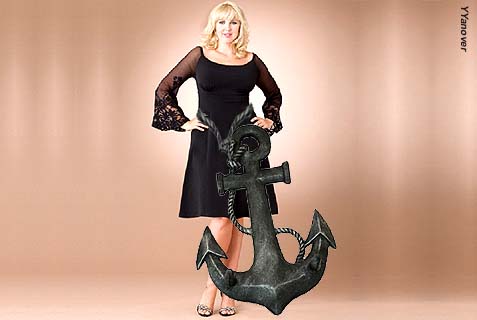
International Agunah Day falls annually on Ta'anis Esther, this year on March 13.
You are the mother of a me’agen – a young man who has turned his wife into an agunah. Sometimes a person in your situation can get so caught up in defending her position or her son's position that she fails to realize there is no longer a battle.

It’s human nature to hide our heads in the sand. That may be because we are mostly optimistic. We believe everything will be all right even when we know we are taking a chance.
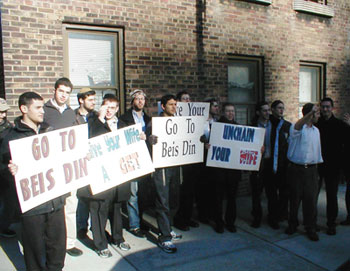
Those who are subjected to emotional suffering tend to be kept out of society's line of sight. All the more so when society is either the cause of the suffering or can alleviate it and does not do so.


 October 23, 2026


