יום חמישי, י״א חשוון תשפ״זThursday, October 22, 2026



Follow Us


Rabbi Gil Student is the editor of TorahMusings.com. His new book, Articles of Faith: Traditional Jewish Belief in the Internet Era, is due out in November.
Read More

Mockery is not merely humor, harsh criticism or even a personal insult. It represents a cynical form of denigration that attempts to render its target devoid of value.
Permanent Daylight Saving Time would force us to be late for about two months a year rather than two weeks. This would significantly affect the employment status of many people.
Cynicism is corrosive. It affects your faith in leaders, in friends, in family and even in G-d. A more sober look at the so-called halachic loopholes shows that rabbis are deeply concerned with following the divine will.

We live in an age of great technological opportunities that also pose great spiritual risks. Every community is struggling with this in their own way. I hope that TorahApp helps people improve their Torah learning while finding their way through the maze of technology in a religiously uplifting manner.
One unique feature of this book is that over the past few years, Lustiger has been posting to YouTube powerful video clips of the Rav (most of them in Yiddish with subtitles).
No law can address every situation. Some people will be adversely affected by any law.

Incorrectly connecting precautions and lockdowns – or linking unrelated precautions – can lead people to adopt a dangerous all-or-nothing attitude.
Rabbi Schimmel’s greatest contribution, aside from his organization and clarity, is his discussion of the rabbinic mind.
Today, mysticism abounds, whether from the traditions of Chasidism, the Arizal, the Maharal, or some new combination. And yet, these approaches do not satisfy everyone.
Ashkenazic society for over 700 years has considered sleeping in the sukkah to be a chumrah, not a requirement.
For over seven centuries, Jews – Ashkenazim and Sephardim, chassidim and misnagdim – have refrained from appointing a woman as sandek.
There is, not one, but two distinct Diaspora Jewries: 1) a politically and religiously conservative Jewry and 2) a politically and religiously progressive Jewry. The former is Orthodox; the latter is not. The two groups live in separate communities and rarely interact.
Very often, we take our status as members of the chosen nation for granted. We should remember, though, that we can lose that status by our actions. Born a Jew, always a Jew – but not necessarily Jewish.
Around 1552, leading rabbis in Egypt issued a cherem against people using rabbinic judges not approved by official channels.
No organization (i.e.the OU) can excommunicate anyone. It does not, however, mean that our communities lack organizing principles. Those principles operate based on individual choice. People effectively expel synagogues not compliant with mainstream halacha.
Let's say the OU were to expel a synagogue, or 4, what practical difference would it make?
Print media may publish modest pictures of men and women; they may not publish immodest pictures or pictures of modestly dressed people posed in a provocative manner. The underlying question remains, "Who defines standards of modesty? Who determines what is considered provocative?"
Over the past decade, the RCA issued resolutions disapproving of ordaining women or hiring ordained women. Now the OU has joined them.
In the recent election, voters declared that the old ideas don't work and America needs new ideas. Maybe it needs timeless ideas. Can the Bible restore the society underlying American democracy?

If we can learn to fear the surveillance of the Internet, we can learn to fear God's constant watching.
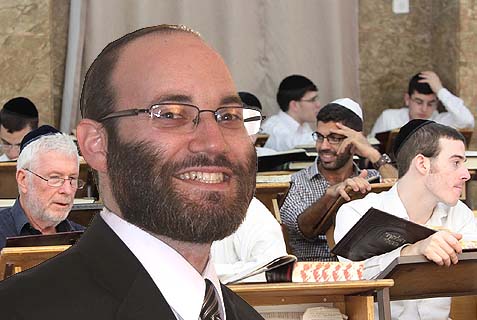
Traditional Jewish texts clearly discuss men and women as categories – as distinct groups – even though individual men and women vary.
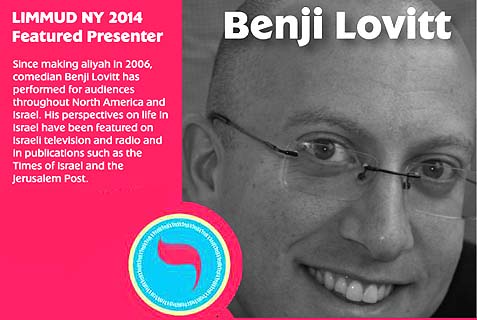
There must be an Orthodox presence and an Orthodox refusal to attend Limmud NY.
I am from the generation that never saw or heard the Rav but lived in his shadow, feeling his recently departed presence in his students' lectures. My poverty in this sense pales in comparison to that of the next generation, who have only a distant notion of who this great man was and his sprawling impact.

The Internet is a medium that has made its way in its short existence all the way to the center of contemporary life. Many of our daily tasks are now tied to it, and will be more so in the future.
In light of all the attention that the recent Internet Asifa garnered, we thought it wise to offer this analysis on the subject by Rabbi Gil Student, founder of TorahMusings.com and former managing editor of OU Publications.


 October 23, 2026


