יום שני, א׳ חשוון תשפ״זMonday, October 12, 2026



Follow Us


Hadar Sela is the Managing Editor of BBC Watch - an affiliate of the Committee for Accuracy in Middle East Reporting in America (CAMERA)
Read More
By Hadar Sela
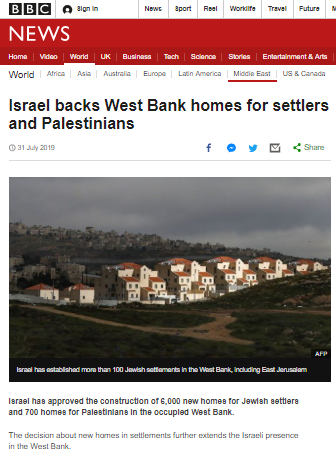
{Originally posted to the BBC Watch website} On the afternoon of July 31st the BBC News website published a report headlined “Israel backs West Bank homes for settlers and Palestinians” on its ‘Middle East’ page. Unfortunately for any reader hoping to gain a better understanding of the broader topic behind the specific story, the report […]
By Hadar Sela
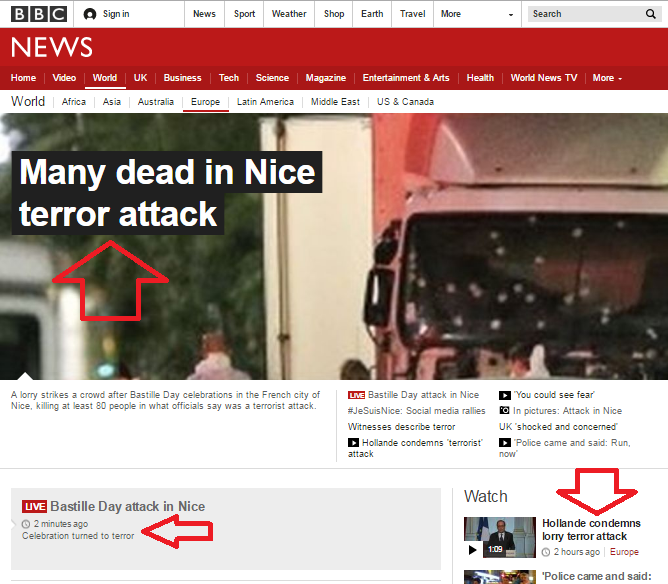
A senior news source said: ‘It boils down to that phrase, ‘One man’s terrorist is another man’s freedom fighter’.”
By Hadar Sela
As ever, the BBC compromises its own impartiality by failing to inform its audiences of the existence of alternative opinions on that particular issue of ‘international law’.
By Hadar Sela
The BBC has in the past frequently and enthusiastically promoted UN politicized messaging on the topic of reconstruction in the Gaza Strip while concurrently ignoring the flaws in the UN’s system.
By Hadar Sela
Despite the BBC reporting the sentencing of Hamas terrorists convicted for murdering 2 Israelis in a planned terror attack, the words 'terror, terrorist or terrorism' do not appear once in the report
By Hadar Sela
Using its standard ‘Israel says’ formula, the BBC gave misleading and unfair coverage to the recent Palestinian initiated confrontations.
By Hadar Sela
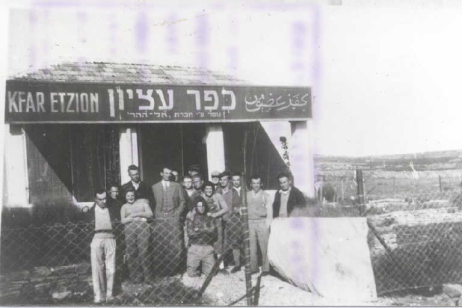
There is of course nothing novel about that portrayal of Gush Etzion as being located on “occupied” land.
By Hadar Sela
More than 450 complaints were registered against the Arab MKs for comforting families of terrorists

By Hadar Sela
To be accurately described as expropriation, the property in question has to have an owner.
By Hadar Sela
Today, Gamla is a nature reserve and alongside the ancient Jewish town visitors can also see Neolithic dolmens and the ruins of the Byzantine Christian village of Dir Krukh.
By Hadar Sela
This short film made by Oz Segev of Ma’ale Gamla last week, shows some of the swollen streams of the south and central Golan Heights which all drain into the Kinneret (Sea of Galilee).
By Hadar Sela
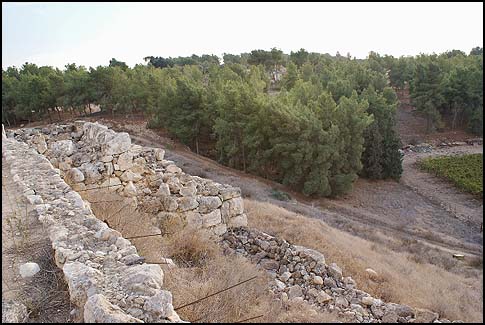
The site of Tel Lachish shows evidence of human habitation in Israel spanning many different historic periods over thousands of years.
By Hadar Sela
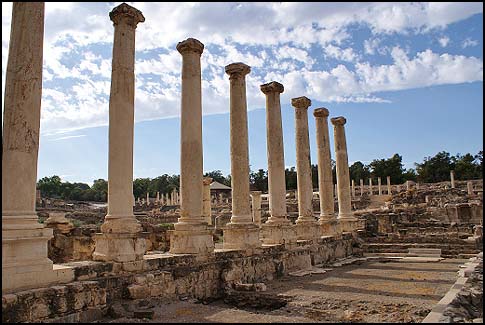
During the Hellenistic period, the city of Nysa-Scythopolis was founded. In 749 CE it was destroyed in the massive earthquake which hit the area.
By Hadar Sela
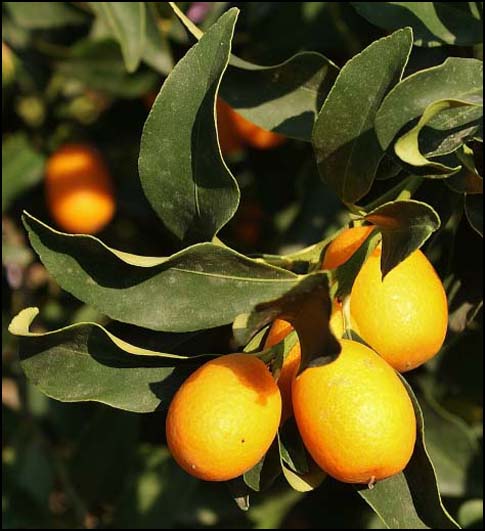
Winter flowers are already blooming, led of course by the dainty little Persian Cyclamen (Rakefet).
By Hadar Sela
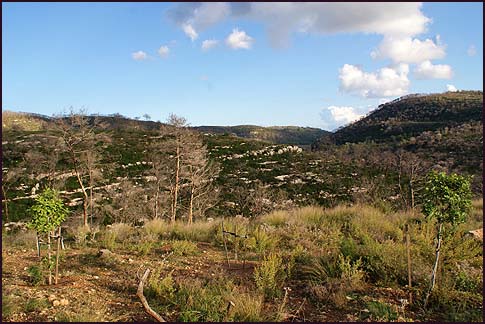
December 2nd will mark two years since the Mount Carmel forest fire disaster in which 44 people died, including members of the Israeli Prison Service, a bus driver, members of the Israeli Police Force and fire-fighters. Two years on, the 35,000 dunams of forest and natural woodland consumed by the fire still bears the scars, but signs of […]

By Hadar Sela
Kibbutz Bahan in the Hefer Valley in central Israel is the site of a park named ‘Utopia' .
By Hadar Sela
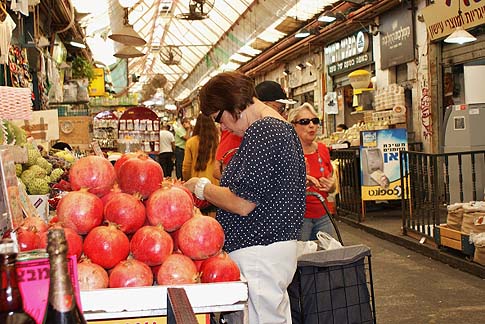
Machane Yehuda market in Jerusalem has its roots back in the late nineteenth century when it was known as Shuk Beit Ya’acov after the nearby neighbourhood of the same name which was established in 1885. Two years later, the Machane Yehuda neighbourhood was built and the market continued to grow. Under British Mandate rule the market was given a make-over, permanent stalls and roofing were built and the new name caught on.
By Hadar Sela
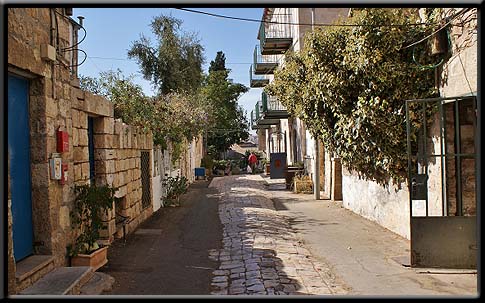
The picturesque Nachlaot neighbourhood in Jerusalem started out as what we might call today ‘social housing’. From 1875 onwards benefactors such as Moses Montefiore began building new neighbourhoods outside the walls of the Old City to house the growing Jewish population and relieve some of the overcrowding and squalor of the Jewish Quarter. Thus, Nachlaot is in fact a cluster of fused neighbourhoods, with each one originally having a specific ethnic character and its own synagogue.

By Hadar Sela
Sussita – or Antiochia-Hippos, to call it by its Greek name – sits on the eastern shore of the Sea of Galilee, towering 350 meters above Kibbutz Ein Gev. Founded around 200 BCE, during Roman times Sussita was one of the Decapolis – the ten cities. The city was predominantly Christian from the fourth century until its destruction in the massive earthquake of January 749, after which it was never resettled. It boasts many features, including impressive fortifications, several churches and pagan temples, a commercial area, bath houses, a beautiful odeon overlooking the lake and a port on the lake shore below. In 1951, an IDF outpost was established on the mountain which was until 1967 Israel’s easternmost point, merging with the Golan Heights.

By Hadar Sela
Earlier, I took part in a briefing with Lt. Col. Avital Leibovich of the IDF Spokesman’s unit regarding the intensified rocket fire upon the south of Israel over the past few hours, which –at the time of writing – the Guardian has not yet seen fit to report. Lt. Col. Leibovich reported that 68 rockets have been fired from the Gaza Strip in the past twelve hours. Two foreign nationals – farm workers from the Kissufim area – were critically wounded by rocket fire and three or four additional civilians are suffering from lighter injuries. Several homes have been damaged.
By Hadar Sela
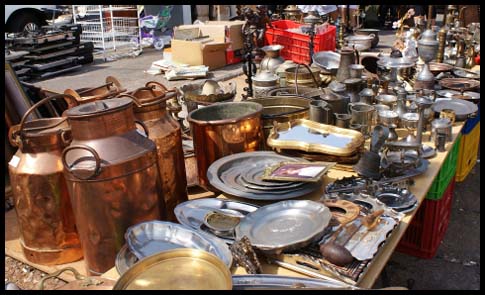
Definitely not on the standard list of tourist destinations in Israel, and less well-known than its counterpart in Yaffo (Jaffa), the flea market in down-town Haifa is well worth a visit whether you’re buying or just browsing. The market is open on Fridays, Saturdays and Sundays and of course it is best to get there as early as possible – with well-honed haggling skills!
By Hadar Sela
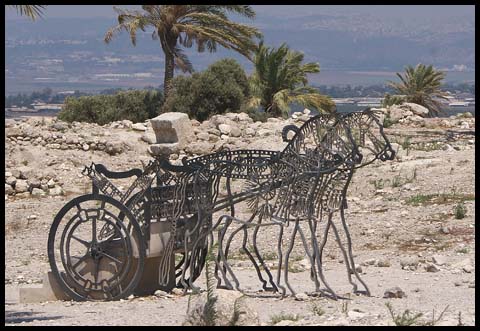
If the building which houses the ticket office and museum at Tel Megiddo national park seems somewhat incongruous to its surroundings – being more reminiscent of the style of an English country gentleman’s residence, with its chimney and paned windows, than of the local architecture – that is because it was built by the British army after its victory against the Ottomans, including at the Battle of Megiddo. So important was that battle that its Commander in Chief, Sir Edmund Allenby, was later awarded the title of 'Viscount of Megiddo.'

By Hadar Sela
There are not many places in the Middle East (or in Britain, for that matter) in which one can still find an old fashioned British red telephone box with a working phone. In Mazkeret Batya, south-east of Rehovot, there is exactly that – a remnant from the days of the British Mandate – on the main street of the moshava, next to the museum.
By Hadar Sela
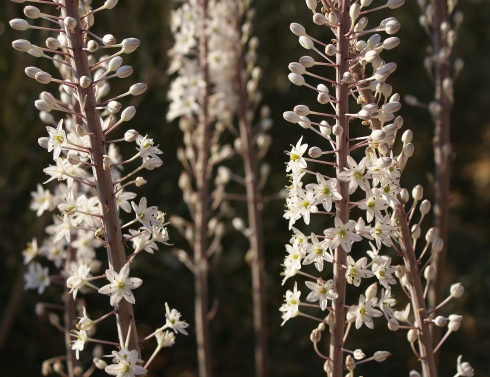
Drimia Maritima, or the Sea Squill, is known in Hebrew as Hatzav (from the word Hatzeva; quarrying, hewing or tunnelling) probably due to the ability of its long roots to penetrate cracks in rocks, and even widen them, in order to reach water or damp ground. In Israel, this tall, impressive plant – which flowers right […]
By Hadar Sela
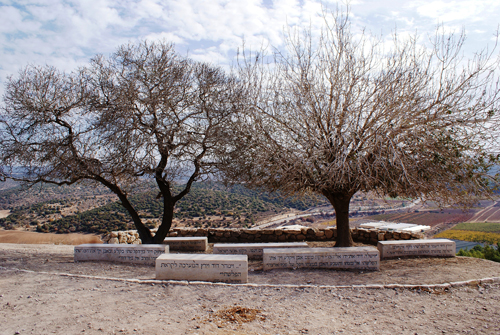
In the Judean lowlands, rising above the Elah Valley, lies Tel Azeka (also Azekah) – mentioned numerous times in Biblical texts. Perhaps most famously, it is associated with the story of David and Goliath, which is etched into blocks of stone set by the path up to the top of the Tel, its dramatic ending overlooking the Elah Valley below on one side and views as far as the Mediterranean coast on the other.
By Hadar Sela
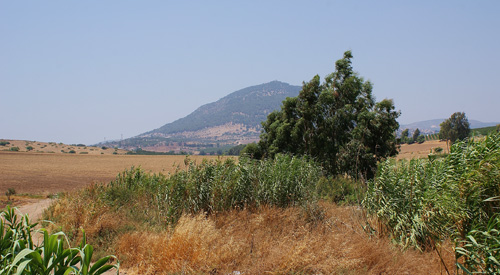
Mount Tabor, standing 575 meters above sea level at the eastern end of the Jezreel Valley, is the site of the battle fought by Deborah and Barak against the Canaanite king Sisera, according to the Bible. Now it is the site of two monestaries, with three Bedouin villages nestled at its base.

By Hadar Sela
Whilst it is difficult to imagine exactly what sort of effective controls GMJ organizers have been able to implement in order to prevent their intended one million man march from descending into violence, it should also be noted that a considerable number of the GMJ organizers are veterans of the flotilla project who describe the Turkish activists aboard the IHH-sponsored Mavi Marmara in 2010 as ‘humanitarian aid workers’.


 October 9, 2026