יום שישי, י״ב חשוון תשפ״זFriday, October 23, 2026



Follow Us


Harold Rhode received in Ph.D. in Islamic history and later served as an Advisor on Islamic Culture for 28 years in the Office of the U.S. Department of Defense. He is now a Distinguished Senior Fellow at the Gatestone Institute.
Read More
By Harold Rhode
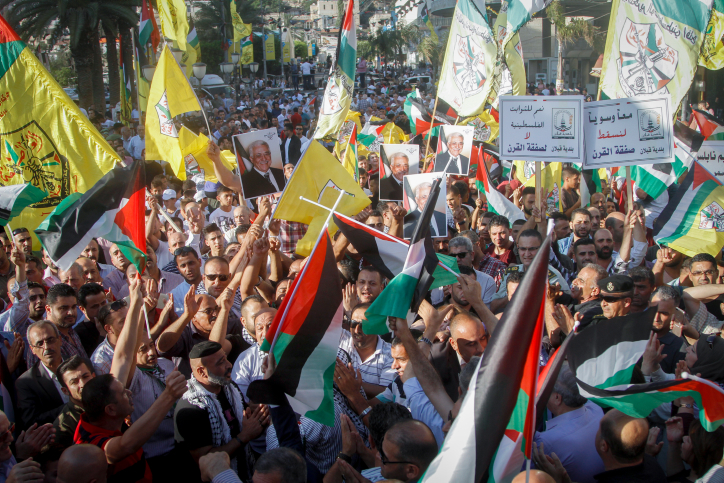
Identity in the Middle East is still shaped by social and economic relationships rather than by modern political boundaries.
By Harold Rhode
Turkish President Recep Tayyip Erdoğan has every reason to welcome Sunni Arab immigrants.

By Harold Rhode
Whatever the results of the vote on Nov. 3, there is likely to be a shift in the policy of the regime in Tehran towards America and its allies.
By Harold Rhode
In the past, foreign conflicts have helped the regime in Tehran distract the public. But could this conflict provoke in Iranian Azeris a feeling of solidarity with their Azeri co-ethnics across the border in Independent Azerbaijan?
By Harold Rhode
Does it matter that Muslim Arabs cannot sign a true peace agreement with Israel? Not as long as Israel recognizes it must remain militarily strong and resolute in defending its culture and borders.

By Harold Rhode
The Israelis and Americans should stop worrying about who will lead the Palestinians, and instead spend time thinking about how Israel and America can address the civilizational war engulfing the entire region.
By Harold Rhode
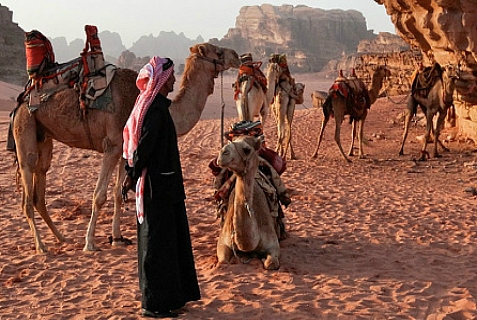
Middle Eastern culture has never developed ways to leave the past behind.
By Harold Rhode
Making Rouhani the president was a brilliant strategic move for Khamene'i.

By Harold Rhode
Hamas has become a tool for both the Sunni and Shi'ite fundamentalists to use in their battle not only against the non-Muslim world, but against each other.
By Harold Rhode
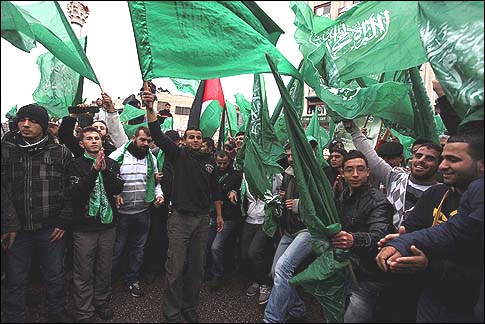
It hard to imagine that at least some of Israel's leaders do not understand the Muslim mindset.
By Harold Rhode
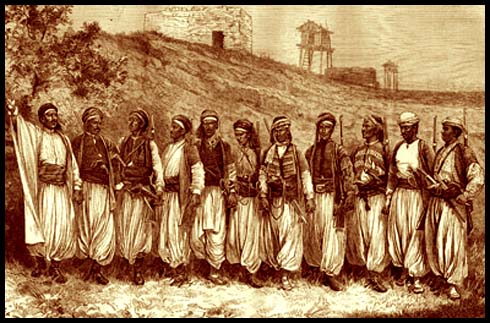
The Alawites are a small, historically oppressed people, whose political future will determine whether Syria remains united in some form or disintegrates into even smaller ethnic and religious entities. As they will play such an important role, America, Israel, and other forces interested in the future of Syria might do well to get to know them, their concerns, and how others can best come to terms with them.

By Harold Rhode
Over the past year, more and more Iranians have been finding ways to communicate with their friends and relatives abroad in ways which should encourage the world to ratchet up the pressure on the regime.
By Harold Rhode
Many parts of the world, such as Korea, China, and India - basically medieval kingdoms fifty or sixty years ago -- are now among the pacesetters of the modern world, both producing, and improving on, existing inventions. The Muslim world, however, often better off than these countries just half a century ago, has remained as it was, or has even, in many instances, deteriorated.


 October 23, 2026


