יום שבת, כ״ט תשרי תשפ״זSaturday, October 10, 2026



Follow Us


Rabbi Adam Shulman learned and received semicha from Ner Yisrael. During the school year he teaches English and history classes in Ner Yisrael's high school. During the summer he helps run a frum summer camp in Baltimore's JCC.
Read More
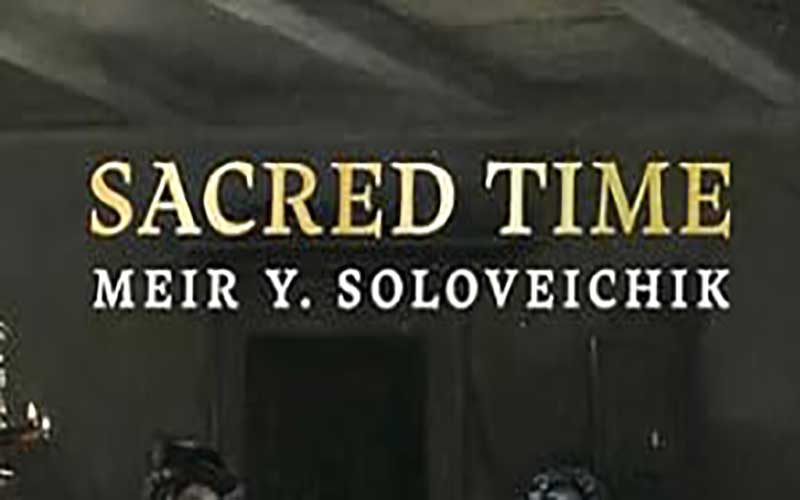
The first unique aspect of Sacred Time is its cover image. While the popular adage tells us not to judge a book by it cover, thought certainly goes into what will grace a book’s cover. After all, this is the first thing a potential reader will see.

Despite its somewhat technical subject matter, Divrei Soferim was a fairly easy book to get through. I found many of the questions raised and topics discussed fascinating even if I could not recall all of them several weeks after completing the book.

History is both broad and deep at the same time. One with a broad knowledge of the subject probably prefers more depth on a topic, while one with less background probably prefers something broader in its scope.
The Hebrew font is definitely clear and readable, but I do wish the endnotes would have been included on the Hebrew side as well.
With seven previous books to his credit, this is not the first time Rabbi Bernstein has covered the holiday of Sukkos.
Aside from lessons related to chronological structure, the overview concludes with a summary of themes. It is here that Rabbi Arenias urges the reader to engage with the Chumash as a complete text and not just a pasuk to study for a dvar Torah for the Shabbos table.
In addition to a similar phrase-by-phrase explanation, Rabbi Adler also devotes another lengthy chapter to comparing and contrasting differences in the Rosh Chodesh text with the Musaf text from other yomim tovim.


 October 9, 2026