יום שני, ח׳ חשוון תשפ״זMonday, October 19, 2026



Follow Us


Asher Yablok is the principal of Ohr Yisroel of Bergen County, director of Olami Together and a sought after Mohel at brisnj.com.
Read More

I’m also drawn toward the somewhat humorous Hatzalah culture that has become a bit of a meme, most recently in the comedy of Dovie Neuberger.

I used to dismiss a vort as a shallow thought meant for light conversation or sharing a cute idea. However, looking back, it represents a way of bringing Torah into every conversation...
One thing they all have in common is the unique character of the candle which shares its light without diminishing its own ability to shine.
The Torah emphasizes the fact that all eyes were on him throughout his lifetime, and his leadership becomes that much more inspiring when one considers what his experience must have been like in that environment.
Trust in Hashem’s ability and desire to provide for us and focus our efforts on simply providing avenues for him to do so.
I believe, and tell my children and talmidim so, that we have the opportunity to be matzliach in ways the defy luck of the draw, nature and happenstance.
While we wonder if the head of the household could perhaps cut a little bit quicker, we are forced to pause at the beginning of the meal, with all the things we want to share on our minds, and wait quietly to connect the mitzvah of netilas yadayim with the lechem mishne.
Morahs are our children’s guides as they develop their first experiences outside the home. It is not surprising, therefore, that but my morah said it has to be done this way… is one of the most sacred instructions in our home.
These days, as was the case during many such difficult periods in our long history, doing the bris on the eighth day has taken on new meaning.
There are the three mitzvot that are designated as signs, milah, Shabbos and tefillin, which serve as constant reminders of our unique relationship with Hashem via our bodies, our actions and our thoughts.
Semicha bridges the generations. It connects the chain of tradition that began with Moshe and Yehoshua and, while not officially so, each new class of budding rabbis who seek to serve the needs of the Jewish people in their generation.
These spiritual earthquakes are not always experienced physically at all. They are the opportunities created by the opening of a new yeshiva that properly serves a mission or a population that has been falling through the cracks.
Seven is typified by the sanctity of Shabbos. Each week is influenced by the Shabbos that preceded it and by the build up toward the following Shabbos. In other words, seven represents the yearning to infuse the mundane with the spiritual.
Indeed, kavod is a two-way street. We often think of it as something we give though we receive much more from showing kavod.
Country represents the sprouting of our nation’s home in the Promised Land where we are immigrants but we are finally home. Where we begin to picture the redemption and work together to bring about kvod shamayim.
Naturally, the verse in Shir HaShirim – K'shoshana bein ha’chochim rings in my ears as well, including the songs that have been written for those words.
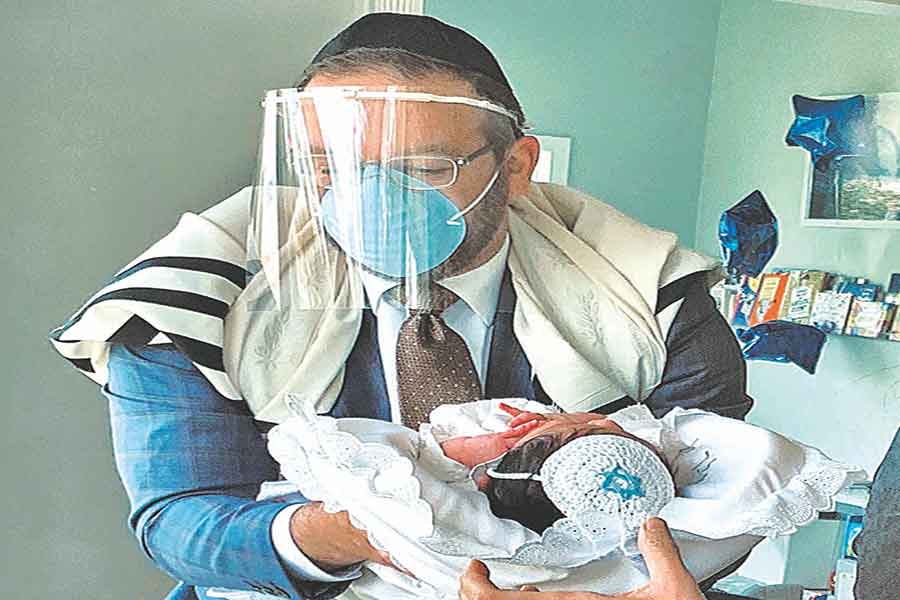
So much of it was reminiscent of a different time, when Jews were forced to be secretive in the practice of Torah and mitzvos.


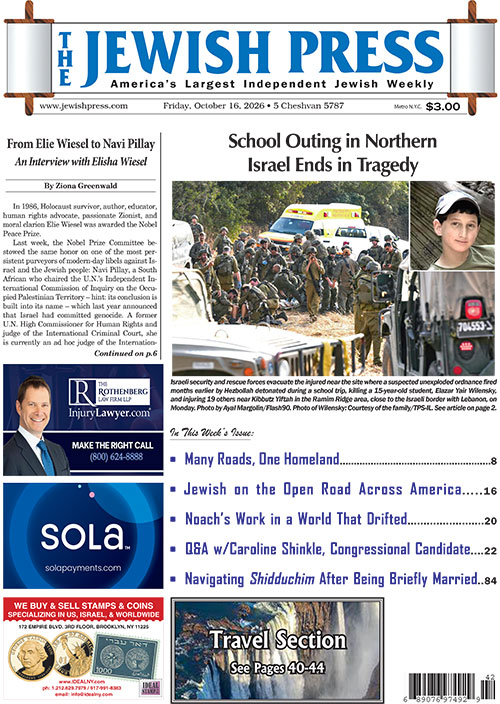 October 16, 2026