יום שבת, י״ג חשוון תשפ״זSaturday, October 24, 2026



Follow Us


Shiraz Maher holds a degree in History from the University of Leeds and an MPhil in Historical Studies from Cambridge University. After leaving university, he worked as a journalist, reporting on terrorism, radicalization and the Middle East. His writings have appeared in the Times, Sunday Times, Daily Telegraph, Daily Mail, Guardian, New Statesman, Prospect, Wall Street Journal and Standpoint.
Read More
By Shiraz Maher
Herein lies the problem in Pakistan. The political class is simply unwilling to confront the Taliban which operates freely across much of the FATA region. Instead, they make political capital from criticising the drone program operated by the United States which targets terrorists in FATA. It is true that drones can sometimes be a blunt and clumsy tool, but in the absence of any will by Pakistani authorities to chase down the terrorists operating in FATA, this program is the only lifeline available to residents there who oppose the Taliban.
By Shiraz Maher
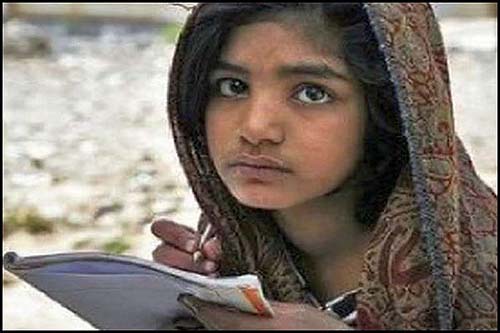
Last year the governor of the Punjab, Salman Taseer, was shot dead for merely suggesting the blasphemy laws should be changed.

By Shiraz Maher
Fears for the future of religious minorities in Egypt were accentuated earlier this month when it was announced that the last synagogue in the country would be closed down. The Eliyahu Hanavi Synagogue, which had operated in Alexandria, was the last functioning center of Jewish life in the country. It is now clear that its cavernous halls, built in the nineteenth century, will not be open to worshippers hoping to mark Rosh Hashana and Yom Kippur services this year.

By Shiraz Maher
It needs to be clearly understood America's civil space program is just as much an instrument of national power as the US Navy or the State Department. It is to be hoped that the President and Congress will in the future recognize this fact.
By Shiraz Maher
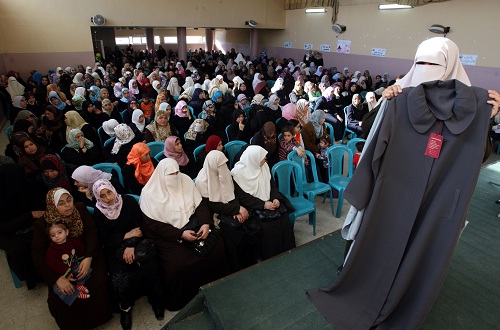
The latest anti-prostitution campaign in East London typifies an Islamist strategy, which is to create parallel communities for Muslims that do not interact with their non-Muslim neighbors. Islamists use these initiatives to present themselves as active members of the community, often picking on legitimate and understandable concerns. Their aim is to win new recruits and further their divisive agenda.


 October 23, 2026


