יום שבת, כ״ט תשרי תשפ״זSaturday, October 10, 2026



Follow Us


Shoshana Bryen is Senior Director of The Jewish Policy Center. She was previously Senior Director of JINSA and author of JINSA Reports form 1995-2011.
Read More

It is too early to decide whether the president’s Mideast trip will bear fruit, but it has already been subjected to the excesses and warping and fakery by the anti-Trump media.

And we thought Oct. 7 was the worst. Hamas keeps showing the world how depraved its adherents can be.
There are two things that can be done to improve the situation in the region.
Biden's Israel policy is an unholy mess.
Military pressure is not in the cards. The bottom line is that the Palestinian Authority is corrupt, and that has to be solved internally
America believes that Israel has waited long enough to redeem promises by the United Nations, and in the absence of Palestinian engagement, Israel is entitled to begin the process of securing its border in the east: in Judea and Samaria.
The two countries are drawn together by common values and common threats. The bipartisan support for Israel has been a testament to those values, as well as to the practical recognition that the threats require cooperation in intelligence, technology, and security policy.
The Trump economic plan undermines the PA monolith and reaches out to individuals who won’t wait another generation to live their lives.
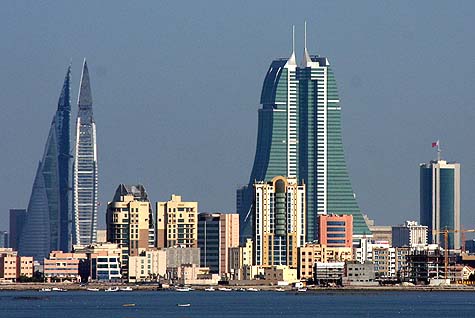
Some of the countries that have to make their peace with Israel will be in Bahrain, and UN Resolution 242 should be on the table. Fifty-two years late is not too late.

How long is Israel required to wait for “secure and recognized boundaries free from threats or acts of force” ? It has been almost 52 years since Syria lost the Golan Heights as a result of aggression from that space that began before the independence of Israel. It is 45 years since Israel repulsed the aggression of the Yom Kippur War.
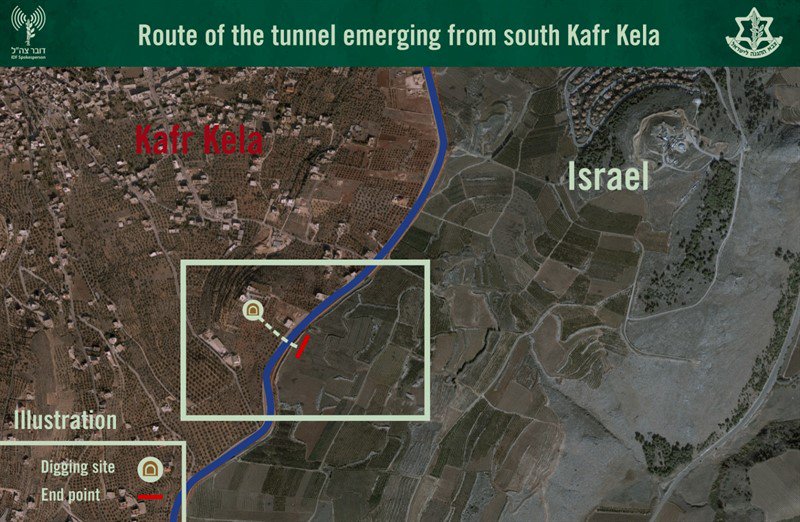
The U.S. government has provided military training and weapons—plus $1.5 billion in aid—to the government of Lebanon since 2006, the end of the war Hezbollah instigated against Israel.
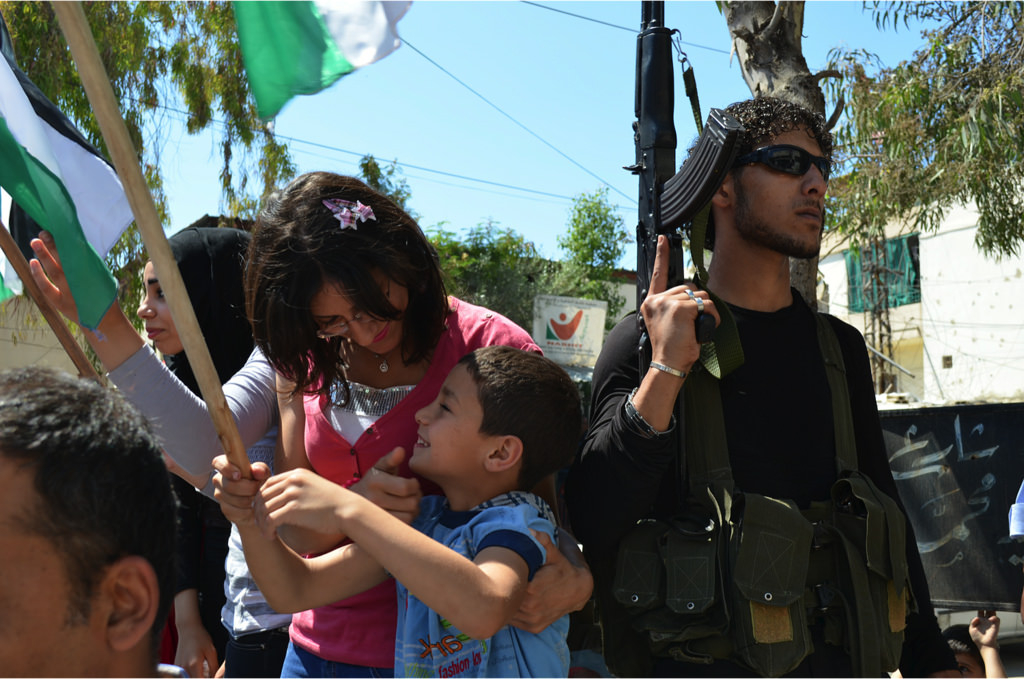
US funding for UNRWA is problematic because the organization is inextricably intertwined with Hamas in Gaza and Hezbollah in Lebanon. It is time to review the number of Palestinian "refugees" in the world and the world's obligation to them
If Iran is allowed to solidify its Shiite Crescent and its naval obstructionism, American allies across the Middle East and North Africa will pay a heavy price.
Trump said America’s priority in Syria would be ousting ISIS not removing Assad. Does the attack change that? Does it mean “regime change” is an option? Is the US about to enter the Syrian civil war?
After UNESCO voted Christian and Jewish heritage off the Temple Mount, the question remains how to convince nations in the West to stand resolute in the face of Islamists committed to replacing them.
It would have been in the larger interest of the United States to script a Memorandum of Understanding with Israel which enhanced Israel's capabilities rather than to constraining them.
Unwilling or unable to engage in serious conversation, even with European interlocutors much less with Israel, Abbas may finally have made the Palestinian cause too difficult for the Europeans.
The American national blind spot is not seeing that we share this lovely space with people who want to kill us for the peculiar people we are.
Rather than offering the Palestinians no-cost recognition, the French should demand a few changes first.
Obama needs to find a "success" in the Mid-East so cue the "peace process." Israel, expect pressure.
by holding Wear a Kippah Day, Il Foglio challenges its readers to express support for tolerance
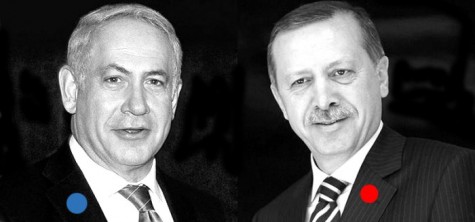
Turkey's foreign policy choices and current crises compelled Erdogan to reach out to Israel for help
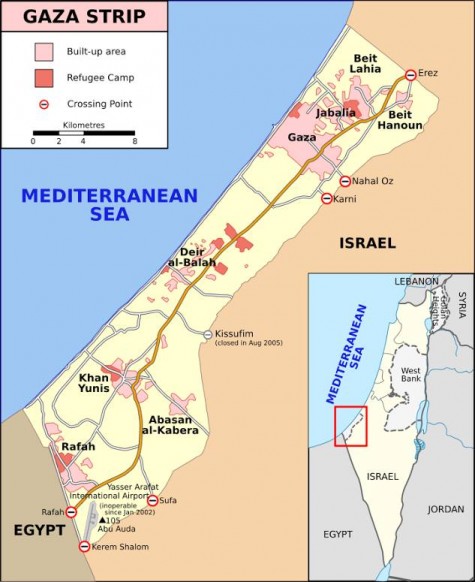
Proportionality Doctrine:The greater the military gain the greater the justifiable collateral damage
It appears not to have occurred to Condoleezza Rice that Palestinian statehood was incompatible with Israeli security.
The 686 men who expressed their desire to run in Iran's presidential election were whittled down to 8.
Does Kerry think it would be better for Israel to approach negotiations from a position of precarious poverty?
Neither Secretary of State Kerry nor the president he serves seem to understand Russia's goals in the Middle East.
The fourth Great War is less 'Islam against the West' than it is Sunni expansionists vs. Shiite expansionists.
This is the functional equivalent of agreeing not to swing the wrecking ball after you've set the house on fire.
President Obama, perhaps inadvertently, made the case for U.S.-Israel relations grounded in the most fundamental shared values.
US-Israel security relations have undergone a subtle, negative change in the past four years.
When Mein Kampf was published, many people thought it was just words. They were wrong.
Understanding that Iran has interests around the world which go beyond preserving his autocratic regime should be a hard reckoning for Bashar Assad, who has been loyal to the Mullahs and their agenda.
U.S. influence is markedly less than we – or our enemies – think it is, or ever thought it was.
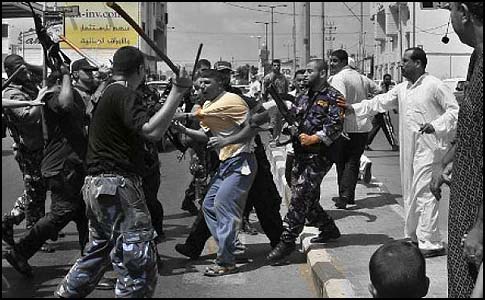
It is entirely possible for two parties to hate each other, but to agree they hate you more.
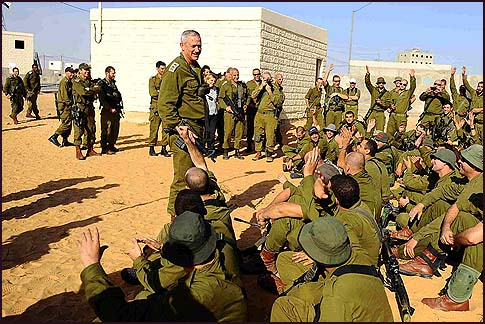
In contrast to rogue players, Israel uses force only because it has to.
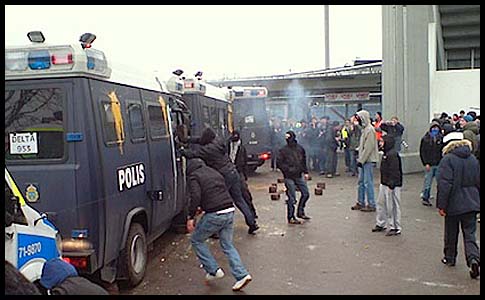
A wave of anti-Jewish violence has taken place in France and Sweden over the past few weeks. The difference in government response is notable, and yet there is something similarly disquieting about their actions. The Swedish government alternately denies the problem, blames the Jews and blames Israel -- it recently funded a book on Israeli "apartheid." The French are more complicated. French counter-terror police have been good at tracking domestic radical Islamists, but the government has made overtly anti-Israel gestures that appear to be nothing so much as "compensation" to its increasingly angry and radical Muslim community and to the Arab world.
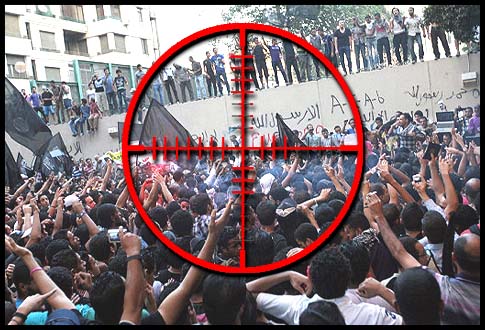
The unwillingness of the Obama administration to label the September occupation of American diplomatic facilities in Cairo and Benghazi, and the murder of an American diplomat "acts of war" make this an opportune moment to consider two lessons emanating from more than a decade of warfare in the Arab and Moslem world.
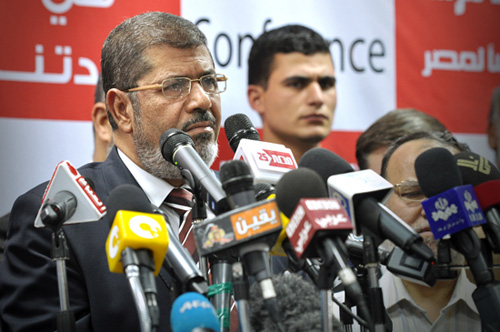
President Morsi is continuing the evolution toward an Egyptian definition of Egyptian interests that began with the decline of Hosni Mubarak and that promises to hasten the decline of American influence.
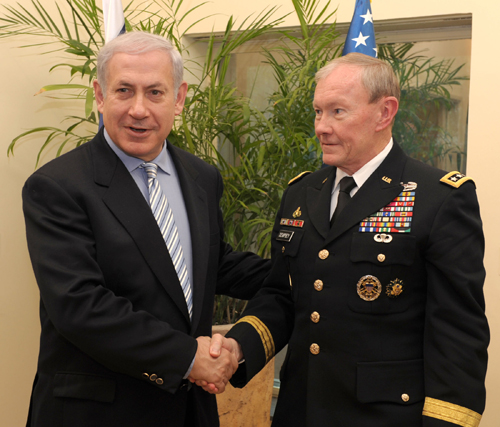
Mark 2012, however, as the year the Obama administration took its most overt steps yet to tell the Arab and Muslim World the the U.S. was severable from Israel. How much of what the US and Israel developed over the years was shared with countries overtly hostile to Israel?
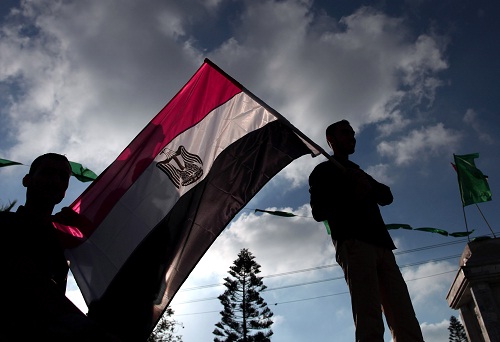
The fact is the U.S. and Israel have been somewhere between sanguine and cautiously happy regarding increased Egyptian concern about jihadists in the Sinai, and have accepted an Egyptian buildup that includes aircraft and helicopter gunships. Israel Radio reported that the deployment includes anti-aircraft and anti-tank missiles near the border.
The UN Security Council has not managed to have a discussion about Syria since April, but President Obama has finally figured out how to have the Council "briefed" on the subject by Navi Pillai – a renowned Israel-basher: give up Israel for Syria. As a veto-wielding member, the U.S. could have nixed the program, but instead insisted only that the Syrian meeting be held in the morning and the Israel-bashing in the afternoon; Ms. Pillai will have time in between for lunch.
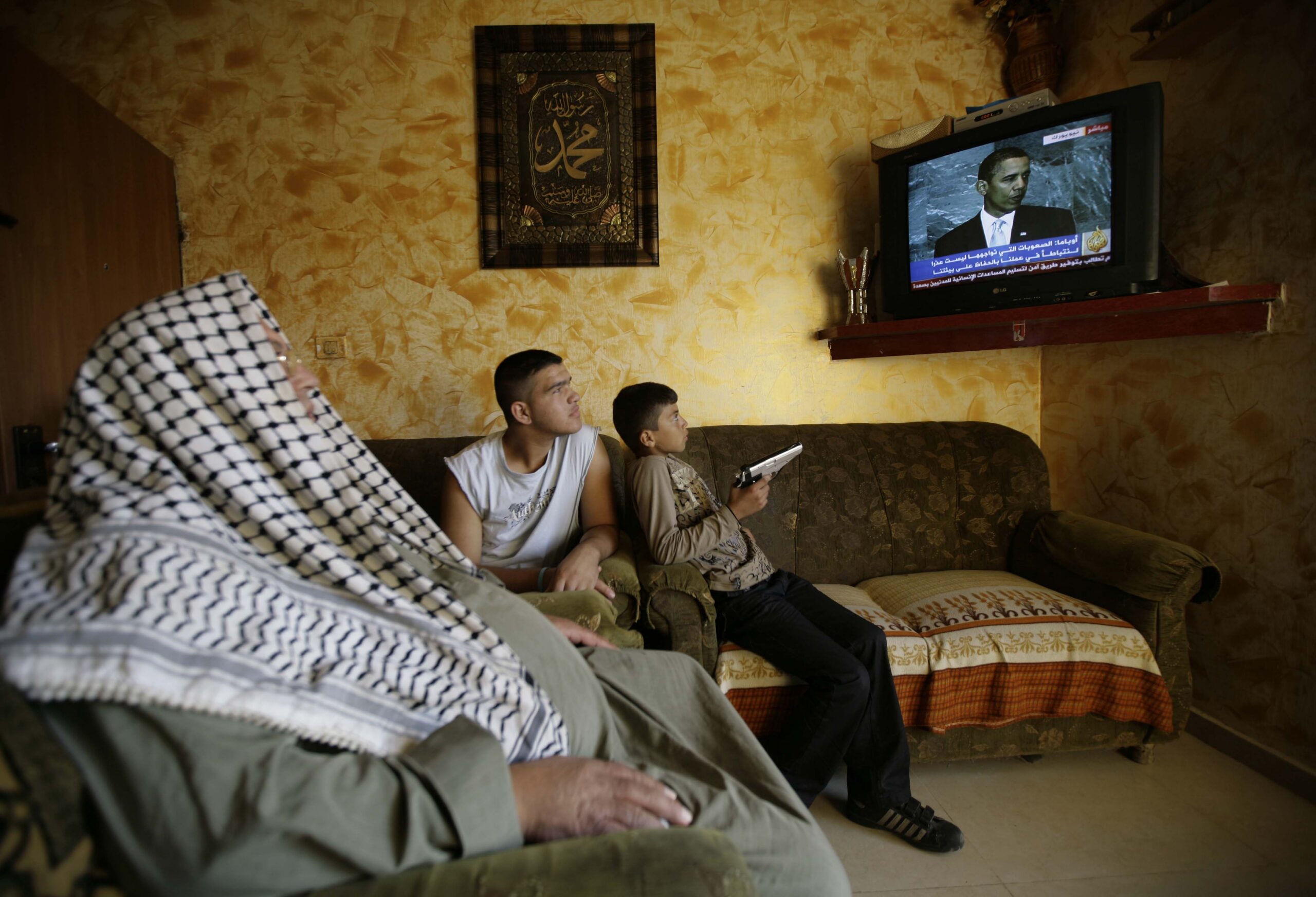
Turkey is riding high with the Obama administration right now; and President Obama welcomed the Turkish Prime Minister in March as an "outstanding partner and an outstanding friend on a wide range of issues" -- including, apparently, in reducing relations with Israel.
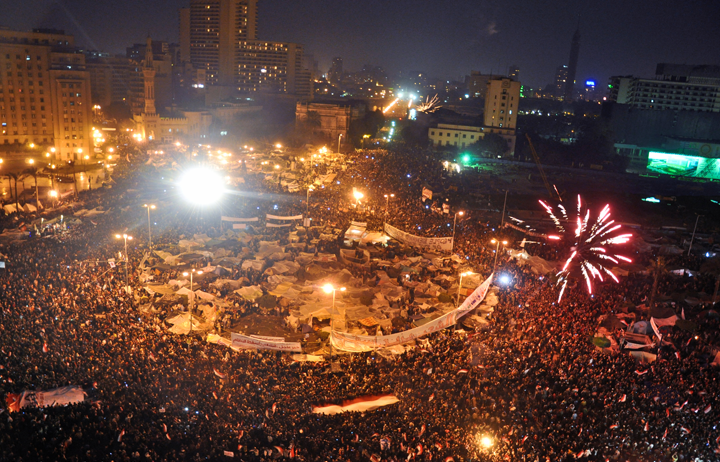
Israel has been threatened since birth by Arab politics in all its forms. Sometimes they send their armies to do battle. Sometimes they use terrorism. Sometimes rockets. Sometimes BDS. Sometimes what threatens Israel is the instability or potential fallout from internecine Arab warfare – as in 1970, when Palestinians threatened King Hussein; and 1991, when Saddam used rockets against Israel during a war in which Israel was not involved.

Few things ought to be as urgent as keeping Iran from acquiring nuclear weapons. Yet the West – led from the front by the United States – has fallen into the "peace process" trap that considers talk to be progress and, once a conversation has begun, that there is nothing worse than stopping it: Talk about what you've talked about. Talk about what you won't talk about. Talk about talking again. Talk again. Repeat.
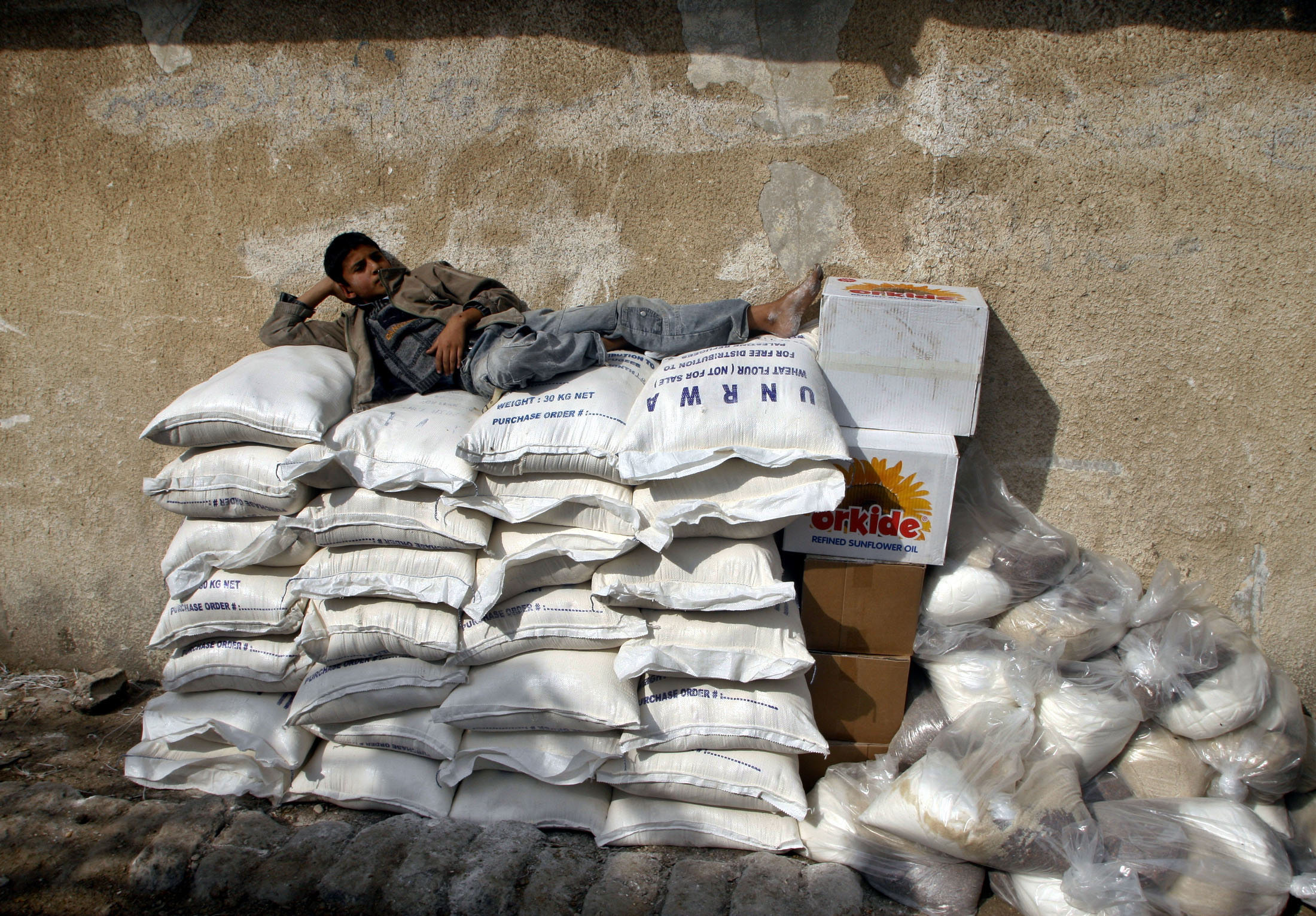
Abdullah Abdullah, Palestinian Ambassador to Lebanon, recently told The Daily Star that statehood "will never affect the right of return for Palestinian refugees… The refugees are from all over Palestine. When we have a state accepted as a member of the United Nations, this is not the end of the conflict. This is not a solution to the conflict. This is only a new framework that will change the rules of the game."
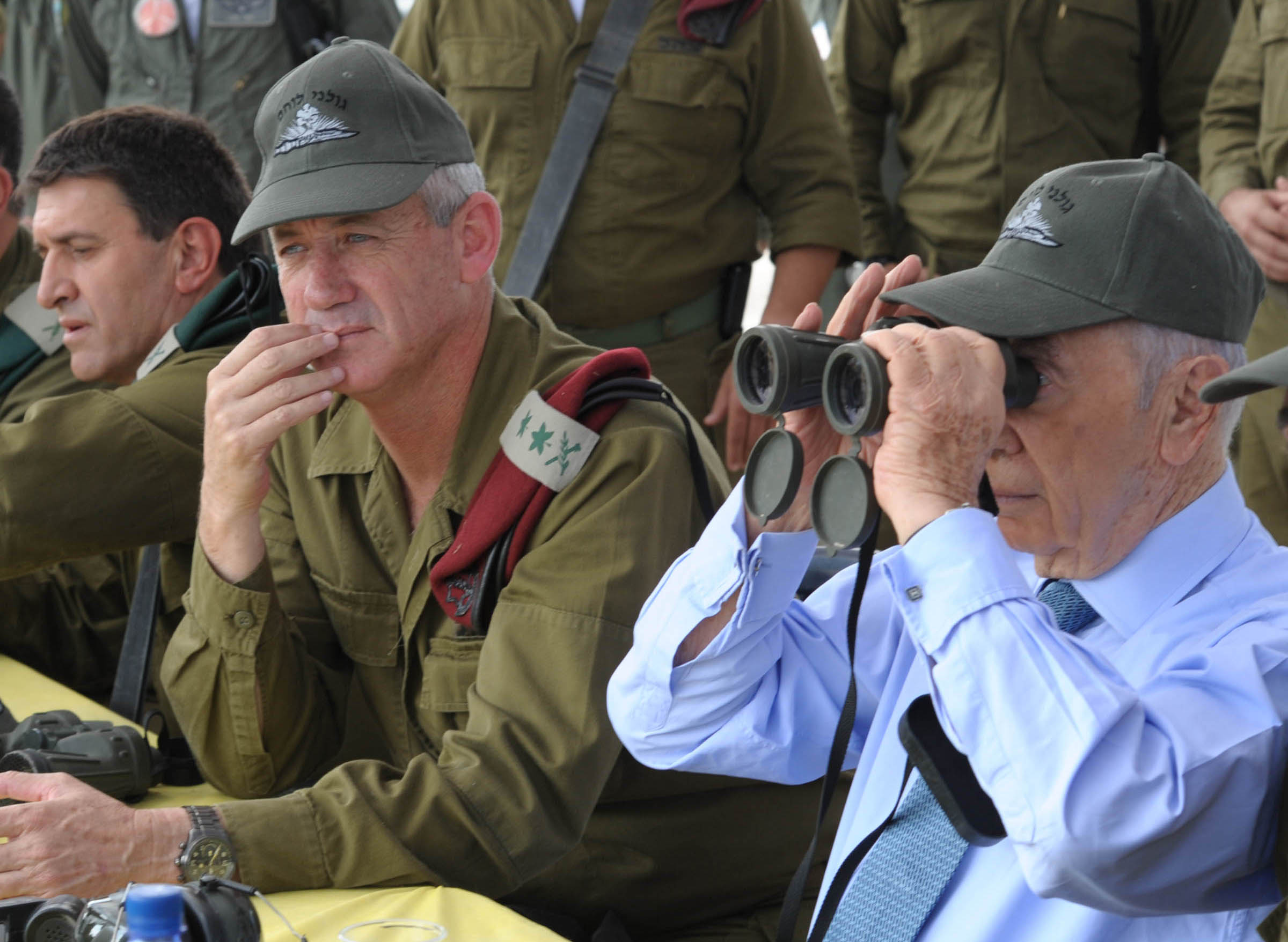
The likelihood of Iran complying with its commitments is minimal. But there would be hundreds if not thousands of hours, days and weeks of new negotiations over whether and how the agreement is holding up. Once a deal is struck, the Western powers will be loath to cancel it, even when they know Iran is cheating.
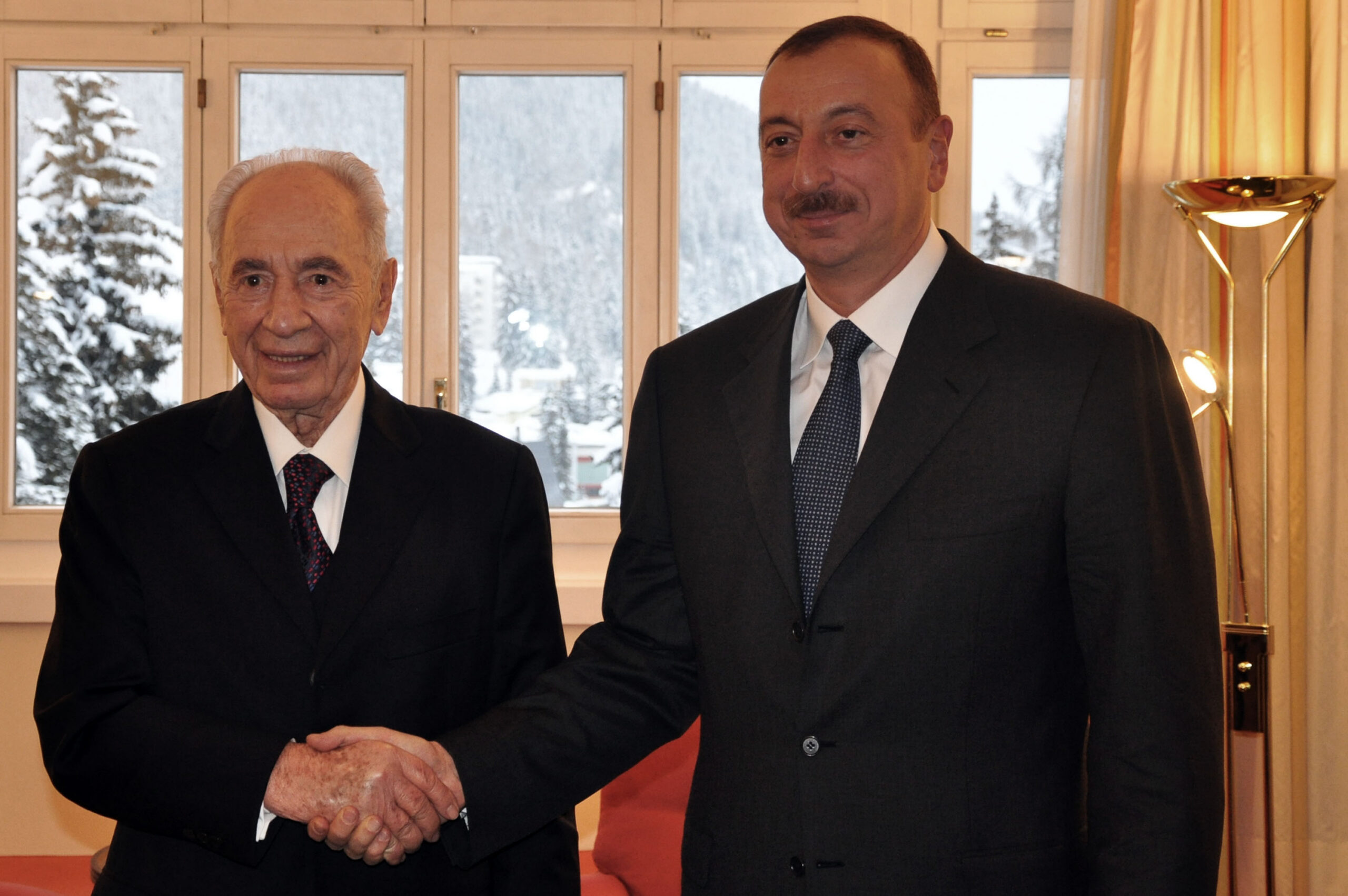
Last week, a Foreign Policy article by Mark Perry shows American military intelligence officials and diplomats being snide, cutting, and condescending – both toward Israel and toward Azerbaijan, a country that sits on Iran's border and has its own serious problems with the Iranian style of radicalism exported to it.
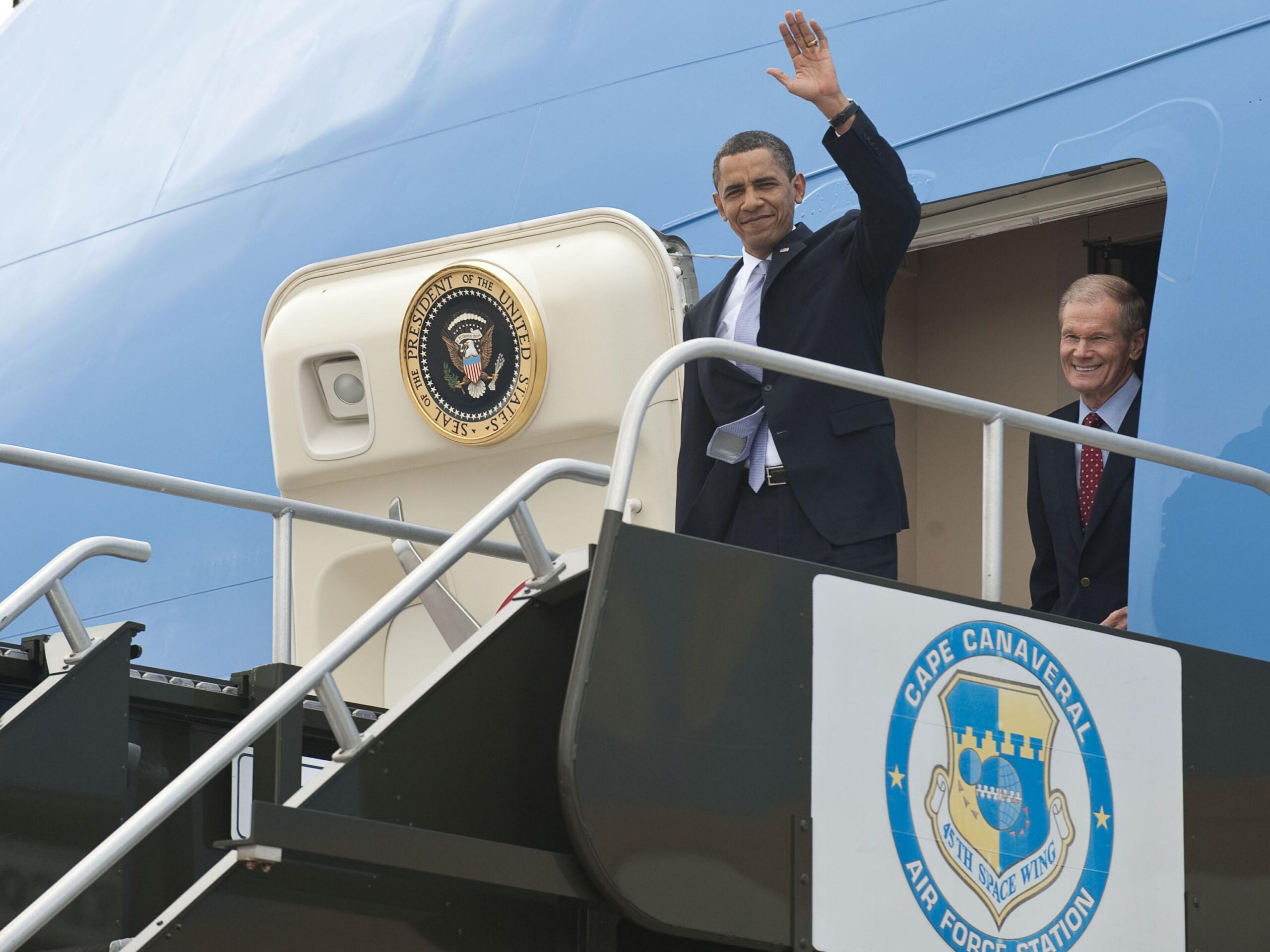
If Syria and Egypt have nothing to fear from the President of the United States, what will Iran fear?


 October 9, 2026