יום שלישי, ט׳ חשוון תשפ״זTuesday, October 20, 2026



Follow Us


Yisroel Picker is a Social Worker and certified trauma therapist with a private therapy practice. He also writes and speaks publicly about parenting, communication, cognitive biases and child sex abuse prevention. He lives in Jerusalem with his wife and their five children.
Read More
We can only control what we can control. We can control our words and our actions. How people choose to interpret our words and our actions is beyond our control.
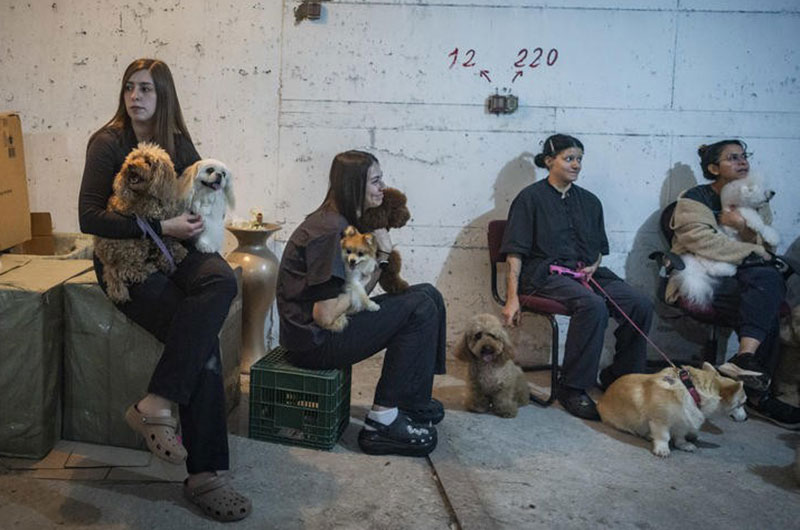
Unacknowledged stress doesn't stay quiet. It finds other exits. It comes out in how we speak to our children at the end of a hard day, in the walls we build around our hearts, in the subtle withdrawal from connection and meaning.
Like the word, our personal understanding of these events can change. What once felt like a meaningless, destructive force can, with time and support, reveal its place in our life's narrative.
Beyond the specific questions, pay close attention to how the therapist responds. Do they listen attentively? Do they answer your questions clearly and respectfully? Do you feel a sense of warmth and genuine interest?
If a person feels like change is impossible, we encourage hope. If they feel like they can't be fixed, we show them their value.
The intention is that Israel will be redeemed by the Torah in body and soul and mind to be entirely holy, and that the general correction will be over.
Healthy regret arises from a conscious evaluation of a past misstep. It compels us to learn and grow.
During the Pesach Seder, we say that eight is the days until the baby’s bris. But there is something else which also has the significance of the number eight, and that is Shmini Atzeres.
Think back to your childhood years, when some kids had secret handshakes. Handshakes are more than just trust; they can build a bond.
Imagine craving a hug, not from you, but from hundreds, thousands of strangers online. Every like is a pat on the back, every follower is a whispered you're okay. Social media is this crazy dopamine machine, feeding on my insecurities and making me chase validation.
Some people are willing to ignore the bad and focus on the good, while for others, their focus is squarely on the bad, despite the overwhelming good.
In life, we also have blind spots. There will be decisions that come our way that we will not be able to fairly judge, our biases or desires will blind us.
The halo effect also distorts how we view people. People who are dressed nicely or more put together will be viewed more positively than those who aren’t.
It is easy to connect with people when things are good and they are walking around with their head up high and looking towards the sky. It is more difficult to connect with a person when they are downtrodden and can barely look straightforward, let alone upwards.
We have bitachon that our bid on a new home will get accepted. We have bitachon that our child gets accepted into the school that they are applying to. That isn’t bitachon.
Our time, energy and resources are our own personal oxygen mask.
Yaakov’s words were delivered softly, they were delivered with respect, humility and empathy. When Yaakov said something, he meant it. He genuinely cared; whereas Eisav’s words were superficial.
One of the lessons that I teach is that to blow a teruah, you need to blow 14 small sounds.
Some of the comments complained that religious Jews should not be speaking about this in public.
Rephrasing the Gemara into the current vernacular: Good things come to those who wait.


 October 16, 2026