יום ראשון, ז׳ חשוון תשפ״זSunday, October 18, 2026



Follow Us


Where Iran and Armenia traded $350 million worth of goods in 2021, the expectation is that this figure will rise to $1 billion this year.
Expand Jerusalem to the Jordan Valley
The Islamic Movement in Israel is a branch of the Muslim Brotherhood, the ideological hothouse that spawned such organizations as Hamas, al-Qaeda, ISIS, and various other Sunni jihadist groups that reject Israel’s right to exist. Giving the Islamic Movement a kosher stamp of approval sets Israel on the same destructive path trod by Lebanon ever since Hezbollah became part of that country.
The explosion of mass violence by Israeli Arabs against their fellow Jewish citizens is nothing short of a religious war and has to be treated as such.
A dramatic letter written by a former terrorist who is running for president of the Palestinian Authority reveals the extent to which the budgets funneled to the PA from Israel and the world fuel death and terror. The time has come for the world to take notice.
The new US administration’s emerging policy on the Iranian and Palestinian issues flouts the very principles of human rights and civil liberties it seeks to promote.
Syrian president Bashar Assad, who now views the Iranian presence in his country as a burden, wants to oust Tehran from Syrian soil—and he has come to realize that achieving that goal will require Israel’s involvement. That may be why secret contacts are being reported between the two countries.
Lebanon was founded to serve as a home for Christians and other minority groups in the region. Over the years, however, it gave up its national character and symbols and began to fall apart from within. If Israel does not learn from the Lebanese case, it could find itself in a situation no less serious.
{Reposted from the BESA website} On January 20, 2021, President Donald Trump is slated to exit the scene and perhaps even the stage of history—but Iran remains. Its leaders took hard hits from Trump during his tenure, but worst of all is the way he humiliated them in the eyes of the world. The ayatollahs […]
The 10 years of the uprisings sparked in 2010 have brought many Arab countries to the edge of the abyss. The worst may be yet to come if the Biden administration takes expected steps in the interests of of Iran.
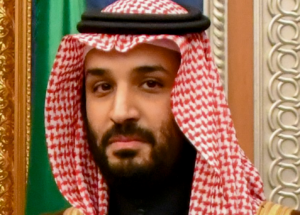
The official Saudi denial of a meeting between Crown Prince Muhammad bin Salman and Israeli PM Benjamin Netanyahu proves that the meeting did not produce the result Netanyahu had hoped for. Riyadh does not yet see sufficient reason to make the groundbreaking change of open and normalized relations with Jerusalem.
The Arab states are no longer a single bloc opposing Israel but are divided into two coalitions. One is on Iran’s side; the other is against it. Israel, which in the past was perceived as the problem, has become part of the solution.
For many reasons, the Arab world is not at all interested in giving the Palestinian Arabs a state. The Palestinian Arabs don’t really want one either, because why kill the “refugee” goose that lays the golden eggs?
Considering Saudi Arabia’s concern over Iran’s ascendancy, Israel is presented with a unique opportunity to dictate terms of engagement to the kingdom. Israel should be reticent in its overtures.
Europe, reeling from successive waves of refugees and migrants, desperately needs the end of the Syrian civil war, which for the first time seems in the offing. But the emerging peace will only increase the emigration.

The Islamic State has started a fashion trend among Middle East jihadists; beheading is rapidly becoming the murder method of choice.
To date, all the Bedouins’ legal land ownership claims that reached the courts have failed.
Western countries ignore the rights of Iranians to live in freedom like the citizens of the West.
What is the cause of the Shi'ite-Sunni conflict?
Lately, the pro-Western coalition has begun to crumble, and two key countries - Saudi Arabia and Egypt - are searching for a new political crutch.
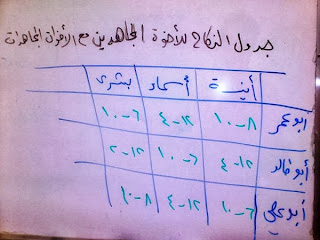
This past month several dozens of jihad organizations operating in Syria came to the conclusion that the disagreements among them harm their fighting cause and strengthen Asad.
Netanyahu's Bar Ilan Speech was not an attempt to emulate Obama by spreading false hope of an agreement with the Iranians.
Israel has not really convinced the world that Iran is a danger.
Al-Jazeera again appears to be promoting Islamic violence these days, in Egypt and in Israel.
Today's anti-democratic glue is apparently better than the glue of Slavic identity that formed the "Warsaw Pact" because it is a world view and a cultural perspective.
If chemical weapons had not been used, Damascus would have been overcome by the rebels.
General al-Sisi and is not about to give in to American pressure regarding the Muslim Brotherhood.
Post-Mursi Egypt accuses Hamas of responsibility for the terrorist chaos in Sinai, and not without good cause.
In Lebanon there is a rare opportunity to cut off a significant part of one of the most important arms of the Iranian octopus, which comprises Syria and Hezbollah.
It took the Europeans more than thirty years to understand that the Hizb'Allah organization, founded in 1982, is a terror organization. Good Morning, Europe!
The State Department and the White House fear Islamic terror more than anything else.
The target of the car bomb attack was the Center for Islamist Cooperation, the operational center for many of Hezbollah's offshoot organizations.
The crowds in the streets of Egypt will increase during the month of Ramadan, which begins on July 9, and religious sensitivities will be heightened as well.
Egypt is like a car with ninety million problems, and to describe it as a 'total loss' is to understate the situation.
Throughout all of history, did an Emir, Sultan Caliph or Arab or Islamic King rule in Jerusalem even for one day?
When the borders of a state are breached, its existence as a state is undermined.

Democracy does not have to allow jihad to be waged against it, even if this jihad uses means that appear to be legal.
The civil servants at Israel's foreign ministry seem to believe it is their job to shape government policy rather than to be faithful to it.
If the world does not wake up in time to see the danger, Syria will be only the first domino to fall.
Visits of Western leaders complicate old problems and create new ones, and moreover, the chances that these visits will yield a positive effect or result in a real solution to any problem, is quite low.
Arabs outside of Israel envy Arab citizens of Israel, labeling them "Arab al-Zibda," or "whipped cream Arabs."
Iran is waiting for the United States to flee from Afghanistan in order to take control of it and its resources.
Political correctness is what dictates conduct in the highest echelons of leadership in the United States.
The crisis in Port Said has exposed deep problems in Egypt's political system.
In Washington there are deep differences of opinion as to how to address the growing jihadi influence in Africa.
An Israel that has a strong character and is confident of itself and the justice of its cause, might stop behaving like a dishrag.
The Palestinian youth sees what has happened in the Arab world and despite the suffering, has the feeling of "yes, we can," even if it requires blood.
Two years after the beginning of the upheaval in the Arab world, the picture does not arouse too much optimism.
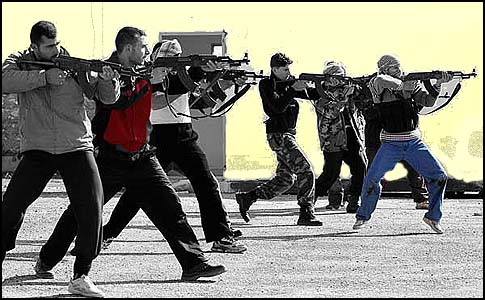
In the arid, forsaken and violent area that we live in, if you beg for peace you get a kick in the behind and thrown out of the arena.
The constitution, as important as it may be, is not a cure for the genetic illnesses of the states of the Middle East.
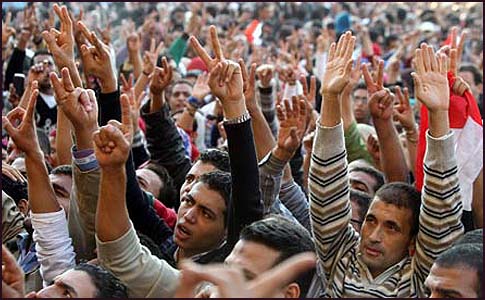
Egypt seems today like a rickety cart that strong, immense horses are pulling in different directions.
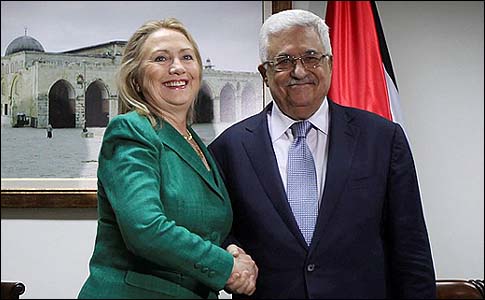
Muhammad As’ad Bayoudh al-Tamimi is a Palestinian columnist living in Jordan. In the past he has often clearly expressed the opinions of the man on the Arab street. Following the interview that Muhammad Abbas gave to Channel 2 (aired on Nov. 2, 2012), in which he gave up the right to return to live in […]
Saddam fell, the evil regime that he established fell with him and the people of Iraq could finally breathe freely.
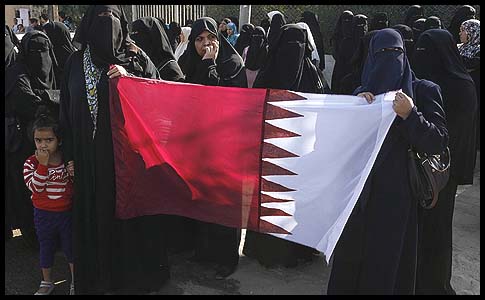
The visit of the Emir of Qatar to the Gaza Strip is certainly an important landmark on the course that the Hamas movement has been advancing since it took over the Strip in June of 2007. Hamas is trying its utmost to establish the independence of the Gaza Strip, vis à vis the PLO, the Palestinian Authority, Israel, Egypt, the Arab world and everyplace else as well.
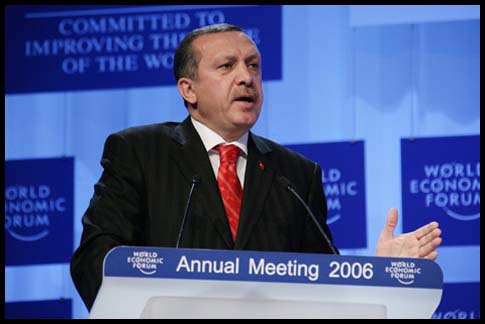
Recently, on this stage we have dealt with the increasing tension between the Sunnis and the Shi'ites in the Middle East. The coalitions, which are hostile to each other, reflect this inter-ethnic tension: on one side is the Shi'ite coalition that comprises Iran, Iraq and Hizb'Allah, which support the bloody, Shi'a-aligned Alawite regime, and on the other side is the Sunni coalition whose members are Turkey, Saudi Arabia and Qatar, as well as a few other countries who offer background support, principally Jordan and Egypt. The war of Gog the Shi'ite against Magog the Sunni has been in progress since March 2011 on the soil of Assyria, modern Syria. Today we will focus on the Turkish-Kurdish-Egyptian triangle.
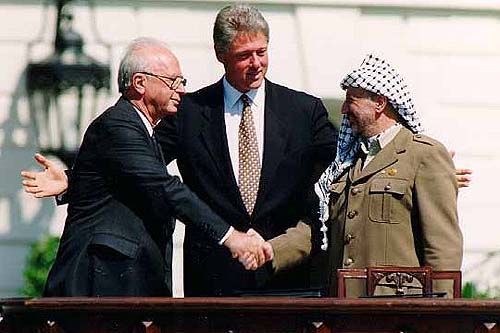
The actual problem is the failure of the Palestinian project to establish one unique "Palestinian people," with a shared national identity, on the basis of which civil systems can be established, like an economy and legitimate self-administration.

Middle East expert Dr. Mordechai Kedar outlines how weak U.S. policy in the Middle East has encouraged more aggressive behavior on the part of radical Islamic groups.

Many of the problems of the Middle Eastern states can be traced to the mistakes of the European state charged with developing them between the World Wars. The fierceness with which the Alawite minority - led by Bashir al Assad - will fight to retain control can be explained by their fear of Sunni Muslims. Way back in 1936, Assad's grandfather, Suleiman Assad warned France, which was then the power in charge of Syria, of the dangers of a Sunni Muslim takeover of Syria in 1936. He also spoke warmly about Jewish accomplishments in then Palestine and the injustice of Arab-Muslim violence towards Zionism.
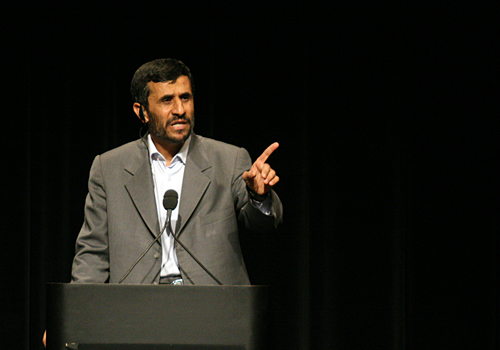
The Shi'a ethnic-religious tradition of pretending to be Sunni in order to avoid violent attack, even death, has resulted in a culture of deception which continues today, especially in Iran. This is reflected in Iran's dealings with the International Atomic Energy Agency and the West regarding its nuclear program and more recently when it hosted the Non-Aligned Movement conference in its capital. At the conference, Egyptian President Mohammed Morsi - a Sunni - attacked Iran's ally Bashir al-Assad and his regime for slaughtering its own citizens in Syria as well as Assad’s unnamed supporters, i.e. Iran. Iran purposefully mistranslated the speech in Farsi to make it seem that Morsi was talking about Bahrain, not Syria.
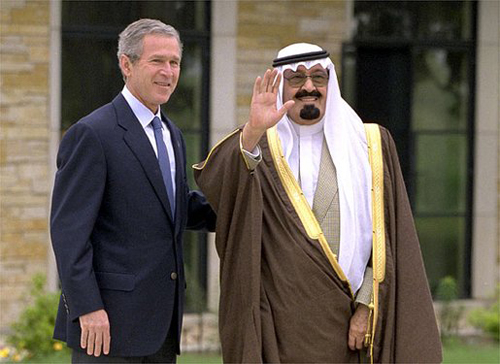
A more important and stronger phenomenon than Islamization is the escape of the factional genie from the bottle in which it was confined while dictators controlled the region.recognized the "factional genie" well , whether in the Shi'ite version or the Sunni version. The dictators took every means at their disposal, principally torture chambers, in order to deal with the factional jihadism which has no boundaries of law or ethics. Today, dictators are taken down one by one, and jihadism is flourishing.

Dr. Mordechai Kedar on the visit of a recent Israeli delegation to Turkey and why Israelis faithful to their religion and not the disciples of Left may be Israel's best chance at improving relations with its neighbors.
Many Israelis do not know the rules of the game of the Middle East: the more we show enthusiasm for something, the higher its price rises, and the opposite holds true as well: the less interest we express in something, the lower the demanded price will be. If we announce day and night that we want peace with our enemies or to obtain the release of a kidnapped soldier who is in their hands - the price for the peace or the soldier will be more than we can pay.

The circumstances that were created after the murder of the Egyptian soldiers and the failure of the terror act against Israel proves the truth of the saying: "Success has many fathers, but failure is an orphan." We can only imagine how great would be the cries of joy in Gaza if 18 Israeli soldiers had been killed, heaven forbid, instead of Egyptians.
The "Christian West" is perceived by traditional Islam as responsible for all of the ills of the region: the establishment of the State of Israel, its arming and its reinforcement, are perceived as a "Western" project and therefore also as a "Christian plot" and "modern crusade."
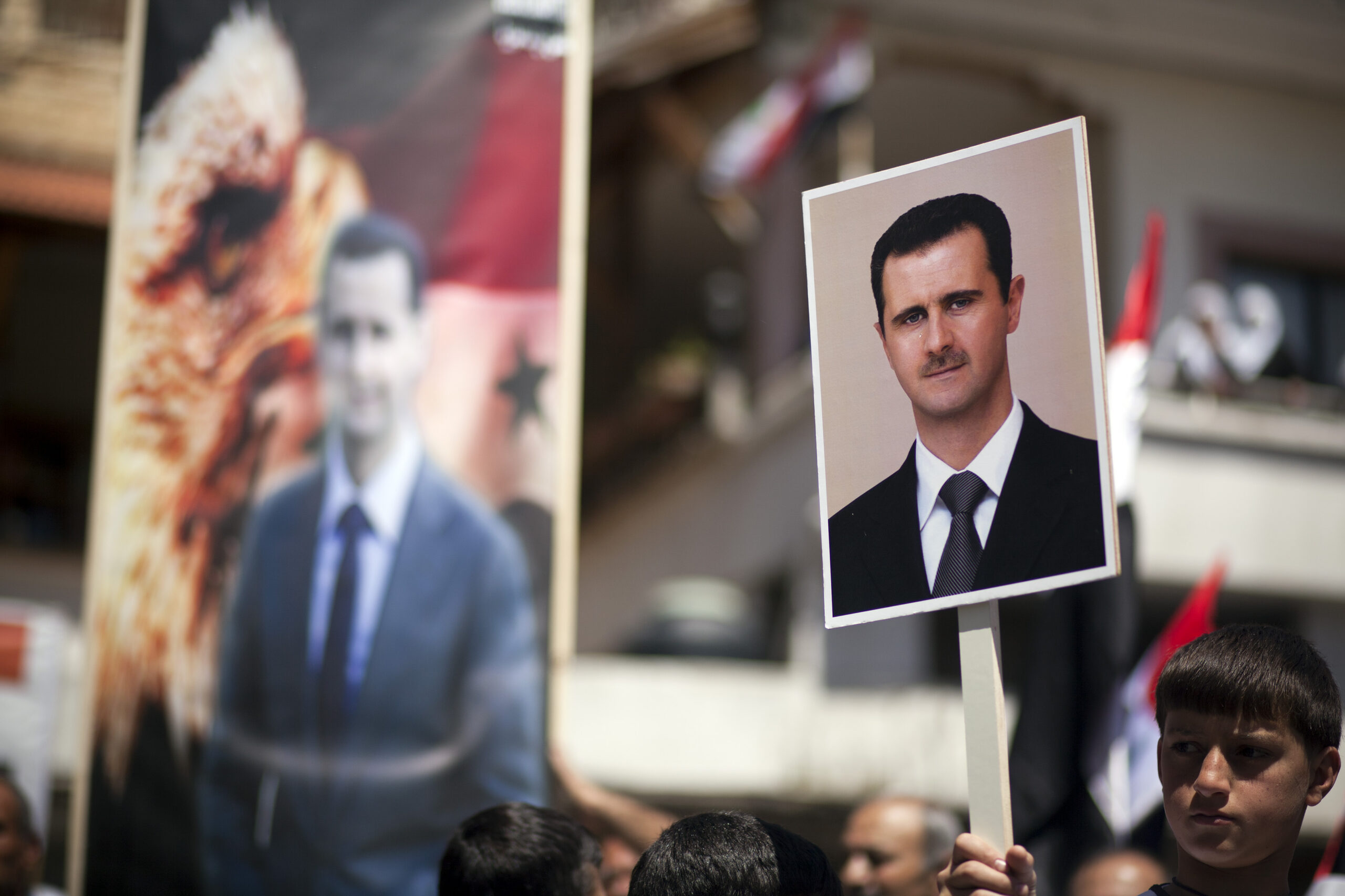
The situation in Syria is deteriorating quickly, and the state is literally disintegrating. The cracks in the government are widening; ambassadors, generals and soldiers are deserting, some branches of the Ba'ath party are announcing their secession from the regime, the Russian advisers are fleeing for their lives and the feeling that the end is near is taking hold more and more. Not the end of Asad, but of Syria. Not the regime, but the system.
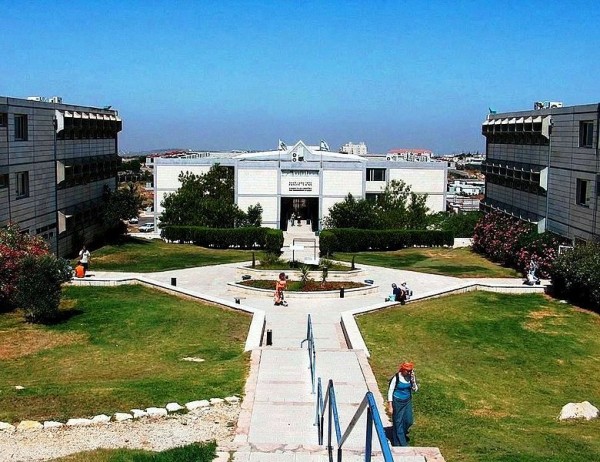
All of the universities in Israel are political, and moreover, all of the colleges, yeshivas, hospitals, prisons, factories, homes, roads, trees - everything that we have established, built, and planted in Israel - everything, but everything, is political. The whole Zionist enterprise is a political project because it is the political and nationalistic manifestation of the desire of the Jewish people to return to its land and to renew within it its national life, its independence and its sovereignty.
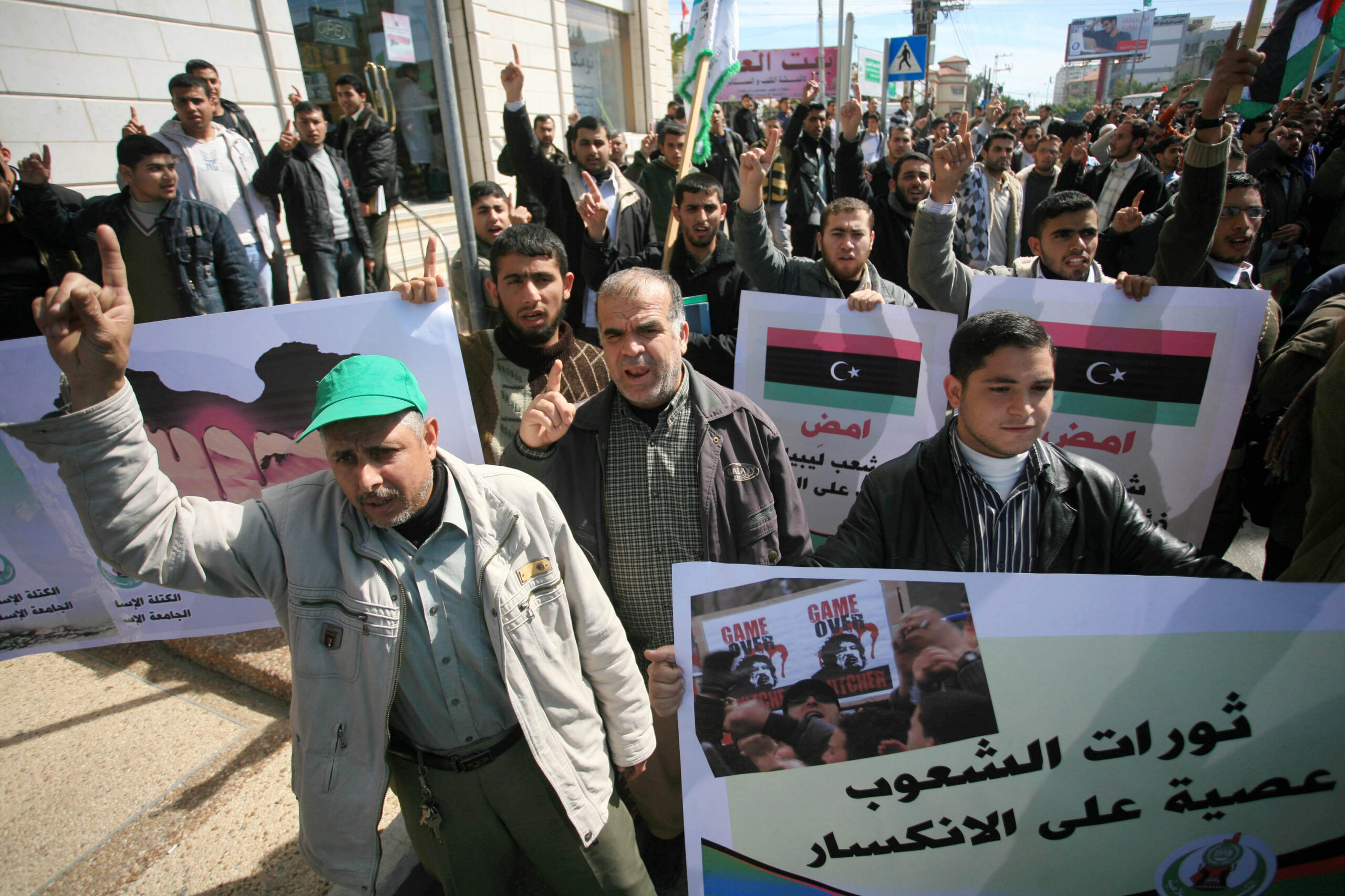
Since Qadhaffi was overthrown a year ago, conflicts have broken out between the tribes and the main ethnic groups in Libya, Arabs and Berbers, and it was clear that the new political framework, in order to be an acceptable and legitimate system, must consider the social, tribal structure of the population and not try to fight it.

Jordan has managed until now to remain untouched by these problems, and King Abdullah II knew how to navigate matters of the kingdom in a way that the waves of the revolution washing over the rest of the Arab world did not yet wash over his kingdom. But in the past few weeks - mainly since the victory of the Muslim Brotherhood in Egypt, Tunisia, and Morocco - a different sort of problem is now becoming apparent: the problem of radical political Islam.
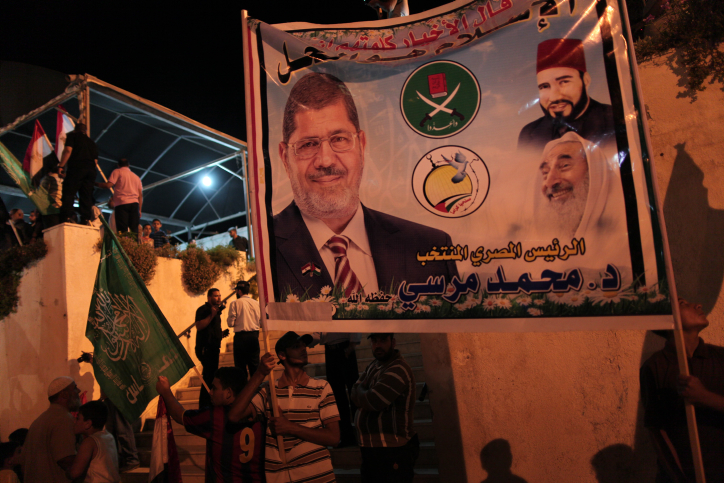
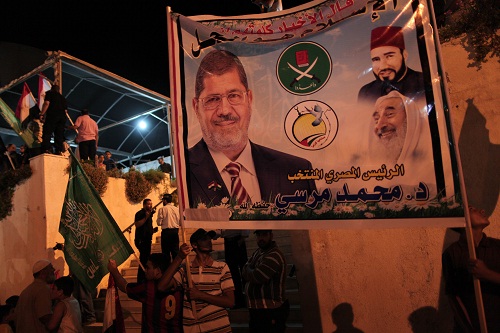
The slogan of the Muslim Brotherhood is "God is our objective, the Qur'an is our law, the prophet is our leader, jihad is our way and death in the name of Allah is our supreme aspiration." Their symbol expresses this ideology well: the color green represents Paradise, two swords in the center express the two avowals of Islam - there is no god but Allah, and Muhammad is his messenger - and one word, which appears in the Qur'an just once: "Wa-aidu" - "and prepare."

In light of the situation in which the kingdom must stand up to external challenges - principally an Iranian threat to the territorial integrity of Saudi Arabia - it is not clear whether the population of the kingdom will indeed lend strong support to the leadership of the ruling family.

After all of these crimes carried out by the regime that you head, life in Syria will never return to the way it was in the past. It cannot be that the storms of emotion will be calmed as if nothing ever happened. Mr. President, the time has come for you to understand the bitter truth, and so you must pack your suitcases.

Politicians and European public figures, who have no desire to open the wounds of the past and stand in front of the mirror of history that will reveal their great wealth from Africa and their ethical nakedness, searched out a scapegoat, onto whom it would be possible to place all of the sins of their colonialism. Together with Arabs -themselves descendants of slave traders- they found the sacrificial victim: Israel
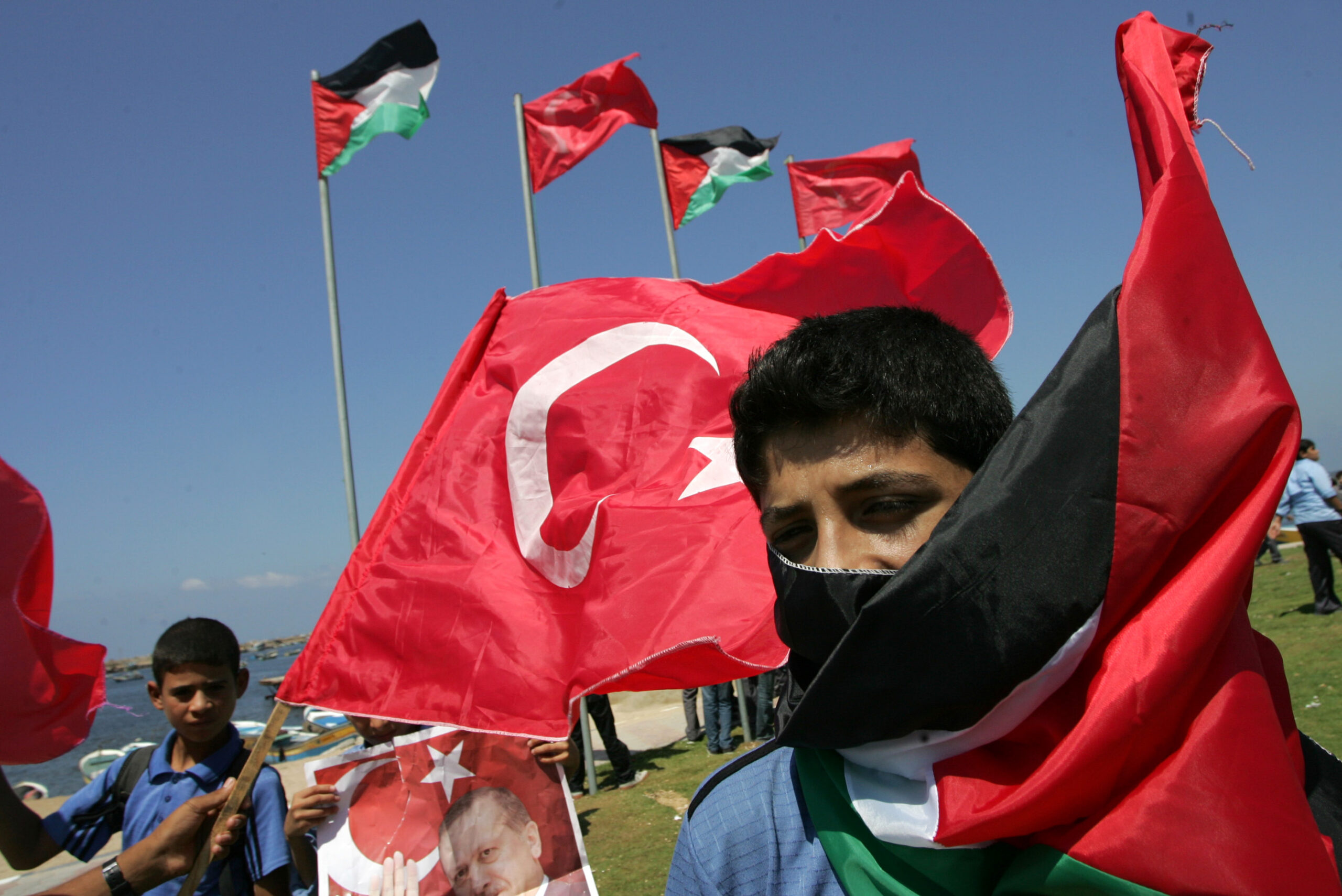
Turkey, no doubt, is an important regional power, and Israel must weigh its steps carefully when dealing with it, because of the changes that are occurring in the region and in light of the unsolved difficulties with Turkey – the flotilla two years ago and the gas in the future.
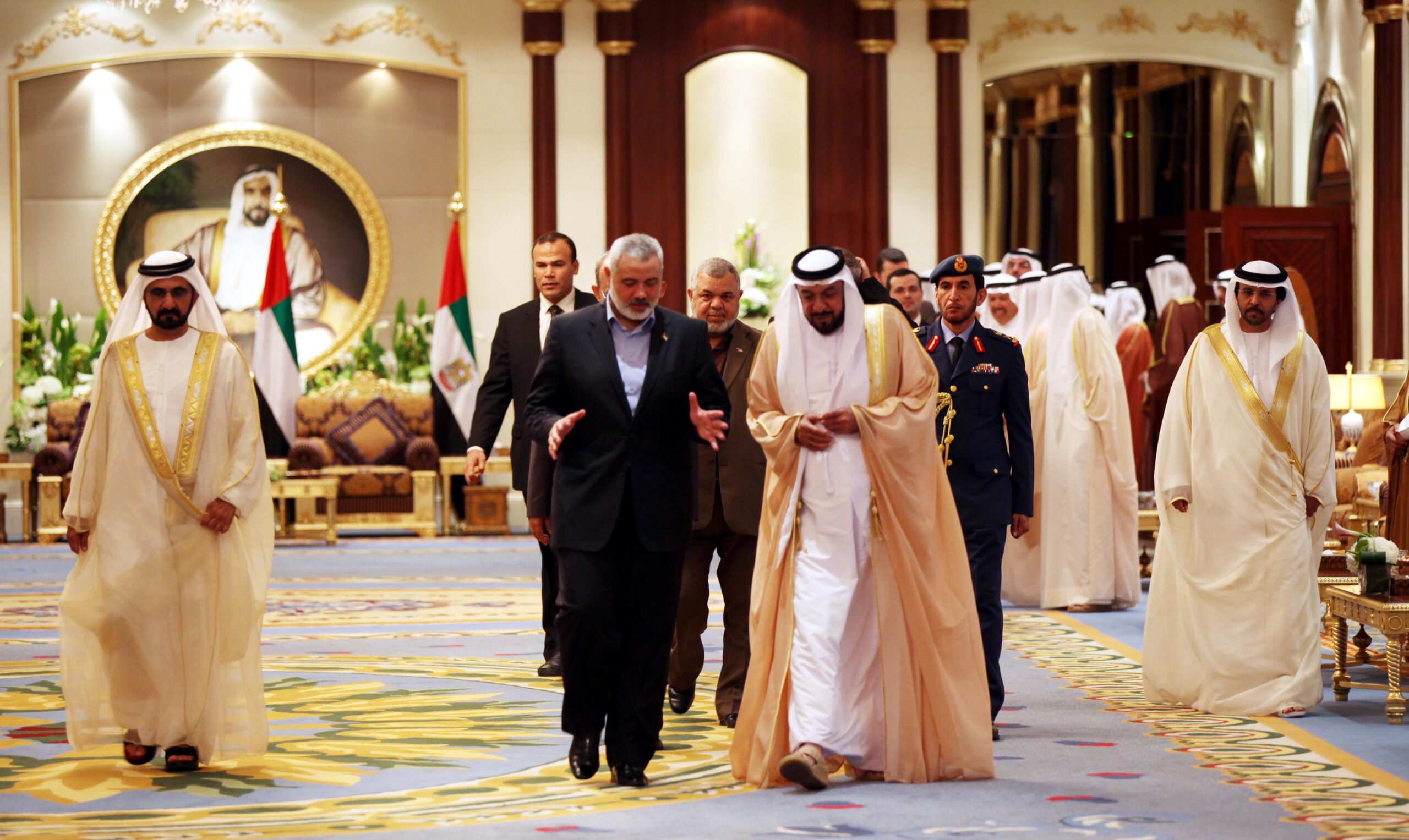
The states of the Arabian Peninsula feel increasingly dependent on the US and the West to safeguard their independence and their political and economic maneuverability, but the West seems tired and exhausted, and its leadership - especially the current resident in the White House, who is heavily influenced by the approaching elections - lacks backbone and has no ability to stop the Iranians from galloping towards regional hegemony.

From the tragedy of Tripoli and Lebanon we can draw several conclusions: in the Middle East it is not possible to establish a state with an Arab society and Western political characteristics; Iranian involvement - even the economic and cultural – will ultimately undermine Western cultural and political influence in the Middle East; and whoever legitimizes jihad against Israel receives terror in his own streets in return.
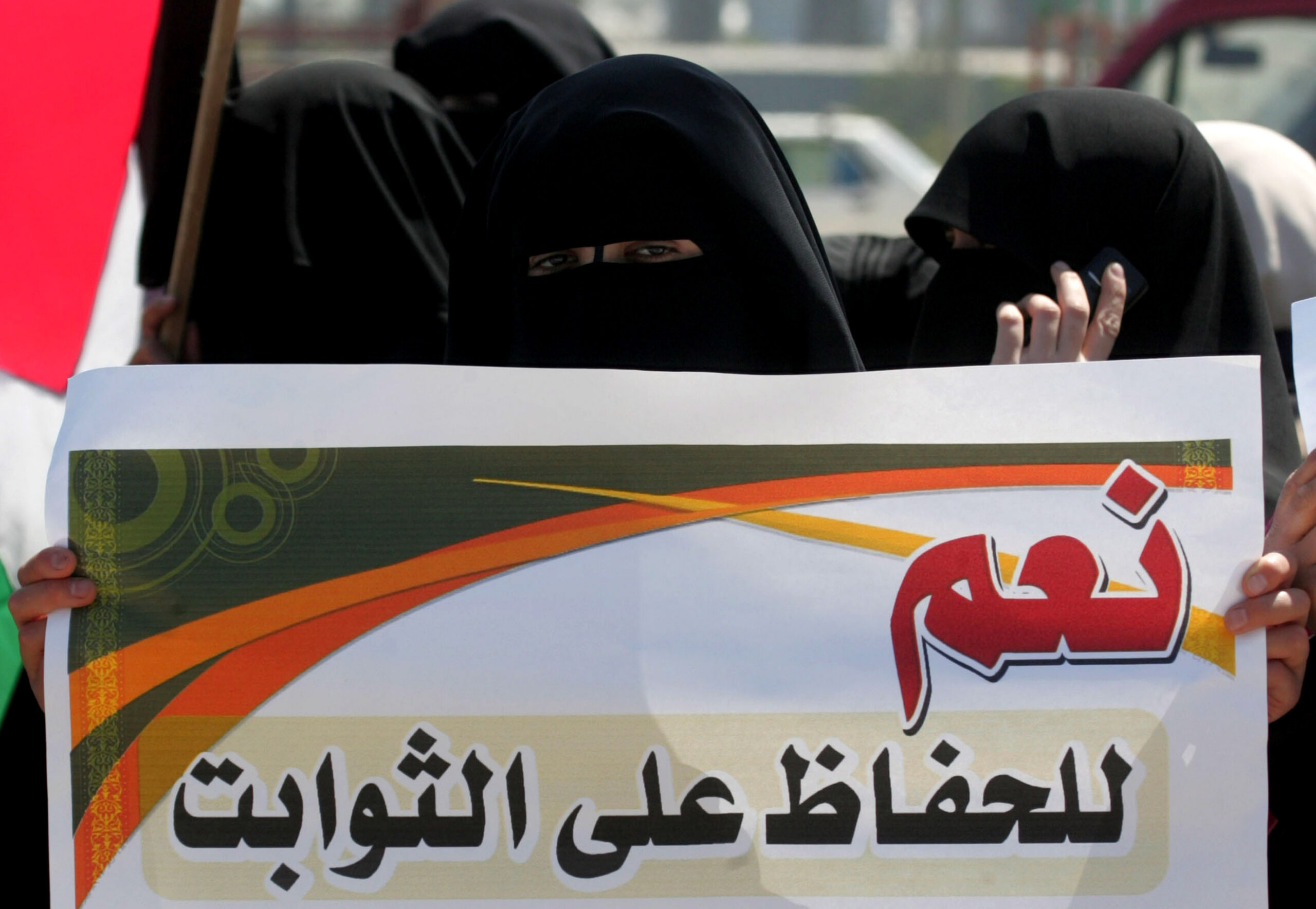
Egyptian intellectual Tariq Hagi speaks frankly and openly about the many deep flaws that exist in Arab cultures. His message is different from that of most Arab spokesmen, because most Arab spokesmen strive to cover up the flaws in their societies, to conceal them and repress them - mainly because of the shame and the feeling of inferiority that these flaws arouse in them.
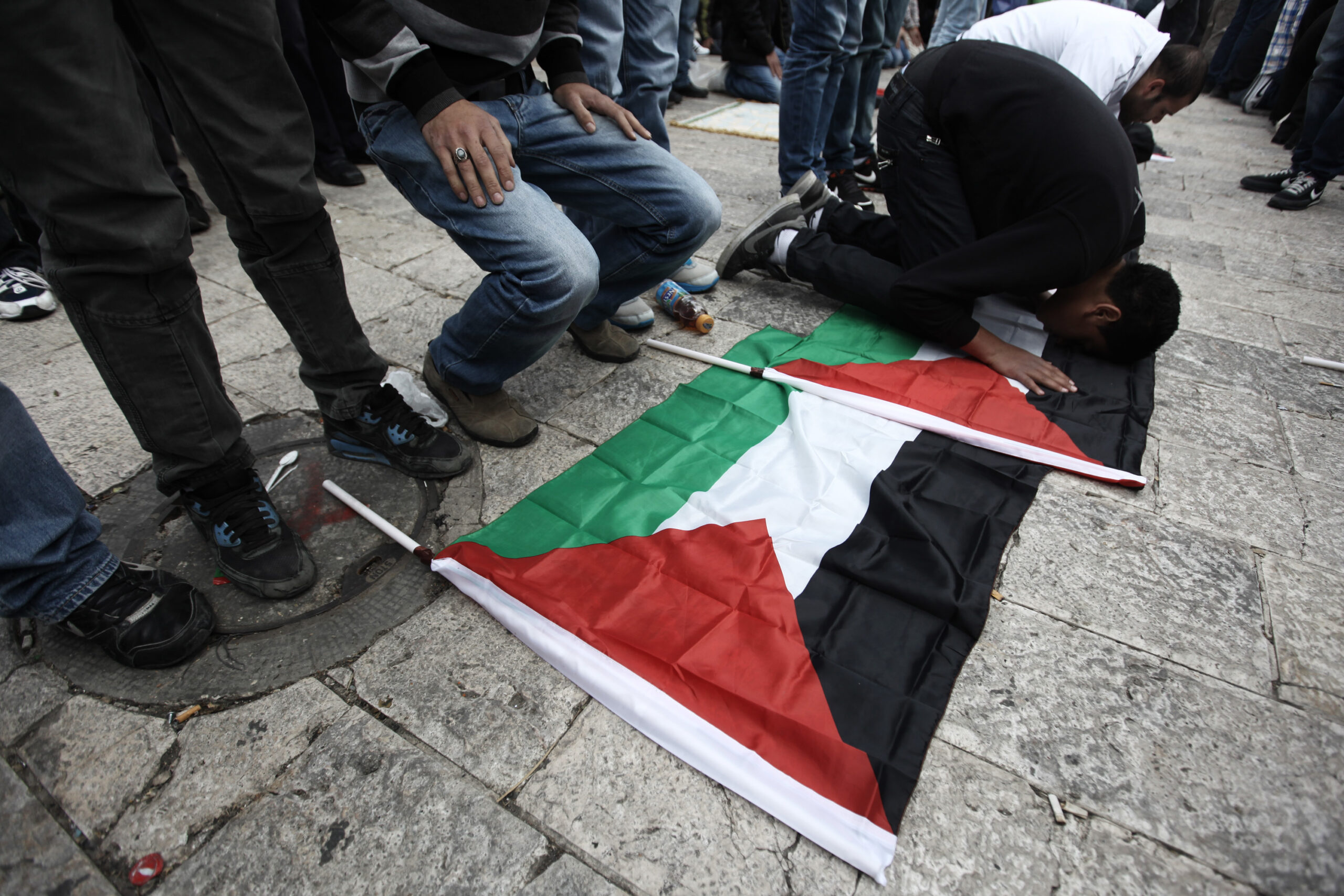
There exists in the world, and even in Israel here and there, the desperate notion that if only the Palestinians can get their state, they will accept Israel's legitimacy and respect its right to exist in peace and security. But no one is willing to address the question: What will the world do when the Palestinian state, with territorial contiguity in Judea and Samaria, turns into a Hamas state?
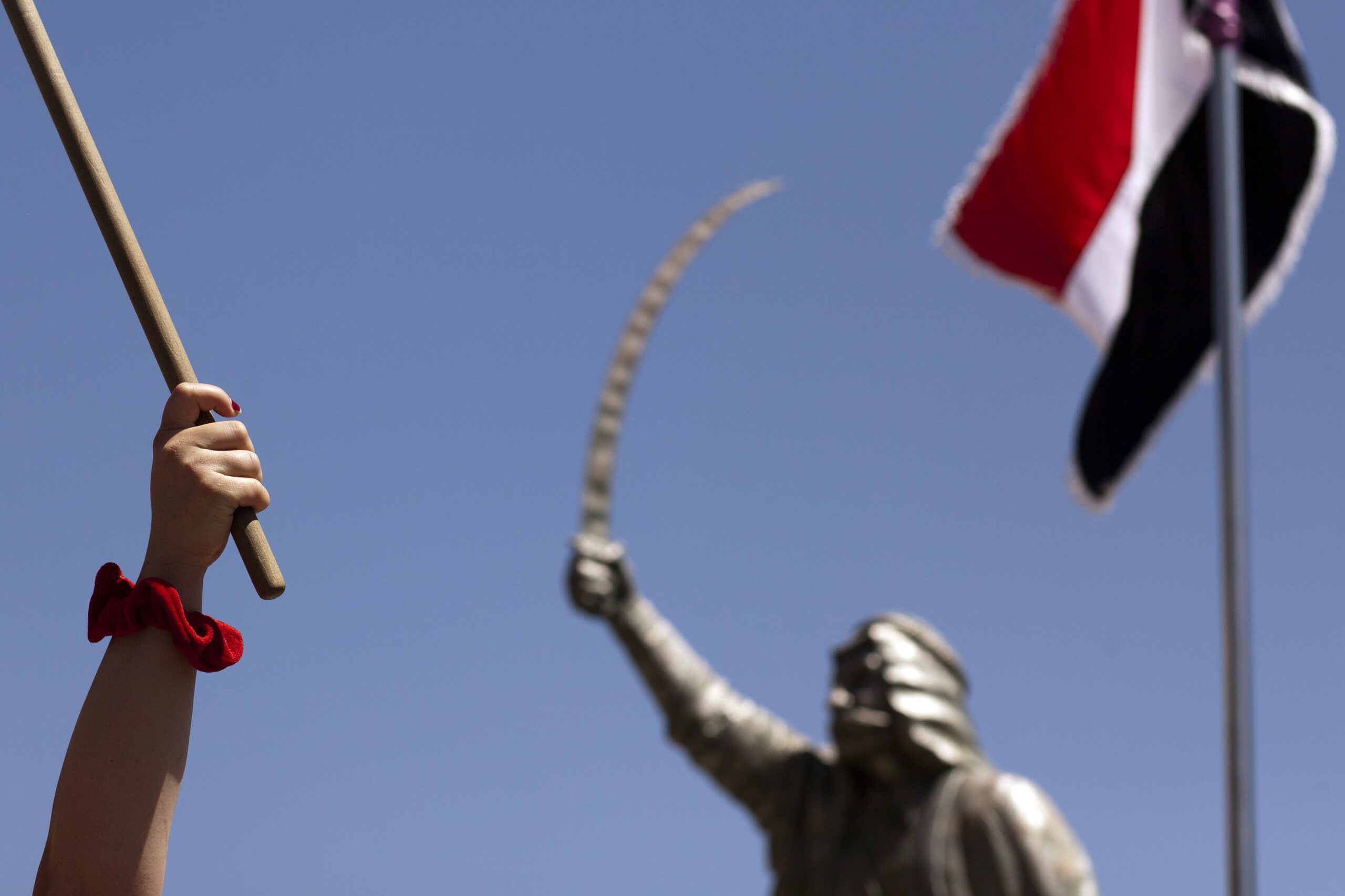
Whoever wants to bring Iran down must support those rebelling against Asad. The leaders in Turkey, Saudi Arabia, Qatar, and Jordan understand this, and their support for the rebels may save them and the Gulf from the Iranian octopus. The question is how much time will it take for the sleeping Europeans and the dreamers in the White House to understand the complicated Middle East reality, and when will they begin to take action in order to bring Iran down?

Palestinian spokesmen have it easy: they just have to blame Israel for their failure. It's convenient and it provides an explanation that the West will buy, because the West doesn't have a deep understanding of the problems of the Middle East. The truth of the matter is, there never was a chance for the Palestinian Authority to succeed, because of the innate problems that stem from the nature of the political culture of the Middle East. We will focus on a few of them.
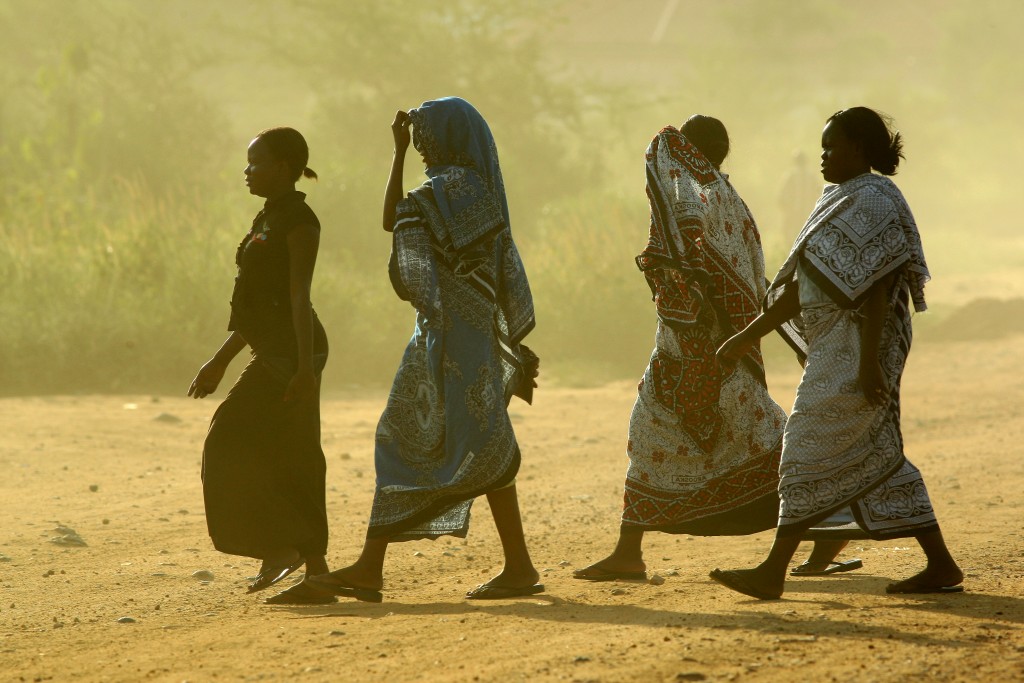
The population of Africa is involved in a series of disputes with a tribal background, where the Islamist and ethnic components play an important, and sometimes critical, role. Saudi Arabian money, Wahhabi propaganda, the presence of terror organizations, and wide distribution of weapons do not contribute to a calming of tensions between the various demographics in Africa.
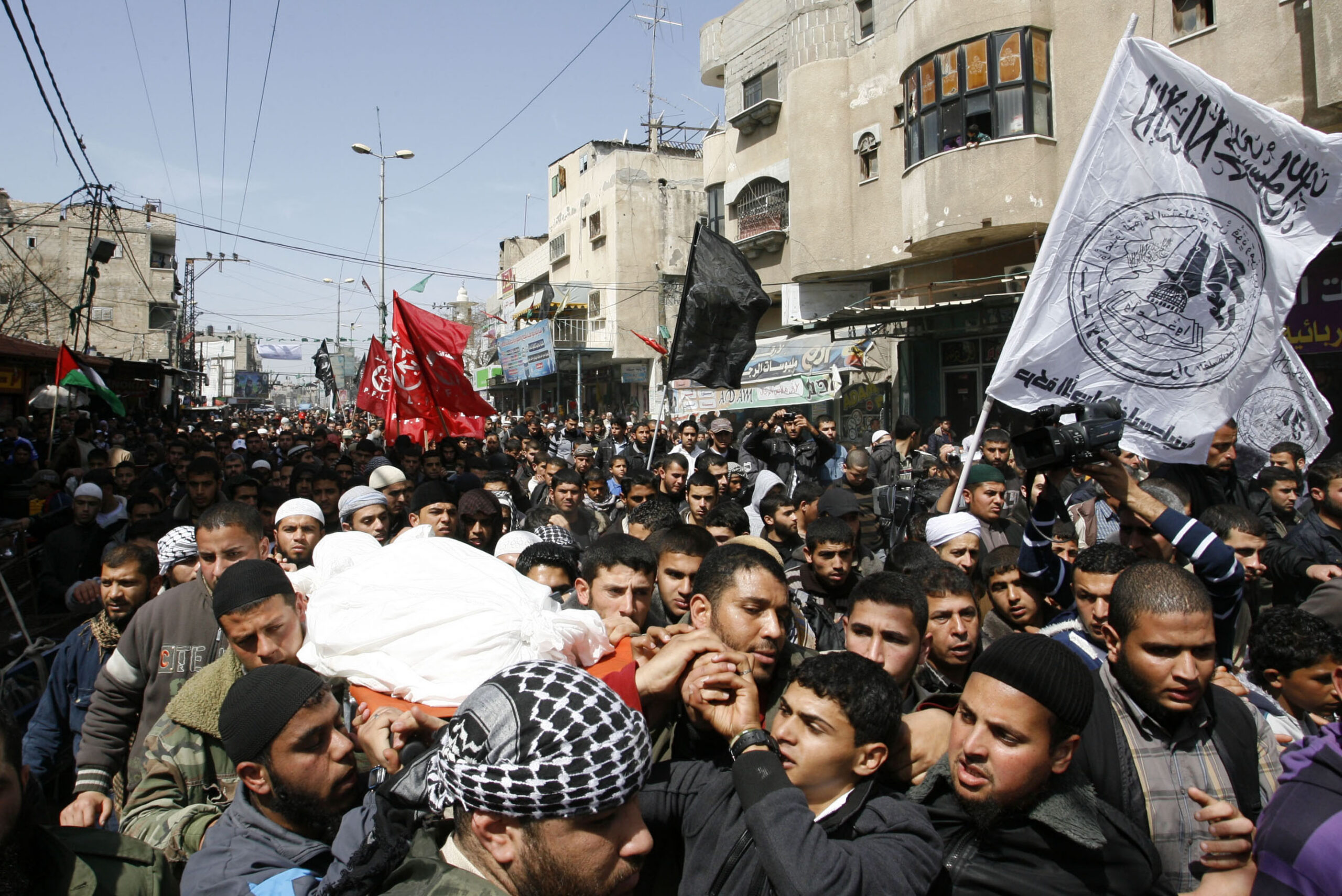
The Gaza Strip is no different from the rest of the Arab world, so tribal culture is alive and kicking there. Ever since the Hamas movement took control of Gaza trip in 2007, it has transformed itself from a gang of jihadists into a ruling government, a standard Arab state. The minor movements - Islamic Jihad, and the Popular Resistance Committeess - function like tribes, challenging the authority of the state. Today, these groups are doing to Hamas what Hamas did to the PLO twenty years ago when it was in power.

Since its establishment, the Kingdom of Jordan has suffered from a split personality between two identities, the Jordanian and the Palestinian, that are intertwined like a pair of Siamese twins who hate one another, but cannot part from each other. The source of the problem is the fact that most of the citizens of the Hashemite Jordanian monarchy define themselves as "Palestinians", but their state is "Jordanian". So how should they relate to it - as their country or as a foreign interloper?
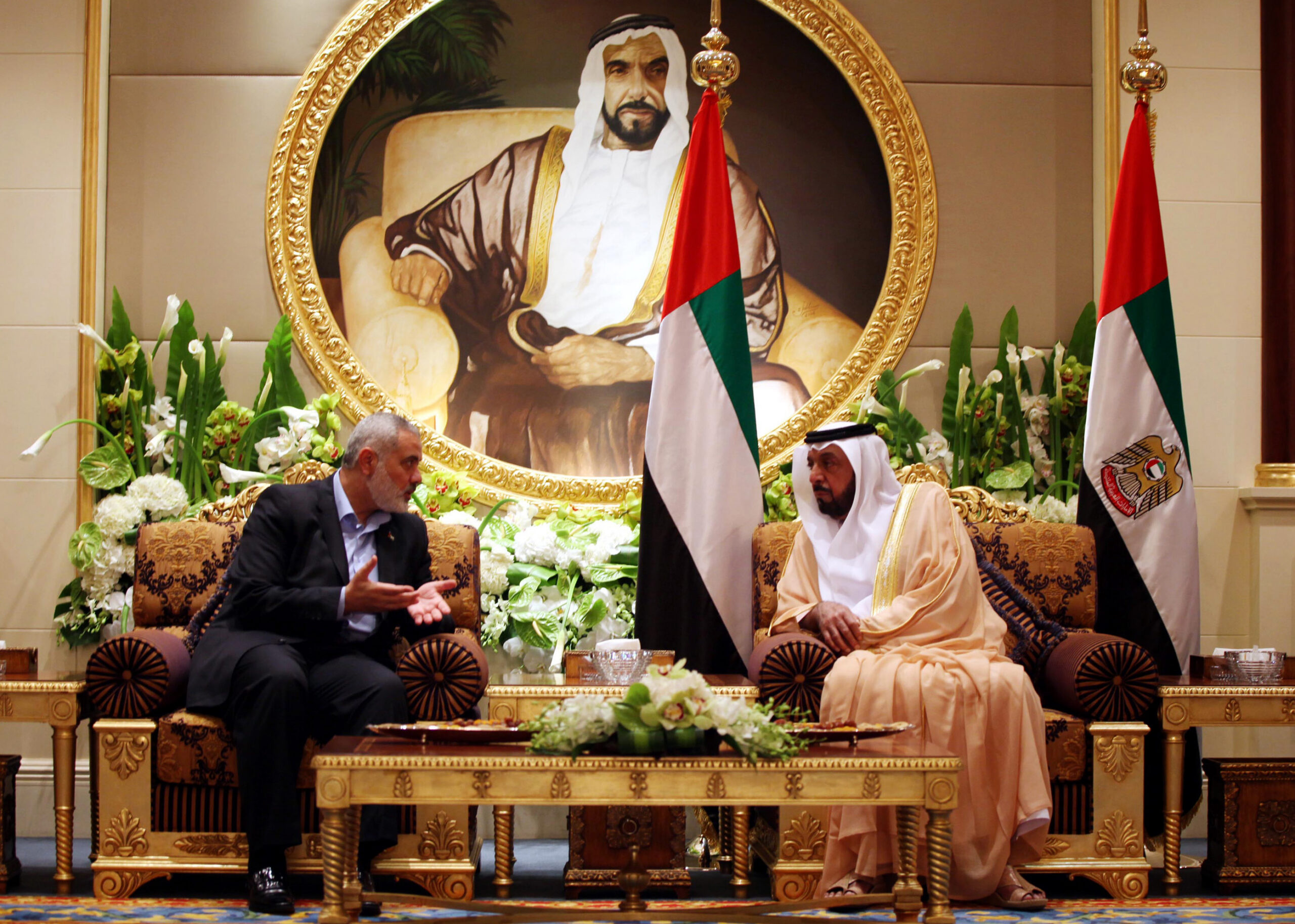
Any real and workable solution to the Israeli-Arab conflict must be based upon this sociological fact: tribalism and loyalty to traditional religious and sectarian frameworks are the prevailing cultural and political framework of the Middle East.

What will Syria look like the day after Bashar al-Assad's downfall?

Egypt's prosecution of pro-democracy NGOs reflects unresolved suspicions and hostilities towards the West and democracy.
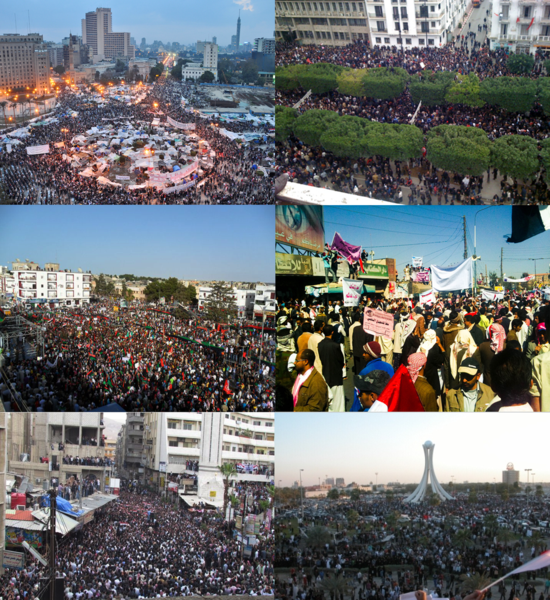
This year six Arab countries experienced severe shocks that brought about the fall of some rulers or serious threat to their rule. The process began at the end of 2010, and continues until today.
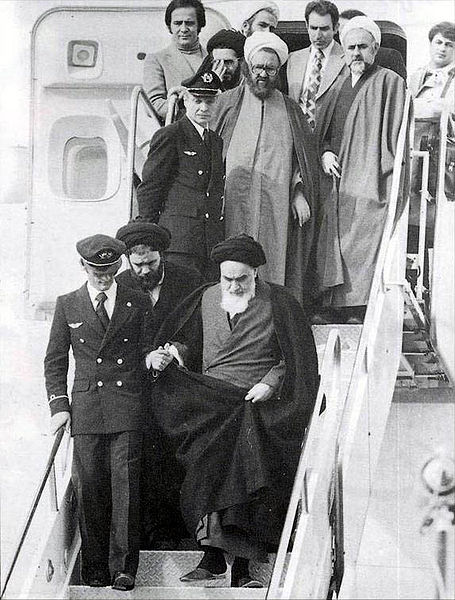
The Islamic Revolution in Iran has failed to achieve its goals, whether in the domestic, regional or global sphere. Their last chance for salvation is the nuclear project, which still wins support from China and Russia.
 October 16, 2026