יום רביעי, ט״ז תמוז תשפ״וWednesday, July 1, 2026



Follow Us


By J. E. Dyer
It could not have happened at all if Britain weren’t already pretty far gone.
By J. E. Dyer
This is the second time reports have surfaced that Israel hit Syria's Scientific Studies and Research Center.
By J. E. Dyer
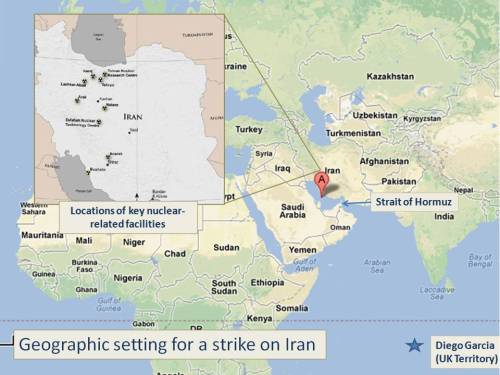
Ghe Iran nuclear problem is not one that can be dealt with via a small, pinpoint strike, in a matter of only minutes on target.
By J. E. Dyer
It is not obvious that any group or type of person in particular mounted this one, nor can any be ruled out.
By J. E. Dyer
Slinging force around, with press notices, is not what a strong president does.
By J. E. Dyer
Based on the Associated Press's definition, whom exactly can a reporter call an Islamist?
By J. E. Dyer
Now is a good time for the EU to take stock and recognize that the entire Cyprus problem, like the Greece problem, was created by the actions of government.
By J. E. Dyer
Nukes aren’t something you wave around like a drunk brandishing a knife.
By J. E. Dyer
At least Russia and China are probably as mystified as we are about where Obama is going with his missile defense policy.
By J. E. Dyer
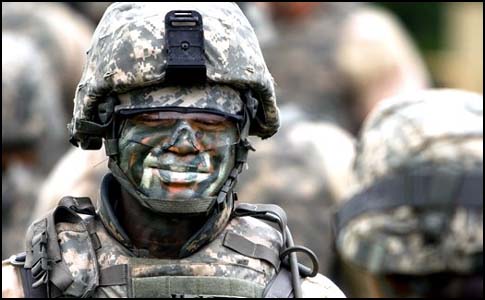
It is unconscionable of Obama to handle the sequestration threat the way he has - crippling our ability to readily strike Iran.
By J. E. Dyer
There is a foreign-policy aspect of 'perception benefits' Obama hopes to garner from a photo-op tour of Israel.
By J. E. Dyer
To advance our objectives in the War on Terror there was and will be nothing to justify the extra-judicial, standoff-distance execution of a US citizen.
By J. E. Dyer
Chuck Hagel writes his own narrative, in which threats aren’t really threats and policies that actually work are just horrible.

By J. E. Dyer
Connecticut has some of the tightest restrictions in the country and Mrs. Lanza was in full compliance with them.

By J. E. Dyer
At least we can probably count on the Muslims Brotherhood to refrain from making bunny-snuff videos.

By J. E. Dyer
One of the key lessons from a career in Naval Intelligence is that if you can imagine it, someone is trying to do it.
By J. E. Dyer
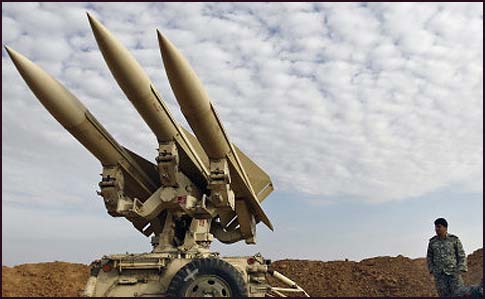
Missile tests popping up all over Asia should be seen in this light. Everyone’s arming up, starting with Russia
By J. E. Dyer
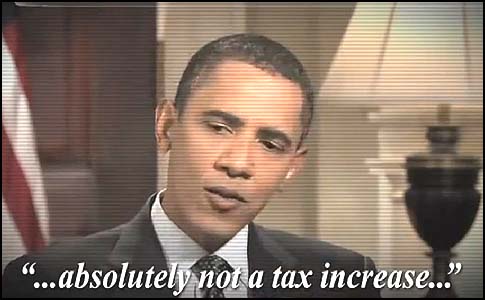
Many readers are no doubt aware of the millions in taxpayer dollars that the Obama administration has contracted out to PR firms for the purpose of hawking Obamacare to a reluctant public.
By J. E. Dyer
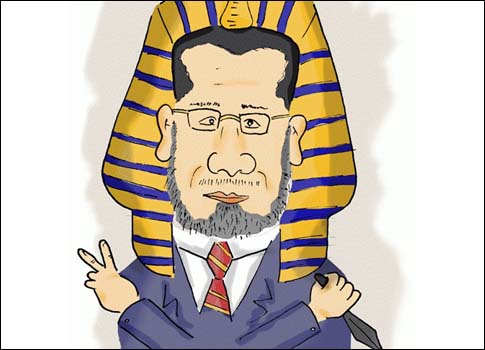
Morsi has assumed dictatorial powers in Egypt. Courageous Egyptians are protesting that move, but Morsi has less compunction than Mubarak did, and we can expect the protests to be dealt with effectively. Those of us who said Morsi was an Islamist extremist who would quickly reestablish authoritarianism in Egypt – with a sharia flavor – were right. There’s a new Pharaoh in town.

By J. E. Dyer
Why are we sending an amphibious readiness group (ARG) with a Marine expeditionary unit (MEU) embarked to sit off the Levantine coast? U.S. officials say it’s to be prepared for any eventuality, including the need to evacuate American citizens, as the conflict between Hamas and Israel heats up.

By J. E. Dyer
No summary of today’s events would be complete without mentioning the backstory on the IDF’s operation name.

By J. E. Dyer
Attacks from Gaza on Israel have ramped up significantly in the last several days. An Israeli patrol was hit by what was thought to be a roadside bomb on Tuesday (three were wounded), near the border fence with Gaza. On Saturday, terrorists in Gaza fired an anti-tank missile at an Israeli jeep with four infantrymen in it, as the patrol operated in the area of the roadside bomb attack. The four soldiers were wounded, one severely. More than 80 rockets have been launched from Gaza into Israel since the attack on the jeep on Saturday, 10 November. At least three Israeli civilians were injured in the rocket attacks. Geography is beginning to rear its head again, as Israel has also sustained incursions into the Golan from Syria in recent days.
By J. E. Dyer
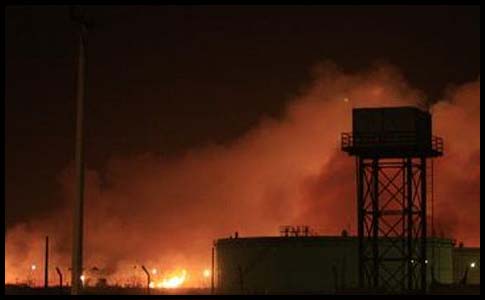
In the early dawn of 24 October, an arms factory in Sudan was attacked in the Yarmouk Industrial Complex approximately 6 miles south of central Khartoum. Video of the exploding building makes it clear that it was an arms factory, with an extended series of powerful secondary explosions characteristic of ammunition dumps. A Sudanese official claims that four Israeli aircraft conducted a strike on the factory.
By J. E. Dyer
Romney sees the Navy as a core element of our enduring strategic posture. For national defense and for the protection of trade, the United States has from the beginning sought to operate in freedom on the seas, and, where necessary, to exercise control of them. We are a maritime nation, with extremely long, shipping-friendly coastlines in the temperate zone and an unprecedented control of the world’s most traveled oceans, the Atlantic and Pacific.
By J. E. Dyer
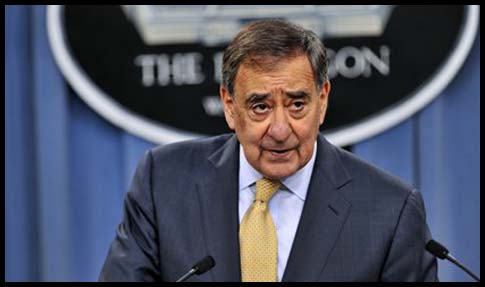
The news keeps getting worse. The Washington Free Beacon reports today that Defense Secretary Leon Panetta has “blocked” four senior military officers from answering questions on the Benghazi attack posed by Congressman Howard “Buck” McKeon (R-CA), chairman of the House Armed Services Committee (HASC).
By J. E. Dyer
We’ve reached a watershed here, where we either live in our own heads affirming reality, regardless of spurious inputs from demagoguery or sentiment, or we give up on reality and let demagoguery and sentiment take over at the decision table. Did the president pull off a performance last night, in terms of sounding passionate and full of conviction? To some extent, yes. Does that mean he won the debate, or even achieved a draw with Romney? No.
By J. E. Dyer
The short answer is: because he’s got nothing. There is no record to run on, no argument to make for four more years. The ideology that drives him is outdated and bankrupt. He has, in fact, implemented his policies – Republicans have had little means of stopping him – and those policies are the problem. But there’s a slightly longer answer too.
By J. E. Dyer
Instead of sticking with our commitment to a new Libya, one in which Americans have friendship and influence – one in which we can walk free, and so can Libyans – we have closed our post in Benghazi and drawn down our embassy staff in Tripoli to “essential” personnel only. It will be of some interest to see how long it takes al Qaeda or other terrorist savages to attack us in Tripoli.

By J. E. Dyer
The year 1984, by Gregorian reckoning, came and went, and Americans seemed to have dodged the Nineteen-Eighty-Four bullet. We weren’t being interned for reeducation by a Ministry of Love. Although conservative, constitutionalist, limited-government ideas came under relentless attack in the mainstream media and the academy, those who expressed the ideas remained free to do so. (They in fact became freer with the lifting under Reagan of the genuinely Orwellian-named “Fairness Doctrine.”) In 2012, the atmosphere has changed.

By J. E. Dyer
There has been a tremendous growth in vague, elliptical, and/or tendentious narration of what’s going on in the nation and the world. The people can be pardoned for being tired and confused.
By J. E. Dyer
The U.S. is being made to look weak in Egypt, and is actually acting weak with allies and foes alike.

By J. E. Dyer
Dinesh D’Souza’s film, 2016: Obama’s America, is very good at putting the viewer in the milieu of Jakarta or Nairobi, which continue to feel “different” enough to engage the American viewer’s sense of distance and wonder. Conveying the difference of Barack Obama’s childhood and his idea of cultural roots – the difference from American life – is the movie’s most effective accomplishment.
By J. E. Dyer
Iran’s relative situation has deteriorated. To regain a sense of leadership and invulnerability – as well as to vindicate Shia Islam over the recent Sunni triumphs in the region – Iran needs a big strategic win. She needs a trump card over the emerging Sunni centers of gravity in Cairo and Ankara.

By J. E. Dyer
Prosperity has met its match. Regulation will kill prosperity by stealth unless we the people wake up to what’s going on. We are wildly, insanely overregulated today, and if we don’t attack the idea of the regulatory state on those terms – on the premise that regulation itself is mostly a bad thing, and we need far less of it than we have – then we will never recover.
By J. E. Dyer
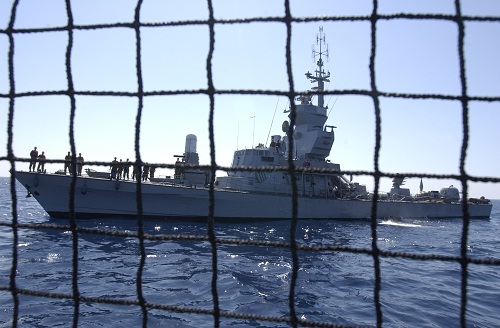
India has just conducted an unprecedented four-day port visit in Haifa, during which Indian sailors roamed Israel as American sailors have for many years, and joint ceremonies were held with the local population. A naval visit to Israel is a big political signal; India would not be sending it lightly.

By J. E. Dyer
Watching the ceremony last night, I had a profound sense of sadness for the hollow revelry. There was no dignified memorializing of the greatness, uniqueness, and courage of Britain’s past. There was “irreverent, idiosyncratic” entertainment, and a very long segment of writhing self-abasement before the shibboleth of socialized medicine.
By J. E. Dyer
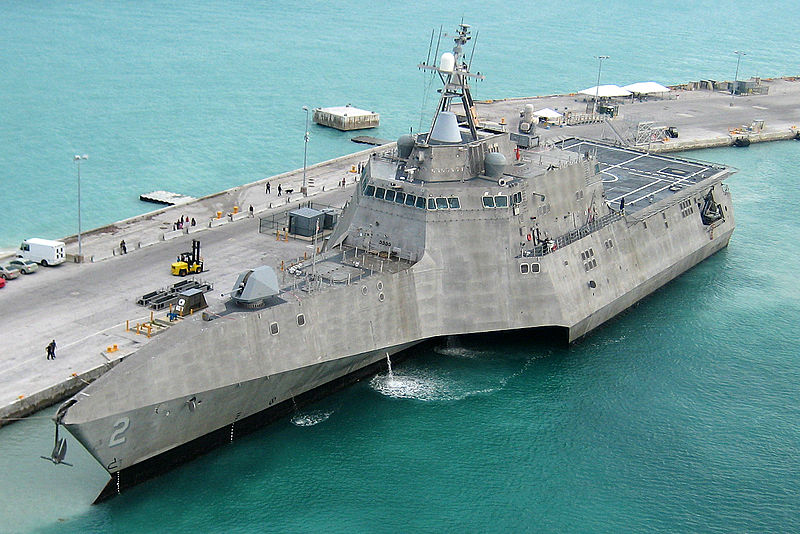
How should an American president use the military in an intimidating, persuasive manner, to induce Iran to give up her nuclear-weapons purpose? Very little has been discussed on this topic in the forums of punditry; virtually all treatments focus on the feasibility or proper method of a military attack campaign. Is there an “intimidation option,” short of a shooting war? And if so, what would it look like?

By J. E. Dyer
The period of the Obama tenure, and now the 2012 election, are forcing Americans to reconsider, in a way I’m not sure we have for a good 200 years, what the vote means, and what politics means to our lives. Since 1792, the sense has gradually crept upon us that when we elect a president, we are electing our collective future. That sense took a giant leap forward with the FDR presidency, and frankly, it took another one when Reagan entered office.

By J. E. Dyer
The Tumultus Post-Americanus is now well underway. There is no initiative on our collective part – we have done nothing but react in the last three years – and possibly even less appreciation of how the world is changing. The forms of international discourse – the processes of the UN, the G-8 and G-20, the IMF – are being adhered to now because they are a convenience, not because they produce anything useful.

By J. E. Dyer
We must not let our concept of the purpose and character of a tax be corrupted, precisely because taxing us is a power accorded Congress in the Constitution. The definition of “tax” is, in fact, the most important limit on what Congress can do with its power to tax. In the wake of the Obamacare ruling, defining “tax” is defending our liberty – or, from the opposite perspective, attacking it.
By J. E. Dyer
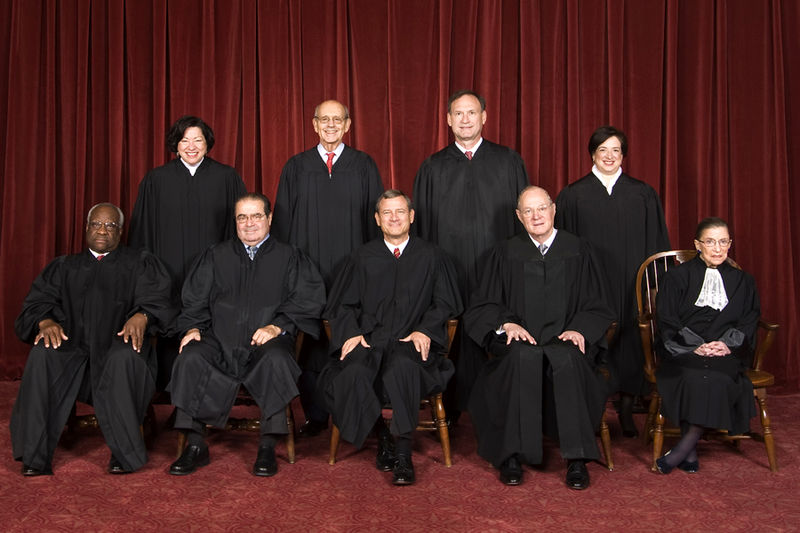
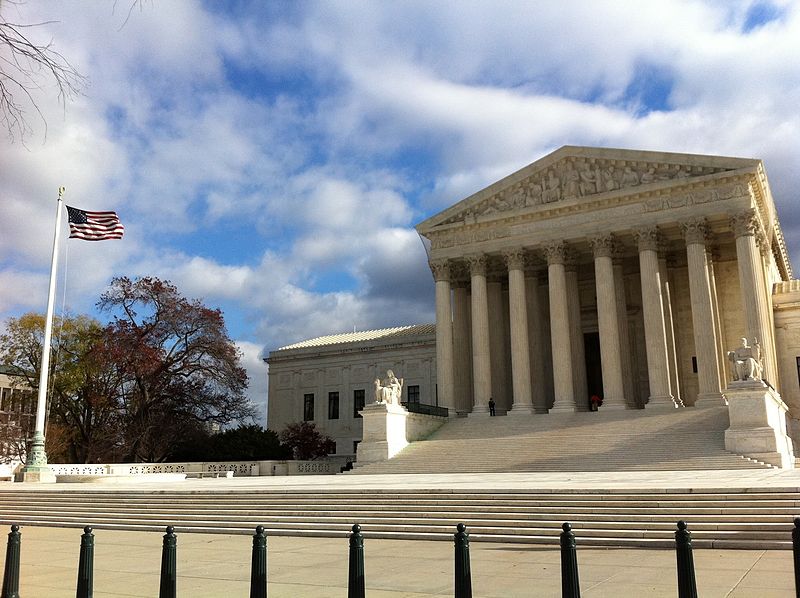
Understand this: it doesn’t matter if ObamaCare is repealed next year. Repeat as necessary until understood. The SCOTUS ruling is on the books. Congress can make you buy anything, as long as it fines you if you don’t. The concept of constitutional limits on the power of government has been effectively removed from our guiding idea of law and jurisprudence.
By J. E. Dyer
This is what a tax now looks like? This is an open invitation to “tax” via whatever mandate sounds good to you. What sort of unequal-before-the-law mandate would not fit this definition of a tax? Congress can do anything it wants, by the logic of this decision, with the judicial precedent set that levying mandates equals using the power to tax.

By J. E. Dyer
Ever since the case of the offensive ceramic pigs in 1998, the British have been assiduously refining their methods for dealing with offenses to Islam.

By J. E. Dyer
Ideological statism is not a mere cultural alternative, it is absolutely evil. Reagan had no doubt of what was right and wrong in this regard: “It would be cultural condescension, or worse, to say that any people prefer dictatorship to democracy.” But Reagan’s refusal to gloss over evil never produced discouraging rhetoric. It was always accompanied by a hard-nosed optimism about what was good in the Western culture of freedom and restraints on the state.
By J. E. Dyer
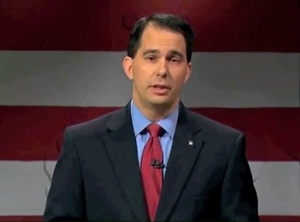
For many people, especially younger ones, ideas about which government rules and “services” we can happily do without will be new and startling. But it is possible to slip the surly bonds of the Regulated Man construct and envision a better future. Wisconsin has taken an important step toward that future. Walker’s Wisconsin is what “Forward” looks like.

By J. E. Dyer
The holiday from history is over, although we may be the last ones to see it. Neither Russia nor Iran – nor China, North Korea, or Syria, for that matter – is very interested in signing anything with the West right now. Good deals based on the old assumptions aren’t as tempting when better ones seem to lie just over the horizon.
By J. E. Dyer
For the United States, issuing attack threats in the manner of Hugo Chavez is not a convincing posture. I don’t know if the Israelis will find it reassuring; I suspect the Europeans and Iranians will find it annoying, and decide to ignore it.

By J. E. Dyer
If a civic or political group, meeting publicly, is not willing to have its activities and statements recorded truthfully by critics, its purpose is suspect. There can be no good purpose for preventing third parties – i.e., the whole of society, whether friendly or critical – from seeing what is said and done at a public event sponsored by the Palestine Society.

By J. E. Dyer
When Romney speaks of the US auto industry recovering, he is speaking in the language of big, dirigiste government, accepting at face value the short-term effect of a bailout process that has served mainly to perpetuate unprofitable but politically entrenched conditions. It guarantees that more subsidies will be needed down the road.
By J. E. Dyer
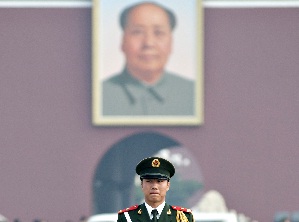
The whole world knows the peril Chen and his family are in. The right approach here is not to seek a “solution” that gets the governments of China and the US off the hook; it’s to stand by Chen and demand that he be treated with the respect for his rights as understood in the Helsinki Accords. While China is not a signatory to the Accords, their standard for freedom, travel and emigration, and reunification of families is the touchstone to be invoked in this instance.

By J. E. Dyer
President Barack Obama's recent self-congratulatory comments on the killing of Osama bin Laden must be viewed against the backdrop of past presidents, and how they related to the role of the military.

By J. E. Dyer
President Obama recently unveiled the Atrocities Prevention Board, and appointed Samantha Power as its head; the same Samantha Power that has called Israel a "major human rights abuser." This is only one of the many troubling aspects of this new initiative.

By J. E. Dyer
A solution in which the Syrian people are empowered to operate more freely in a true multi-party government, under the aegis of multinational protection against both Iran and the Muslim Brotherhood, would be the most desirable, achievable outcome. It is not possible to broker this outcome while ignoring Russia.

By J. E. Dyer
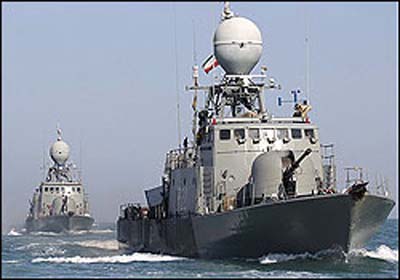
Iran is making full use of strategic ambiguity on the high seas to advance its interests and dictate outcomes. Unless each new measure is directly challenged, strategic ambiguity would be a lot more fun for Iran than for the rest of us.
By J. E. Dyer
Did Iran's warships actually visit Syria this past week as was widely reported, or did was that Iranian disinformation?

By J. E. Dyer
The only way to secure a positive outcome in Syria is to use US power, under US strategic direction, to do it. This has never necessarily meant military intervention, but it does necessarily mean acting with purpose and determination, rather than throwing random reconnaissance assets into the fray while handing the political problem over lock, stock, and barrel to the Arab League and the UN.

By J. E. Dyer
Robert Mackey at New York Times’ The Lede has a Friday post entitled “Crisis in Syria Looks Very Different on Satellite Channels Owned by Russia and Iran.” Well, no kidding. It’s nice to see NYT catching up with the rest of the infosphere. But it’s not just in Russian and Iranian media that the crisis […]
 June 26, 2026