יום רביעי, ג׳ חשוון תשפ״זWednesday, October 14, 2026



Follow Us


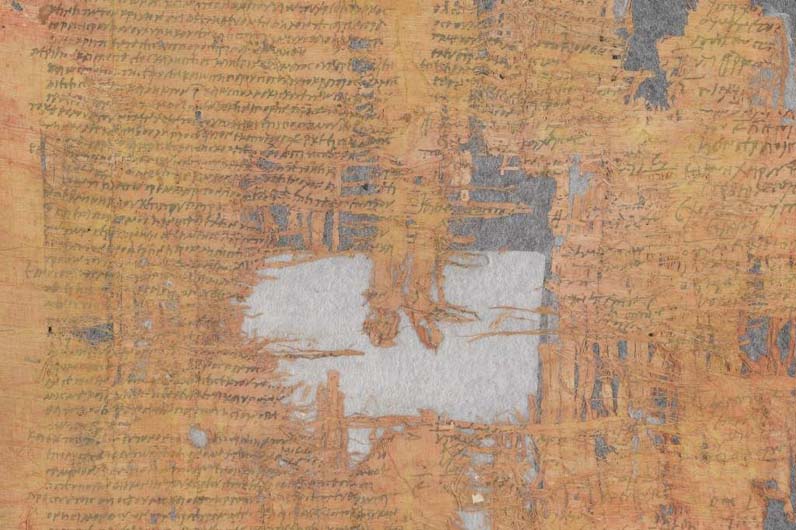
“Whether they were directly involved in rebellion is still an open question, but the implications of their case cannot be ignored.”

Four people were arrested while trying to break into an underground space at the Horbat Binit archaeological site in the Lower Galilee over the weekend.

The family, from Hod Hasharon, was hiking near the Tel Qana archaeological site.
The incident took place at Kherbet Umm A-Ros, an archaeological site located in the Judean Lowlands of central Israel.
By Jewish News Syndicate (JNS)
The Jewish grave marker dating to the 13th century is the oldest found in the South Asian country.
By Israel Hayom
"The seal supports the biblical record of there being a governor of Jerusalem during the period."

"Only the fixed Jewish presence of a farm or town will prevent further damage or destruction," activist group says.
“The main goal of the Palestinian Authority is forcing [people] to forget the heritage."
“2,000 years later, we are privileged to continue the work of our ancestors here and widen the road from the Binyamin communities to Jerusalem.”
Among the Jewish heritage sites near biblical Jericho are the Hasmonean Winter Palaces, King Herod’s Third Palace, a Byzantine-era synagogue dating back to the 6th or 7th Century CE, ritual baths, and nearby burial caves used by priests of the Second Temple.
Tangible evidence of the destruction of the Second Temple and the devastating events that unfolded in Jerusalem 2,000 years ago has come to light with the discovery of a rare coin in Jerusalem’s City of David National Park. The find was announced by the City of David on Thursday as Jews marked Tisha B’Av, a […]
By Yori Yalon
The words "Holy Jerusalem" are inscribed in ancient Hebrew script on one side of the 2,000-year-old silver coin.
Some crevices contained groups of oil lamps mixed with weapons and pottery vessels from earlier periods or placed with human skulls.
The team hopes their findings will lead to further research and inspire interdisciplinary collaborations to unravel the mysteries surrounding these ancient artworks.
By JNS & JewishPress.com News Desk
The Antiquities Authority loaned the lamps to the White House in 2019 ahead of a Hanukkah party.
By Jewish News Syndicate (JNS)
Hebrew University study shows that the kingdom began expanding south of Jerusalem as early as the 10th century BCE.
The Antiquities Authority confirmed that the figurine represented Hathor, an Egyptian goddess associated with fertility, strength, protection, and wisdom.
The examination shed light on the craftsmanship of the artisans who built them.
Fortunately, the caves, which are among the largest in the area, were not damaged during the recent robbery incidents.
The peer review of the small 3,200-year-old curse tablet discovered at Mount Ebal in Samaria more than two years ago is expected to reignite the debate in the archaeological community over the find.
The government will also prevent illegal construction in the area.
By Hanan Greenwood / Israel Hayom
The Palestinian Authority paved a road and is allowing residential building at El-Unuk, a site from the times of Joshua.
By Jewish News Syndicate (JNS)
The Arabs killed and mutilated all 35 Jews in the 1948 convoy.
Never before seen photos from under the Western Wall.
Impressive gold jewelry found in a burial cave in Jerusalem were worn by young girls as amulets against the Evil Eye 1,800 years ago.
Also seized by the police were 60 cannabis seedlings and four kilos of a drug presumed to be marijuana.
The sherd was left behind from a demonstration on inscriptions for students at Tel Lachish, and wasn't an ancient artifact.
The valley houses the earliest tombs in the most ancient Jewish cemetery in the world, including Zechariah’s Tomb, the Tomb of the Sons of Hezir and Absalom’s Tomb.
By Jewish News Syndicate (JNS)
"Joshua's Altar is a site with historical significance, one of the sole remains dating all the way back to the period when the Children of Israel first settled the Land," said Samaria Regional Council Chairman Yossi Dagan.
The site in Samaria, near Nablus, is identified with that of Joshua’s altar.
Researchers claim cutting-edge digital imaging has ended a decades-old debate within the archaeological community.
This is part of the Palestinian Authority's steps to erase all vestiges of Jewish history from Judea and Samaria.
By Jewish News Syndicate (JNS)
The hoards date back more than 3,600 years—to the Middle Bronze Age—or about 500 years before prior estimates.
By JNS & JewishPress.com News Desk
It's not clear why the artifact should have been given to the Palestinian Authority which has no cultural or historical connection to the object or the region.
By Hanan Greenwood / Israel Hayom
The damage to the 1st Temple Period Jewish archeological site is organized by the Palestinian Authority.
“The finding of the candle may give us a clue as to how far the borders of the ancient site reached. If it weren’t for the children, we wouldn’t know this."
Ethnographic studies reveal that elephant hunting was carried out by a large group of people.
“Unearth the Land of the Bible” is a 10-day tour starting in April 2023, of archaeological digs at heritage and nature sites of the Israel Nature and Parks Authority.
By Aryeh Savir, Tazpit News Agency
“These discoveries are an answer to anyone who doubts the rightness of the way and our presence here and in all of Israel.”
The construction is yet another attempt by the Palestinian Authority (PA) to establish facts on the ground in Area c, the parts of Judea and Samaria under direct Israeli control.
By Aryeh Savir, Tazpit News Agency
The PA is continuing to destroy Tel Aroma, a Hasmonean-era fortress in Samaria which it seized in February 2020 and converted it into “a Palestinian tourist site.”
During the excavation, additional finds were found such as coins, a key that was probably used to open a box, and a wooden game cube.
The Byzantine convent was first excavated twenty years ago and was later covered up to protect it.
By Aryeh Savir, Tazpit News Agency
The arson and vandalism at the site were revealed by a patrol of the Samaria Regional Council and Shomrim Al Hanetzach (Preserving Eternity), a watchdog group dedicated to protecting Israel’s archaeological treasures.
Emperor Antoninus Pius' rule was the most peaceful in Roman history.
A plastered water cistern was uncovered near the same villa.
By Aryeh Savir, Tazpit News Agency
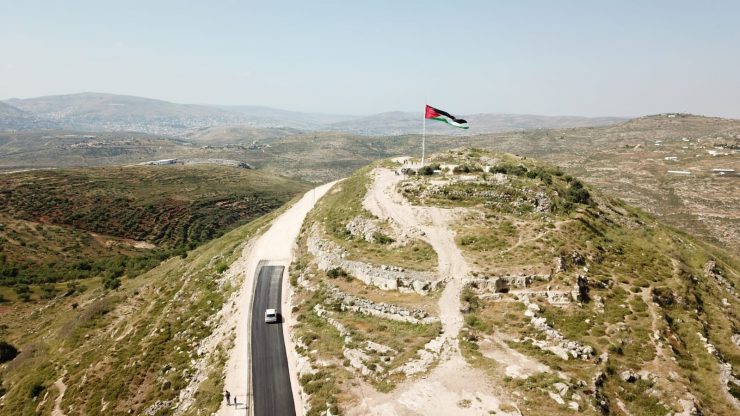
The archaeological site of Sheikh Sha’ala, located in Area A under full PA control in Samaria, has recently been redecorated with a huge mast flying a PLO flag.

The findings shed light on the beginnings of the historical process that took place in the northern Negev with the introduction of Islam.
The researchers were not surprised to discover that the inhabitants of Tel Zaf were the first in the world to intentionally grow olive and fig groves.
The scientists used AI tools to search for molecular signals from the stone tools.
Visitors taking the elevator to the Kotel will be able to see the ancient Jewish ritual bath.
The aqueduct remained the main source of water for Jerusalem until 1917.
“The farmstead was probably abandoned suddenly due to impending danger.”
Where were Herod the Great's royal alabaster bathtubs quarried?
Spices were not the only commodity traded over the ancient “Incense Route” that linked the Arabian Peninsula and the Red Sea to the Mediterranean Sea and ran through the Land of Israel.
Collectors in the prehistoric world recycled old stone tools to preserve the memory of their ancestors.
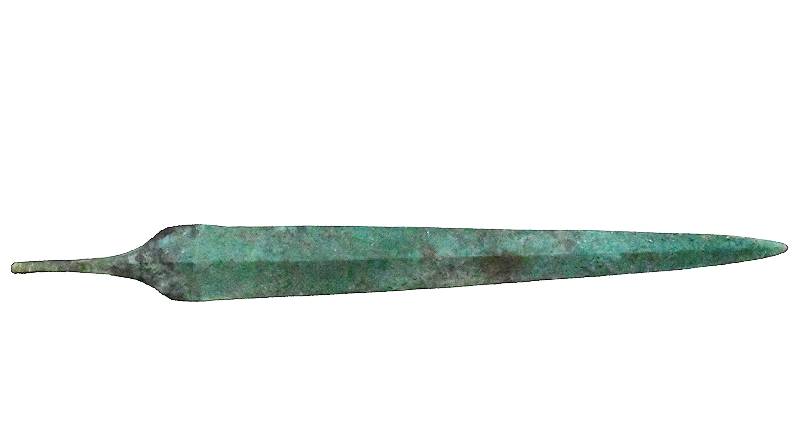
Hundreds of ancient finds, including rare bone and ivory artifacts from the biblical period, were seized.
Officers Itai Dabush and Sagiv Ben Gigi were patrolling the Ashdod beach and ran into the pillar that was sticking out of the dunes.
Lead ingots found along Israel’s coast highlight contacts between Cyprus and Sardinia in the Late Bronze Age.
Police were looking for illegal weapons, instead they found an archaeological treasure trove.
The new study proves the existence of different species of migrating hominins.
Findings indicate that early humans controlled fire and placed their hearth at the optimal location in the cave.
By Aryeh Savir, Tazpit News Agency
An illegal factory in Beit Fajar in Gush Etzion took about two kilometers from a Second Temple period aqueduct and ground it into gravel for construction.
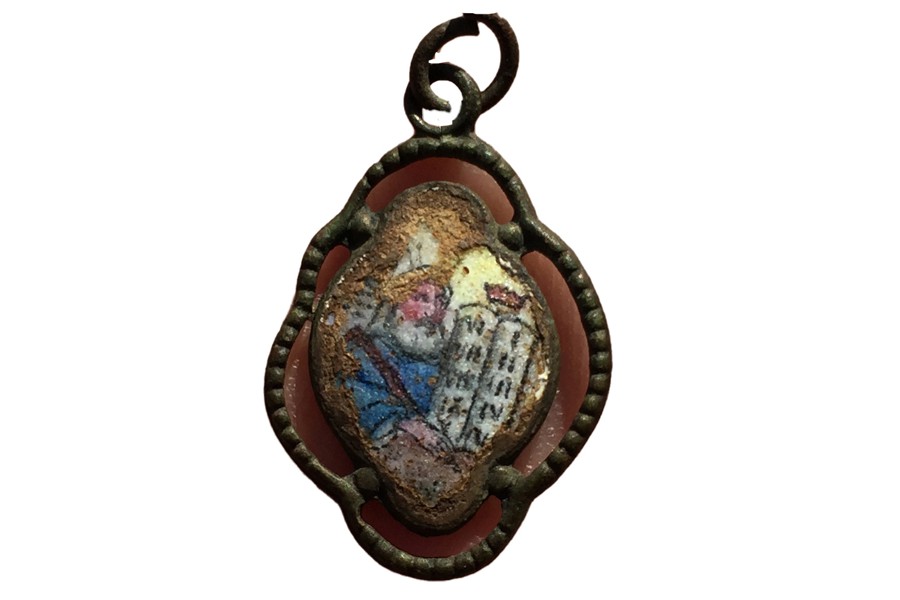
Over the past year, researchers have identified their origin in Eastern Europe: from Lviv in Ukraine, and from Poland and Czechoslovakia.
By Aryeh Savir, Tazpit News Agency
Joshua's altar is the only currently known remnant from the period of the Israelite conquest of Canaan.
By Aryeh Savir, Tazpit News Agency
According to PA officials, identifying the site as a Jewish altar is a “falsification of the Palestinian history of the place.”
Thanks to advanced management skills, the Arava became the copper power of the ancient world.

Archaeologists have successfully identified evidence of both the Temple Treasury and the Royal Treasury of the Kingdom of Judah.
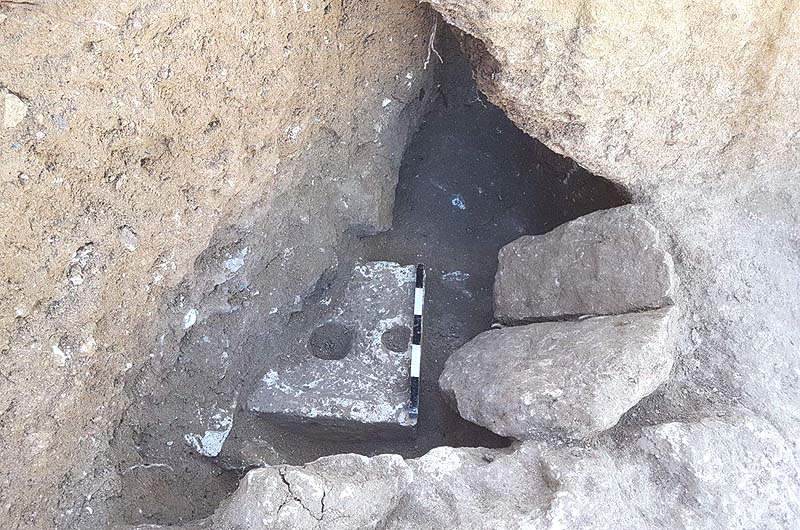
The 2,700-year-old remains of intestinal parasite eggs were discovered in a cesspit beneath the toilet in the garden of a luxury estate uncovered at the Armon Hanatziv Promenade in Jerusalem.
The 1948 bomb was located in a wooded area near Ma’aleh Hahamisha, north of Jerusalem, by a father his children who walked around the area on Saturday afternoon.
International research collaboration co-led with University of Haifa’s Dr. Beverly Goodman-Tchernov unearths remarkable discovery within tsunami debris.

The underwater remains also include rare personal effects of the shipwreck victims.
By Israel Hayom
The marble artifact from Roman times, which weighs some two tons, is believed to have been stolen from a construction site and discarded on an illegal trash heap.
Storing grains and drinking beer since 5,200 BCE.
Police on patrol noticed during routine activity a car driving illegally. To their amazement, they found a crate in the trunk, containing impressive and unusual archaeological finds.
This is the first time that two synagogues have been found in a single settlement from the Second Temple period.
Some of the artifacts were from the period of the Bar-Kochba revolt in 130 CE.
Among the items seized were a Hasmonean coin dating from the time of Matityahu Antigonus in the first century BCE with an embossment of the Temple Menorah.
"The candle is intact, a rather rare phenomenon.”
In the intervening years between the Great Revolt in 70 CE and the Bar Kokhba Revolt in 130 CE, Yavne became the most important Jewish spiritual center in the country.
By Aryeh Savir, Tazpit News Agency
Diodotus Tryphon initially signed a pact with the Hasmonean rulers of Judea, but subsequently turned on them and attempted to attack Jerusalem.
The girl came with her family to the Emek Tzurim Sifting Project in Jerusalem.

Construction began about 80 meters away from the walls of the city of Lachish, close to where stones required for the ramp could be quarried.
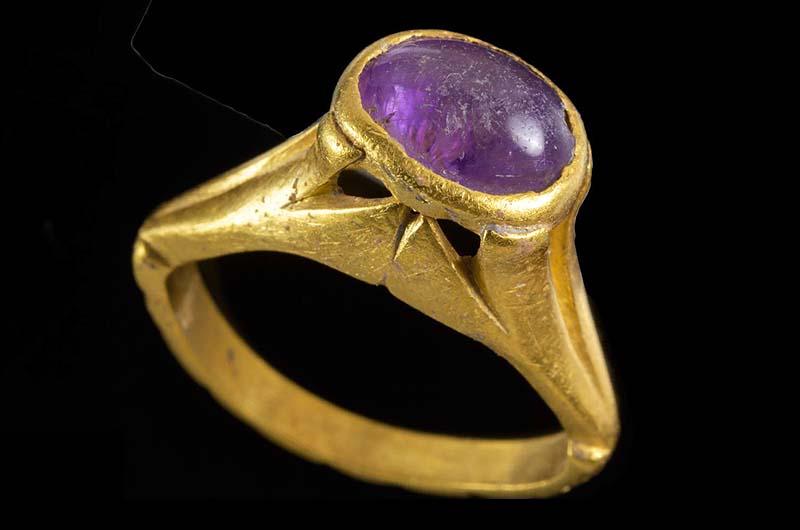
"The ring may have belonged to the owner of the warehouse, to a foreman, or to an unlucky visitor who dropped it."
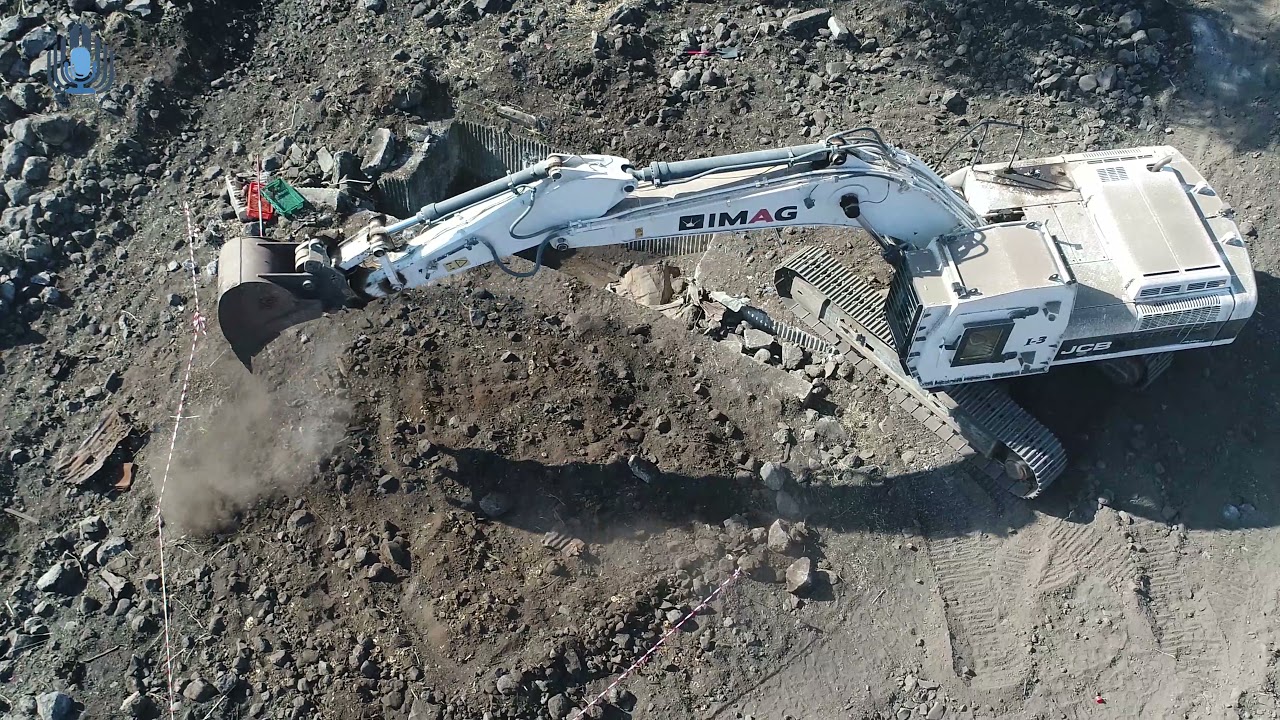
Israeli authorities operating to clear old minefields in the Golan Heights have recently exposed a Syrian bunker packed with ammunition that was left behind by Syrian troops retreating as IDF forces advanced during the 1967 Six-Day War.
By Aryeh Savir, Tazpit News Agency
Original documents belonging to Yemenite Olim from the 1880s who lived in Kfar HaShiloach were recently discovered and brought to light.
By Aryeh Savir, Tazpit News Agency
Israeli law stipulates that causing damage to an antiquities site is a criminal offense for which the penalty prescribed by law is up to five years in prison.
By Aryeh Savir, Tazpit News Agency
The amethyst seal was discovered at The Sifting Project while examining soil samples from the base of the Western Wall.

“The discovery of ancient finds by swimmers and leisure divers is a growing phenomenon in recent years, with the increasing popularity of these sports.”

It appears that the town of Yavne, home to the Sanhedrin in exile after the destruction of the Second Temple, became a worldwide powerhouse of wine production some 1,500 years ago.

It's fascinating to see how something that's obvious to us today, such as toilets, was a luxury item during the reign of the kings of Judah."
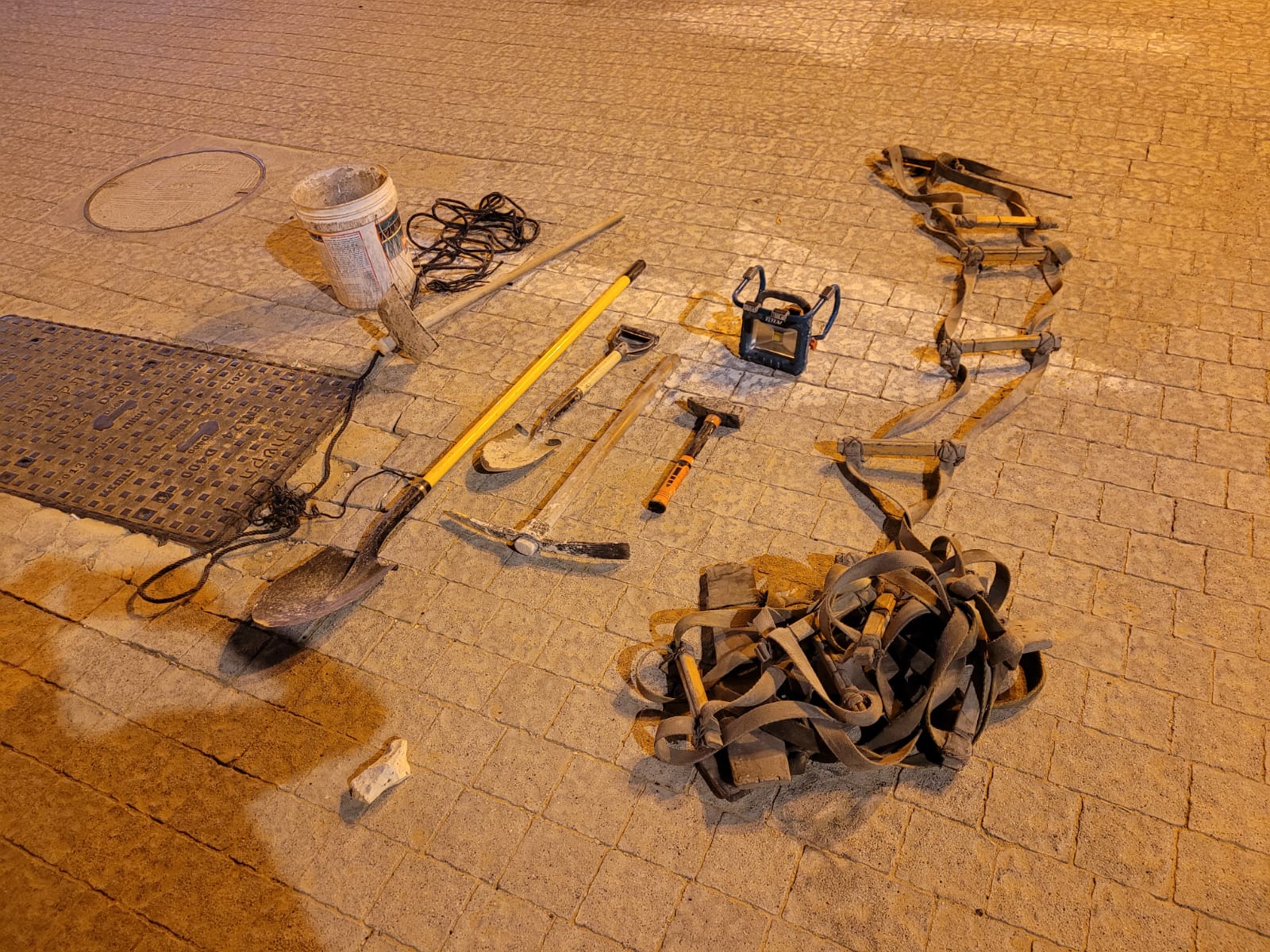
It is illegal in Israel to excavate antiquities sites without a license, and offenders can face up to five years in prison under the law.

Jerusalem’s ancient quarries were the main source of building stones for monumental construction projects in the city, such as the Temple Mount.

By Aryeh Savir, Tazpit News Agency
The Gerah stone weight weighed 3 times more than it should have.
A few years ago, Dr. Jon Seligman's visit to Vilna as part of a roots trip sparked the idea of digging up what was left of the compound and the synagogue.
As Ramat Ha-Sharon approaches its centenary year, evidence is emerging that its history is far more ancient than was previously assumed.
Burnt archaeological flints enable us to determine the strength of the Earth's magnetic field during prehistoric periods.
"When we excavated the structure and uncovered an 8th century BCE layer of destruction."
By Israel Hayom
The network of tunnels beneath the Temple Mount has been the subject of much mystery and controversy, but the cisterns – some of which are linked to biblical sources – are just as fascinating.
Symbols and slogans on Jewish coins during the two Roman wars declared the rebels' goals.
 October 9, 2026