 October 16, 2026
 Categories: In Print / Headline / Features
Remembering Rabbi Beryl Wein
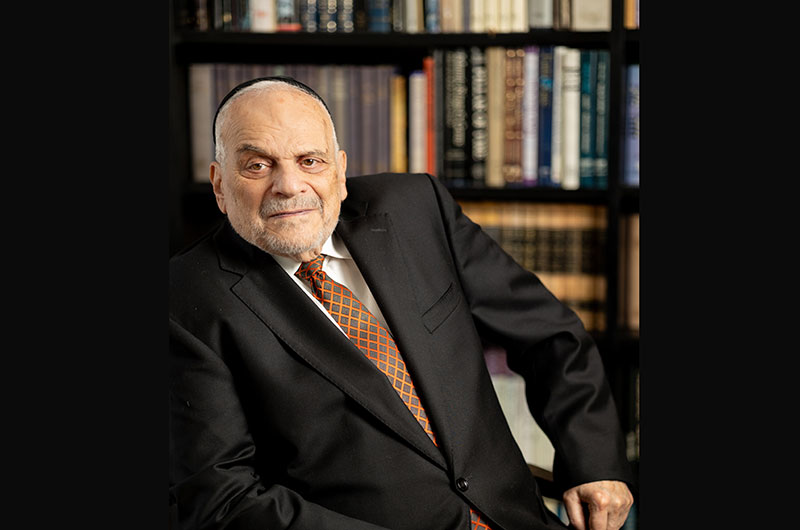


Jewish publications were filled with tributes to Rabbi Beryl Wein, zt”l, who passed away recently at 91 in Israel. He was one of a kind and deserved all the pages written about him. After all, he was a five-tool rabbi.
Rabbi Wein was a writer, a speaker, a teacher, a pulpit rabbi and a lawyer. In baseball. being called a five-tool player is a compliment; it means you can hit for a good batting average, hit for home runs, play good defense, run well in the field to catch up to the ball, and have the speed to steal bases.
Rabbi Wein moved in many fields and was superb in all of them. What a resume he had.
Born in Chicago on March 25, 1934, Beryl Wein grew up following the south side Chicago White Sox. He had a special fondness for pitcher Ted Lyons, who pitched in the major leagues for 21 years, all with the ChiSox and won 260 games, earning a spot in the baseball Hall of Fame in Cooperstown, N.Y. Lyons was a college graduate and intended to go to law school, but decided that baseball was more fun than hitting the books. I wrote a book on the Chicago White Sox that I gave to Rabbi Wein along with one I wrote about the Jewish history of Detroit. His wife, a Detroiter, appreciated that one.
Mrs. Wein, known to Detroiters as Jackie, was the daughter of Rav Leizer Levin, the chief rabbi of Detroit, who learned under the Chofetz Chaim. I was a youngster and remember her as energetic and lively when she worked in the Yeshiva Beth Yehudah Day Camp and kept the long bus rides interesting.
The young man from Chicago married the young lady from Detroit in 1955, the year they both turned 21. Besides focusing on his wife, the rabbi focused on his law degree and their growing family. In 1964, the Weins opted for the warm weather of Miami where he took a big pay cut to become spiritual leader of a storefront shul. He built up the membership and shul size, and after about eight years accepted the position of executive vice-president of the Orthodox Union and went on to oversee kosher food products.
In 1972, the Weins chose to move to Monsey to assume leadership positions of Bais Torah Congregation where they became influencers to many families. Rabbi Wein founded Yeshiva Shaarei Torah in 1977 and his fame and popularity grew.
In 1997, the timing was right for the family to settle in the Rechavia section of Jerusalem where Rabbi Wein would make the Beit Knesset Hanassi shul famous. He lectured, made tapes – audio and video – and found new avenues to reach people as kosher publications made their debut. I liked his baseball articles that he wrote, not often enough, in his newsletter called the Wein Press.
My favorite time with Rabbi Wein took place about ten years ago on a Shabbos in Detroit. I was president of the Agudah shul in Southfield, Mich, at the time and the shul made sheva brachos for a rabbi's daughter related to the Weins. I sat next to Rabbi Wein and told him that part of my presidential duty requires that I would give a beracha to the chosson and kallah and announce the lineup of speakers and he would be the leadoff man.
This was my patented beracha that I always use and even write on a gift card from me. "May your marriage be a tie that goes extra innings. May you never need an umpire. May you always be safe at home. And may you always be safe even when you're out."
Rabbi Wein said, "very good, Irwin," and then gave a better beracha that scored higher.