יום חמישי, כ״ד תמוז תשפ״וThursday, July 9, 2026



Follow Us


By Jewish News Syndicate (JNS)
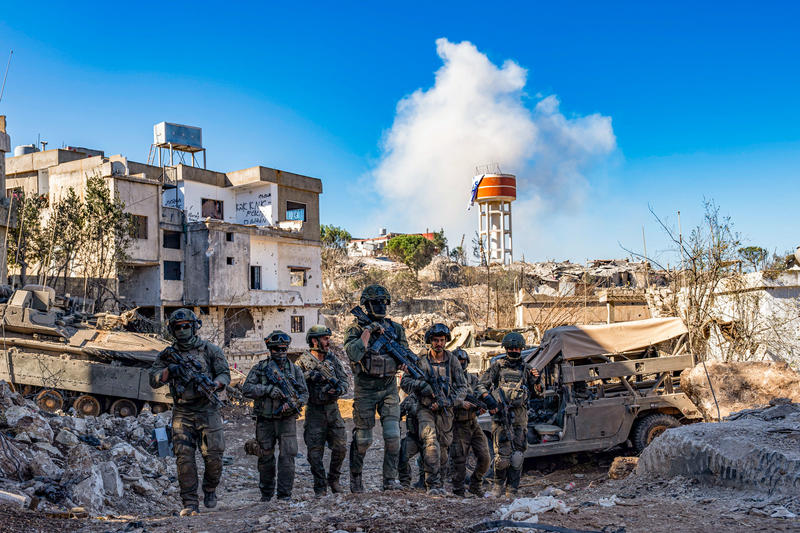
U.S. envoy Amos Hochstein reportedly assured Beirut that Israeli forces will fully withdraw from Lebanon by Jan. 26.
By Max Gelber
The exact details of the agreement are unclear, and the reports indicate that there are still some sticking points.
“I don’t understand how we went from total victory to total surrender. Why aren’t we finishing what we started?!|
Illouz dictated what he believes the ceasefire terms should be.
By Jewish News Syndicate (JNS)
"Precisely now, when Hezbollah is beaten and longs for a cease-fire, it is forbidden to stop," said Itamar Ben-Gvir.
By Joshua Marks
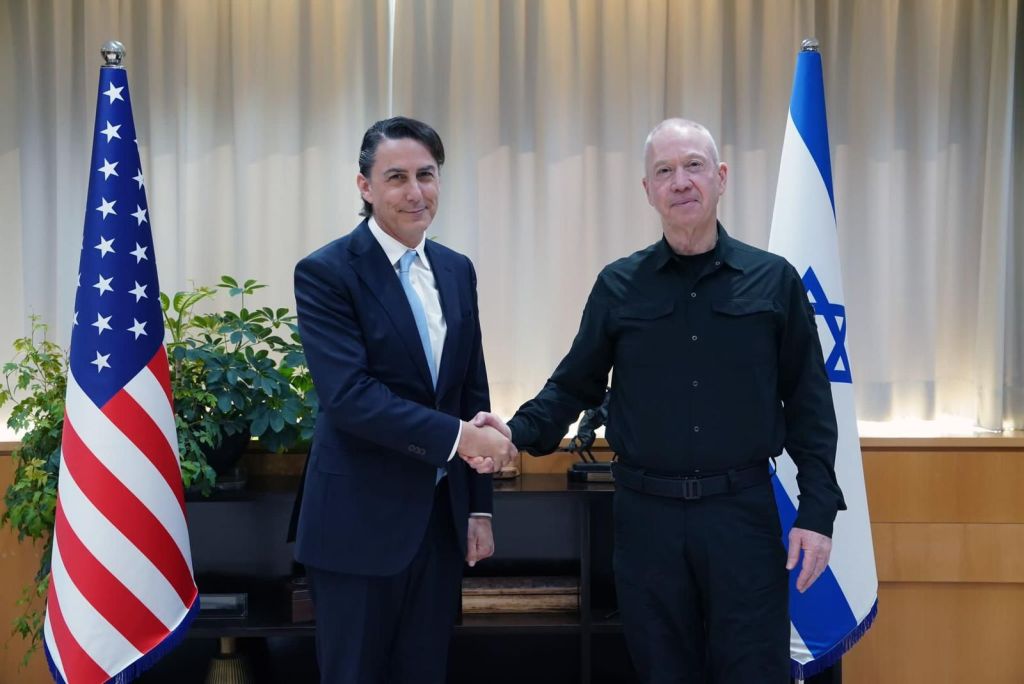
Brett McGurk and Amos Hochstein are expected to present a ceasefire proposal to end the fighting with Hezbollah and return displaced residents to the north.

While U.S. diplomacy is not likely to lead anywhere, giving it a chance (and calling attention to the failure of U.N. Resolution 1701) could be critical for the legitimacy of an Israeli operation against Hezbollah, experts tell JNS
US energy envoy Amos Hochstein is in Lebanon to try to de-escalate tensions at the Israeli border.
Lebanon could give Chris Voss a masterclass on how to say “no” and get everything you want in international negotiations.
By Aryeh Savir, Tazpit News Agency
Friedman tweeted, "No one then imagined 100% to Lebanon and 0% to Israel. Would love to understand how we got here.”
American mediator Hochstein: Israel has yet to respond to the Lebanese proposal.
By Aryeh Savir, Tazpit News Agency
Lebanon is reportedly demanding additional 1,460 square kilometers from Israel’s economic water, in addition to the 860 square kilometers on which the discussions are already focusing.
Lebanon-Israel-US mediator Amos Hochstein agrees to return to Lebanon and resume the negotiations with Israel regarding the maritime border, if Lebanon will back down from its claim on point 29.
By Aryeh Savir, Tazpit News Agency
The focus of both sides is the oil and gas discoveries in the territorial waters which are under dispute.
 July 3, 2026