יום ראשון, י״ב אב תשפ״וSunday, July 26, 2026



Follow Us


By Daniel Pipes
Ahmed Shafiq, the former air force commander and former president Hosni Mubarak's last prime minister, actually won the presidential race by a narrow margin.
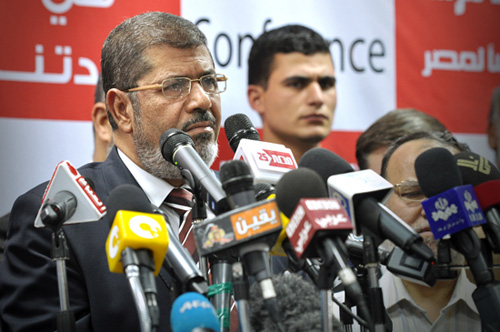
President Morsi is continuing the evolution toward an Egyptian definition of Egyptian interests that began with the decline of Hosni Mubarak and that promises to hasten the decline of American influence.

Egyptian president Morsi made several sweeping decisions on Sunday afternoon, announced by the presidential spokesperson in a televised statement. Al Ahram reported that, to start, Morsi cancelled the addendum to the constitutional declaration, issued by the Supreme Council of the Armed Forces (SCAF) on June 17. The addendum stipulated that the head of the SCAF, Field Marshal Hussein Tantawi, was to remain minister of defense until a new constitution was drafted. Not any more.
By Tarek Heggy
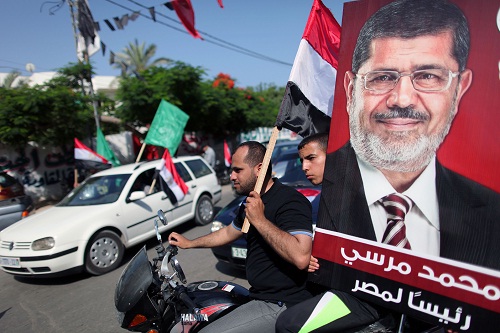
The Obama administration's support for the Muslim Brotherhood emanates from an extremely flawed understanding of its agenda, which has been unchanged since its inception in 1928. The two pillars of this project have been: First, abolishing the entire judicial and juridical system that was introduced in Egypt in 1883 and was based on the Napoleonic Code. Second, reviving the political vision of a Caliphate, which aims at uniting all Muslim societies under a single ruler.
Al Ahram reports that the Supreme Presidential Electoral Commission (SPEC) on Saturday disqualified 10 contenders from Egypt’s anticipated presidential elections, including Salafist Hazem Salah Abu-Ismail, former Intelligence boss Omar Suleiman and Muslim Brotherhood financial genius Khairat El-Shater. The body of judges, appointed by the current Egyptian military junta, SCAF (Supreme Council of the Armed Forces), […]
 July 24, 2026