 September 4, 2026
 Categories: In Print / Features
The Bitachon Blueprint (Part XXXVII)
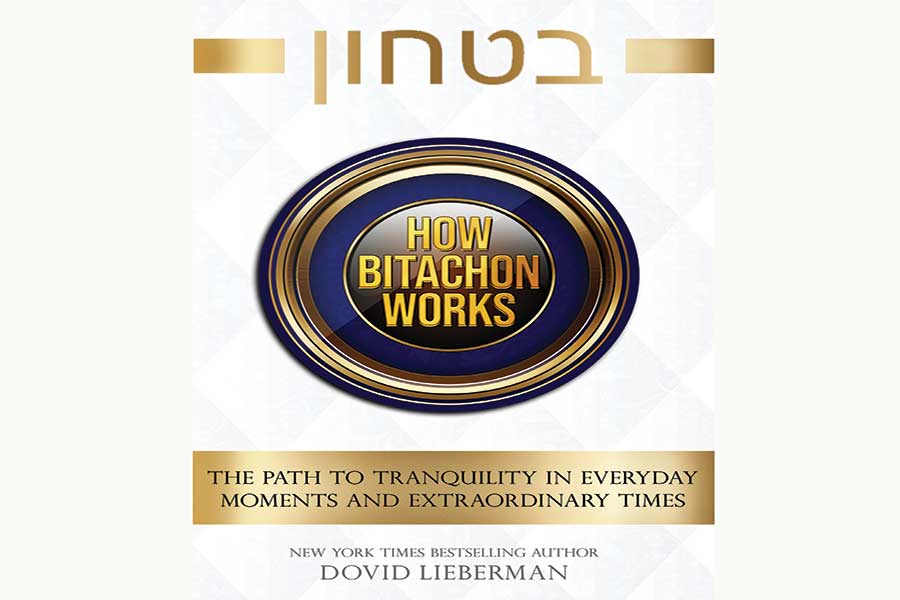


In the previous installment, we saw that hardships are not random at all. They emerge from the very root of our soul—linked to our unique tafkid and tikkun—or as wake-up calls that push us to examine our deeds and return through teshuvah. These challenges, while painful, serve a purpose: to refine, repair, and realign us with our purpose. In this installment, we’ll continue to explore the remaining sources of life’s difficulties.
- Natural Consequence
By the way, this link highlights the profound impact of thoughts on our physiology. Mental states trigger biological responses that directly impacts the body’s chemistry: positive thinking elevates serotonin and lowers cortisol, whereas feelings of hopelessness or defeat activate the autonomic nervous system and the hypothalamic–pituitary–adrenal (HPA) axis. Over time, these stress responses weaken immune function and unleash a cascade of disruptions across multiple bodily systems, ultimately compromising overall health.
- Negligence
There is appropriate fear and foolish fear. On the other hand, there is confidence and recklessness. Hashem has invested man with intelligence and judgment so that he may follow the right path and protect himself from the instruments of injury that have been created to punish evildoers. One who chooses not to be guided by wisdom and exposes himself to dangers is displaying not trust but recklessness (Mesillas Yesharim 9).Bitachon is not an excuse for recklessness; it does not absolve a person of the responsibility to use the intelligence and discernment Hashem gave him. One who deliberately disregards danger is not relying on Hashem—he is acting negligently.
- Wake-Up Call
At times, these wake-up calls come as flashes of perspective—moments of fear without lasting impact. Their purpose is to help us realize that Hashem has spared us from potential heartache. Filled with immense gratitude, we can then move our lives in a more responsible direction, synchronized with our tafkid. Although every moment holds the potential to offer perspective, the more self-absorbed we become, the more jarring the experience must be to break through the ego’s need to filter, categorize, and distort reality—so that we can see clearly and receive the message.
- Barriers and Barricades
Few things test our bitachon more than seeing pain in the lives of those who least deserve it—or apparent blessing in the lives of those who seem to merit it least. In the next column, we will tackle one of the oldest and most perplexing questions in Jewish thought: why does it sometimes appear that the righteous suffer while the wicked prosper?
To be continued.